
President
ACA insurers propose double-digit premium hikes for 2027

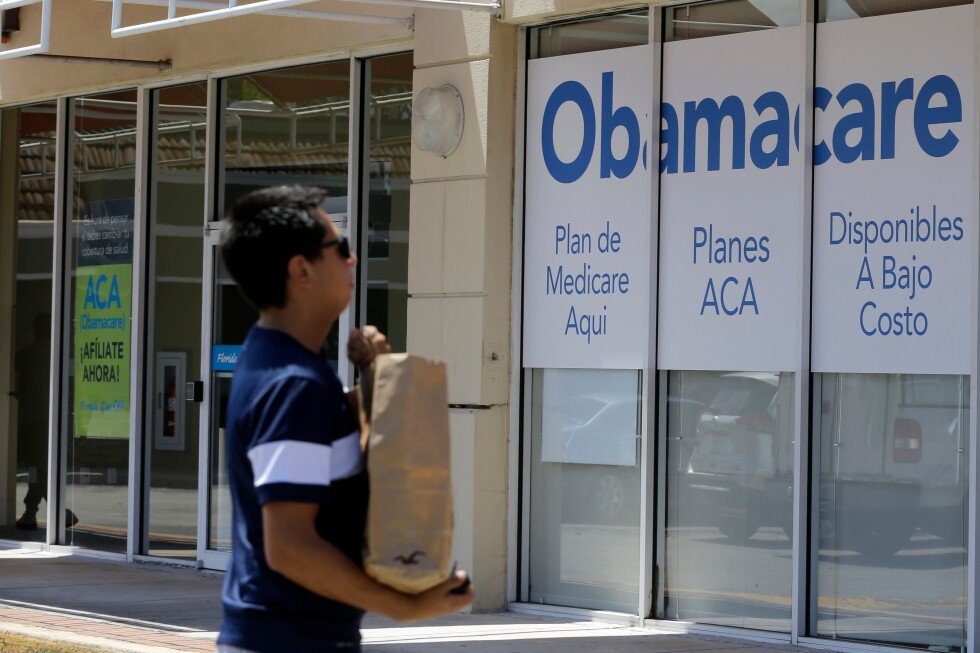
NEW YORK (AP) — Many Americans straining to pay for Affordable Care Act health insurance are unlikely to get relief next year, according to a new analysis that shows insurers in the marketplace are proposing a second straight year of double-digit premium hikes.
Across the 77 insurers in the ACA program that have submitted rate filings that are publicly available, the median proposed premium increase for 2027 is 14%, according to Wednesday’s analysis from the healthcare research nonprofit KFF. The insurers cited mounting healthcare costs, federal regulatory changes and the recent expiration of pandemic-era enhanced subsidies as the biggest factors driving premiums higher.
The rise in premiums adds to what already was a significant jump in 2026, when the median rate increase was 20%, according to KFF. While many Americans in Obamacare still qualify for subsidies that protect them from paying the full premiums, middle-class enrollees making 400% of the poverty level or more will face an especially stark increase in costs.
The rate increases come as federal lawmakers have proposed various policy changes to overhaul the expensive U.S. healthcare system, but no comprehensive legislation has amassed enough support to pass. The higher costs are contributing to Americans’ existing worries about overall affordability, a concern that many voters say is front of mind with November’s midterm elections looming.
Insurers cite rising costs and a smaller, sicker covered population
Health insurers must send filings to regulators every year, explaining what they expect to see in premium rate changes for individual market health plans for the coming year.
Next year’s rates will be finalized later in the summer, but KFF’s analysis looked at those in the ACA marketplace that already are public across 16 states and Washington, D.C., to get an early glimpse at what insurers are saying. The report measured insurers’ premium increases as an average across all types of plans — bronze, silver, gold and platinum.
The analysis found that insurers listed rising costs across the healthcare sector — from hospital visits to prescription drugs, the workforce and sicker patients — as the biggest cause of rising premiums. Overall inflation contributed to that pressure, driving prices higher across the entire economy.
Insurers also blamed the expiration of federal subsidies that had offset costs for many people and caused the Affordable Care Act program to balloon in size in recent years. When those tax credits expired in January, many plan costs skyrocketed. That prompted large swaths of enrollees to depart the marketplace, leaving sicker patients who carry higher risks and costs, and driving premiums higher.
New state-by-state data posted by the Trump administration shows that the overall ACA marketplace shrunk by more than 2.5 million people over the past year, with some states seeing declines amounting to nearly a third of their enrollee population.
Some insurers added that federal regulatory changes contributed to their requests for higher premiums. For example, they said new enrollment and eligibility requirements instituted by the Trump administration could affect the overall population of ACA enrollees.
While Affordable Care Act enrollees make up less than 10% of the population, similar cost drivers are likely to make other private plans, including employer-sponsored plans, pricier too, according to KFF’s analysis.
Findings align with other analyses
Georgetown University’s Center on Health Insurance Reforms also published an analysis of preliminary ACA insurer rate filings last month. Like KFF’s, it projected double-digit premium increases in the marketplace next year.
Stacey Pogue, a senior research fellow at the center who authored the report, said the enrollees most affected by the rising premiums will be those who don’t qualify for financial help. She said those people already saw the most significant increases to their premiums in 2026, with some of their premiums doubling or tripling.
“Those are the folks who kind of got a double whammy” this year, she said.
Pogue said the rate filings are demonstrating what many analysts had expected: that the expiration of enhanced tax credits would cause healthy Americans to flee the marketplace and leave a sicker patient population that relies more heavily on insurance.
“When the healthy people leave, the prices go up,” she said. “The analysts all predicted that, and now that’s what we’re seeing.”