US Politics
More signs about climate change and Native Americans are disappearing from National Parks at Trump’s order

Your support helps us to tell the story
From reproductive rights to climate change to Big Tech, The Independent is on the ground when the story is developing. Whether it’s investigating the financials of Elon Musk’s pro-Trump PAC or producing our latest documentary, ‘The A Word’, which shines a light on the American women fighting for reproductive rights, we know how important it is to parse out the facts from the messaging.
At such a critical moment in US history, we need reporters on the ground. Your donation allows us to keep sending journalists to speak to both sides of the story.
The Independent is trusted by Americans across the entire political spectrum. And unlike many other quality news outlets, we choose not to lock Americans out of our reporting and analysis with paywalls. We believe quality journalism should be available to everyone, paid for by those who can afford it.
Your support makes all the difference.
Read more
Trump administration officials are directing national parks to remove or revise signs addressing climate change and Native American history, among other subjects, according to a new report.
In recent weeks, park staff at more than a dozen locations across Texas, Arizona, Colorado, Montana, Wyoming and Utah have received orders to alter or eliminate such displays, according to The Washington Post, citing government documents.
These changes align with President Donald Trump’s March 2025 executive order, titled “Restoring Truth and Sanity to American History,” which aimed to purge “partisan ideology” from federal sites — including mentions of racism, sexism, LGBTQ topics and climate change.
The Interior Department, run by Secretary Doug Burgum, said its actions were in line with the president’s executive order.
“All federal agencies are to review interpretive materials to ensure accuracy, honesty, and alignment with shared national values,” the department said in a statement. “Following completion of the required review, the National Park Service is now taking appropriate action in accordance with the Order.”
open image in gallery
But critics slammed the move as an attempt to whitewash U.S. history.
Kristen Brengel, a senior vice president for the National Parks Conservation Association, told the Post that the administration’s measures “should offend every American.”
She added that park staffers are “being forced to select stories because they think the administration will threaten their jobs if they don’t.”
Some of the country’s most popular parks, frequented by millions of tourists, have been targeted by the administration, including Grand Canyon National Park, Glacier National Park and Big Bend National Park.
.jpeg)
open image in gallery
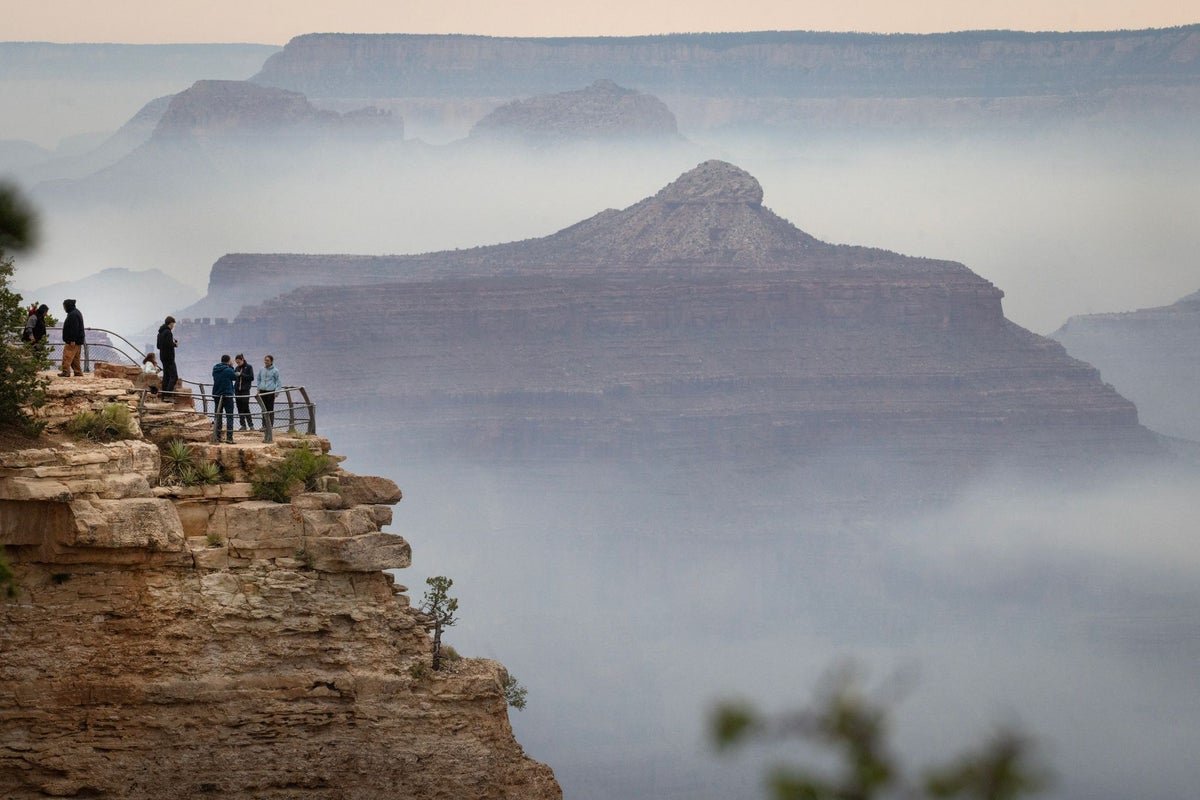
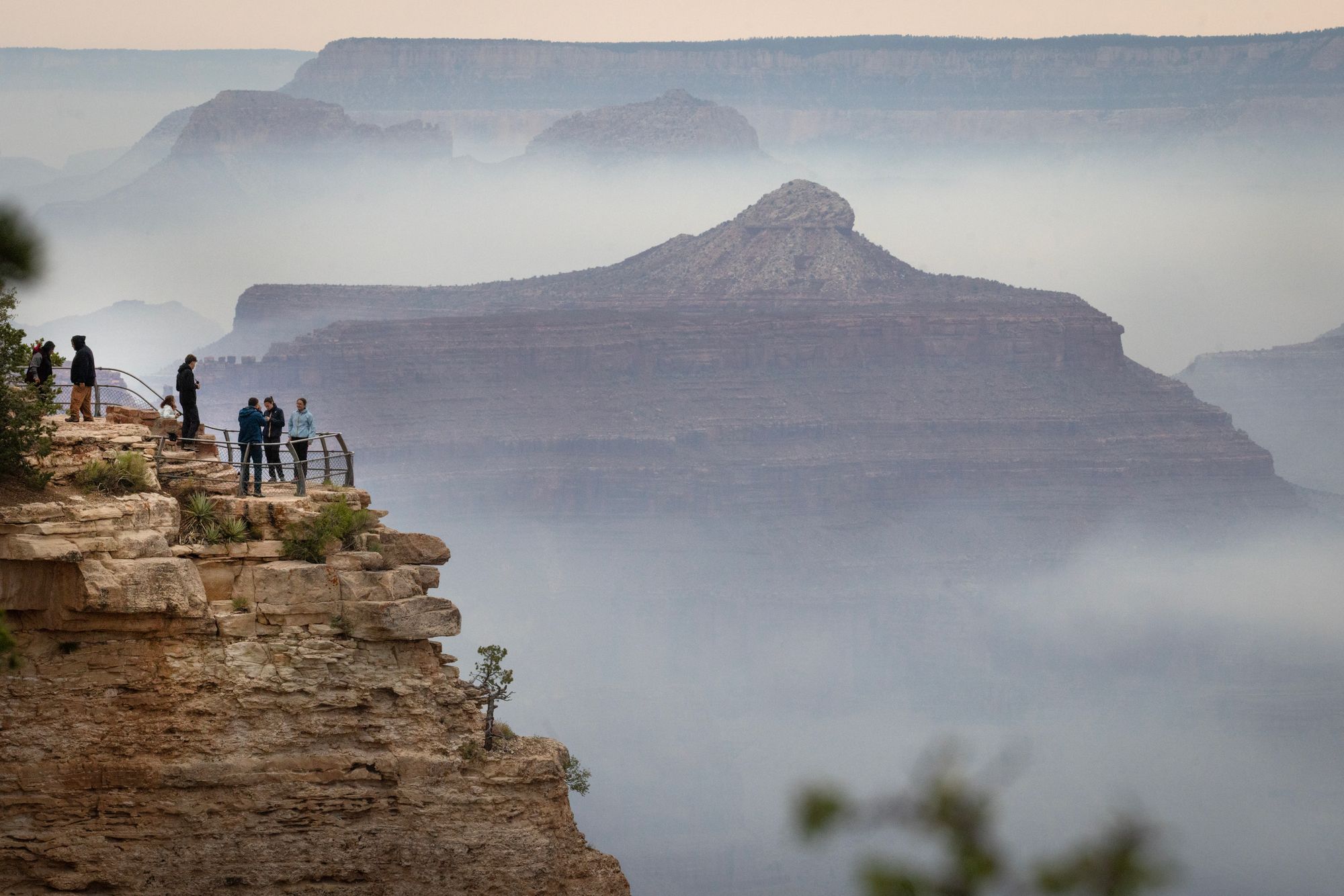
At the Grand Canyon, staff recently took down a section of an exhibit that included language about settlers exploiting land for mining and pushing “tribes off their land” in order to create the park.
Employees at the park, located in Arizona, also cut references to ranchers “carelessly overgrazing” and tourists “foolishly” tossing trash in the park, according to the Post. Roadside signs addressing climate change and pollution have been marked for possible elimination.
Language about climate change was also flagged at Glacier National Park in Montana, including on signs that detailed the possible loss of the park’s well-known glaciers.
Additionally, a sign at the gift shop was targeted for review. It stated: “Climate Change Affects National Parks and the Treasures They Protect.”
“We’re whitewashing or we’re taking out all those sort of not-so-nice stories that have occurred in our nation’s history,” Jeff Mow, the park’s former superintendent, told the newspaper.
open image in gallery
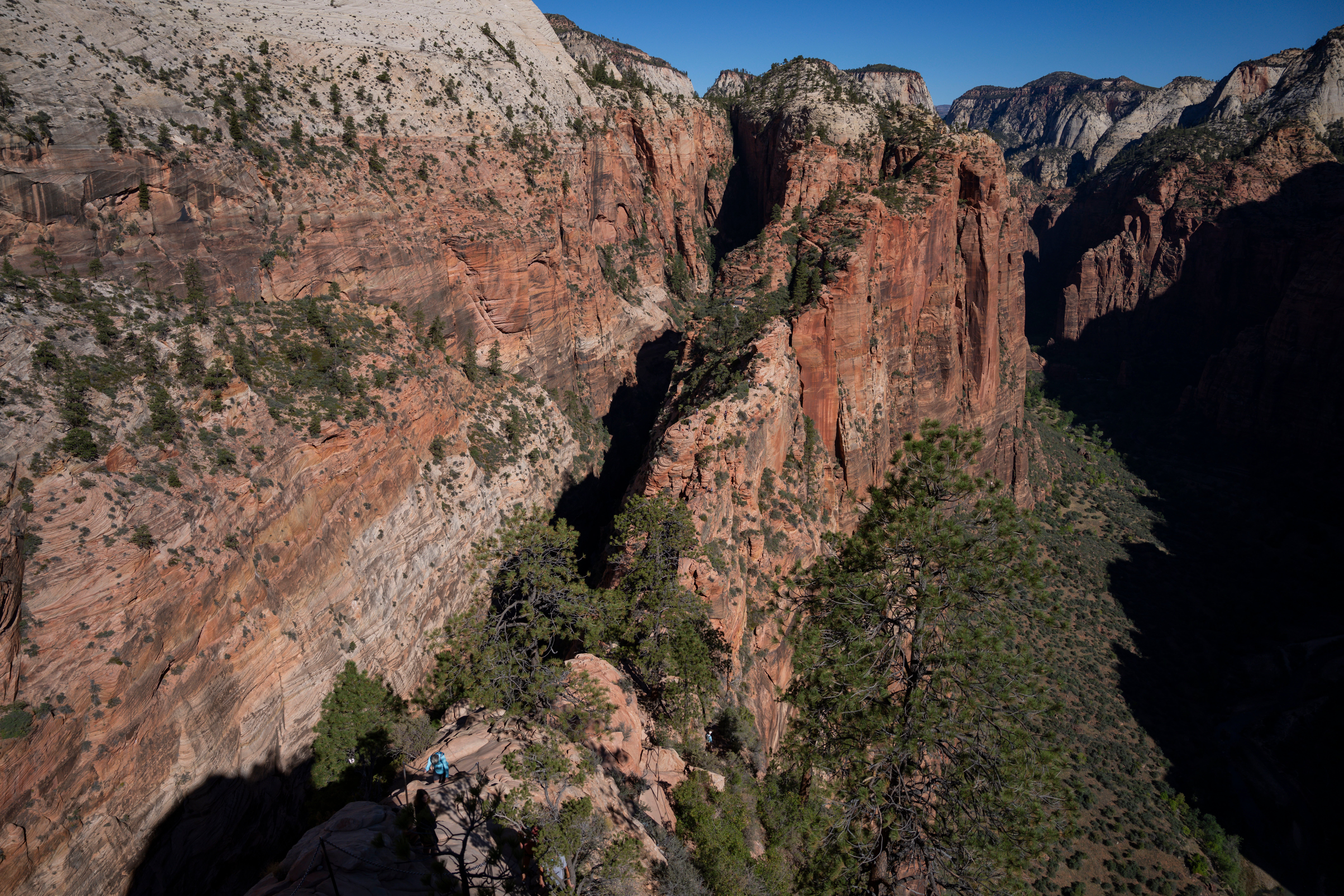
And, at Big Bend National Park in Texas, over a dozen displays have been slated for elimination, many of which are seemingly noncontroversial, pertaining to prehistoric history, geology and fossils.
The administration’s removal orders did not explain what was wrong with the signs, according to the Post.
“This is not something that the National Park Service should be blamed for,” Bob Krumenaker, the park’s former superintendent, said. “They are being told they have to do these things. And my hope is they’re saving these exhibits for when things change so they can put them back up.”
It’s not the first time the Trump administration has enacted controversial changes within the country’s national parks.
Last year, the Environmental Protection Agency moved to weaken a decades-old rule designed to improve visibility at national parks. The administration also previously proposed slashing the parks’ budget by $1 billion, which would mark the largest cut in the system’s 109-year history.