
US Politics
JD Vance hits back at report he’s ‘isolated’ in White House and may drop 2028 bid

Your support helps us to tell the story
From reproductive rights to climate change to Big Tech, The Independent is on the ground when the story is developing. Whether it’s investigating the financials of Elon Musk’s pro-Trump PAC or producing our latest documentary, ‘The A Word’, which shines a light on the American women fighting for reproductive rights, we know how important it is to parse out the facts from the messaging.
At such a critical moment in US history, we need reporters on the ground. Your donation allows us to keep sending journalists to speak to both sides of the story.
The Independent is trusted by Americans across the entire political spectrum. And unlike many other quality news outlets, we choose not to lock Americans out of our reporting and analysis with paywalls. We believe quality journalism should be available to everyone, paid for by those who can afford it.
Your support makes all the difference.
Read more
Vice President JD Vance has hit back at claims he is no longer making a bid for the Oval Office in 2028 following Tulsi Gabbard’s resignation as national intelligence director.
His team went on the record after a report by the Daily Mail suggested that Gabbard’s departure had left Vance “more isolated than ever”.
Gabbard’s resignation was publicly cited as due to her husband’s bone cancer diagnosis. However, she had been widely reported as sidelined from central foreign policy debates due to her differences with the administration.
A spokesperson for Vance said the report was “just a flimsy compilation of completely illegitimate sources who have no idea what they’re talking about.”
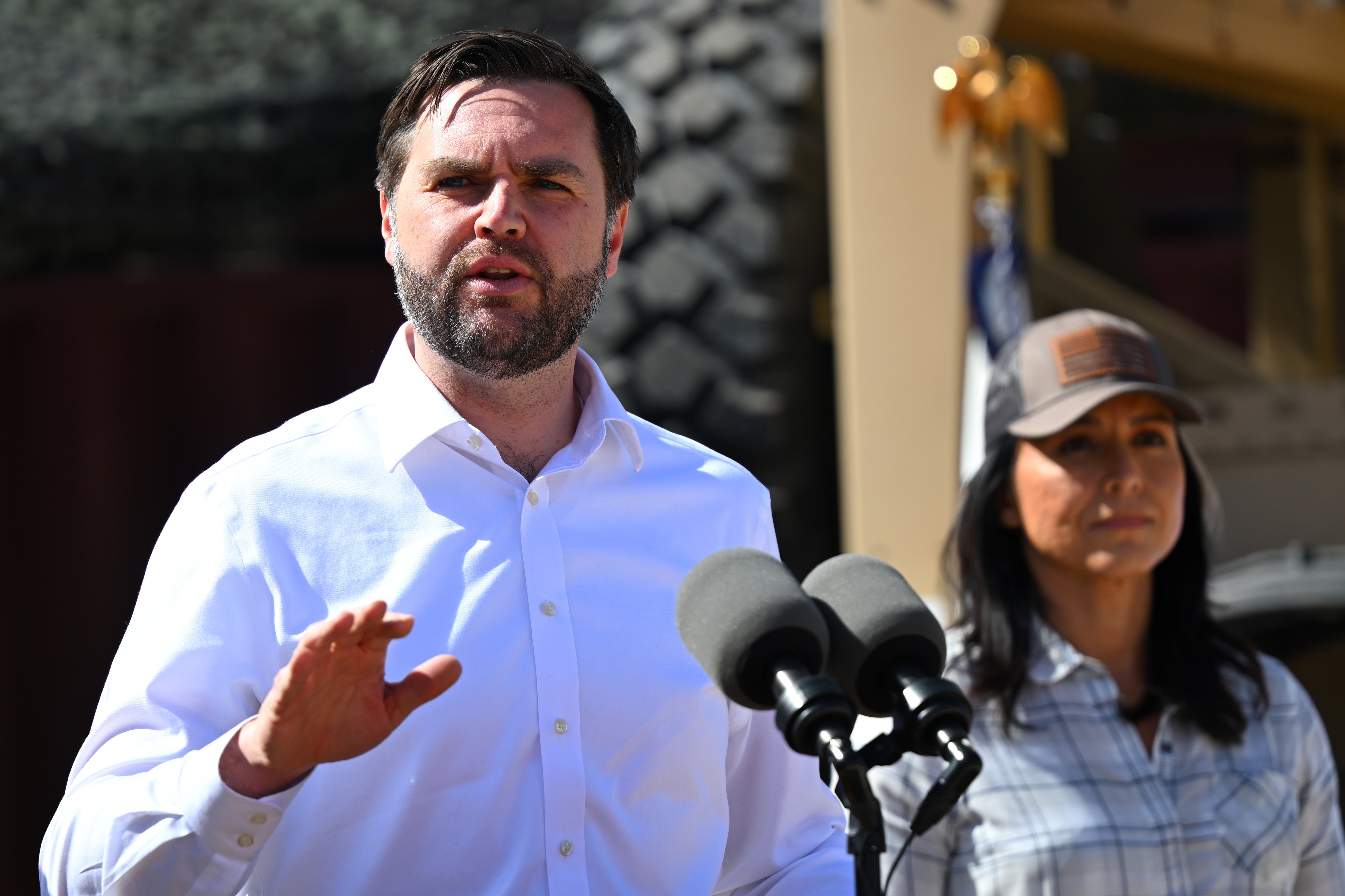
As vice president and vocal proponent of President Trump’s brand of MAGA Republicanism, JD Vance was widely expected to carry on the GOP’s mantle in 2028.
These expectations have persisted until recently. At a rally in support of a Republican congressman earlier this month in Des Moines, Iowa – traditionally the starting ground for any US presidential bid – Vance was introduced by the GOP’s county chair as the “next president of the United States.”
Trump’s military actions in Venezuela and Iran, however, have reportedly pushed Vance increasingly far from Trump’s inner circle due to his non-interventionist “America First” foreign policy approach.
Ahead of the first strikes on Tehran in February, Vance was the lone voice of those advocating a more limited strike instead of a full-scale operation, warning the president it could trigger a wider regional conflict, according to the New York Times.
Trump has publicly acknowledged this divide, describing Vance as “maybe less enthusiastic at the start of the war” and “philosophically a little bit different” on the wider conflict.
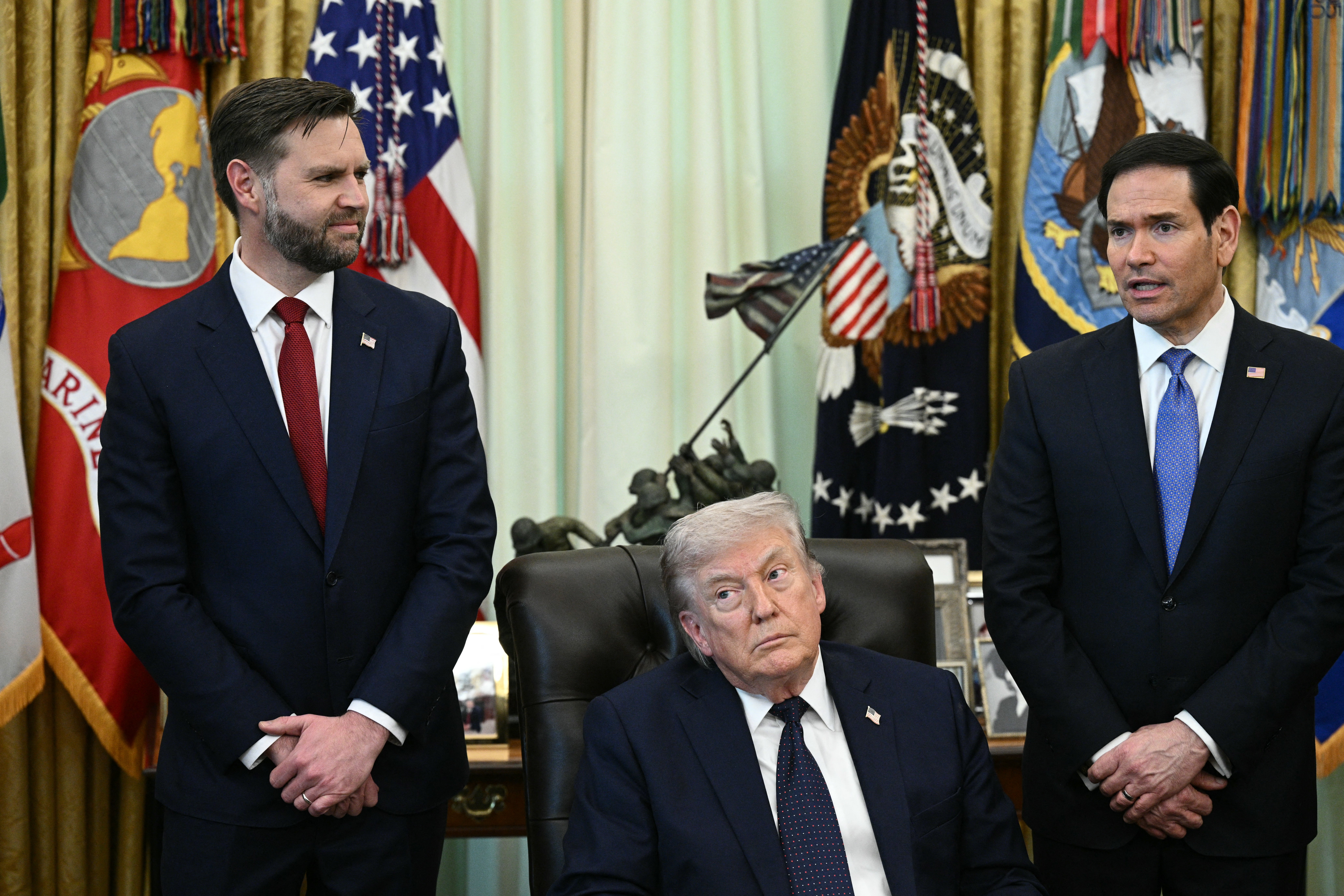
As Vance’s influence has waned, Secretary of State Marco Rubio’s has expanded.
A more hawkish Republican, he has been widely likened to the GOPs neoconservative figures of the 1990s and 2000s who pushed the US to project a stronger military role around the world, most notably with the 2003 invasion of Iraq.
Rubio has made no secret of his longstanding foreign policy prize being toppling the communist government in Havana and has been increasingly threatening conflict with Cuba.
Speaking to the press last week, the secretary of state said Cuba poses a “national security threat” to the US and likelihood of a diplomatic solution is “not high.”
“Rubio has more mojo than Vance. The president listens to him. Vance is out of step and has been for a long time,” a White House insider was quoted as saying by The Daily Mail.
However, the source warned that Rubio’s dominance may not prove lasting. As a leading advocate of the straining war with Iran, the insider cautioned that he risks alienating both the president and the American public should the war’s outcome prove unpopular.
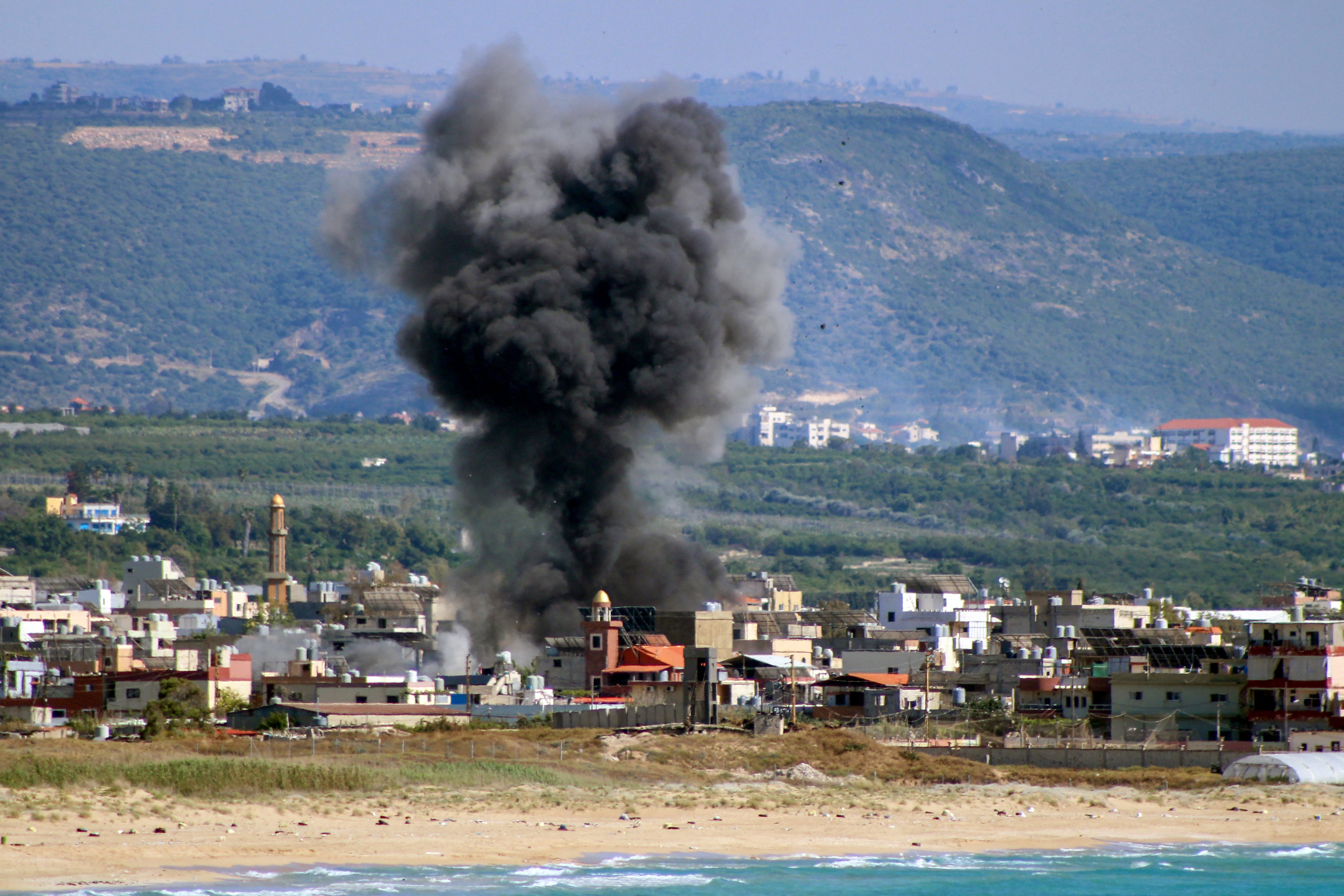
Gabbard’s exit marks the second of Vance’s most visible allies in opposing the war lost.
The departure of Joe Kent as director of the National Counterterrorism Centre, who resigned in March in protest of the war, served to further undermine Vance’s dovish approach at the time.
Should Vance skip a 2028 presidential run, age would be on his side for a future campaign, being only 41 years old.
A source close to the vice president told The Daily Mail, however: “Anyone who wants to be a viable nominee for president has a very small window. And if you don’t go when that window is open, most likely it never opens up again.”