US Politics
Trump team weighs paying $1B to get companies to stop off-shore wind farm projects

Your support helps us to tell the story
From reproductive rights to climate change to Big Tech, The Independent is on the ground when the story is developing. Whether it’s investigating the financials of Elon Musk’s pro-Trump PAC or producing our latest documentary, ‘The A Word’, which shines a light on the American women fighting for reproductive rights, we know how important it is to parse out the facts from the messaging.
At such a critical moment in US history, we need reporters on the ground. Your donation allows us to keep sending journalists to speak to both sides of the story.
The Independent is trusted by Americans across the entire political spectrum. And unlike many other quality news outlets, we choose not to lock Americans out of our reporting and analysis with paywalls. We believe quality journalism should be available to everyone, paid for by those who can afford it.
Your support makes all the difference.
Read more
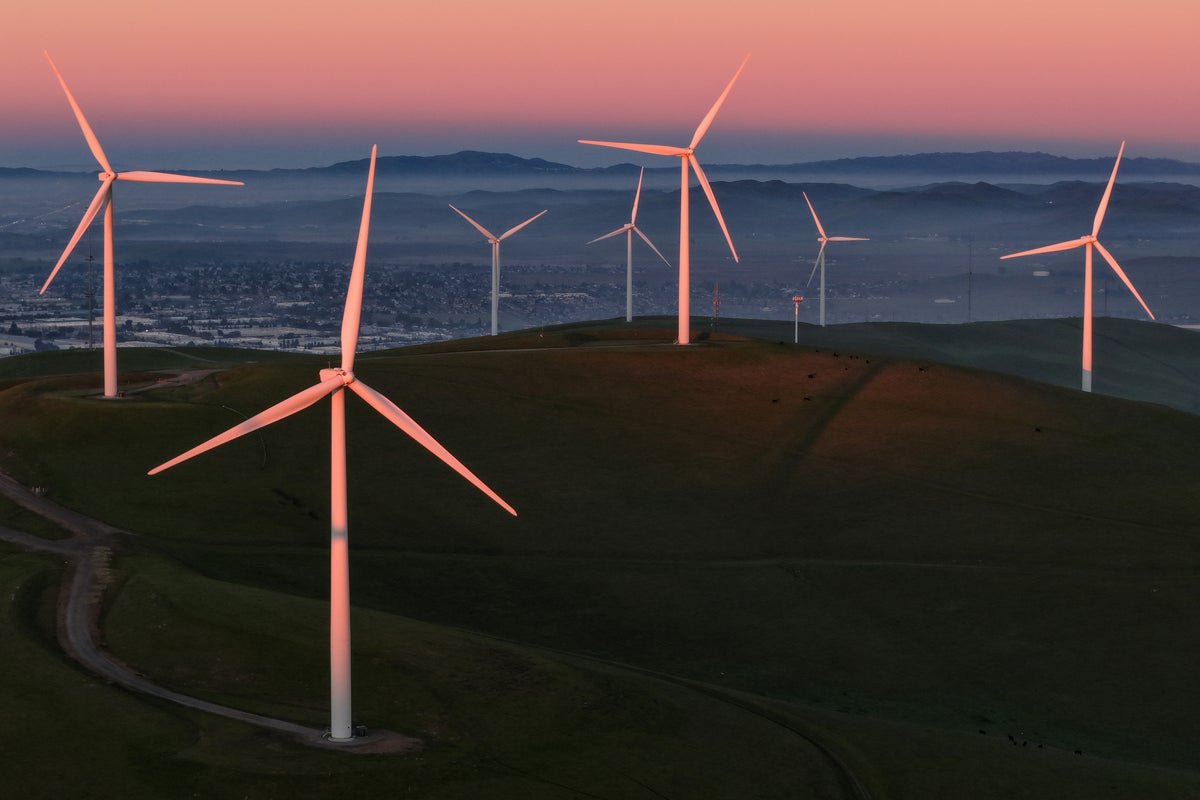
The White House is reportedly preparing to pay nearly $1 billion to an energy giant to abandon major offshore wind projects, moving from legal challenges to direct financial settlements.
After federal judges blocked five previous attempts by the Trump administration to halt wind farms currently under construction along the East Coast, senior officials are now drafting agreements to pay TotalEnergies to walk away from its leases. According to documents reviewed by The New York Times, the proposed settlements would see the Justice Department pay more than $928 million to the French energy firm.
The deal would effectively terminate the Attentive Energy project off the coast of New York and the Carolina Long Bay project in North Carolina. In exchange for the payout — which serves as a reimbursement for lease bids won during the Biden era — TotalEnergies would not only scrap its wind plans but also commit to “accelerated investments” in natural gas infrastructure in Texas.
“It is quite unusual for the administration to do this cash outlay, seemingly just because Trump doesn’t like offshore wind,” John Leshy, a former general counsel for the Interior Department, told The New York Times.
This new buyout approach follows a string of courtroom defeats for the administration.
In December, the Interior Department ordered a halt on five other major offshore wind projects, citing a classified national security report from the Defense Department. However, federal judges repeatedly ruled against the government, concluding that the administration failed to prove an imminent security risk.
Despite those legal setbacks, two of the projects the administration tried to kill reached major milestones this week.
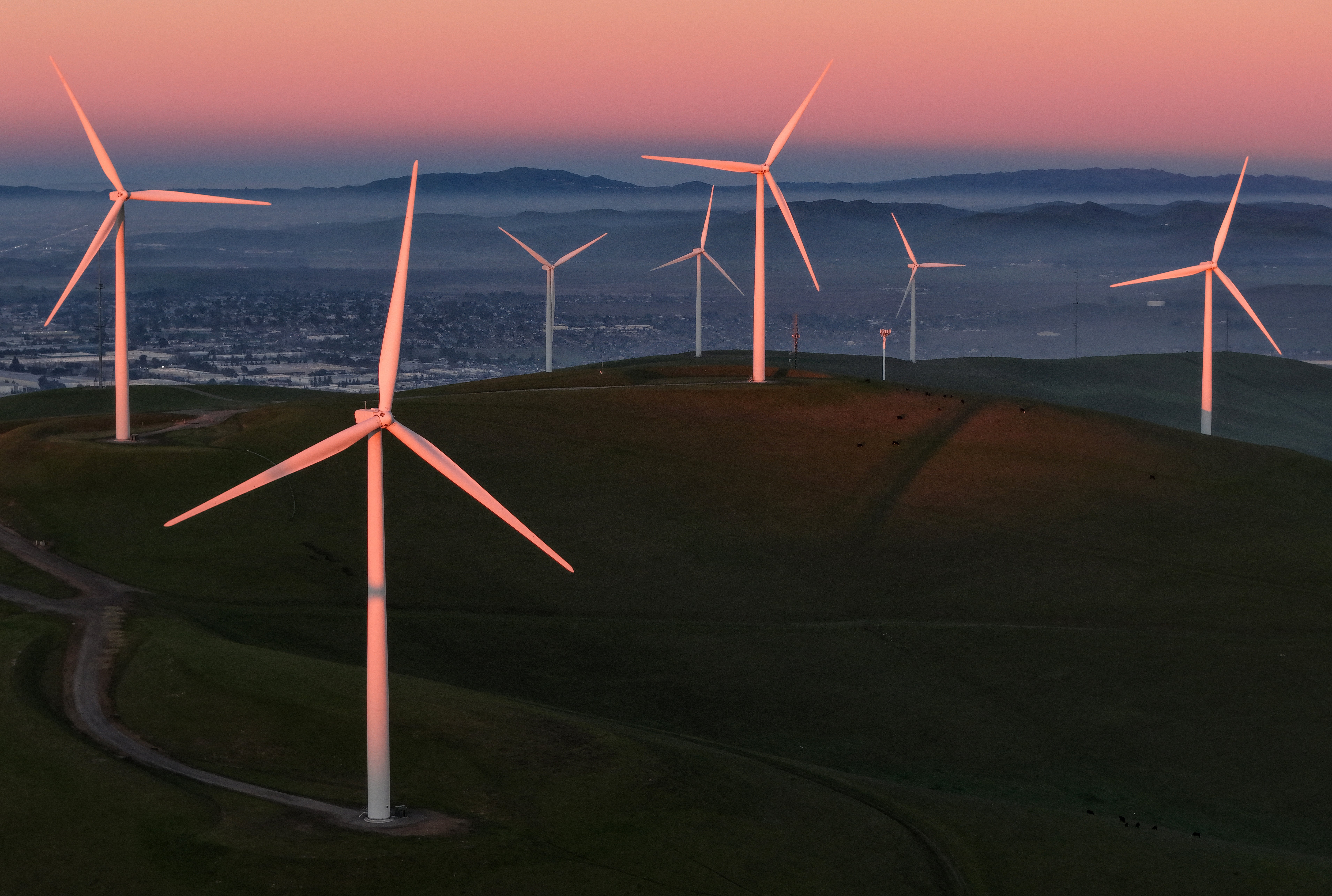
Vineyard Wind, located south of Martha’s Vineyard, announced it had completed construction on all 62 turbines. Simultaneously, Revolution Wind began delivering its first megawatts of power to the New England grid on Friday.
The administration’s hostility toward the sector has been steadfast. Earlier in March, White House spokesperson Taylor Rogers said that the president had “reversed course on Joe Biden’s costly green energy agenda” in favor of “unleashing reliable and affordable energy sources.”
Trump has frequently disparaged the industry, claiming without evidence that turbines are “driving whales crazy” and labeling them inefficient.
The proposed settlements highlight a move to address what the president declared a “national energy emergency” during his first day back in office in January 2025, William Doffermyre, the top lawyer at the Interior Department, wrote in a memorandum reviewed by The New York Times.
While the U.S. has significant reserves, the ongoing war in the Middle East has sent global oil and gas prices soaring, providing the administration with a pretext to prioritize fossil fuel production over renewables.
If TotalEnergies accepts, the $795 million earmarked for the Attentive Energy site would cancel a project once expected to power more than one million homes. A separate $133 million would end the Carolina Long Bay project.
While the administration looks for an “ultimate victory” in shuttering the industry, according to an AP statement by Rogers, proponents of the wind farms point to the economic benefits already being realized. Massachusetts Attorney General Andrea Joy Campbell has said that projects like Vineyard Wind are essential for lowering costs and sustaining thousands of jobs.
It remains unclear if TotalEnergies will sign the agreements. However, internal documents reviewed by The New York Times showed that the administration intended to cancel the leases regardless of the company’s decision.