US Politics
Jury finds that Ticketmaster and Live Nation had an anticompetitive monopoly over big concert venues

Your support helps us to tell the story
From reproductive rights to climate change to Big Tech, The Independent is on the ground when the story is developing. Whether it’s investigating the financials of Elon Musk’s pro-Trump PAC or producing our latest documentary, ‘The A Word’, which shines a light on the American women fighting for reproductive rights, we know how important it is to parse out the facts from the messaging.
At such a critical moment in US history, we need reporters on the ground. Your donation allows us to keep sending journalists to speak to both sides of the story.
The Independent is trusted by Americans across the entire political spectrum. And unlike many other quality news outlets, we choose not to lock Americans out of our reporting and analysis with paywalls. We believe quality journalism should be available to everyone, paid for by those who can afford it.
Your support makes all the difference.
Read more
A jury has found that concert giant Live Nation and its Ticketmaster subsidiary had a harmful monopoly over big concert venues, dealing the company a loss in a lawsuit over claims brought by dozens of U.S. states.
A Manhattan federal jury deliberated for four days before reaching its decision Wednesday in the closely watched case, which gave fans the equivalent of a backstage pass to a business that dominates live entertainment in the U.S. and beyond.
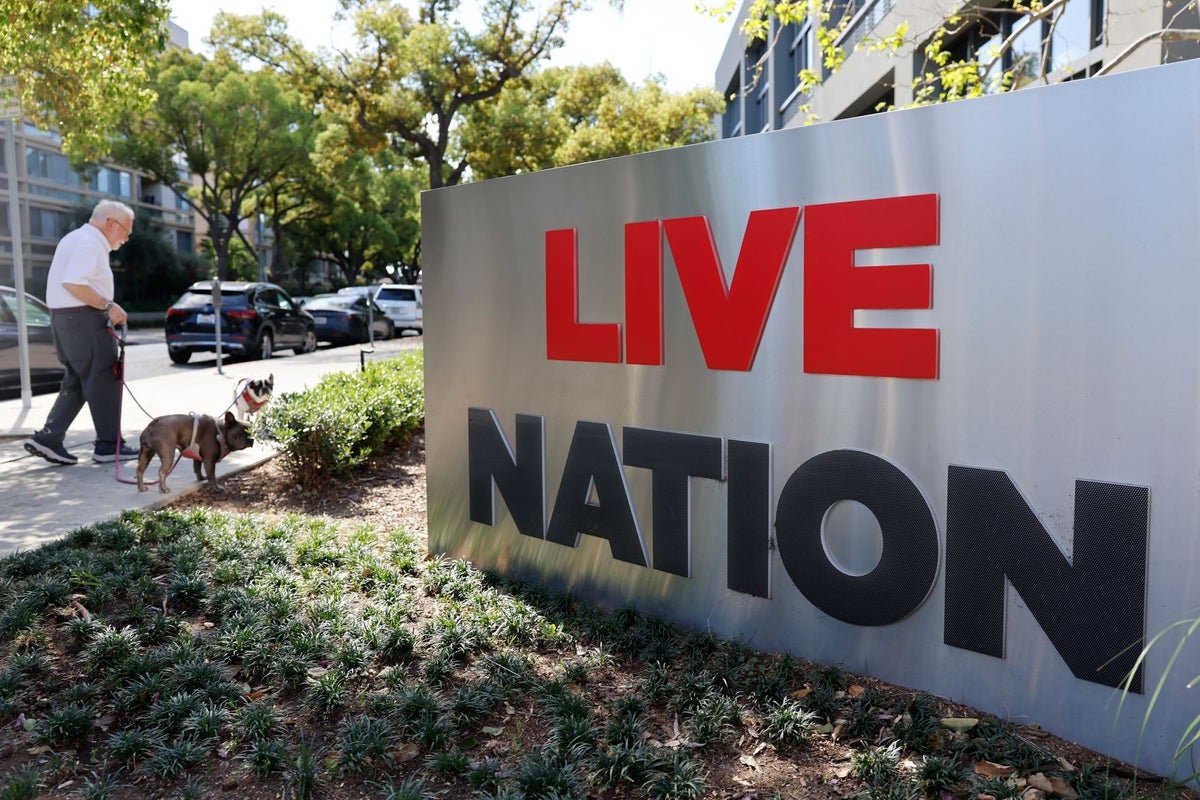
Live Nation Entertainment owns, operates, controls booking for or has an equity interest in hundreds of venues. Its subsidiary Ticketmaster is widely considered to be the world’s largest ticket-seller for live events.
The civil case, initially led by the U.S. federal government, accused Live Nation of using its reach to smother competition — by blocking venues from using multiple ticket sellers, for example.
“It is time to hold them accountable,” Jeffrey Kessler, an attorney for the states, said in a closing argument, calling Live Nation a “monopolistic bully” that drove up prices for ticket buyers.
Live Nation insisted it’s not a monopoly, saying that artists, sports teams and venues decide prices and ticketing practices. A company lawyer insisted its size was simply a function of excellence and effort.
“Success is not against the antitrust laws in the United States,” attorney David Marriott said in his summation.
Ticketmaster was established in 1976 and merged with Live Nation in 2010. The company now controls of 86% of the market for concerts and 73% of the overall market when sports events are included, according to Kessler.
Ticketmaster has long drawn ire from fans and some artists. Grunge rock titans Pearl Jam battled the business in the 1990s, even filing an anti-monopoly complaint with the U.S. Department of Justice, which declined to bring a case then.
Decades later, the Justice Department, joined by dozens of states, brought the current lawsuit during Democratic former President Joe Biden’s administration. Days into the trial, Republican President Donald Trump’s administration announced it was settling its claims against Live Nation.
The deal included a cap on service fees at some amphitheaters, plus some new ticket-selling options for promoters and venues — potentially allowing, but not requiring, them to open doors to Ticketmaster competitors such as SeatGeek or AXS. But the settlement doesn’t force Live Nation to split from Ticketmaster.
A handful of the states joined the settlement. But more than 30 pressed ahead with the trial, saying the federal government hadn’t gotten enough concessions from Live Nation.
The trial brought Live Nation CEO Michael Rapino to the witness stand, where he was questioned about matters including the company’s Taylor Swift ticket debacle in 2022. Rapino blamed a cyberattack.
The proceedings also aired a Live Nation executive’s internal messages declaring some prices “outrageous,” calling customers “so stupid” and boasting that the company “robbing them blind, baby.” The executive, Benjamin Baker, apologetically testified that the messages were “very immature and unacceptable.”