
US Politics
US pulls out of joint military board with Canada prompting angry responses from northern neighbor

Your support helps us to tell the story
From reproductive rights to climate change to Big Tech, The Independent is on the ground when the story is developing. Whether it’s investigating the financials of Elon Musk’s pro-Trump PAC or producing our latest documentary, ‘The A Word’, which shines a light on the American women fighting for reproductive rights, we know how important it is to parse out the facts from the messaging.
At such a critical moment in US history, we need reporters on the ground. Your donation allows us to keep sending journalists to speak to both sides of the story.
The Independent is trusted by Americans across the entire political spectrum. And unlike many other quality news outlets, we choose not to lock Americans out of our reporting and analysis with paywalls. We believe quality journalism should be available to everyone, paid for by those who can afford it.
Your support makes all the difference.
Read more
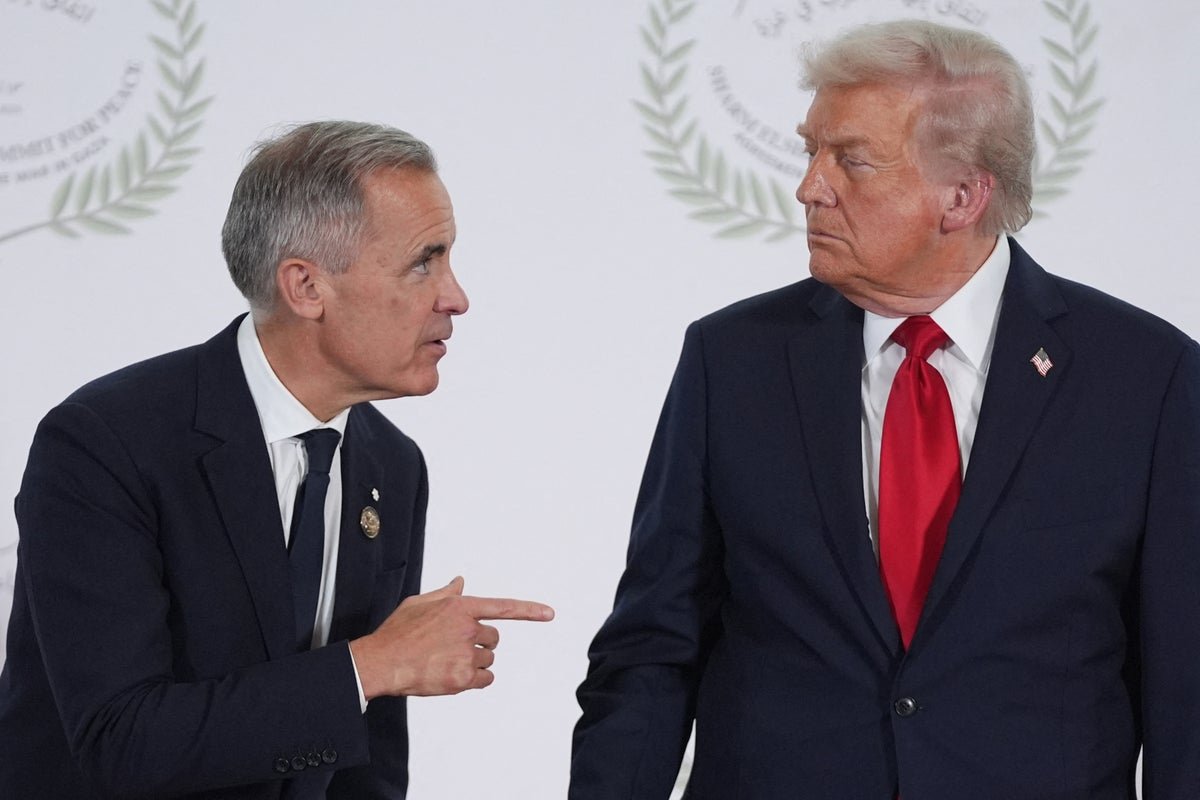
The Pentagon’s decision to pull out of a joint military board with Canada that dates to World War II has prompted angry responses from Ottawa, as tensions continue to simmer between the U.S. and its northern neighbor.
Elbridge Colby, an undersecretary of defense, announced earlier this week that “Canada has failed to make credible progress on its defense commitments” and so the U.S. was “pausing the Permanent Joint Board on Defense to reassess how this forum benefits shared North American defense.”
Military and civilian officials from both countries sit on the board, which typically meets once a year, established in 1940 by President Franklin D. Roosevelt and Prime Minister Mackenzie King. The Pentagon’s decision comes amid tensions between America and Canada, which have soured since Donald Trump returned to office and has repeatedly mocked the country by describing it as “America’s 51st state.”
The president has also long complained that the U.S. shoulders too much of the defense burden of Canada and other NATO countries.
While Canadian Prime Minister Mark Carney minimized the Pentagon’s move, saying he “wouldn’t overplay the importance of this,” former officials and defense experts viewed it as “a warning shot” to Ottawa, The Hill reports.
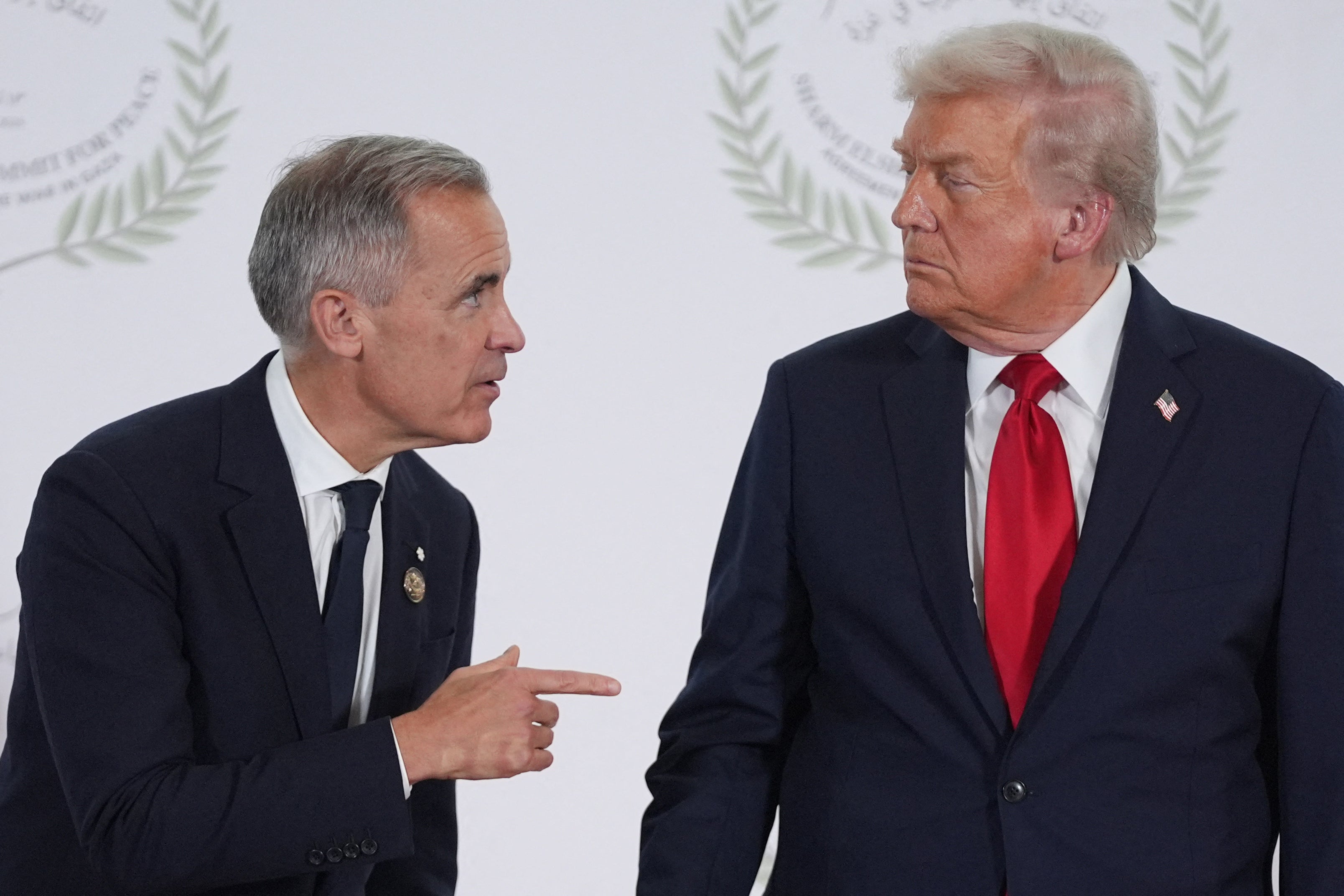
“I think it’s a symbolic blow from a Canadian sense,” David Perry, president of the Canadian Global Affairs Institute, told the outlet. “But I think it’s maybe also a bit of a wake-up call about how we’ve treated some of these unique forums of cooperation — that can’t just treat them as historical artifacts.”
Former Canadian parliament member John McKay, who served as the joint defense board’s co-chair the last time the group met, told CBC News that the decision was “short-sighted.”
“I think it’s foolish, but I’m not surprised,” McKay told the Canadian broadcaster.
Erin O’Toole, a former Canadian minister of Veterans Affairs, questioned the timing of the decision in a post on X.
“This is profoundly misguided and quite strange coming right after the President’s visit to China,” O’Toole wrote. “Canada has been and will be an ally that shares values of liberty. As a Canadian whose grandfather deployed to Alaska for joint defence in WWII, I hope we don’t lose sight of that.”
Canada has increased its military presence in the Arctic partly in response to Trump’s threats to acquire the Danish territory of Greenland.
Andrea Charron of the Center for Defence and Security Studies at the University of Manitoba in Winnipeg told The Hill that the U.S. cannot afford to push Canada away.
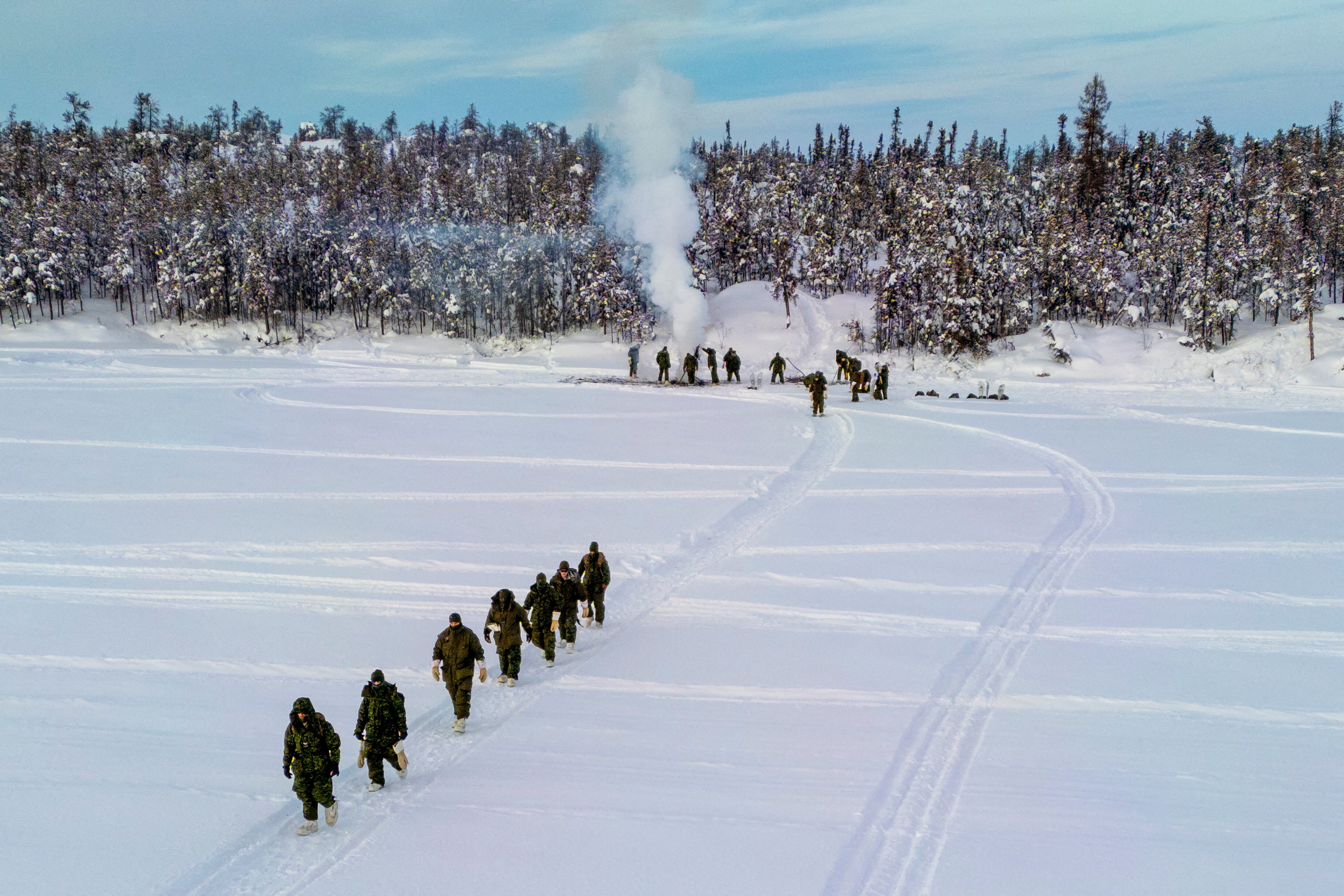
“We are the second-largest country in the world, and our radar systems and satellite systems give the U.S. advance warning, which they desperately need in an Arctic context, because it’s the fastest avenue of attack,” Charron told the outlet.
Republican Rep. Don Bacon of Nebraska also criticized the Pentagon’s decision. “Cooler & wiser brains are needed to preserve a close alliance w/ our neighbor,” Bacon, who is not running for reelection, said in a post on X.
“This all started w/ taunts of ‘Canada will be the 51st state’ & ‘their Prime Minister will be the 51st governor,’” said Bacon. “The insults gained us nothing but animosity that cost us economically & now militarily.”
NATO countries, including Canada, pledged last year to spend 5 percent of their gross domestic product on defense by 2035.
Carney said last year the Canadian government would meet the previous 2 percent target for this year.
The Associated Press contributed to this report