US Politics
Donald Trump urges UK, France and China to send warships to keep Strait of Hormuz open after Iran attacks

Your support helps us to tell the story
From reproductive rights to climate change to Big Tech, The Independent is on the ground when the story is developing. Whether it’s investigating the financials of Elon Musk’s pro-Trump PAC or producing our latest documentary, ‘The A Word’, which shines a light on the American women fighting for reproductive rights, we know how important it is to parse out the facts from the messaging.
At such a critical moment in US history, we need reporters on the ground. Your donation allows us to keep sending journalists to speak to both sides of the story.
The Independent is trusted by Americans across the entire political spectrum. And unlike many other quality news outlets, we choose not to lock Americans out of our reporting and analysis with paywalls. We believe quality journalism should be available to everyone, paid for by those who can afford it.
Your support makes all the difference.
Read more
Donald Trump has pleaded for the UK and its allies to send warships to the embattled Strait of Hormuz in an effort to break Iran’s blockade of the key oil shipping route.
Piling pressure on Sir Keir Starmer to deepen his involvement in the escalating conflict, the US president urged Britain and other nations – including France, China and Japan – to send warships to the area to protect oil tankers from Iranian attacks.
The narrow waterway has been gripped by conflict after the Islamic Revolutionary Guard Corps said it had taken “complete control” of the passage, through which a fifth of the world’s oil passes. It is now effectively closed, stemming the flow of oil out of the Middle East, grinding trade in the region to a halt and pushing up energy prices across the globe.
The UK government said it was discussing a “range of options to ensure the security of shipping in the region”.
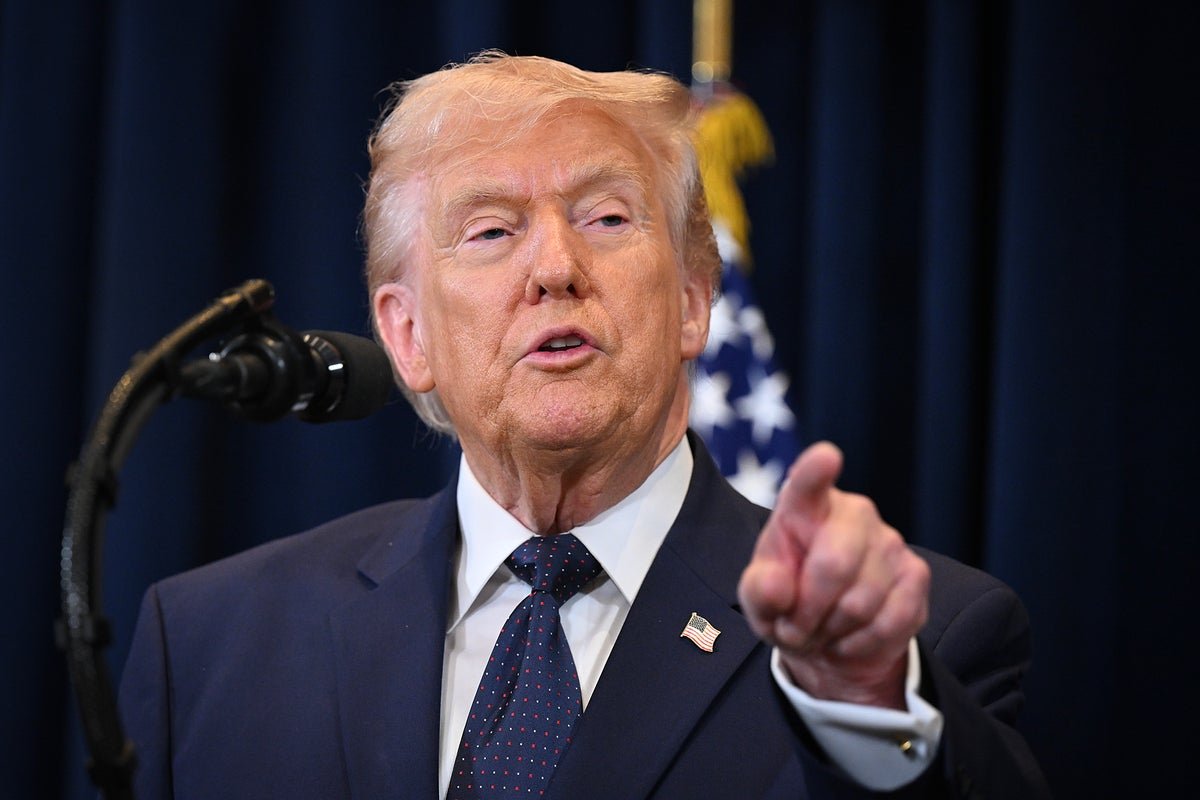
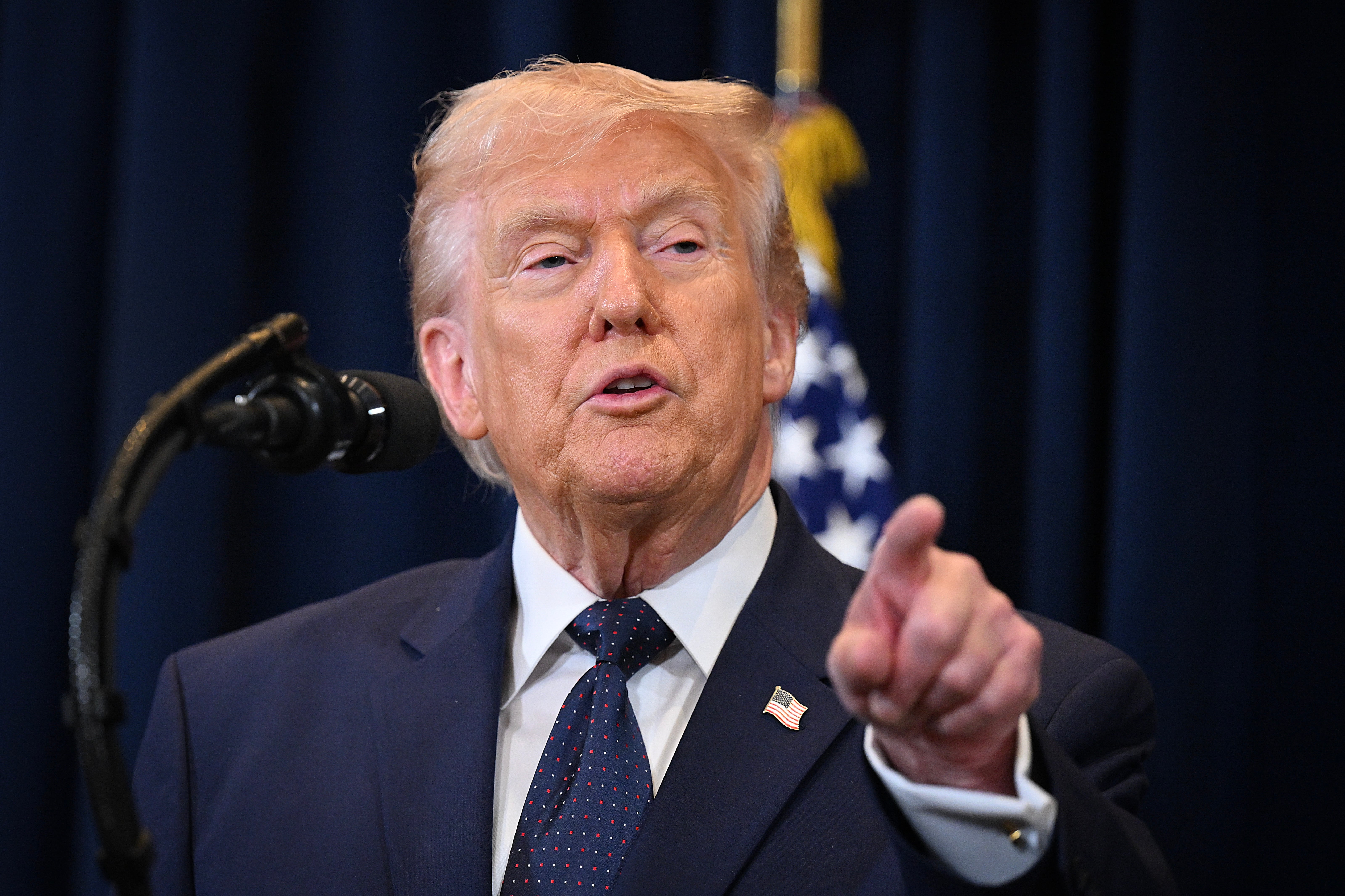
In a post on his Truth Social website, Mr Trump said: “Many countries, especially those who are affected by Iran’s attempted closure of the Hormuz Strait, will be sending warships, in conjunction with the United States of America, to keep the strait open and safe.
open image in gallery
“We have already destroyed 100 per cent of Iran’s military capability, but it’s easy for them to send a drone or two, drop a mine, or deliver a close-range missile somewhere along, or in, this waterway, no matter how badly defeated they are.”
In what appeared to be an appeal to the UK and other nations, he added: “Hopefully China, France, Japan, South Korea, the UK, and others, that are affected by this artificial constraint will send ships to the area so that the Hormuz Strait will no longer be a threat by a nation that has been totally decapitated.”
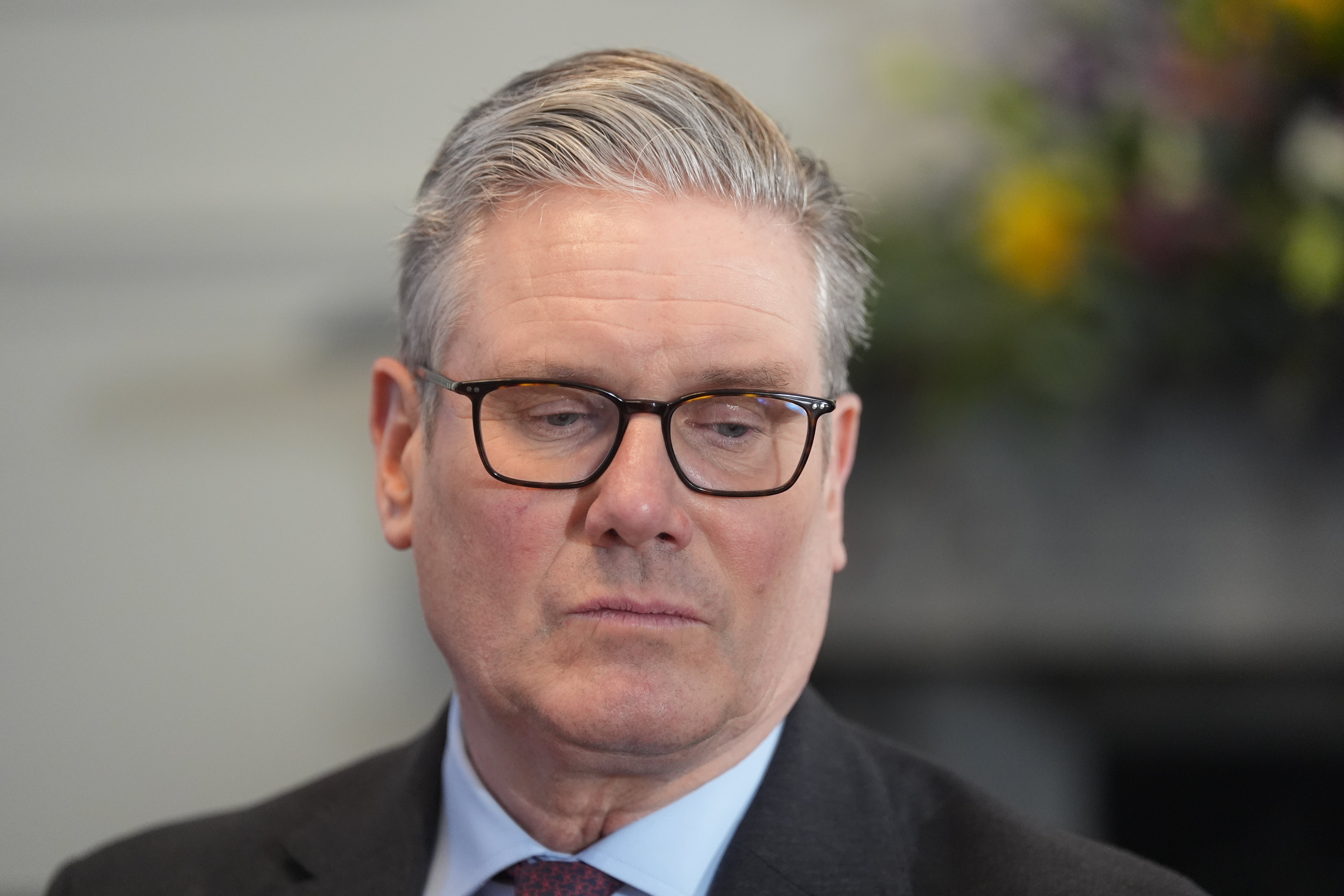
Mr Trump struck a markedly different tone from when, earlier this month, he accused Sir Keir of joining the conflict after the US had already claimed victory, suggesting the US no longer needed UK assistance.
“The United Kingdom, our once Great Ally, maybe the Greatest of them all, is finally giving serious thought to sending two aircraft carriers to the Middle East,” Mr Trump wrote earlier in March. “That’s OK, Prime Minister Starmer, we don’t need them any longer – But we will remember. We don’t need people that join Wars after we’ve already won!”
The relationship between Mr Trump and Sir Keir has become increasingly fractious in recent months, a breakdown which began over US opposition to the UK’s deal to hand the Chagos Islands to Mauritius and the president’s threats to annex Greenland, but has only escalated since the outbreak of war with Iran.
open image in gallery
At the start of the conflict, Mr Trump criticised the prime minister after he initially declined permission for the US to use UK bases to target Iran’s missile launchers.
While the prime minister later allowed the use of joint UK-US bases for defensive strikes, Mr Trump nonetheless lambasted his relationship with Britain under Sir Keir, saying he is “very sad” to see it is “obviously not what it was”.
The rift deepened this week, when the prime minister confirmed that Britain won’t be following the US in lifting sanctions on Russian oil, saying the move risks helping Vladimir Putin’s “war machine”.
No 10 instead urged its international allies to maintain pressure on Moscow, and to avoid inadvertently funding Putin’s war in Ukraine by purchasing Russian oil.
In his latest post, Mr Trump vowed to continue “bombing the hell out of the shoreline” of the country until the shipping lane was reopened, adding that the US would be “continually shooting Iranian boats and ships out of the water”.
open image in gallery
He added: “One way or the other, we will soon get the Hormuz Strait OPEN, SAFE, and FREE!”
Some 3,000 ships usually sail through the Strait of Hormuz each month. But numerous vessels have come under fire as they attempted to pass through since the start of the conflict.
Motjaba Khamenei, Iran’s new supreme leader, vowed to keep blocking it as a means of pressuring the US in his first public statement this week.
Mr Trump’s comments came on another dramatic day in the Middle East conflict, which began two weeks ago when the US and Israel launched strikes on Iran.
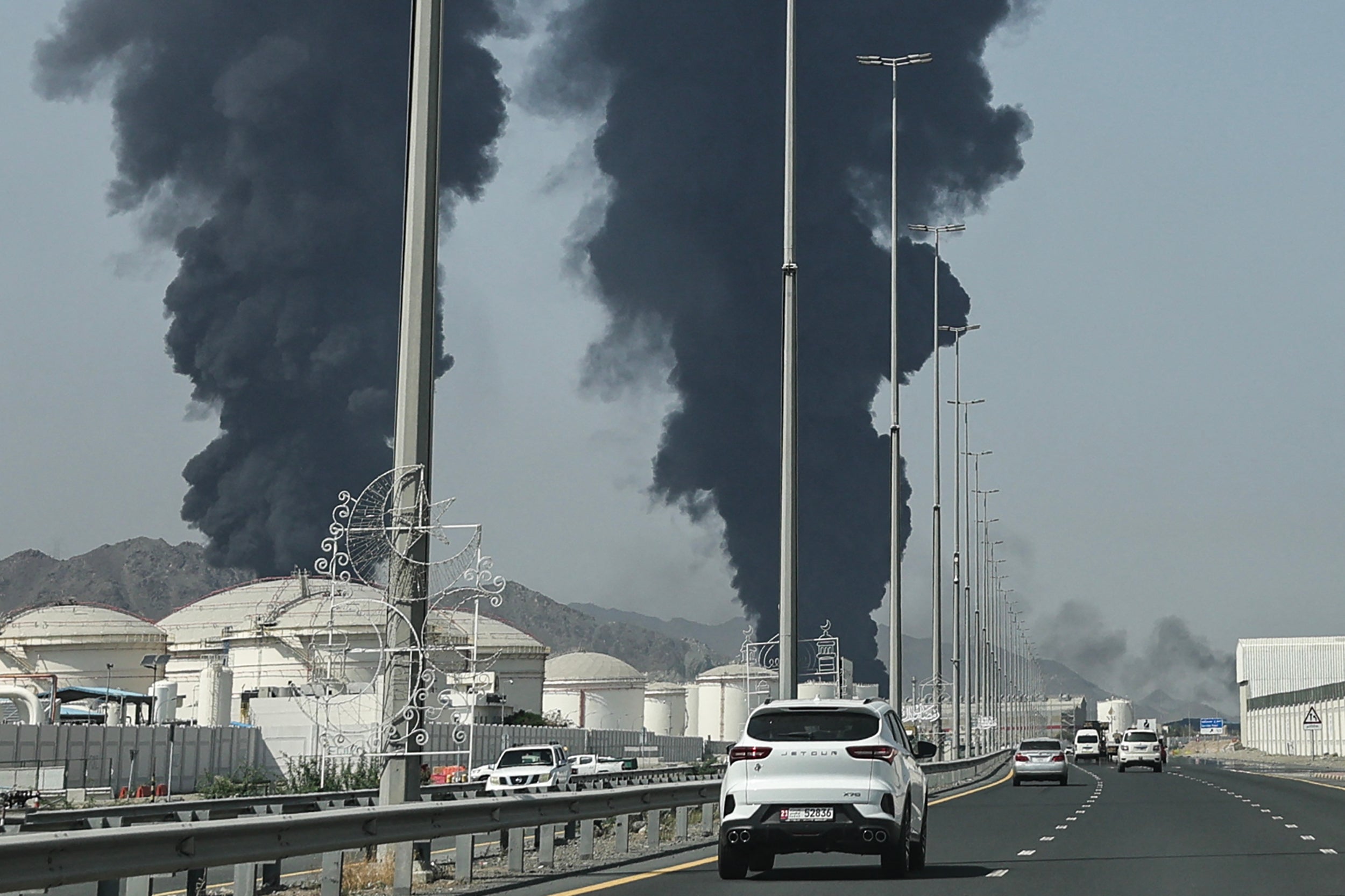
Earlier on Saturday, a fire broke out at the Fujairah port in the UAE, which had been targeted in an Iranian drone strike, forcing the facility to suspend part of its operations. It is one of the Middle East’s largest oil storage hubs, heightening concerns over already-surging oil prices.
The Fujairah media office said the blaze was sparked by debris from a drone intercepted by air defences and that no injuries were reported.
open image in gallery
Shortly after, Tehran warned residents living near three UAE ports – Jebel Ali in Dubai, Khalifa in Abu Dhabi and the Fujairah port – to evacuate the areas, according to Iranian state media. The residents were told that the ports were being used by the US military and “may be targeted in the coming hours”. Jebel Ali is the busiest port in the Middle East.
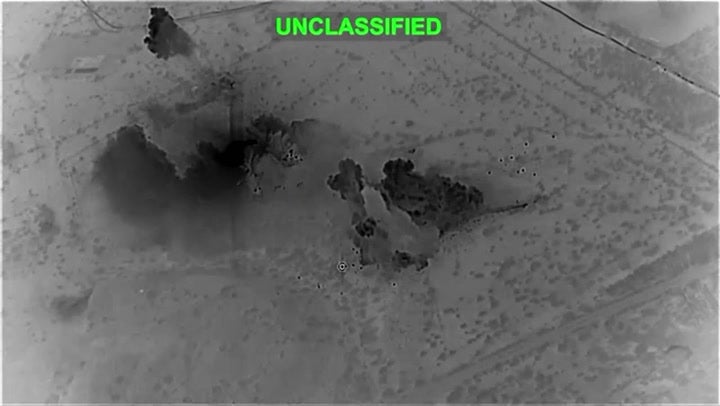
Iranian forces had threatened to expand strikes to US allies in the region after the US hit the country’s crucial Kharg Island overnight. The island accounts for about 90 per cent of Iran’s oil exports.
Mr Trump claimed the US had “totally obliterated every military target in Iran’s crown jewel” and called the operation “one of the most powerful bombing raids in the history of the Middle East”.
Iran’s military responded and warned that any attack on its oil and energy infrastructure would prompt strikes on facilities owned by oil companies in the region cooperating with the US, Iranian media reported.
open image in gallery
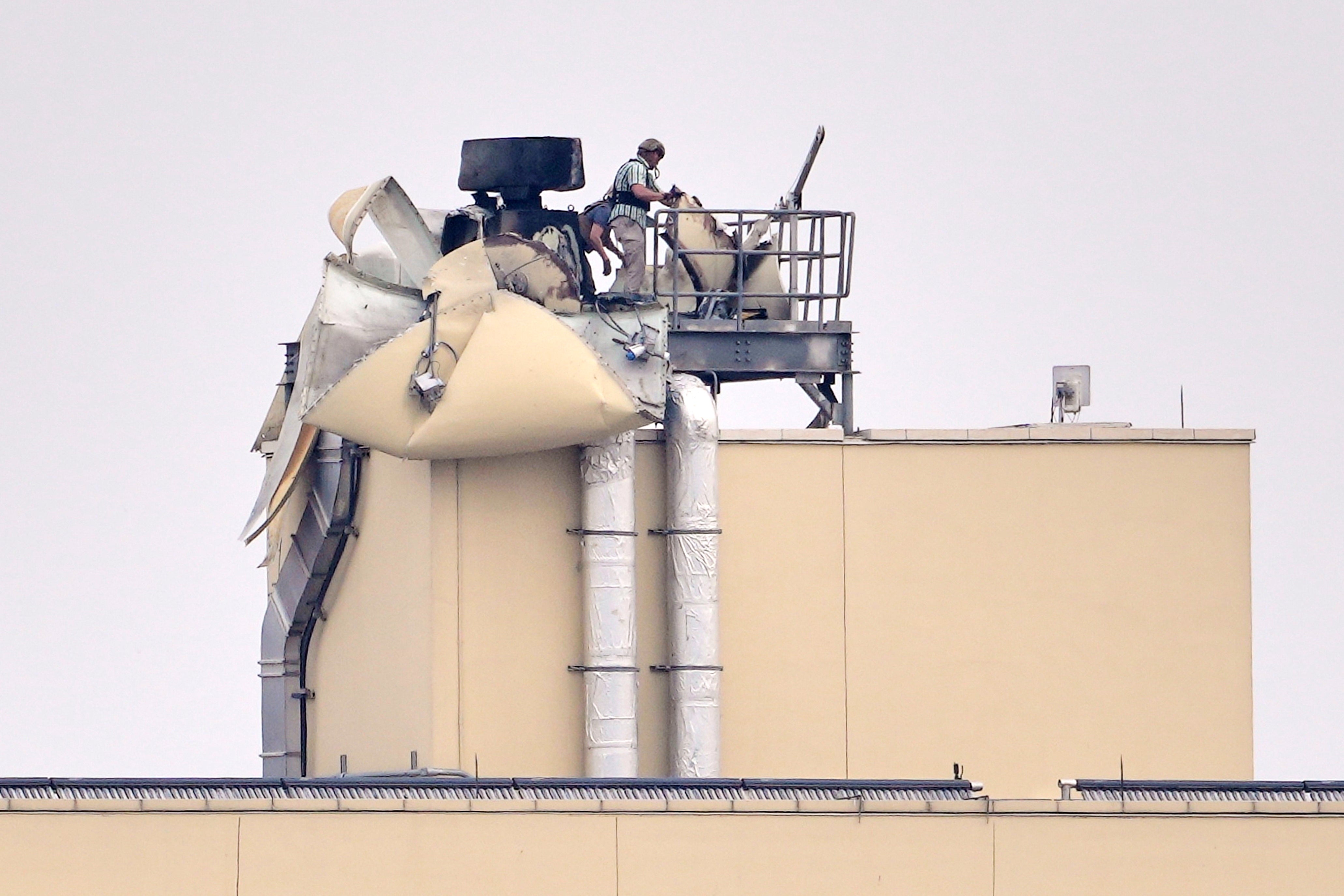
The US embassy in Baghdad was also struck by a missile in the aftermath of the attack on Kharg Island, according to Iraqi security officials.
Plumes of black smoke were seen rising above the building after the attack hit a helipad in the compound on Saturday. Drones are reported to have struck the building. Three Iran-backed fighters were also killed in strikes on Baghdad, according to reports.
It comes as the US deploys thousands of troops and more warships to the Middle East as Iran steps up its fight in the Strait of Hormuz.
An MoD spokesperson said: “As we’ve said previously, we are currently discussing with our allies and partners a range of options to ensure the security of shipping in the region.”