
Economy
CPI inflation report: October 2026

Costs for goods and services rose more than expected in October, providing fresh warning signs for the Federal Reserve in its fight to lower inflation.
The consumer price index, a broad gauge of costs across the U.S. economy, increased a seasonally adjusted 0.4% for the month, the Bureau of Labor Statistics reported Tuesday. Economists surveyed by Dow Jones had been looking for a 0.3% increase.
Stripping out volatile food and energy, so-called core CPI increased 0.3% against the forecast for a 0.2% gain.
Headline CPI had increased 0.6% in September while core was up 0.3%.
The BLS did not estimate a yearly rate. The government shutdown last year prevented the bureau from collecting sufficient data in October 2025, so there is no comparable figure to use. However, the report did include annual figures for some individual items where it was able to collect data.
Stock market futures drifted lower following the release while Treasury yields jumped. Traders fully priced in a quarter-percentage-point increase when the Fed next meets Dec. 8-9 and put odds at a half-point at 13.6%, according to the CME Group’s FedWatch.
“This was the report the market could least afford to see,” said Karen Manna, fixed income investment strategist at Federated Hermes “A hotter inflation print raises fresh questions about whether the Fed has done enough to contain price pressures and reinforces the risk that interest rates need to move higher and stay there for longer.”
The report comes at a critical juncture for the Federal Reserve as it considers its next move regarding interest rates. At its October meeting, central bank officials voted 10-2 to keep their benchmark rate in a range between 3.75%-4% while awaiting incoming data.
Though gasoline prices have been falling in recent weeks, the energy index rose 0.7% and the gasoline index was up 1%. The natural gas index, though, was off 0.8%.
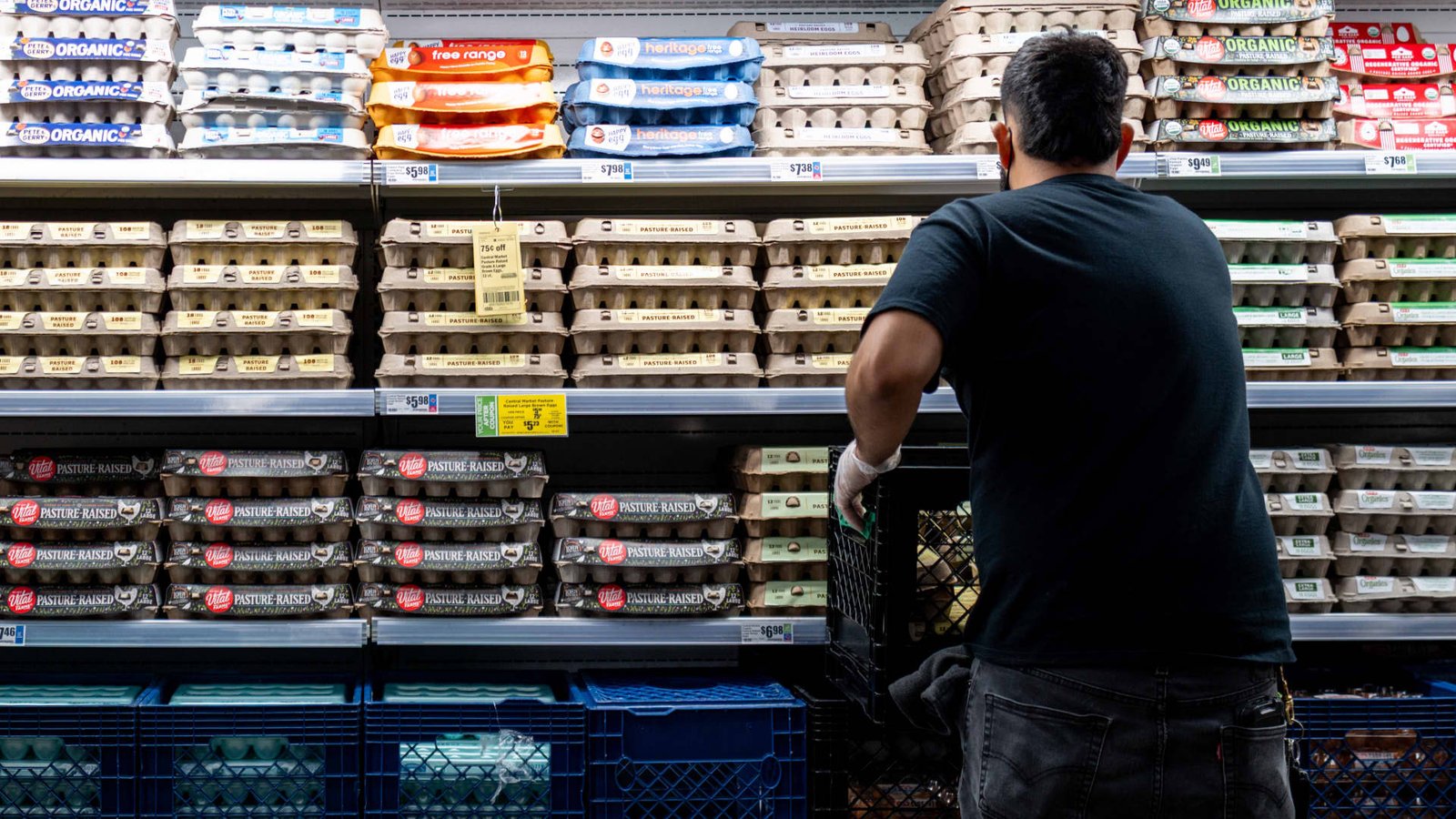
Food costs accelerated 0.5%, pushed higher by increases of 1% for snacks, 0.9% for beef and 0.5% for meats, poultry, fish and eggs. Transportation services jumped 0.8%. New vehicle prices increased 0.2% but used cars and trucks fell 1.2%.
Shelter costs were higher by 0.3%, which the BLS said accounted for more than 30% of the headline increase.
Apparel, a tariff-sensitive sector, rose just 0.1% though medical care commodities prices increased 0.5%. Airline fares accelerated 0.4%.
This is breaking news. Please refresh for updates.