US Politics
Advocacy group sues Trump administration over near-ban on abortions for veterans

Your support helps us to tell the story
From reproductive rights to climate change to Big Tech, The Independent is on the ground when the story is developing. Whether it’s investigating the financials of Elon Musk’s pro-Trump PAC or producing our latest documentary, ‘The A Word’, which shines a light on the American women fighting for reproductive rights, we know how important it is to parse out the facts from the messaging.
At such a critical moment in US history, we need reporters on the ground. Your donation allows us to keep sending journalists to speak to both sides of the story.
The Independent is trusted by Americans across the entire political spectrum. And unlike many other quality news outlets, we choose not to lock Americans out of our reporting and analysis with paywalls. We believe quality journalism should be available to everyone, paid for by those who can afford it.
Your support makes all the difference.
Read more
An advocacy group has launched a legal challenge against the Trump administration, disputing its reinstatement of a near-ban on abortions for veterans and their families relying on U.S. Department of Veterans Affairs healthcare.
The federal lawsuit filed Thursday asserts a Department of Veterans Affairs (VA) rule, finalized December 31, removes limited abortion access deemed “crucial for the health, autonomy, and equality of veterans and their family members.”
Attorneys for Minority Veterans of America are urging the U.S. Court of Appeals for the Federal Circuit to throw out a VA rule, arguing it was adopted without medical evidence or justification, violating the Administrative Procedures Act.
The VA only began covering abortion in 2022, a policy added by President Joe Biden’s administration months after the Supreme Court overturned Roe v. Wade and state bans took effect.
Abortion access the VA provided under Biden was limited, applying only in cases when a pregnant woman’s life or health was at risk, or in cases of rape or incest.
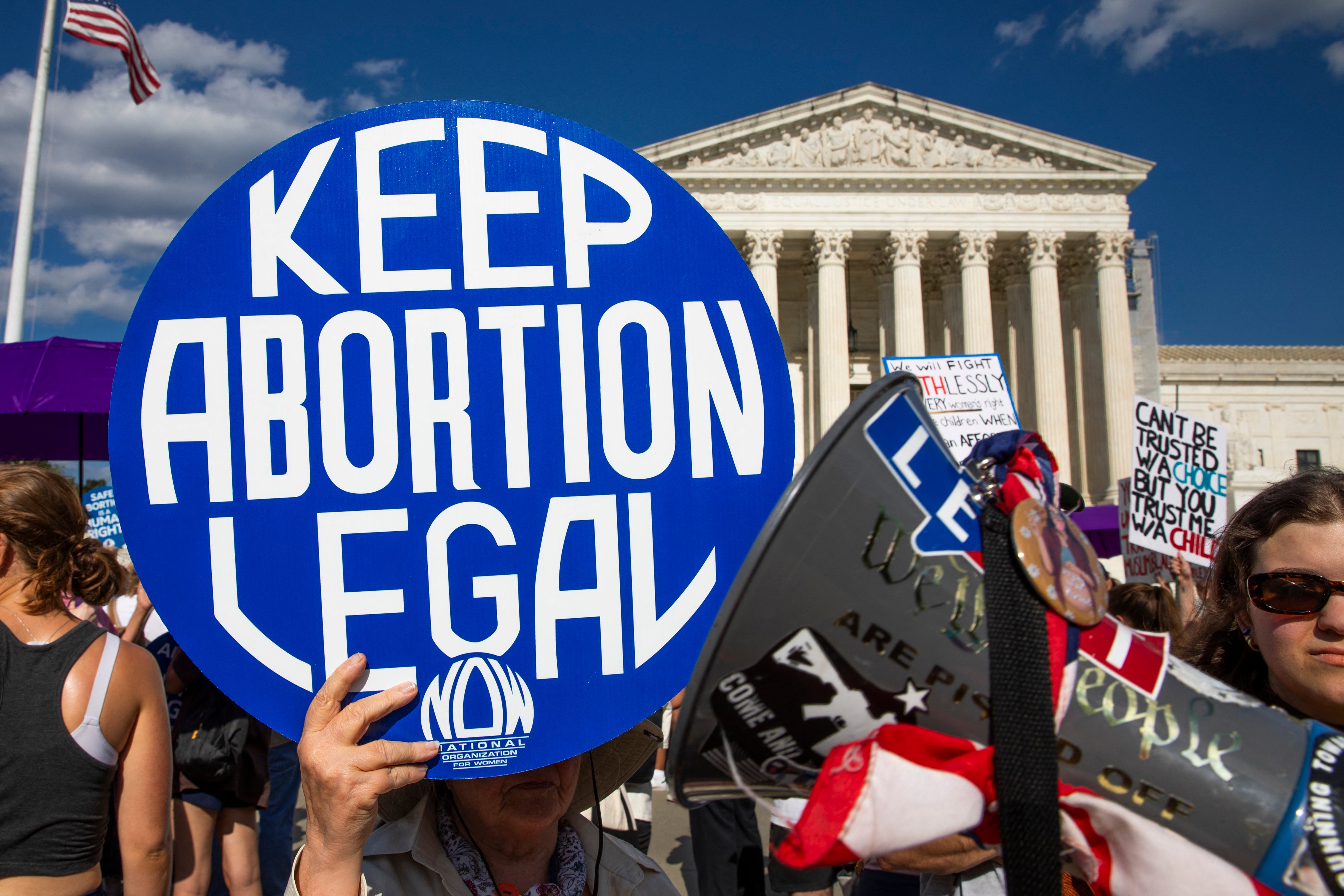
The Biden change allowed the VA to provide abortion even in states where it was banned. And it brought the VA’s coverage into line with other federal healthcare plans — including Medicaid and TriCare coverage for active military members and their families — that allowed limited abortion access.
The VA announced its proposal to undo those changes last August, a few months after President Donald Trump returned to the White House.
The VA had said it will still provide abortions in cases where a pregnant woman’s life is threatened. That’s something state laws allow, even in places where bans are in place.
However, the VA no longer allows exceptions for abortions in cases of rape, incest or to protect a pregnant woman’s health. Abortion counseling is also no longer allowed.
A VA spokesperson declined comment, noting the agency typically doesn’t comment on pending litigation.
Minority Veterans of America says it represents more than 3,600 members across the U.S.
“Our community includes veterans with complex medical histories, those who have experienced pregnancy complications, and survivors of sexual violence and trauma, all of whom need access to abortion care and counseling to protect their health,” Lindsay Church, the group’s executive director, said in a statement.
In publishing its final rule in December, the VA said it was restoring the agency’s longstanding position that abortions were not “needed” under federal law and that “this determination did not prohibit providing life-saving care to pregnant veterans.”
The lawsuit says one of Minority Veteran of America’s members is a military veteran who just learned she was pregnant in early May. She suffers from chronic pain that has been exacerbated by the pregnancy, placing her health “at substantial risk,” says the lawsuit, which withheld the woman’s name to protect her privacy.
The lawsuit says the VA won’t allow the unnamed veteran to receive an abortion “even if her health is at risk, unless a provider determines an abortion is necessary to save her life.”