
President
Bribery plot led to DEA supervisor’s arrest in Dominican Republic

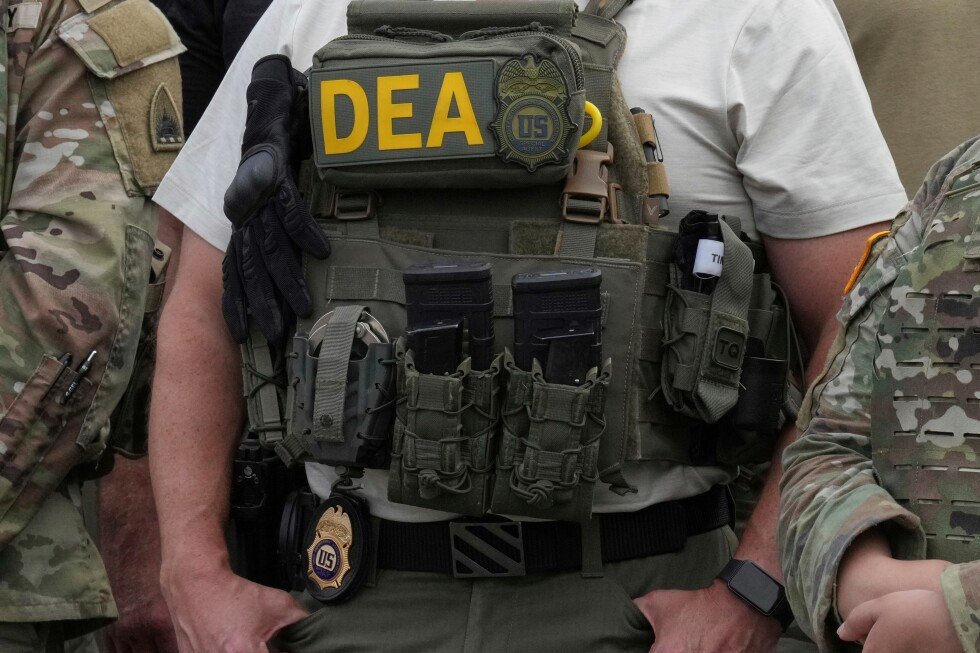
MIAMI (AP) — The scheme began, investigators say, with a hushed message passed along by a music promoter in the Caribbean: Instead of the usual years-long wait to apply for permission to enter the United States, a visa appointment at the U.S. Embassy in the Dominican Republic could be had in as little as two weeks. All it took was $10,000 in cash — and a trusted contact inside the U.S. Drug Enforcement Administration.
According to a criminal complaint unsealed Wednesday, that DEA contact was Meliton Cordero, a supervisor for the anti-narcotics agency assigned to the Dominican Republic for the past five years. Prosecutors say Cordero leveraged his position inside the U.S. Embassy to push visa applications forward, claiming applicants were valuable law-enforcement sources — even when he had never met them.
In total, the longtime agent submitted or approved nearly 120 visa referrals during his posting — an extraordinarily high number, consular officials told investigators.
Cordero’s arrest last week in Washington as part of the ongoing investigation prompted the Trump administration to abruptly shutter the DEA’s office in the Caribbean nation over what it said was a “disgusting and disgraceful violation of public trust.”
The DEA has not commented on the specific allegations but has said it is cooperating with investigators. After The Associated Press broke the news of Cordero’s arrest last week, DEA Administrator Terry Cole sent out a message reassuring the agency’s staff that the closure would be temporary and that he would safeguard the reputation of the agency whose overwhelming majority of agents serve with honor every day.
“Misuse of public office for personal benefit will not be tolerated,” Cole wrote in the message, a copy of which was obtained by the AP. “Conduct that calls our integrity into question undermines the trust that makes our mission possible. We will act decisively to protect that trust.”
Jeanine Pirro, the U.S. attorney for the District of Columbia, released a video Friday accusing Cordero of subverting the White House’s immigration agenda and suggested some of the individuals he helped may not even be eligible for entry into the U.S.
“When you sell out our country, and when you do it with a badge, you need to remember that we are going to find you and don’t think that if you’re outside the continental United States that we’re not going to know what you’re doing,” she said.
Calls to Cordero and an email to a public defender who represented him at his initial appearance last week were not returned. He was released on a personal recognizance bond and is scheduled to next appear in court on March 6.
How investigators developed a sting
According to the complaint, which charges Cordero with bribery and visa fraud, Homeland Security Investigations agents first caught wind of the agent’s alleged misconduct through a former embassy employee who worked in a visa consulting business. In 2024, the former embassy employee was approached by a local music promoter, who provided Cordero’s email address, boasting that the “connection” inside the embassy could reduce wait times for a visa appointment to as little as two weeks. The price for jumping the line: $10,000, the bulk to be paid after the consular interview.
The music promoter is not identified by name in the complaint and is described only as a “known promoter and talent agent of music in the Dominican Republic” who had worked legitimately with the former embassy employee in the past to secure visas for several clients.
In December, investigators developed a sting relying on a a second confidential source who filed a visa application and waited. Screenshots of messages over WhatsApp show the promoter forwarded a passport photo to a contact saved as “Milito Clara” and bearing a number investigators say was tied to Cordero’s embassy phone.
According to the complaint, when Cordero returned to the island after Christmas break, he submitted an official visa referral under another DEA agent’s name, describing the applicant as a “valued contact” who assisted U.S. drug-trafficking investigations — claims the source told investigators were completely fabricated. Days later, Cordero instructed the applicant to commit to a fake backstory about how they had met at a club and he was sometimes paid $400 in tips for sharing information with the DEA.
On Jan. 27, the undercover source, working at the direction of law enforcement, was told to bring the remaining $7,000 to the parking lot of a supermarket in Santo Domingo. Surveillance teams watched as a black Toyota Prado pulled in. The source climbed into the passenger seat with a red shopping bag full of bills. Moments later, he stepped out with his passport, now containing a freshly issued U.S. visa.
Cordero never exited the SUV, according to the affidavit signed by HSI investigator Robert Tansey, but embassy security cameras captured him leaving the compound in the same Toyota Prado just before the meeting. The source later identified Cordero in a photo lineup.
—
Mustian reported from New Orleans.