
AI / Tech
Jensen Huang’s affair with alleged Chinese spy puts Nvidia’s China ambitions under scrutiny

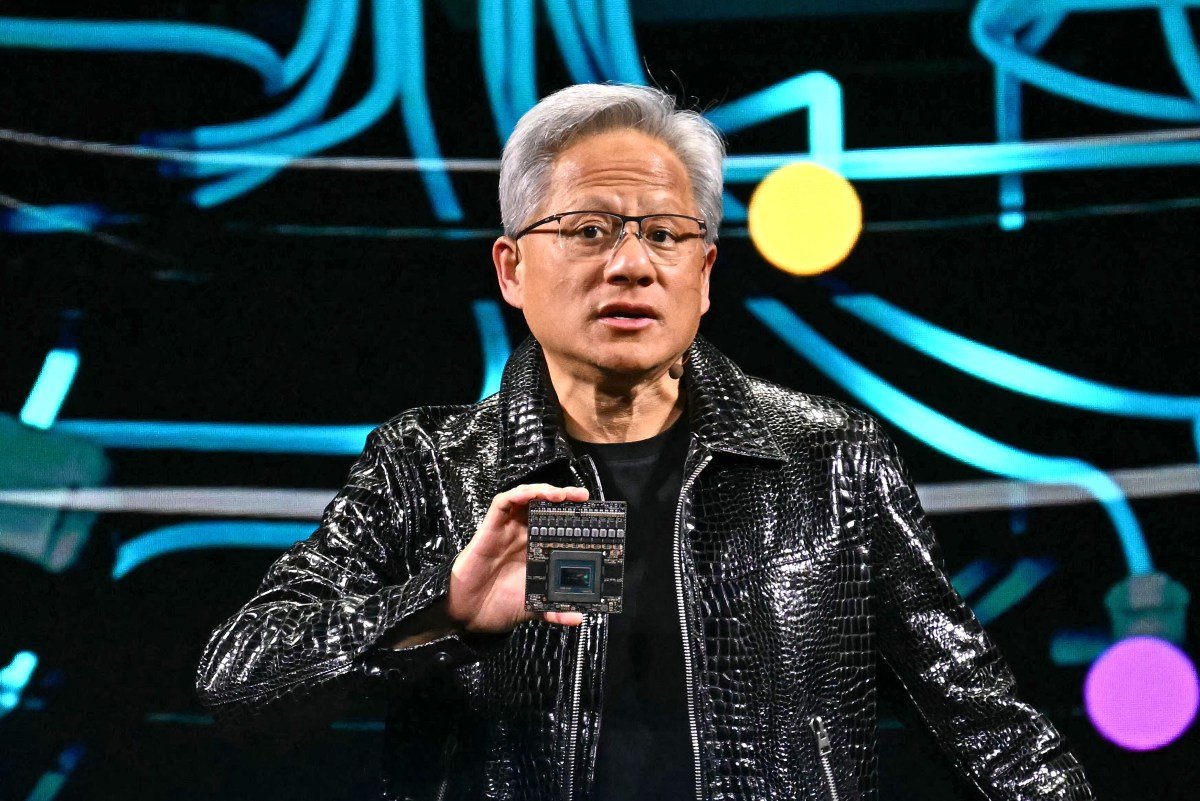
Nvidia CEO Jensen Huang has never been quiet about his belief that the U.S. should continue selling AI chips to China, rather than shutting the country off from the technology. The revelation that he had an affair with an alleged Chinese spy threatens to complicate that argument.
The Financial Times reported Friday on the relationship with Alice Huang, a former executive at Megaspeed, an Nvidia customer. Jensen Huang admitted to the affair and apologized in a memo to the company on Sunday. U.S. intelligence officials believe Alice Huang was recruited by Chinese intelligence to gather information about the CEO and influence the company’s efforts to loosen chip export restrictions.
Nvidia’s independent directors, working with outside legal counsel, are investigating the matter, and Congress is already demanding answers.
The controversy comes at a sensitive moment for Nvidia. Historically, China has been a big market for the company. It has shrunk in recent years due to strict U.S. export controls and an aggressive push by Beijing for domestic alternatives. In the three months ended July 26, Nvidia recorded $7.9 billion in revenue from customers headquartered in China, roughly 8% of total revenue.
Huang has repeatedly lobbied the U.S. government to expand access to China, and some of his persuasion tactics have been successful. Huang met repeatedly with President Donald Trump and administration officials last year; afterward, the government reversed restrictions on Nvidia’s H20 chips and allowed exports of its more powerful H200 processors.
On numerous occasions, Huang has publicly lamented export controls, calling them a “failure” at a conference last year and saying in May that it was “not wise” for the U.S. and China to create two distinct AI ecosystems. He has also warned that shutting Nvidia out of China’s compute market would enable the country to develop its own AI chips to challenge Nvidia internationally.
China is already moving in that direction. Reuters reported last week that about 600,000 H200 chips are being held in Hong Kong, awaiting shipment to mainland China. Beijing is pushing AI companies to prioritize buying chips from Chinese companies instead.
The idea that Huang needed any encouragement in the form of an attractive woman to push for greater access to China seems like a stretch, particularly because his lobbying efforts predate their reported meeting at an Nvidia event in early 2024. At the end of the day, Huang is a salesman trying to dominate one of the world’s biggest AI markets.
Still, the allegations involving Alice Huang open new scrutiny of the company’s business relationships and could taint any assurances Nvidia offers that it can prevent sensitive technology from reaching unauthorized customers.
Once made, rumors of questionable allegiances can be hard to shake. Secretary of State Marco Rubio reportedly warned officials close to Trump earlier this year about Huang’s relationship with an alleged spy. Even if Nvidia’s investigation finds that Huang didn’t share secrets with his paramour, the question is whether he’ll be able to convince Washington that Nvidia can still responsibly do business with China.
Nvidia did not respond to a request for comment.
When you purchase through links in our articles, we may earn a small commission. This doesn’t affect our editorial independence.