US Politics
YouTube agrees to pay $24.5M to settle Trump lawsuit filed after his January 6 insurrection suspension

Your support helps us to tell the story
From reproductive rights to climate change to Big Tech, The Independent is on the ground when the story is developing. Whether it’s investigating the financials of Elon Musk’s pro-Trump PAC or producing our latest documentary, ‘The A Word’, which shines a light on the American women fighting for reproductive rights, we know how important it is to parse out the facts from the messaging.
At such a critical moment in US history, we need reporters on the ground. Your donation allows us to keep sending journalists to speak to both sides of the story.
The Independent is trusted by Americans across the entire political spectrum. And unlike many other quality news outlets, we choose not to lock Americans out of our reporting and analysis with paywalls. We believe quality journalism should be available to everyone, paid for by those who can afford it.
Your support makes all the difference.
Read more
YouTube has agreed to pay $24.5 million to settle a lawsuit from President Donald Trump, over his suspension from the platform after the January 6 riot, becoming the final Big Tech company to bend the knee.
In court papers filed Monday, the Google-owned online video giant said it would give $22 million to Trump’s White House ballroom fund and $2.5m to his other co-plaintiffs in exchange for dropping all claims.
That made Google the latest in a long line of corporations controversially settling lawsuits with the president instead of trying to fight, with payouts so far reportedly totaling more than $80m.
Meta, the parent company of Facebook and Instagram, and X, the social network formerly known as Twitter, had already settled similar lawsuits earlier this year, even though both companies and YouTube had already restored Trump’s accounts years earlier.
CBS News owner Paramount also agreed to pay Trump $16m to settle a libel lawsuit in July, leading Democrats to accuse the company of “bribery in plain sight”, while ABC News settled a similar case in December.
“If he had not been re-elected, we would have been in court for 1,000 years. It was his re-election that made the difference,” John P. Coale, one of the lawyers handling the suit against YouTube, told The Wall Street Journal.
open image in gallery
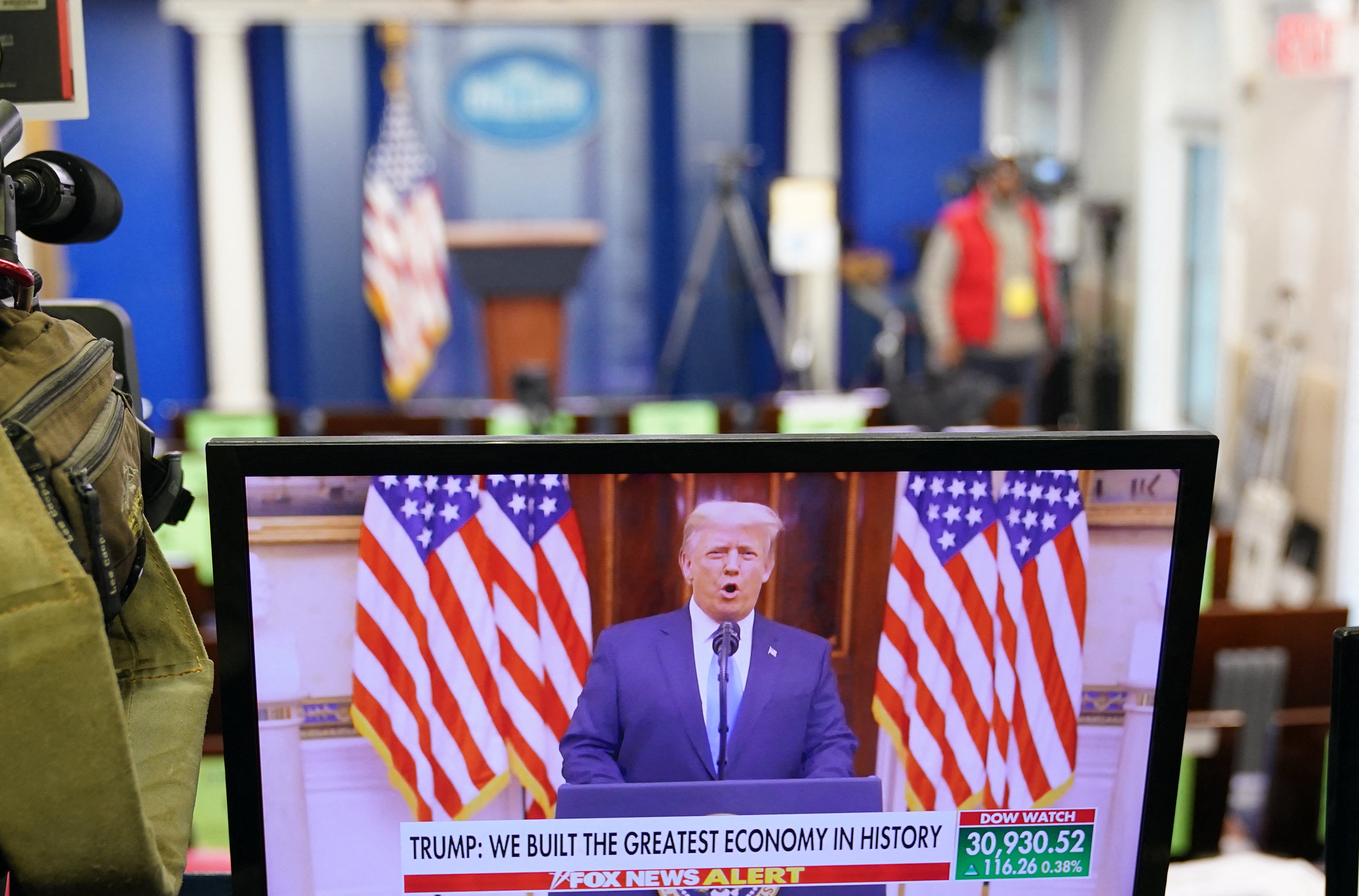
YouTube was among numerous tech platforms to ban Donald Trump in the aftermath of January 6, when far-right militia groups and crowds of rioters attempted to overthrow his election defeat by storming the U.S. Capitol.
Trump soon filed lawsuits against YouTube, Meta, and (then) Twitter, alleging their suspensions had violated his free speech rights. Other de-platformed people and groups climbed on board, including the American Conservative Union and feminist writer turned anti-vaxxer Naomi Wolf.
The first judge rejected Trump’s claims and appeals judges also seemed skeptical. Many legal experts thought the cases were doomed, arguing that tech companies also had First Amendment rights and were entitled to regulate their own platforms as they saw fit.
open image in gallery
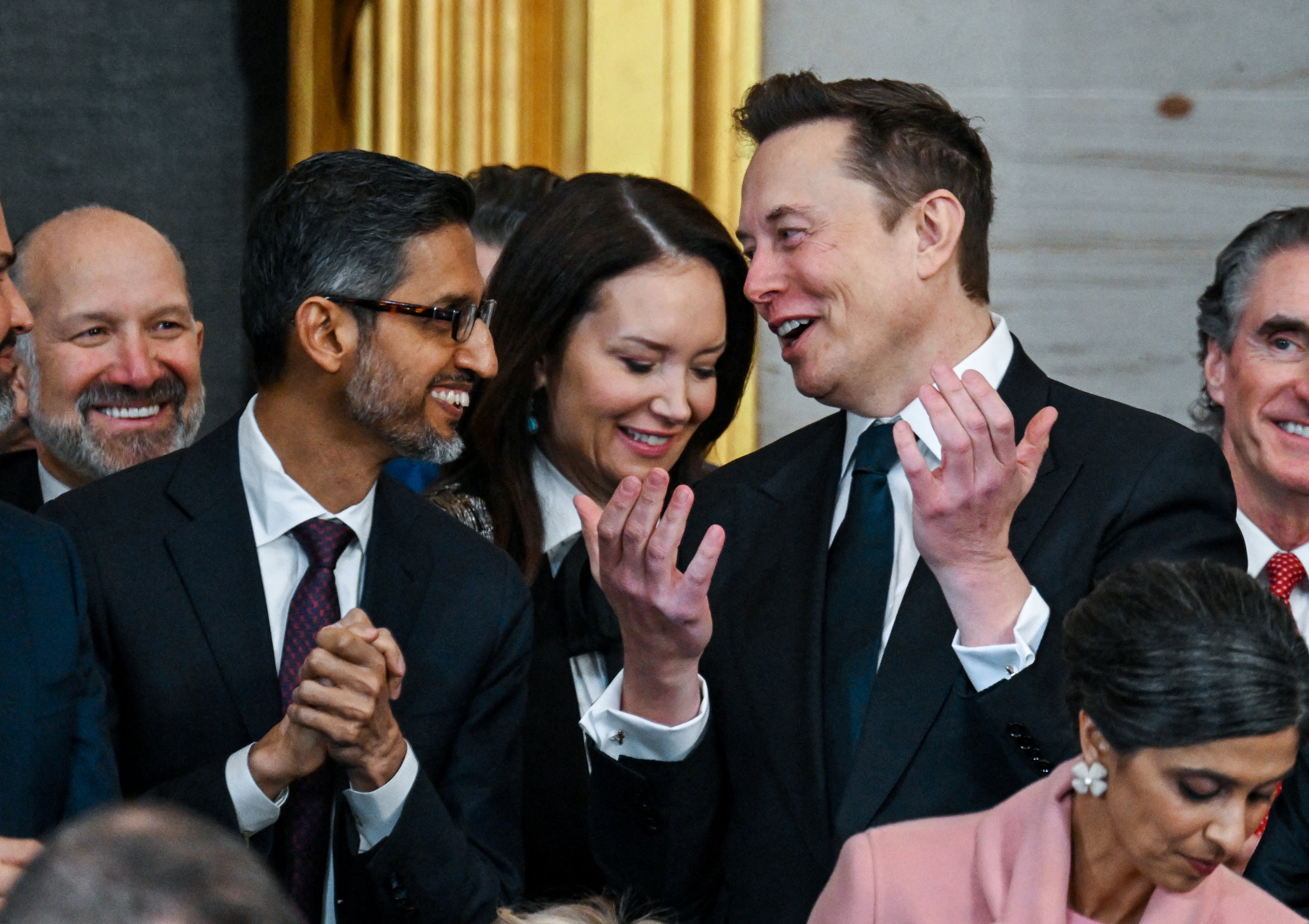
But in January, with Meta boss Mark Zuckerberg striving to get back into Trump’s good books — and tech bosses in general cozying up to the new administration — the social media giant agreed to settle its lawsuit for roughly $25m.
Inside sources told The Wall Street Journal that Trump had made this a condition of Zuckerberg being “brought into the tent”.
In February, Twitter’s new owner Elon Musk — a vehement Trump supporter who donated more than $290m to Republicans last year — followed suit, paying out $10m.
Finally, in early May, Google’s CEO Sundar Pichai and its co-founder Sergey Brin reportedly traveled to Trump’s Mar-a-Lago resort in Florida to play golf and hash out a deal, later telling the court they had been “engaged in productive discussions”.