US Politics
US to pay $450K to wildfire crews who developed cancer – and cover the cost of the kids’ college

Your support helps us to tell the story
From reproductive rights to climate change to Big Tech, The Independent is on the ground when the story is developing. Whether it’s investigating the financials of Elon Musk’s pro-Trump PAC or producing our latest documentary, ‘The A Word’, which shines a light on the American women fighting for reproductive rights, we know how important it is to parse out the facts from the messaging.
At such a critical moment in US history, we need reporters on the ground. Your donation allows us to keep sending journalists to speak to both sides of the story.
The Independent is trusted by Americans across the entire political spectrum. And unlike many other quality news outlets, we choose not to lock Americans out of our reporting and analysis with paywalls. We believe quality journalism should be available to everyone, paid for by those who can afford it.
Your support makes all the difference.
Read more
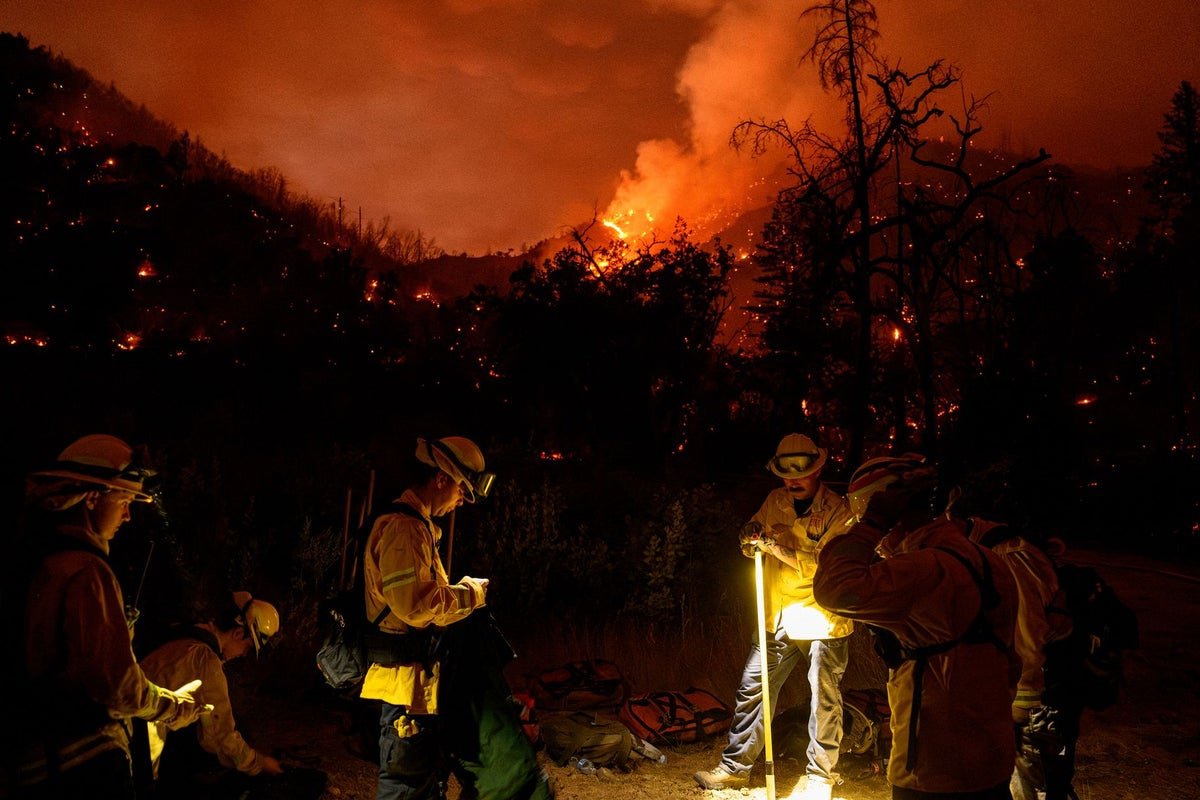
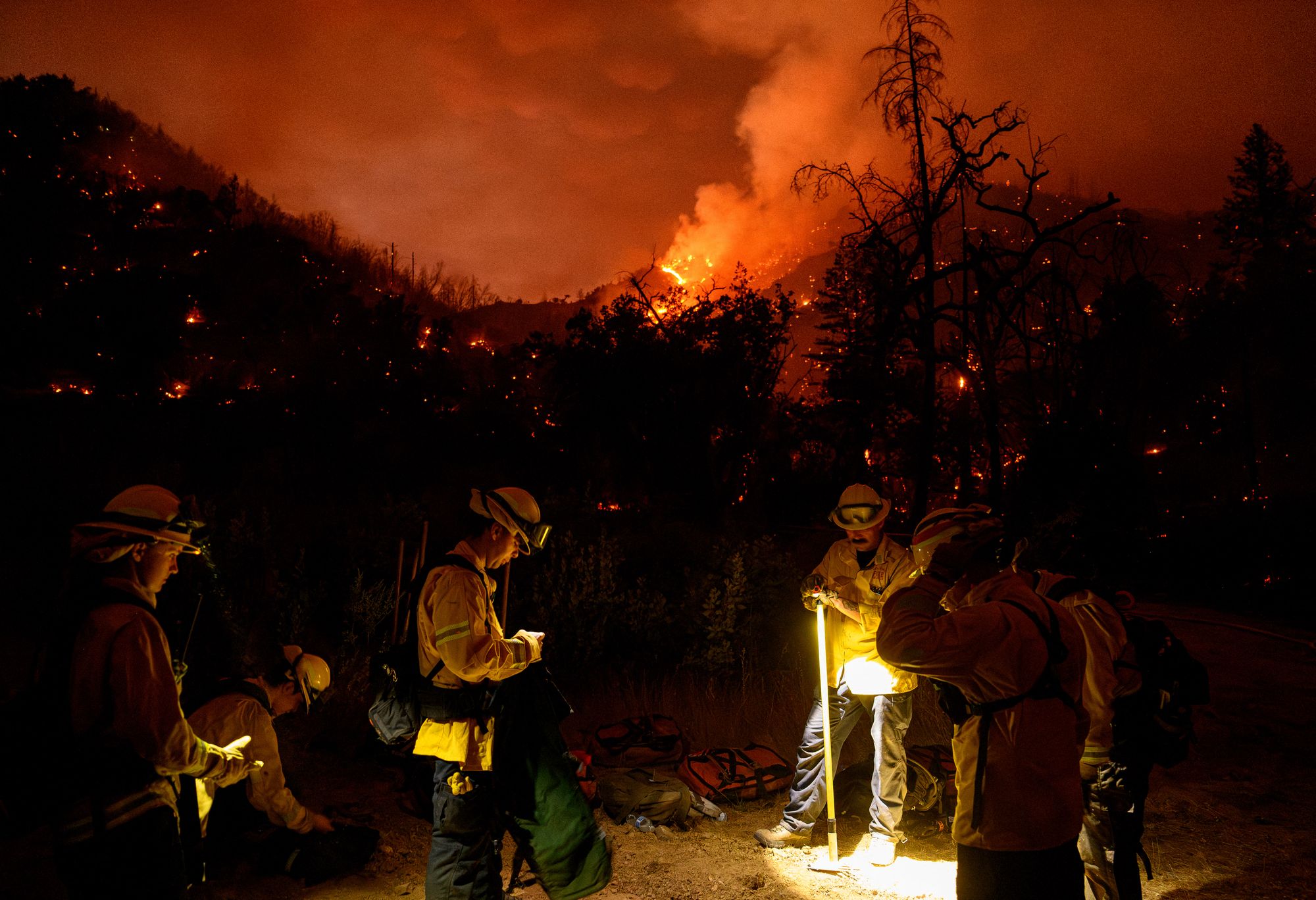
Under a new law, the U.S. government will pay nearly $450,000 in compensation to firefighters who develop cancer in the line of duty, along with covering the cost of college tuition for their families.
The legislation, included in this year’s defense spending bill, was signed into law on Thursday by President Donald Trump.
Senators Amy Klobuchar, a Minnesota Democrat, and Kevin Cramer, a North Dakota Republican, first introduced the measure, titled the Honoring Our Fallen Heroes Act, earlier this year.
“Our first responders epitomize courage and selfless sacrifice, confronting both the immediate perils of their duty which are extreme and the lingering health risks associated with their service,” Cramer said after the law was enacted.
“Their exposure to dangerous carcinogens happens on our behalf,” he added. “When these heroes make the ultimate sacrifice, their families should not have to bear these burdens alone.”
The new law requires that firefighters who die or become disabled due to approximately 20 smoke-related cancers are automatically deemed to have suffered line-of-duty deaths or injuries, according to The New York Times.
They will be eligible for a tax-free, one-time payment of $448,575. And their children or spouses will be given financial support to attend college for four years.
open image in gallery
Before the law was passed, firefighters were only eligible for relief for physical injuries suffered on duty or as a result of deaths from strokes, heart attacks, mental health conditions and illnesses related to 9/11.
The law was inspired by the death of Michael Paidar, a Minnesota fire captain who passed away from leukemia in 2020, according to Klobuchar. During his 15-year career with the St. Paul Fire Department, Paidar responded to over 1,600 fires and remained in good health for most of that time. He died only months after being diagnosed with cancer.
In a statement, his widow, Julie Paidar, said she was grateful for the passage of the Honoring Our Fallen Heroes Act.
“Every day, our nation’s first responders selflessly serve and protect their communities,” she said. “Unfortunately, through exposures on the job, many are also fighting occupational cancer.”
open image in gallery
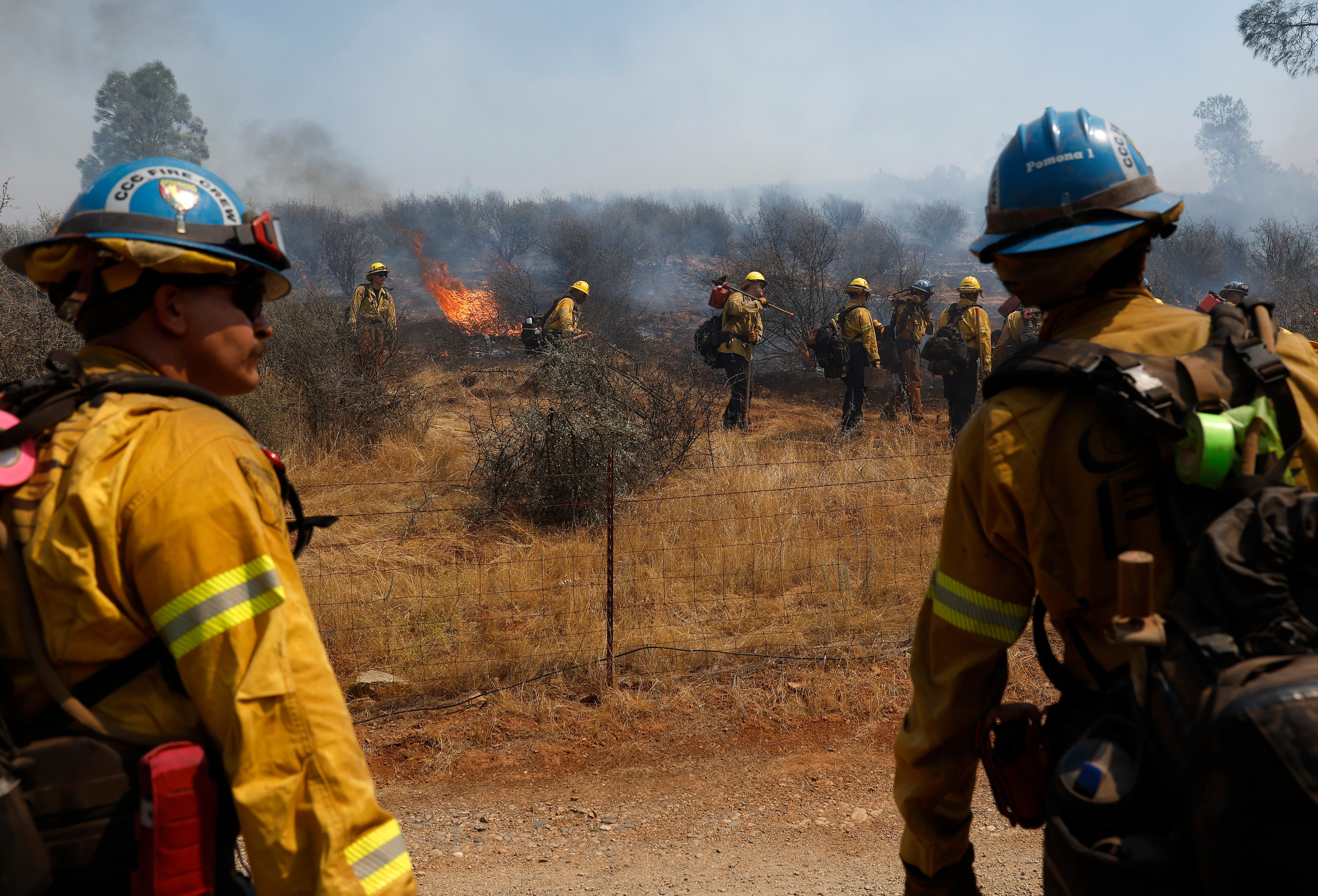
Multiple studies have found that firefighters face an elevated risk of certain cancers due to occupational exposures.
A 2023 meta analysis found that firefighters have higher rates of skin melanoma and prostate cancer compared to the general population. Research from the University of Cincinnati revealed that rates of testicular cancer among firefighters are “100 percent higher than the general population” and that firefighters are “50 percent more likely to fall ill with non-Hodgkin’s lymphoma and multiple myeloma.”
Despite the known risks, firefighters across the country have been barred from wearing protective masks while battling blazes, according to the Times.
A bipartisan bill introduced in November aims to remedy this by requiring the Forest Service to mandate that firefighters wear masks. Other legislation has also been put forward aiming to compensate wildfire crews for the risks they take by bolstering public safety.
The latest legislation comes as wildfires are growing more intense and harder to manage.
Globally, wildfires are now burning more than two times as many trees as they did 20 years ago, according to the World Resources Institute, a non-profit based in Washington, D.C.. Rising temperatures are one of the main culprits.