US Politics
Senate Republicans want to protect a majority, but Trump won’t give them a break

Your support helps us to tell the story
From reproductive rights to climate change to Big Tech, The Independent is on the ground when the story is developing. Whether it’s investigating the financials of Elon Musk’s pro-Trump PAC or producing our latest documentary, ‘The A Word’, which shines a light on the American women fighting for reproductive rights, we know how important it is to parse out the facts from the messaging.
At such a critical moment in US history, we need reporters on the ground. Your donation allows us to keep sending journalists to speak to both sides of the story.
The Independent is trusted by Americans across the entire political spectrum. And unlike many other quality news outlets, we choose not to lock Americans out of our reporting and analysis with paywalls. We believe quality journalism should be available to everyone, paid for by those who can afford it.
Your support makes all the difference.
Read more
It’s only January, but the November midterms are already in sight for many in Washington, D.C.
That of course includes John Thune, the Republican Senate majority leader who is defending GOP seats and the upper chamber from a Democratic takeover. Democrats would need to take four seats currently held by GOP senators while defending all of their own in order to win back power.
A tough ask, were it not for one major factor: Donald Trump.
The Republican president’s effect on the 2026 Senate map cannot be overstated, and it’s objectively all negative for the Republican Party. That dynamic was true before this week and it was doubly true on Wednesday when Politico reported that Trump, citing four people familiar with his thinking on the matter, has no plans to endorse three sitting Republican senators who are running for re-election this year.
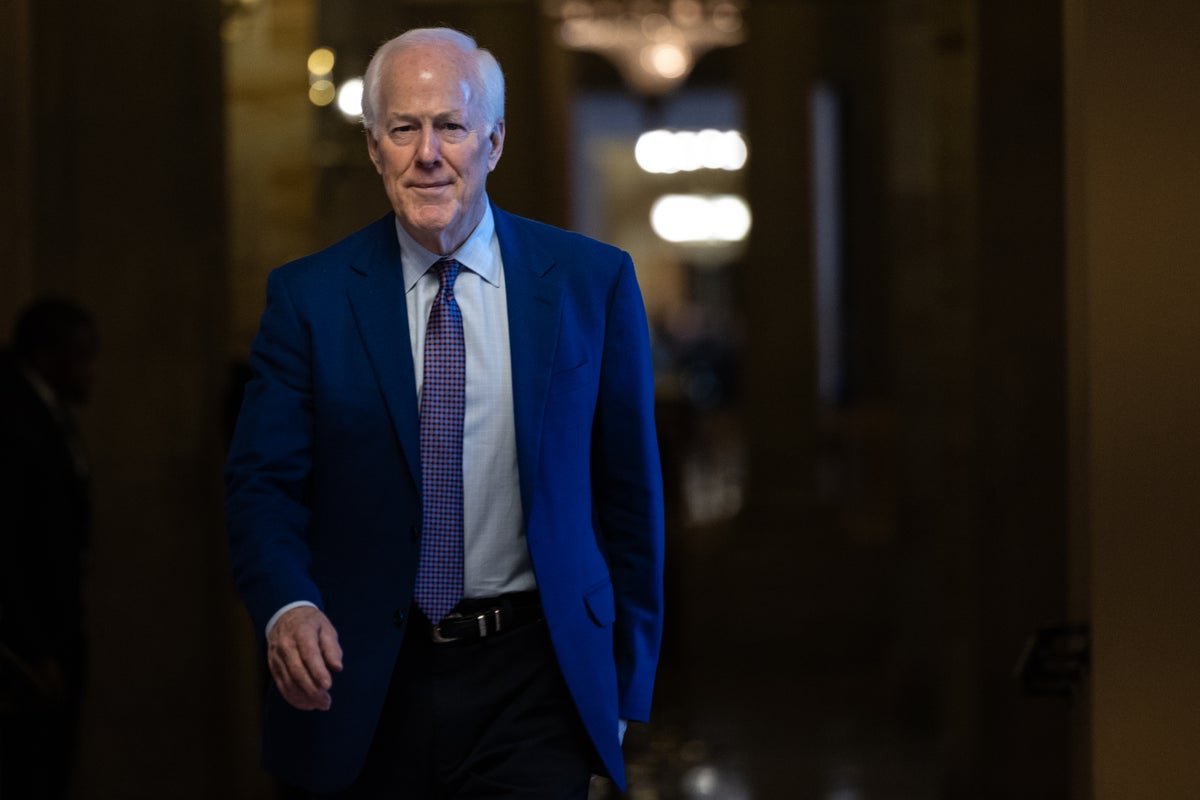
Those three senators are Susan Collins of Maine, Bill Cassidy of Louisiana, and John Cornyn of Texas.

open image in gallery
Two out of the three of those seats are seen as prospective Democratic pickups this year; the third, Cassidy’s, is not seen as endangered in large part due to the failure of Democrats to recruit a prominent candidate to run for the seat. For Collins, the refusal to endorse her may be seen as a gift, given Maine’s independent streak and her own reputation as a maverick in the Senate.
But for John Cornyn, it could present problems as he tries to fend off two primary challengers, including one, Texas attorney general Ken Paxton, who is leading him in the polls. Paxton is primarying the senator from the right, arguing that Texas would do better if the senator’s traditionalist style were replaced by a dyed-in-the-wool MAGA warrior. Cornyn’s allies have countered that Paxton is too weighed down by his own controversies and would lose the seat to Democrats in the fall should he become the nominee. In a clip highlighted by Paxton, Democratic Rep. Jasmine Crockett (one of two Democrats running in the primary for his seat) told an interviewer that she didn’t believe “that there’s a Democrat that can take out Cornyn”.
Yet in Texas, as in Maine, the president is unwilling to extend a lifeline to a fellow Republican — even one who votes with him much more reliably than Collins. Couple that with news that Democrats have recruited former Rep. Mary Peltola to run against Sen. Dan Sullivan in Alaska, and suddenly Democrats such as Sen. Kirsten Gillibrand, head of the party’s campaign arm, are talking bullish about winning back the majority.

open image in gallery
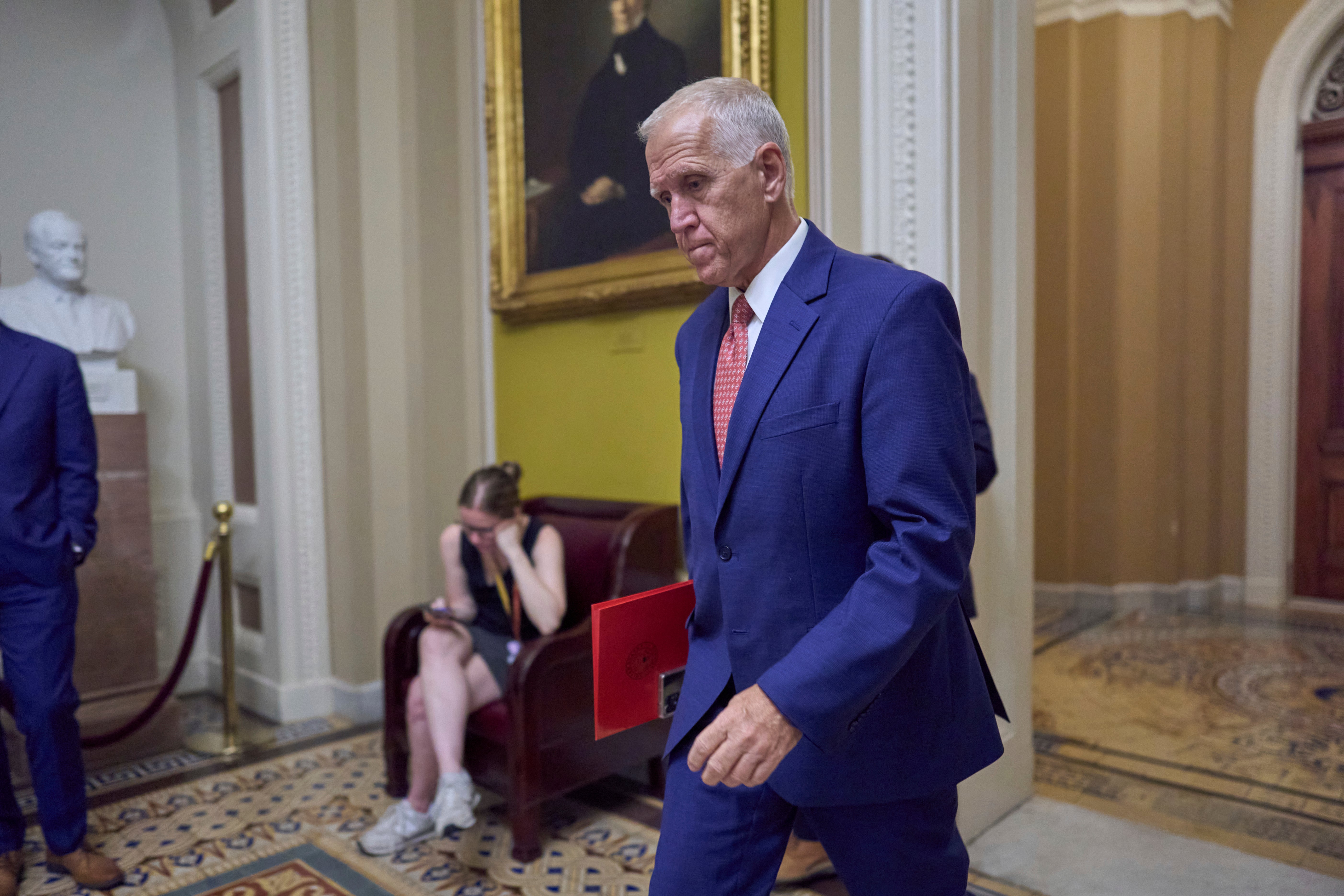
It’s not just endorsements where Trump has given his party in Congress grief this year. Retirements are affecting the House and Senate GOP caucuses in devastating fashion, and senior Republicans have grumbled behind the scenes that the White House’s iron grip on the Hill is to blame. In the Senate, the president found himself drawn into a feud with Sen. Thom Tillis, R-North Carolina, last year, only for the senator to turn around and announce that he wouldn’t run for re-election. Democrats are now favored to win his seat as Roy Cooper, the popular two-term governor, is running against a former RNC chair.
Other GOP senators are retiring too, but none under threat of a Trump-aligned primary challenge.
open image in gallery
If Republicans lose the Senate this year, it is a near certainty that many will turn their gaze to the White House.
The administration, meanwhile, will suddenly be unprotected by a potential twin Democratic majority in Congress, which Trump has openly warned his followers will lead to his third impeachment. More realistically, it will mean the end of any legislative codification of Trump’s agenda and an endless torrent of probes and investigations into the myriad of scandals that have followed the second Trump presidency.
It will also be a crucial lifeline for Senate Minority Leader Chuck Schumer, who faced open calls for his removal as Democratic leader after members of his caucus backed down from demands for GOP votes on the extension of expiring federal Obamacare subsidies last fall.
On Tuesday, he told the Associated Press of his party’s path to a Senate majority: “I say it’s a much wider path than the skeptics think, and a much wider path than it was three months ago and certainly a year ago.”