US Politics
‘No evidence whatsoever’ Tylenol causes autism as Trump claims, according to experts


Your support helps us to tell the story
From reproductive rights to climate change to Big Tech, The Independent is on the ground when the story is developing. Whether it’s investigating the financials of Elon Musk’s pro-Trump PAC or producing our latest documentary, ‘The A Word’, which shines a light on the American women fighting for reproductive rights, we know how important it is to parse out the facts from the messaging.
At such a critical moment in US history, we need reporters on the ground. Your donation allows us to keep sending journalists to speak to both sides of the story.
The Independent is trusted by Americans across the entire political spectrum. And unlike many other quality news outlets, we choose not to lock Americans out of our reporting and analysis with paywalls. We believe quality journalism should be available to everyone, paid for by those who can afford it.
Your support makes all the difference.
Read more
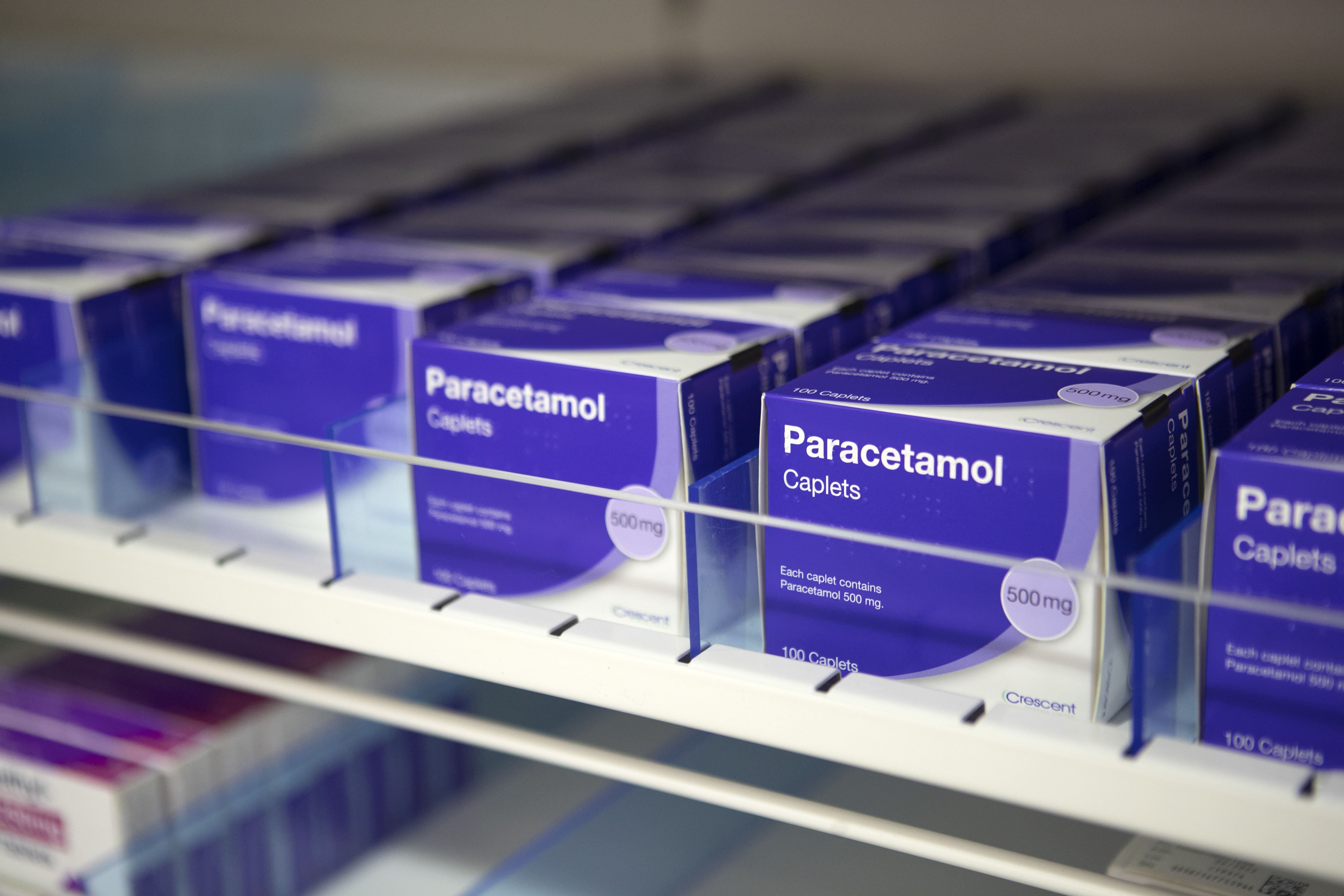
Pregnant individuals can safely use paracetamol as directed during pregnancy without an increased risk of autism, ADHD, or intellectual disabilities in their children, a comprehensive new review has concluded. The findings aim to definitively address previous unsubstantiated claims regarding the painkiller’s safety.
The study, published in The Lancet Obstetrics, Gynaecology and Women’s Health, directly refutes assertions made by U.S. President Donald Trump in September, who claimed a “meteoric rise” in autism cases and suggested Tylenol – known as paracetamol in the UK – was a potential cause.
He advised pregnant women to “tough it out” rather than take the painkiller, comments that drew widespread criticism from autism campaigners and scientists globally.
Experts involved in the latest research expressed hope that the robust findings would “bring the matter to a close”.

open image in gallery
An international team of academics, including UK specialists, conducted a wide-reaching review, searching research databases for all studies reporting risk estimates for autism, attention-deficit hyperactivity disorder (ADHD), and intellectual disabilities.
The eligible studies compared pregnancies with and without paracetamol exposure, utilising validated questionnaires or medical records on medical outcomes. Researchers also accounted for other maternal ailments and treatments received.
The review encompassed 43 studies in a systematic review and 17 in a meta-analysis, a method for systematically combining findings from multiple studies. Crucially, a number of sibling comparison studies were included, which compare children born to the same mother where paracetamol was taken in one pregnancy but not another.
The authors unequivocally concluded that paracetamol exposure during pregnancy was “not associated with the risk” of autism spectrum disorder, ADHD, or intellectual disabilities.
They stated: “Current evidence does not indicate a clinically important increase in the likelihood of autism spectrum disorder, ADHD, or intellectual disability in children of pregnant individuals who use paracetamol as directed, supporting existing recommendations on its safety.”
open image in gallery
Professor Asma Khalil, consultant obstetrician and fetal medicine specialist at St George’s Hospital, London, and lead author of the study, emphasised: “We found no clinically important increase in the risk of autism, ADHD or intellectual disability (among) children where the mothers took paracetamol during pregnancy. And this is the important message to the millions of pregnant individuals – paracetamol is safe to use in pregnancy. It remains to be the first-line treatment that we would recommend if the pregnant women have pain or fever in pregnancy, and it’s also consistent with recommendations or the guidelines by various national or international bodies.”
Professor Grainne McAlonan, professor of translational neuroscience at King’s College London (KCL), welcomed the findings, stating: “Expectant mothers do not need the stress of questioning whether medicine most commonly used for a headache could have far-reaching effects on their child’s health. This thorough and clear study approached the question by conducting both a substantial systematic review of the literature and a meta-analysis of eligible studies. Importantly, it prioritised sibling design studies to account for family history, which is crucial. This confirmed that there is no relationship between taking paracetamol in pregnancy and a higher likelihood of autism, ADHD or intellectual disabilities in the offspring. While the impact of last year’s announcement has been extensive, I hope the findings of this study bring the matter to a close.”
Health Secretary Wes Streeting added his reassurance: “This major review can, yet again, reassure mothers-to-be everywhere that there is no evidence whatsoever to link the use of paracetamol by pregnant women to autism, ADHD or disabilities in their children. Our country’s leading scientists, doctors and the NHS are clear that paracetamol is safe to take when pregnant and in pain or suffering a fever.”