
US Politics
GOP civil war derails Trump’s ‘billion-dollar ballroom’ plan

Your support helps us to tell the story
From reproductive rights to climate change to Big Tech, The Independent is on the ground when the story is developing. Whether it’s investigating the financials of Elon Musk’s pro-Trump PAC or producing our latest documentary, ‘The A Word’, which shines a light on the American women fighting for reproductive rights, we know how important it is to parse out the facts from the messaging.
At such a critical moment in US history, we need reporters on the ground. Your donation allows us to keep sending journalists to speak to both sides of the story.
The Independent is trusted by Americans across the entire political spectrum. And unlike many other quality news outlets, we choose not to lock Americans out of our reporting and analysis with paywalls. We believe quality journalism should be available to everyone, paid for by those who can afford it.
Your support makes all the difference.
Read more
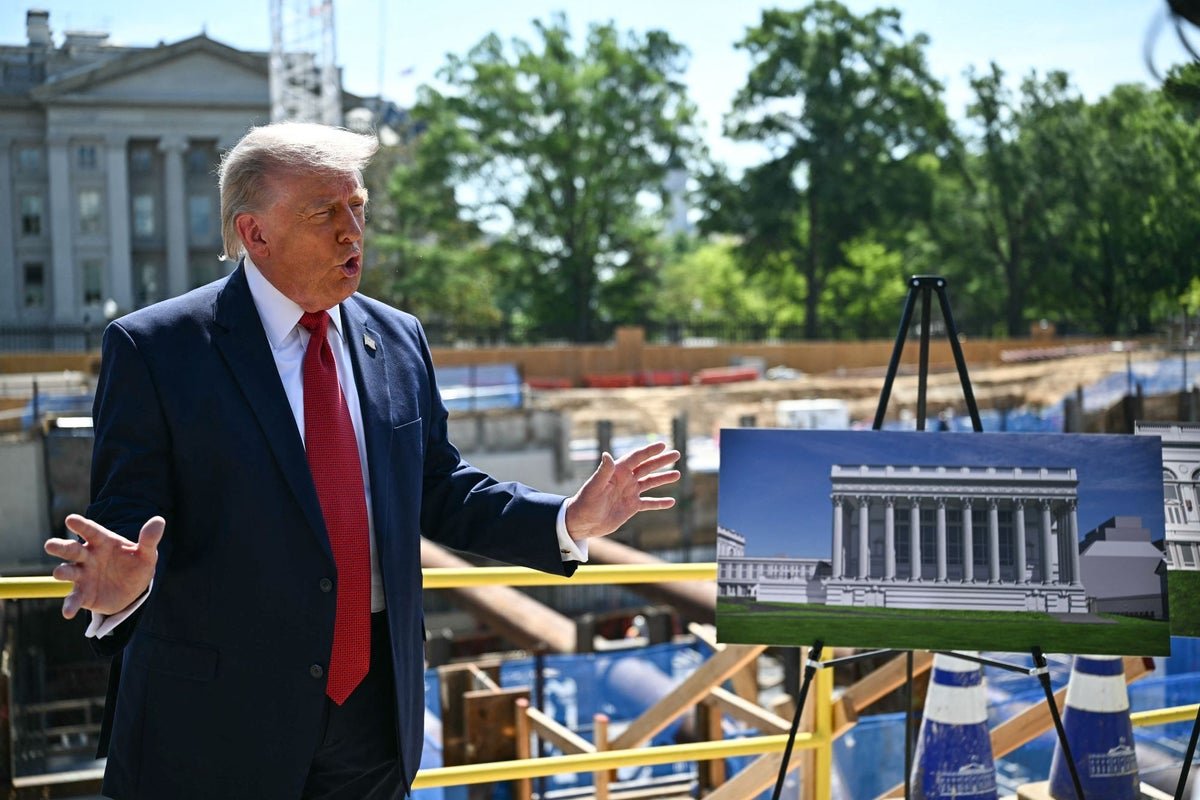
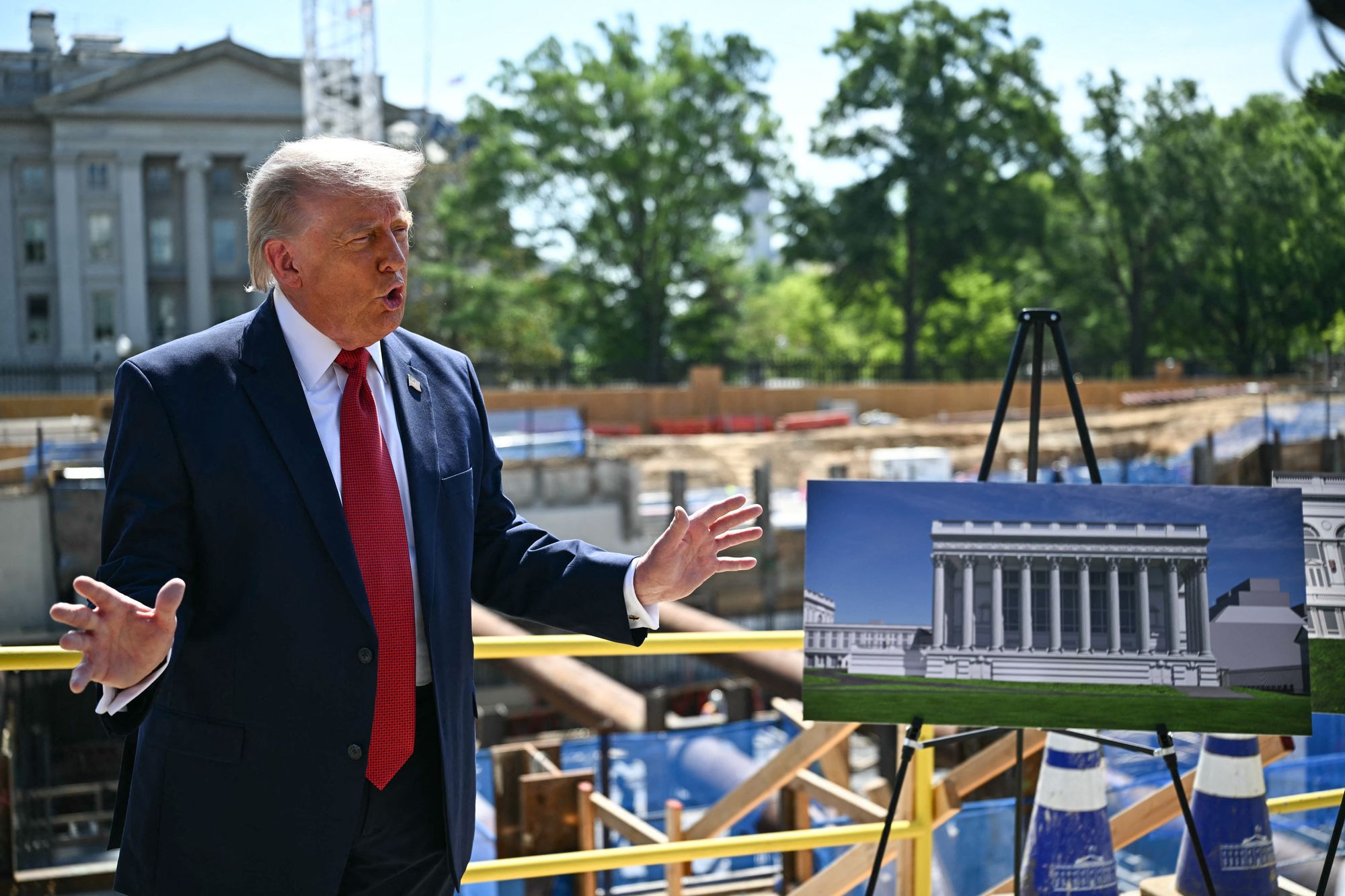
Senate Republican leaders are poised to abandon a proposed $1 billion security package intended for the White House complex and President Donald Trump’s ballroom, following significant pushback from within their own party.
Lawmakers questioned the timing and the lack of detailed justification for the Secret Service’s request.
The funding, which the White House had pressed Republicans to include, was slated to be added to a roughly $70 billion bill to restore funding to U.S. Immigration and Customs Enforcement (ICE) and the Border Patrol.
However, the security proposal faced immediate criticism from several GOP members who raised concerns about the cost and the allocation of taxpayer dollars.
While the bill’s text has not yet been released, the Senate aims to pass it this week before the Memorial Day recess.
Senate Majority Leader John Thune, R-S.D., acknowledged “ongoing vote issues” as leaders gauged Republican support, alongside “ongoing parliamentarian issues” regarding what can be included under chamber rules.
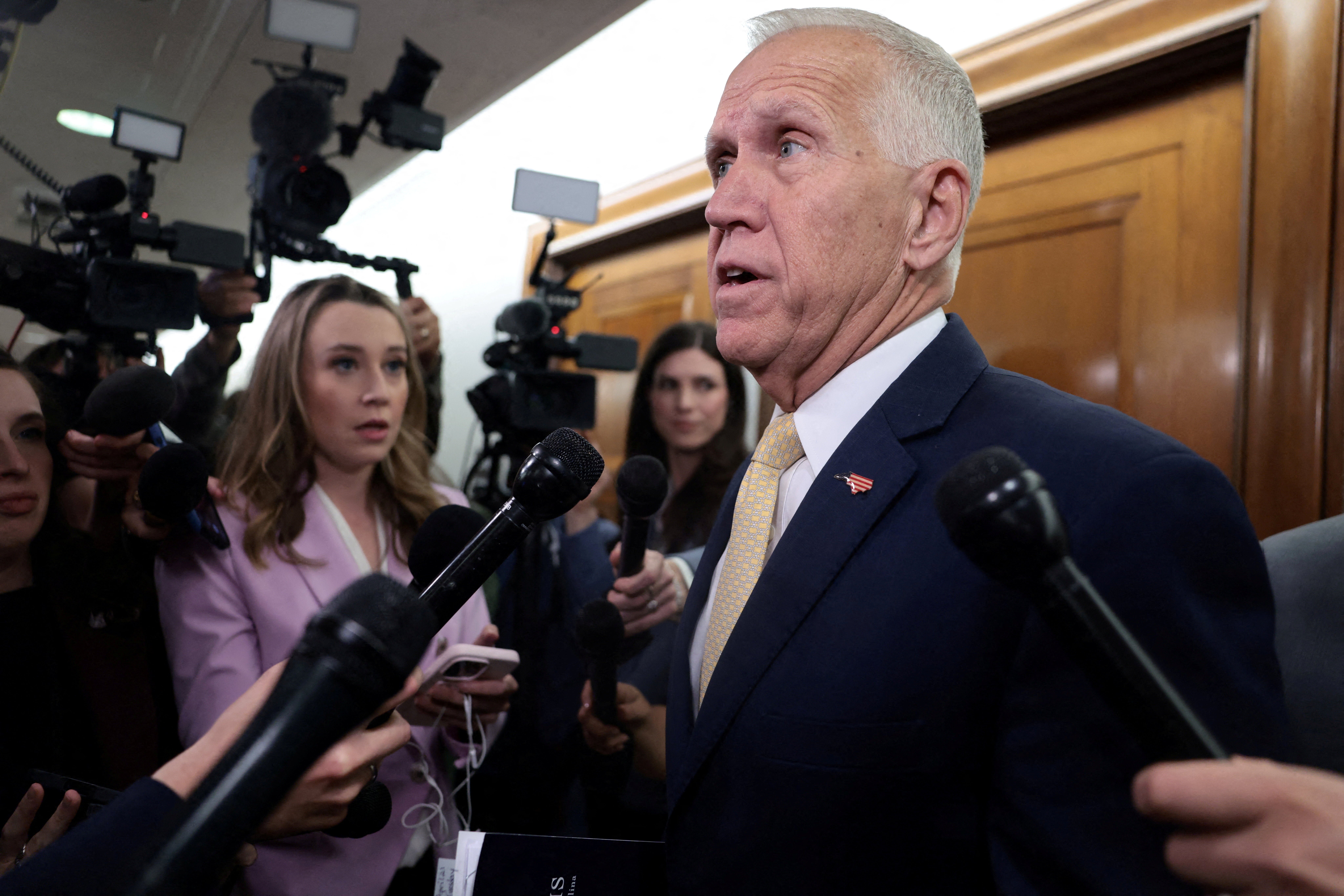
Sen. Thom Tillis, R-N.C., dismissed the security package as a “bad idea,” expressing doubt it would pass even with a reduced cost.
This internal wrangling unfolds as Democrats criticize Republicans for attempting to fund Trump’s ballroom amid voter concerns over basic affordability. Simultaneously, some GOP lawmakers have voiced increasing frustration with Trump.
Several Republican senators have spoken out against the administration’s $1.776 billion settlement fund, designed to compensate Trump’s allies who claim persecution.
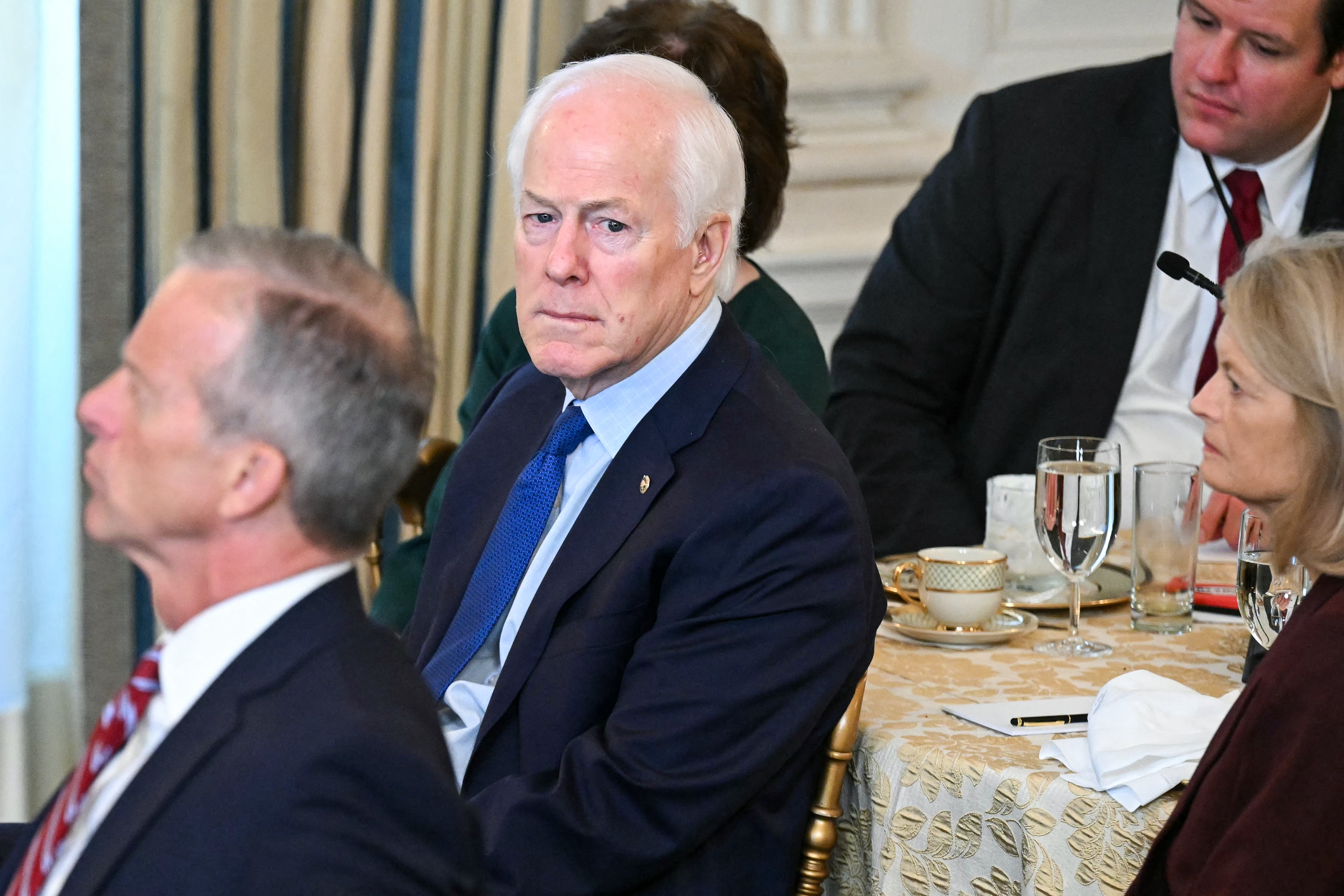
Many were also upset by Trump’s recent endorsement of Texas Attorney General Ken Paxton in an upcoming primary runoff against Sen. John Cornyn.
“There’s always a consequence with taking on United States senators,” Thune said Wednesday, noting that while the president “obviously has his favorites and people he wants to endorse and that’s his prerogative,” such actions can make moving the legislative agenda “slightly more complicated.”
The “anti-weaponization” fund, part of a settlement resolving Trump’s lawsuit against the Internal Revenue Service over leaked tax returns, has become a major complication for the bill.
Democrats plan to force votes to block or restrict it, considering amendments to either outright prohibit the fund or ban payments to individuals involved in the January 6, 2021, attack on the Capitol.
With a growing number of Republicans also expressing reservations, GOP leaders are now discussing their own last-minute additions to place parameters on the settlement and who can receive compensation.
Thune, who previously stated he is “not a big fan” of the settlement, described any new restrictive language as “a work in progress.”

Tensions between the Senate and the White House escalated as Trump publicly criticized the Senate in a social media post.
He urged Republicans to fire Senate parliamentarian Elizabeth MacDonough, who ruled that parts of the $1 billion security proposal could not remain in the ICE and Border Patrol bill.
Trump also reiterated calls for the Senate to pass the SAVE Act, which would require voters to prove U.S. citizenship and to end the Senate filibuster. He warned Republicans to “get smart and tough,” or risk “looking for a job much sooner than you thought possible!”
Despite general loyalty to Trump, Senate Republicans have consistently resisted his calls to eliminate the filibuster, which mandates a 60-vote threshold.
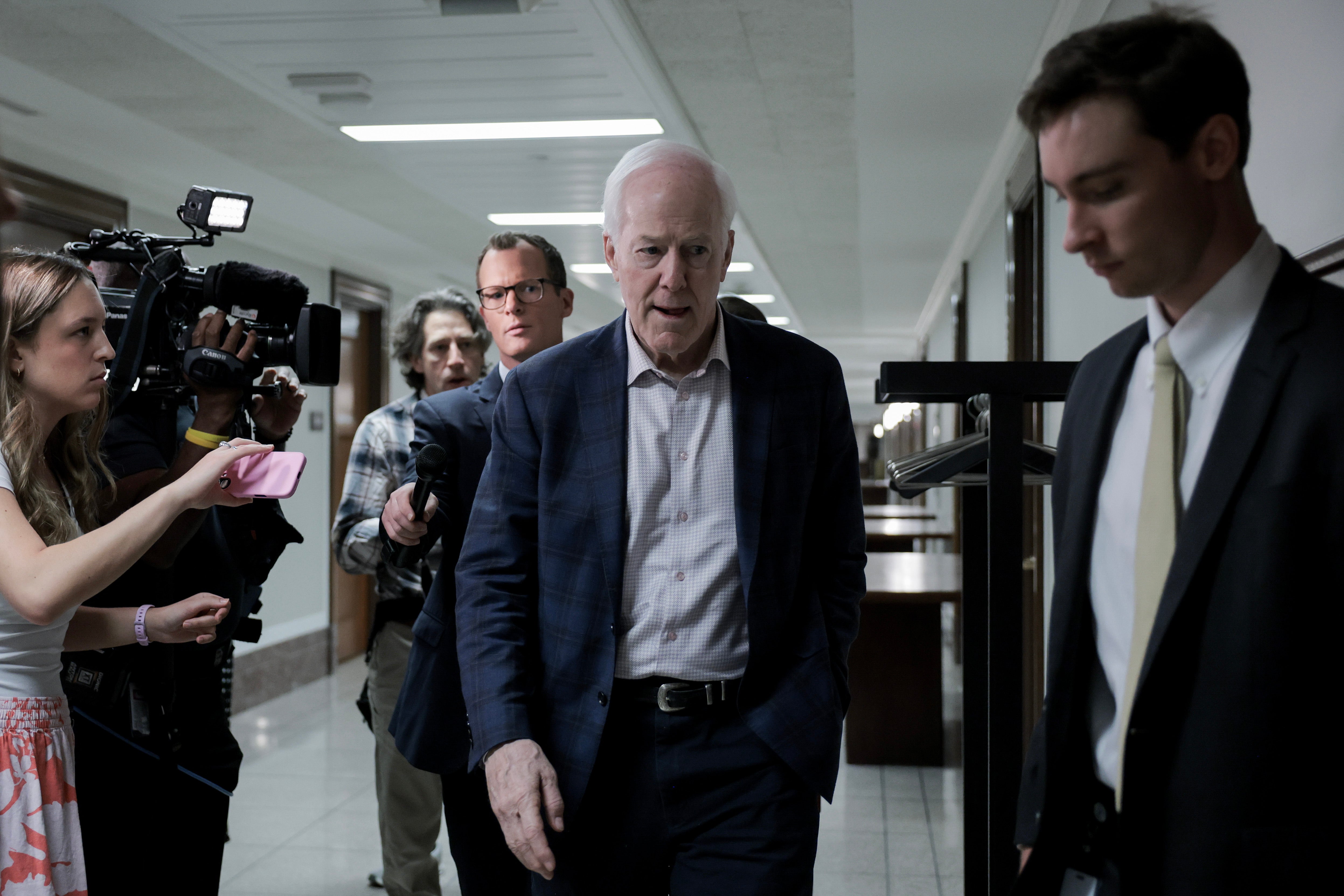
The growing GOP rift is further exacerbated by Trump’s endorsement of Paxton, which some senators privately fear could jeopardize their majority in November, as they view Cornyn as the stronger candidate.
The Secret Service’s request included approximately $220 million for ballroom security, with the remainder allocated for a new visitor screening center, training, and other security measures.
Sen. Tillis remarked that including other security improvements was problematic “because it’s just giving everybody the ‘billion-dollar ballroom.’” Louisiana Sen. Bill Cassidy questioned, “People can’t afford groceries and gasoline and healthcare, and we’re going to do a billion dollars for a ballroom?”
The bill now primarily contains funding for ICE and Border Patrol, which Democrats had previously blocked over concerns about the Trump administration’s immigration enforcement.
Republicans are utilizing a budget maneuver called reconciliation, which requires a simple majority and no Democratic votes, to fund these agencies through the end of Trump’s term.
However, the passage still hinges on the parliamentarian’s sign-off and unified Republican support. “We’re working on it,” Thune stated as he departed the Capitol on Wednesday evening.