US Politics
Font and Center: State Department brings back Times New Roman to fight the war on ‘woke’

Your support helps us to tell the story
From reproductive rights to climate change to Big Tech, The Independent is on the ground when the story is developing. Whether it’s investigating the financials of Elon Musk’s pro-Trump PAC or producing our latest documentary, ‘The A Word’, which shines a light on the American women fighting for reproductive rights, we know how important it is to parse out the facts from the messaging.
At such a critical moment in US history, we need reporters on the ground. Your donation allows us to keep sending journalists to speak to both sides of the story.
The Independent is trusted by Americans across the entire political spectrum. And unlike many other quality news outlets, we choose not to lock Americans out of our reporting and analysis with paywalls. We believe quality journalism should be available to everyone, paid for by those who can afford it.
Your support makes all the difference.
Read more
The font of diplomacy has changed.
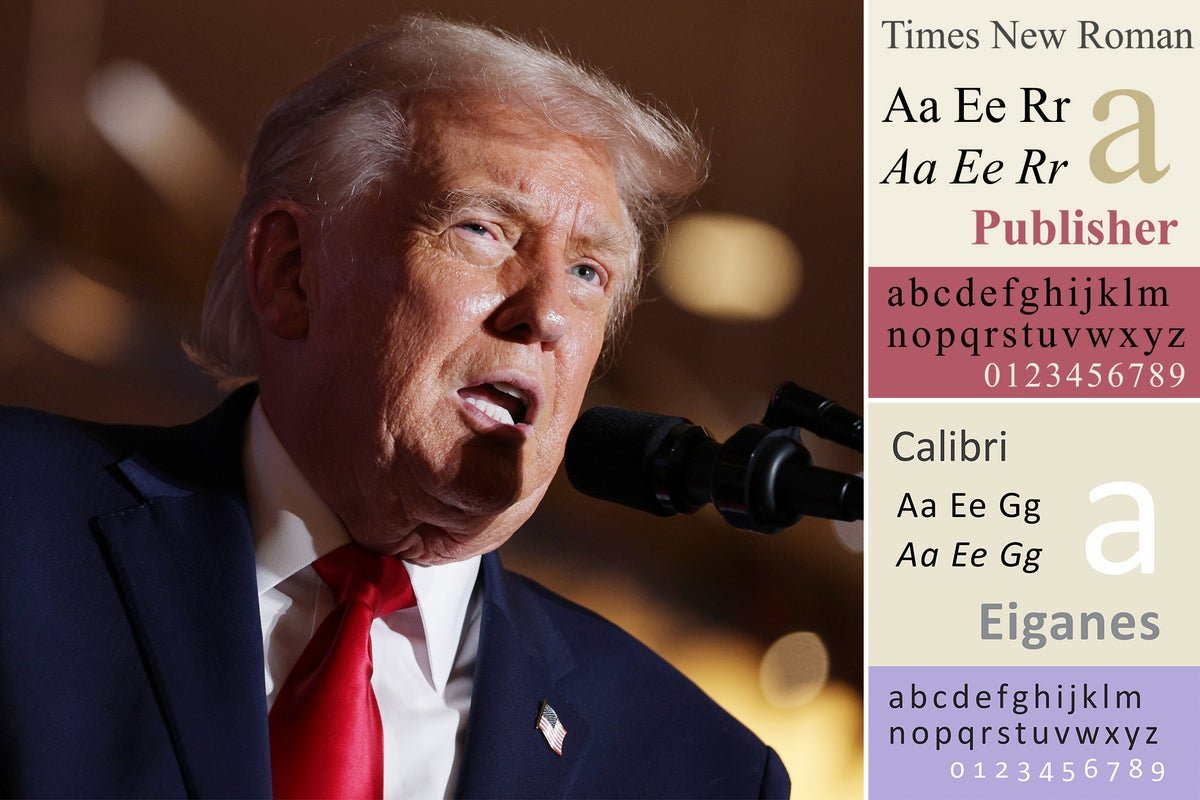
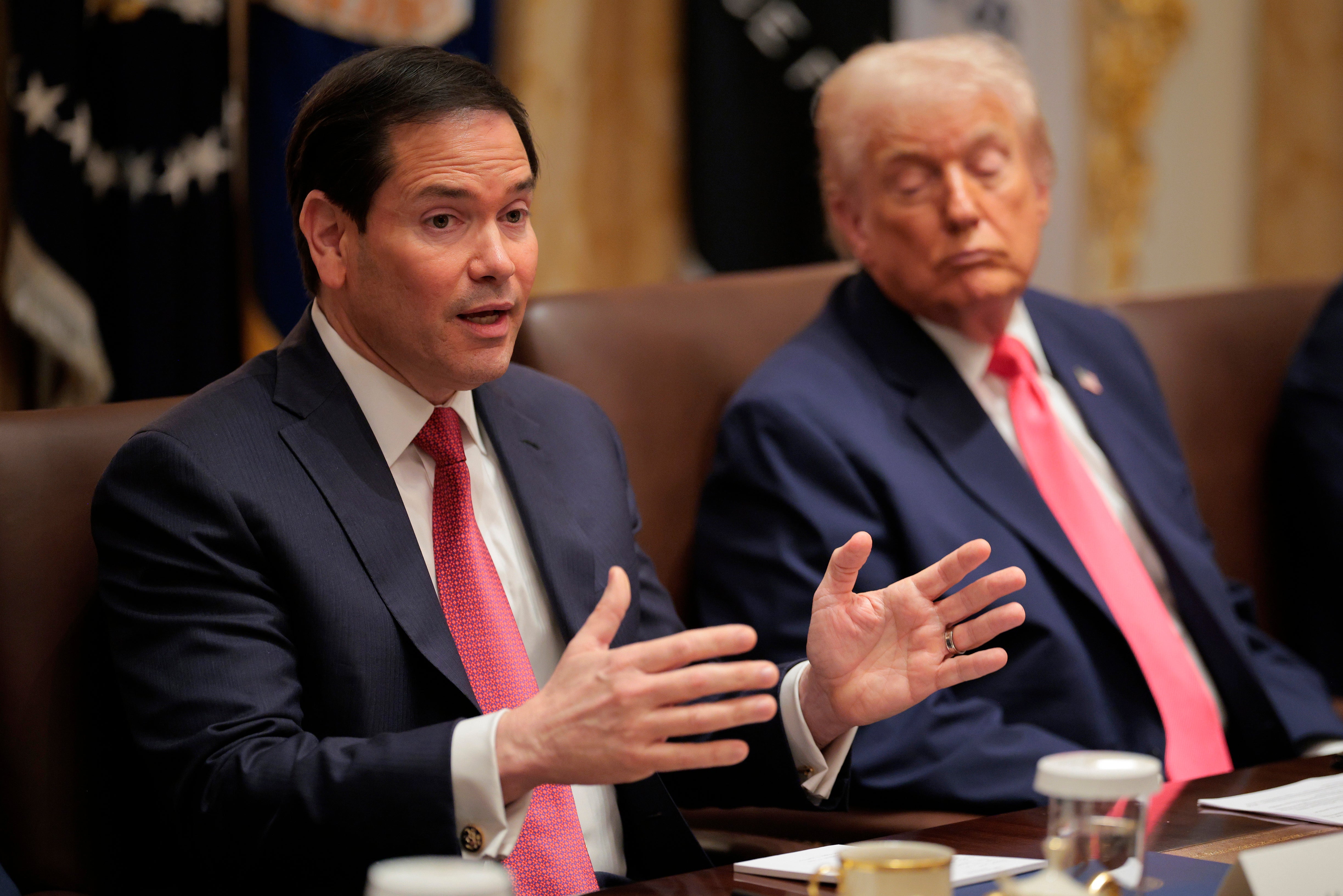
Secretary of State Marco Rubio ordered diplomats to ditch the Calibri typeface in official communications and return to Times New Roman, marking the latest battle in the administration’s war on “woke.”
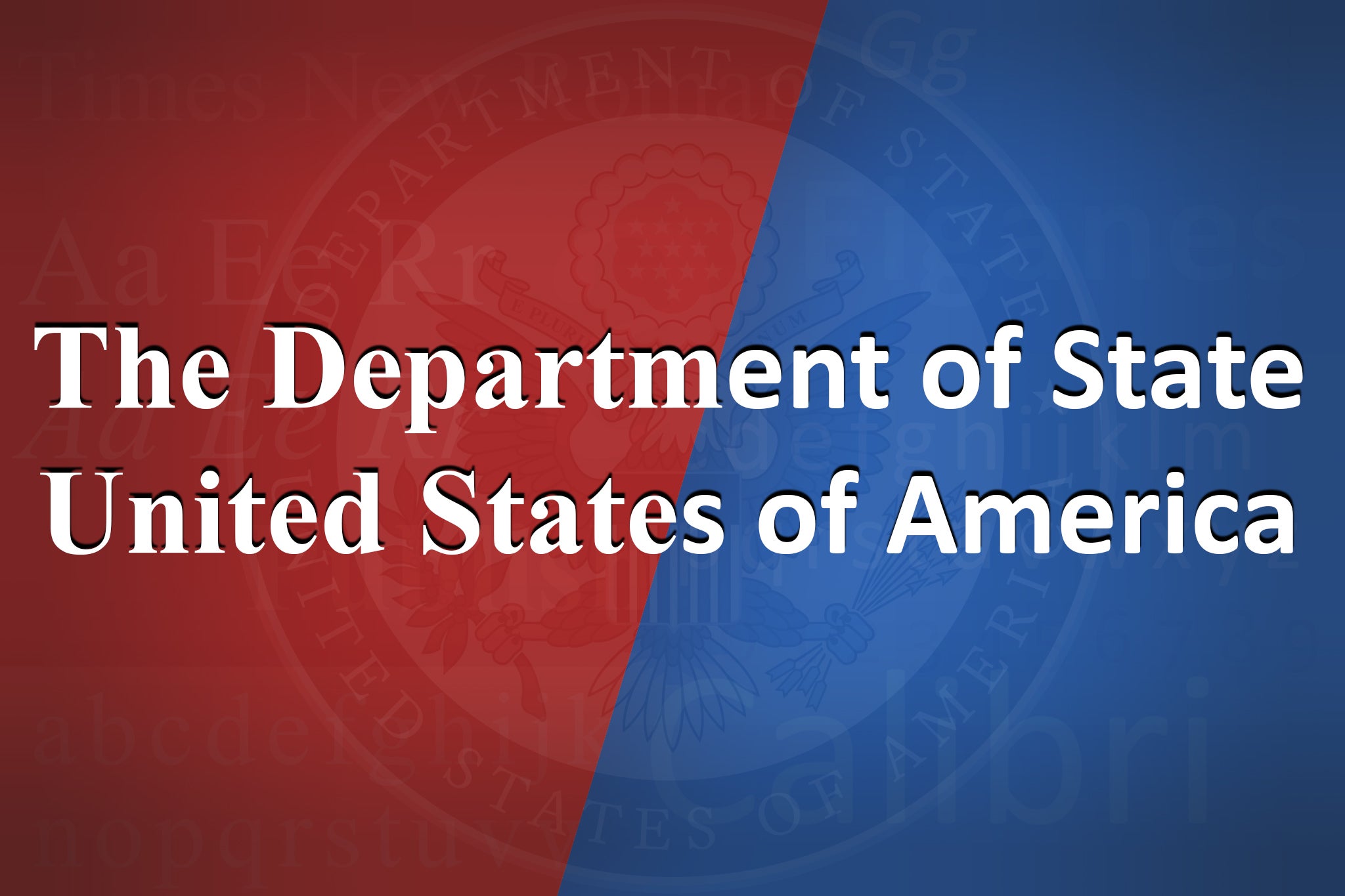
“To restore decorum and professionalism to the Department’s written work products and abolish yet another wasteful DEIA program, the Department is returning to Times New Roman as its standard typeface,” a cable sent to diplomats on Wednesday read, Reuters reported.
In 2023, former President Joe Biden’s Secretary of State Antony Blinken mandated a switch to Calibri, a modern typeface. He argued people with visual disabilities could read it more easily since it is more pared down, lacking decorative flourishes. Some studies have borne this out.
Department staffers used Times New Roman between 2004 and 2023, according to The New York Times. Before that, Courier New — described by the paper as “the essence of modernity in the early 1960’s” — was the required typeface.
open image in gallery
“This formatting standard aligns with the President’s One Voice for America’s Foreign Relations directive, underscoring the Department’s responsibility to present a unified, professional voice in all communications,” a state department spokesperson told The Independent.
“Serif typefaces remain the standard in courts, legislatures, and across federal agencies where the permanence and authority of the written record are paramount,” the spokesperson said.
Serif fonts — a family of typefaces known for small, decorative lines — have gained more popularity recently, cropping up not just in the public sector, but in private industry, according to The Wall Street Journal.
The change, which went into effect on Wednesday, sparked a variety of reactions online.
“THANK GOODNESS,” a former state department employee wrote on X. “My last three years at the state department were filled with awful serif-less fonts. return to the superior font, times new roman.”
“How in the hell is the Calibri font ‘DEIA?’” another user wrote, labeling the move “petty nonsense.”
Lucas de Groot — the Dutch designer who created Calibri — also expressed mixed feelings about his typeface being nixed.
“The decision to abandon Calibri on the grounds of it being a so-called ‘wasteful diversity font’ is both hilarious and regrettable,” de Groot told The Independent. “Calibri was specifically designed to enhance readability on modern computer screens and was selected by Microsoft in 2007 to replace Times New Roman as the default font in the Office suite. There were sound reasons for moving away from Times: Calibri performs exceptionally well at small sizes and on standard office monitors, whereas serif fonts like Times New Roman tend to appear more distorted.”
“Serif fonts are often perceived as more traditional, but they are also more demanding to use effectively,” he added. “While a skilled typographer can, in theory, produce excellent results with Times, using it in its default digital form is not considered professional practice.”
open image in gallery
Since returning to office, Trump has pushed to eradicate “woke” and “DEI” policies from the federal government, describing them as “pervasive and destructive of these ideologies.”
On January 20, his first day in office, the Republican president signed an executive order called “Ending Radical and Wasteful Government DEI Programs and Preferencing,” which mandated the shutdown of all federal DEI programs.
The next day, he signed an order titled “Ending Illegal Discrimination and Restoring Merit-Based Opportunity,” which rescinded a previous order supporting affirmative action.