US Politics
Congress members will be able to view unredacted Epstein files from next week: report

Your support helps us to tell the story
From reproductive rights to climate change to Big Tech, The Independent is on the ground when the story is developing. Whether it’s investigating the financials of Elon Musk’s pro-Trump PAC or producing our latest documentary, ‘The A Word’, which shines a light on the American women fighting for reproductive rights, we know how important it is to parse out the facts from the messaging.
At such a critical moment in US history, we need reporters on the ground. Your donation allows us to keep sending journalists to speak to both sides of the story.
The Independent is trusted by Americans across the entire political spectrum. And unlike many other quality news outlets, we choose not to lock Americans out of our reporting and analysis with paywalls. We believe quality journalism should be available to everyone, paid for by those who can afford it.
Your support makes all the difference.
Read more
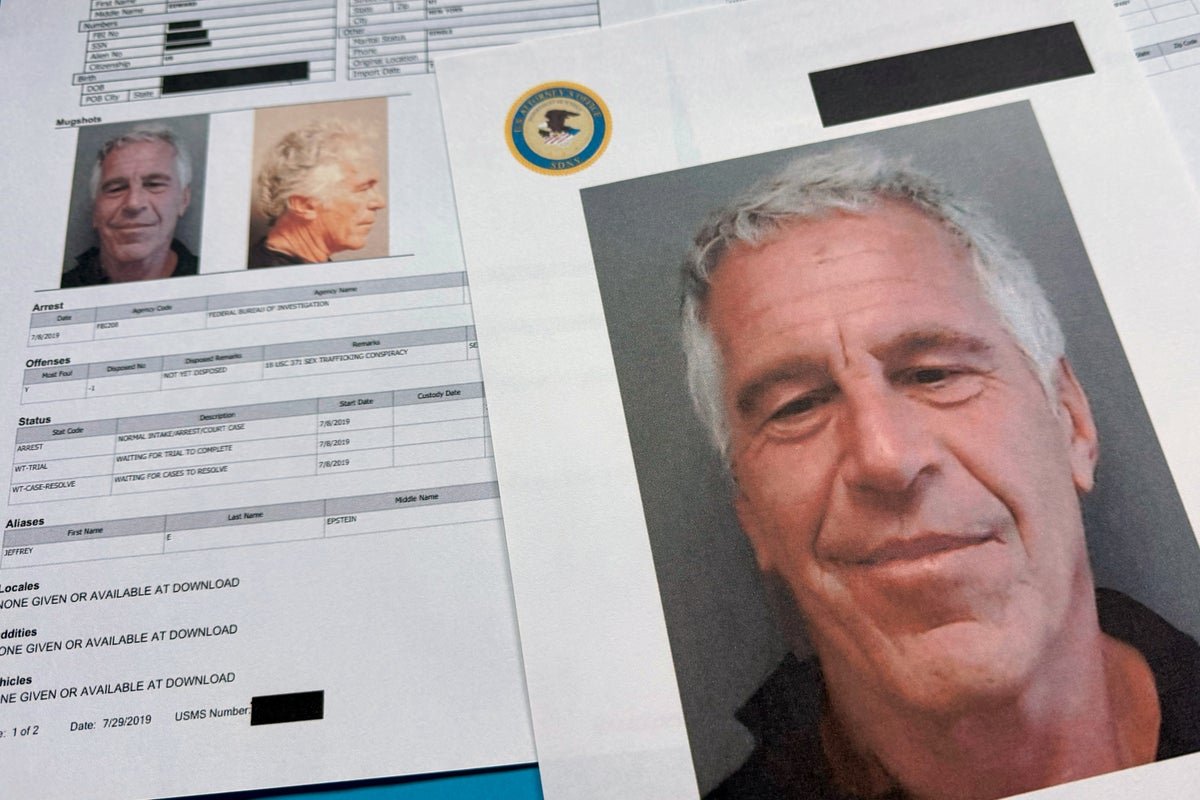
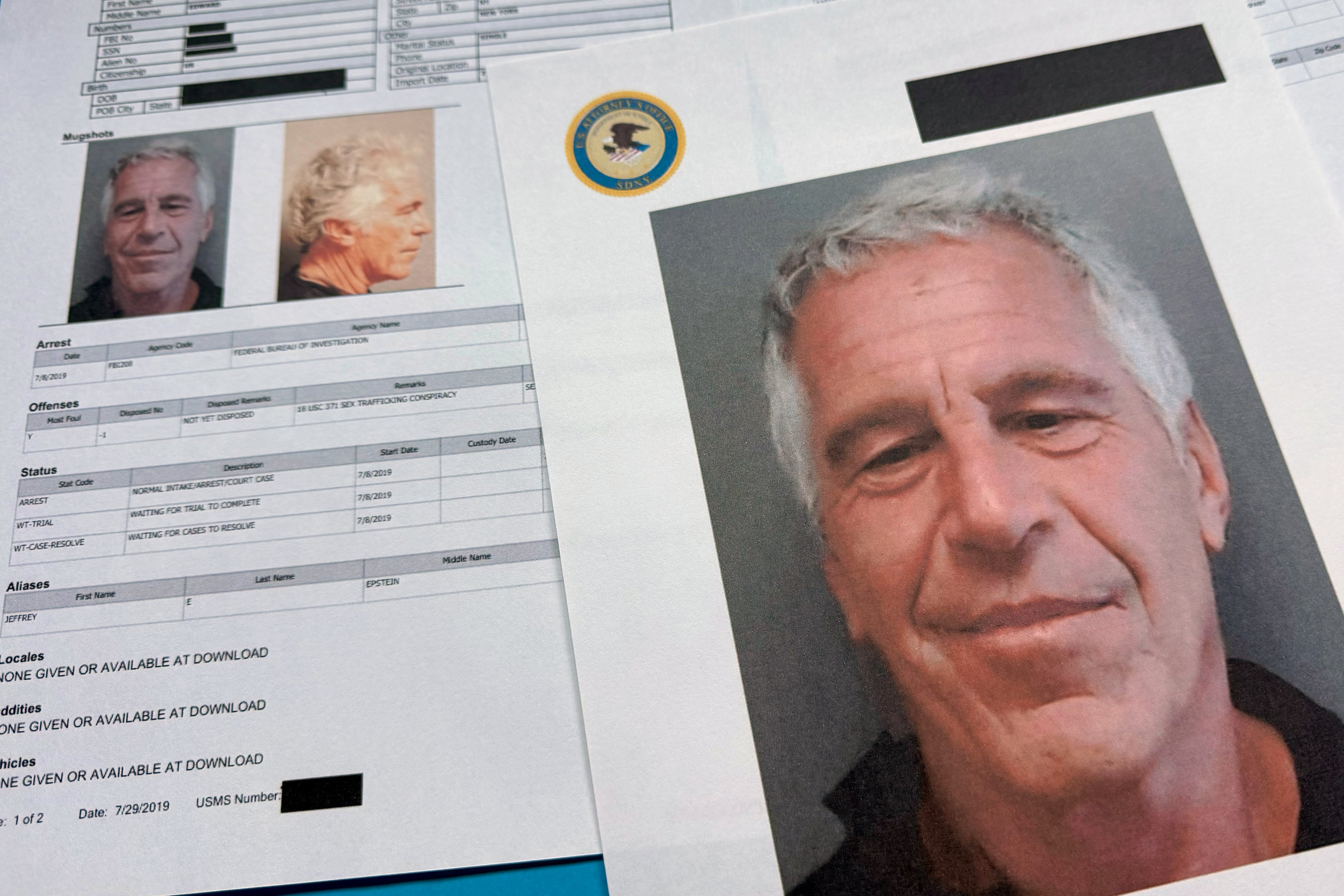
Members of Congress will be able to view unredacted versions of the Epstein files as soon as next week, according to reports.
The viewings are expected to take place in person at the Department of Justice and members will not be allowed to take any electronic devices with them into the room.
“I am writing to confirm that the department is making unredacted versions of the more than 3 million pages of publicly released documents available for review by both houses of Congress starting Monday,” Assistant Attorney General Patrick Davis wrote in a letter to all 535 members.
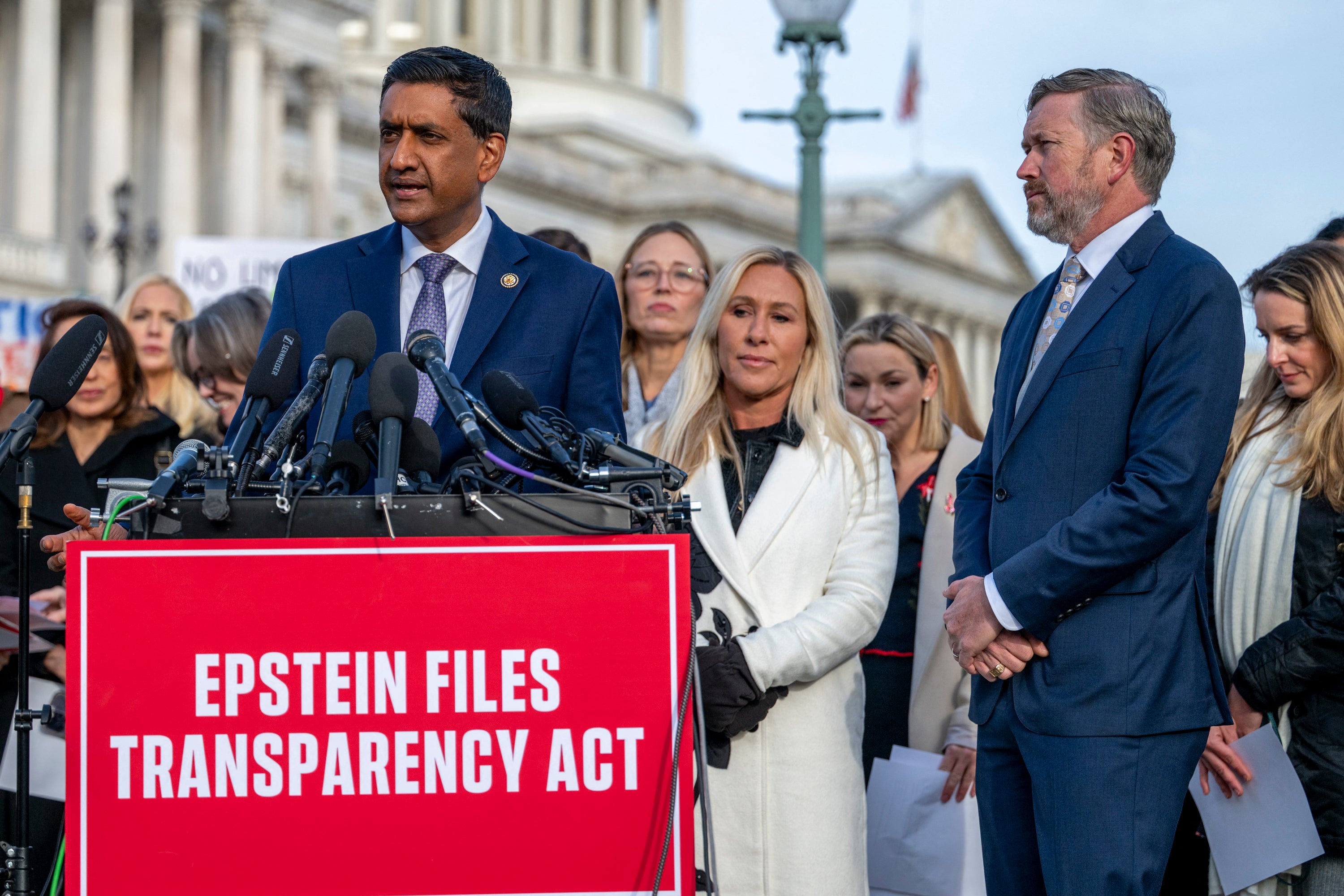
The letter was shared online and reposted by Democratic Rep. Ro Khanna, who has been one of the most vocal advocates for the full, unredacted file release, along with Republican Thomas Massie.
open image in gallery
Members must give the DOJ 24 hours notice to be able to view the unredacted documents in person. The documents will be viewed electronically rather than the original copies.
Those viewing can make notes but “no outside electronic devices will be allowed in the reading room,” Davis’ letter states.
They will be permitted to look at the three million documents released online by the DOJ, but not the full trove of six million documents the department says it has in its possession.
The Independent has contacted the DOJ for confirmation of the reports, first published by NBC.
It comes following criticism from Congress about the DOJ’s file release on January 30, which delivered some three million documents, 2,000 videos and 180,000 images. But many contained heavy redactions.
open image in gallery
Khanna, of California, previously described the release as “not good enough.”
“We have seen a blanket approach to redactions in some areas, while in other cases, victim names were not redacted at all,” Massie and Khanna wrote in a letter to Deputy Attorney General Todd Blanche on January 30, shortly after the release of the files.
“Congress cannot properly assess the Department’s handling of the Epstein and Maxwell cases without access to the complete record.”
“If we don’t get the remaining files… then Thomas Massie and I are prepared to move on impeachment or contempt,” Khanna said Sunday on NBC News’ “Meet the Press,” in reference to Attorney General Pam Bondi.