US Politics
US Coast Guard unable to seize Venezuela-linked tanker until backup arrives

Your support helps us to tell the story
From reproductive rights to climate change to Big Tech, The Independent is on the ground when the story is developing. Whether it’s investigating the financials of Elon Musk’s pro-Trump PAC or producing our latest documentary, ‘The A Word’, which shines a light on the American women fighting for reproductive rights, we know how important it is to parse out the facts from the messaging.
At such a critical moment in US history, we need reporters on the ground. Your donation allows us to keep sending journalists to speak to both sides of the story.
The Independent is trusted by Americans across the entire political spectrum. And unlike many other quality news outlets, we choose not to lock Americans out of our reporting and analysis with paywalls. We believe quality journalism should be available to everyone, paid for by those who can afford it.
Your support makes all the difference.
Read more
The U.S. Coast Guard is currently awaiting the arrival of specialist teams before it can potentially board and seize a Venezuela-linked oil tanker that it has been pursuing since Sunday, according to an official and a source familiar with the matter.
The vessel, identified by maritime groups as the Bella 1, has reportedly refused attempts by the Coast Guard to board it.
This complex task will likely fall to one of only two specialist units, known as Maritime Security Response Teams (MSRT), who are trained to board vessels under such circumstances, including by rappelling from helicopters.
This multi-day pursuit underscores the disparity between the Trump administration’s stated ambition to seize sanctioned oil tankers near Venezuela and the limited operational resources of the Coast Guard, the agency primarily tasked with carrying out these operations.
Unlike the US Navy, the Coast Guard possesses law enforcement authority, enabling it to board and seize vessels under US sanctions.
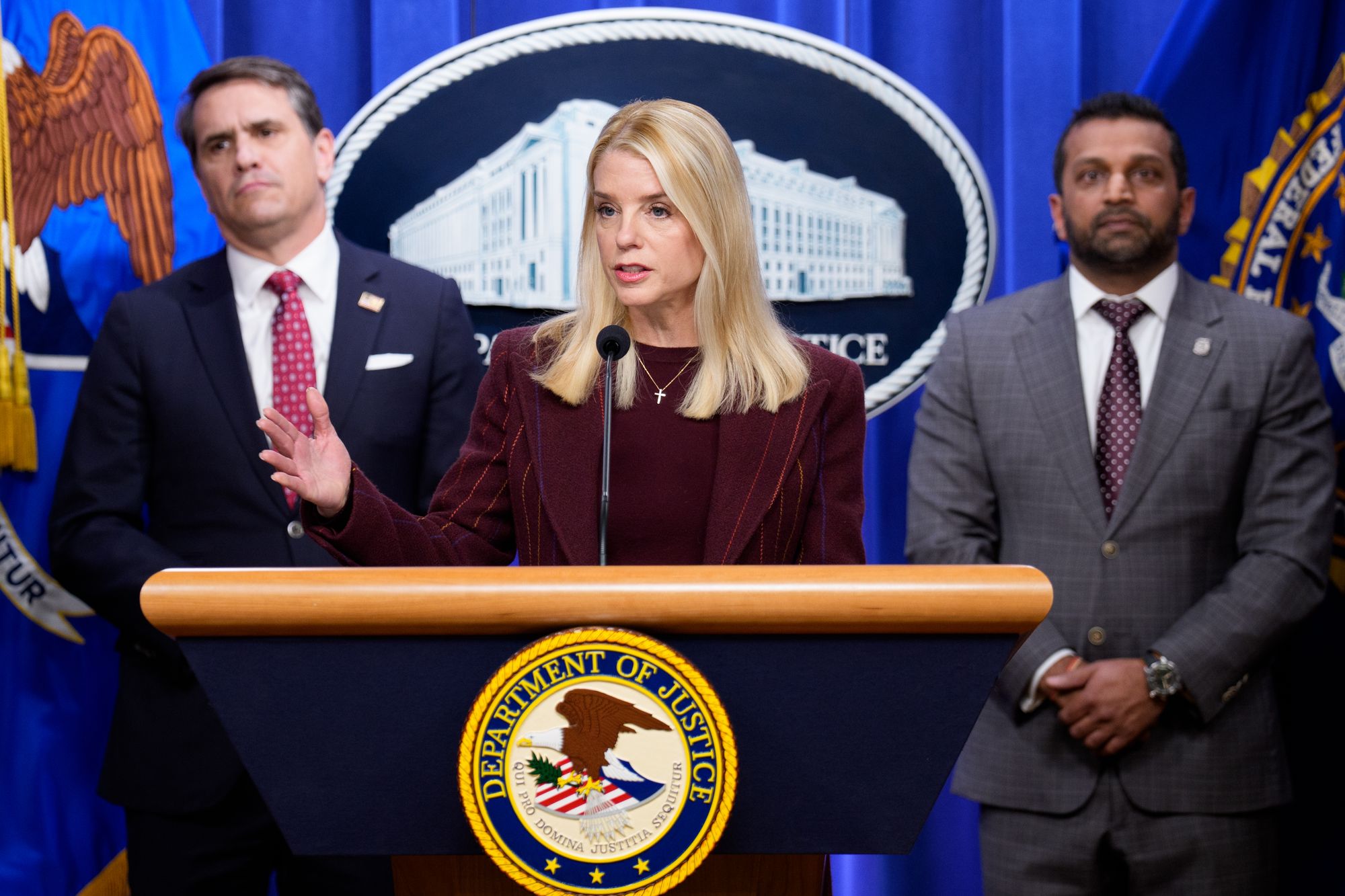
Earlier this month, Trump ordered a “blockade” of all sanctioned oil tankers entering and leaving Venezuela, marking the latest move by Washington to intensify pressure on Venezuelan President Nicolas Maduro. The Coast Guard has successfully seized two oil tankers near Venezuela in recent weeks. Following the first seizure on December 10, Attorney General Pam Bondi shared a 45-second video depicting two helicopters approaching a vessel and armed personnel in camouflage rappelling onto its deck.

A social media post from the Department of Homeland Security, which oversees the Coast Guard, on Saturday showed what appeared to be Coast Guard officers aboard the Gerald Ford aircraft carrier preparing to depart and seize the Centuries tanker, the second vessel boarded by the US.
However, a US official, speaking anonymously, clarified that the Coast Guard personnel on the Ford were from an MSRT but were too far from the Bella 1 at the time to conduct a boarding operation.
“There are limited teams who are trained for these types of boardings,” stated Corey Ranslem, chief executive of maritime security group Dryad Global and a former member of the US Coast Guard.
The Department of Homeland Security has not yet responded to requests for comment, and it remains unclear what other factors, if any, have prevented the Coast Guard from seizing the vessel. Ultimately, the administration could opt not to board and seize the ship.
The White House confirmed that the United States was still in “active pursuit of a sanctioned dark fleet vessel that is part of Venezuela’s illegal sanctions evasion.”
Despite being a branch of the armed forces, the US Coast Guard operates under the Department of Homeland Security. While the United States has amassed a substantial military presence in the Caribbean, including an aircraft carrier, fighter jets, and other warships, the Coast Guard’s resources in the region are considerably fewer.
The service has consistently highlighted its lack of adequate resources to effectively manage its expanding list of missions, which include search and rescue operations and drug interdictions. In November, the Coast Guard announced it had seized approximately 49,000 pounds of drugs, valued at over $362 million, in the eastern Pacific.
“The Coast Guard is in a severe readiness crisis that is decades in the making,” Admiral Kevin Lunday, who leads the Coast Guard, informed lawmakers in June. For the fiscal year ending September 2026, the Coast Guard requested $14.6 billion in funding. It will receive an additional $25 billion through a sweeping spending and tax legislation, known as the “One Big Beautiful Bill Act.”
“Our Coast Guard is less ready than in any other time in the past 80 years since the end of World War Two. The downward readiness spiral we are on is not sustainable,” Lunday warned earlier this year.