Breaking News
Trump’s Iran strikes risk hitting American pocketbooks if they last

President Donald Trump is gambling that his attack on Iran will not cause Americans serious economic pain in the months before November’s congressional elections.
But that bet may not pay off.
Subscribe to The Post Most newsletter for the most important and interesting stories from The Washington Post.
The conflict’s consequences will depend on how long it lasts and how far it spreads. Oil prices are likely to rise and shipping disruptions could make other goods more expensive, too, hitting American pocketbooks and derailing expectations of an acceleration in U.S. economic growth.
Oil prices are the immediate concern. Brent crude, the global benchmark, rose more than 12 percent to $73 per barrel in the past month as traders priced in the risk of Saturday’s U.S.-led assault. Even a short war would likely drive oil to $80 and send U.S. gasoline prices higher, analysts said.
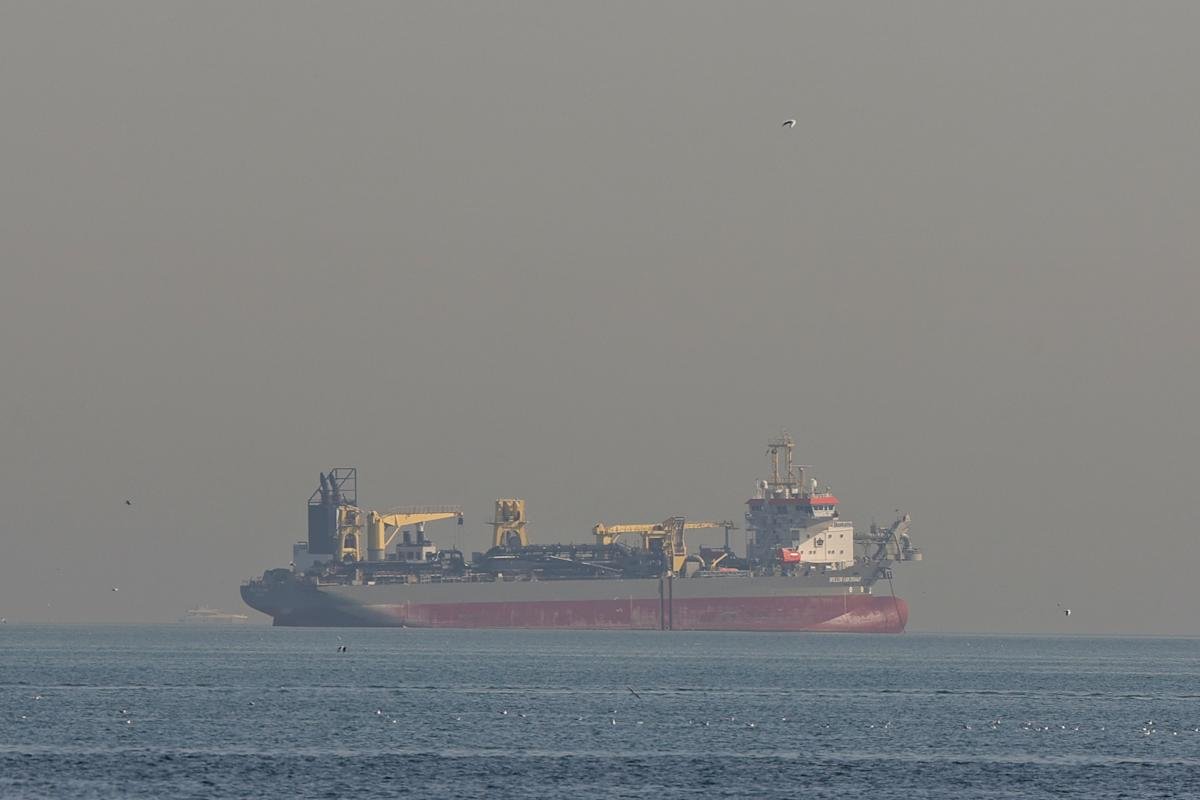
More extreme developments that interrupt the flow of oil from Iran and its regional neighbors, including Saudi Arabia, Iraq and the United Arab Emirates, could send prices soaring into triple digits. About one-fifth of the world’s seaborne oil trade passes through the Strait of Hormuz off Iran’s coast, which Iran’s Revolutionary Guard Corps said it closed shortly after the strikes began.
A sustained conflict could rattle Wall Street, denting the investment gains that Trump bragged about in Tuesday’s State of the Union address. U.S. stocks are at historically high prices relative to corporate earnings. Share values have wobbled in recent sessions amid fears that artificial intelligence companies may be overvalued. Many investors expect a sell-off when Asian markets open for trading Sunday night.
Disruptions to the oil and stock markets could mean “suddenly you’ve got gas prices up and 401(k)’s down,” said Neil Shearing, chief global economist for Capital Economics in London.
That outcome would complicate the administration’s efforts to demonstrate progress on voters’ affordability concerns before they choose members of the next Congress. Trump has claimed he lowered the cost of living, but 65 percent of Americans disapprove of his handling of inflation, according to a Washington Post-ABC News-Ipsos poll taken earlier this month.
Global container shipping is likely to be affected by the fighting, which could make many consumer and industrial products more expensive in the Persian Gulf region and possibly beyond. Within hours of the first U.S. attacks, Hapag-Lloyd, one of the world’s largest cargo carriers, said it was suspending all transits through the Strait of Hormuz.
Story Continues