US Politics
Trump to repatriate two survivors of strike on alleged ‘drugs sub’ destroyed in Caribbean

Your support helps us to tell the story
From reproductive rights to climate change to Big Tech, The Independent is on the ground when the story is developing. Whether it’s investigating the financials of Elon Musk’s pro-Trump PAC or producing our latest documentary, ‘The A Word’, which shines a light on the American women fighting for reproductive rights, we know how important it is to parse out the facts from the messaging.
At such a critical moment in US history, we need reporters on the ground. Your donation allows us to keep sending journalists to speak to both sides of the story.
The Independent is trusted by Americans across the entire political spectrum. And unlike many other quality news outlets, we choose not to lock Americans out of our reporting and analysis with paywalls. We believe quality journalism should be available to everyone, paid for by those who can afford it.
Your support makes all the difference.
Read more
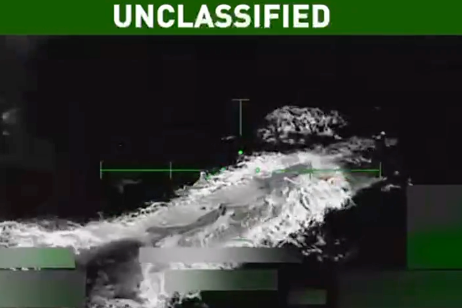
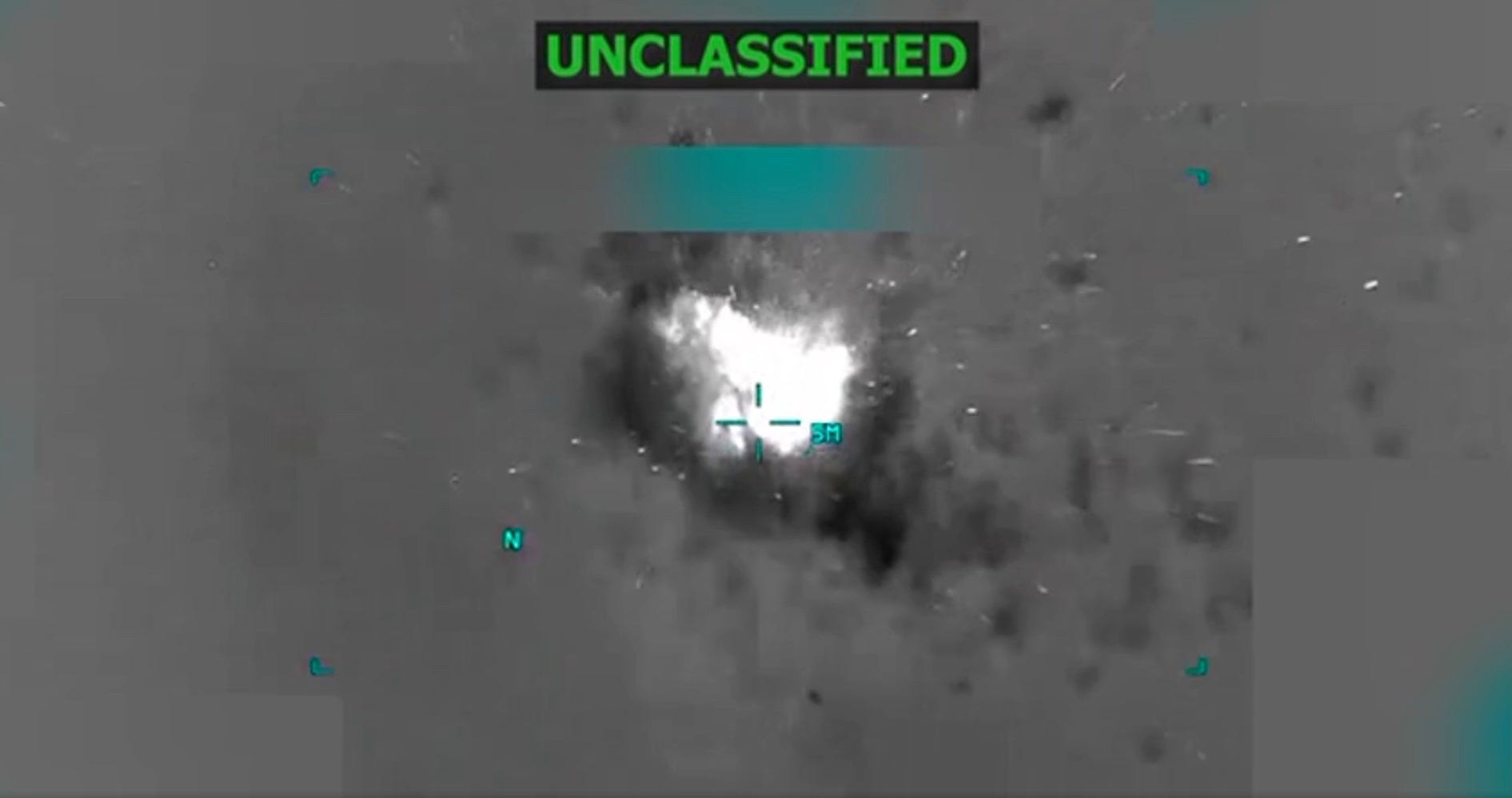
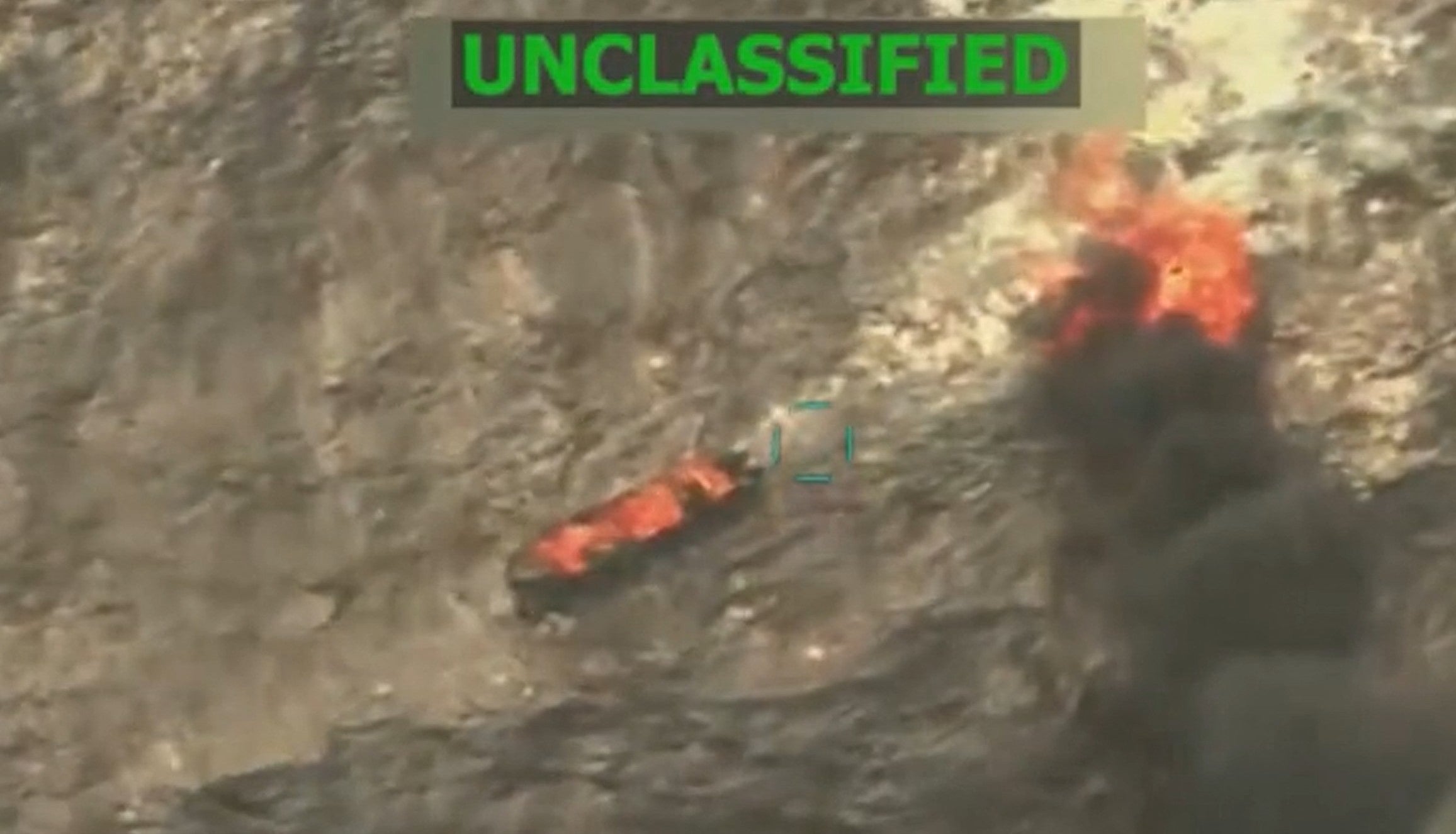
The Trump administration is repatriating two people who survived Thursday’s U.S. military strike against an alleged drug-running submarine in the Caribbean, according to the president.
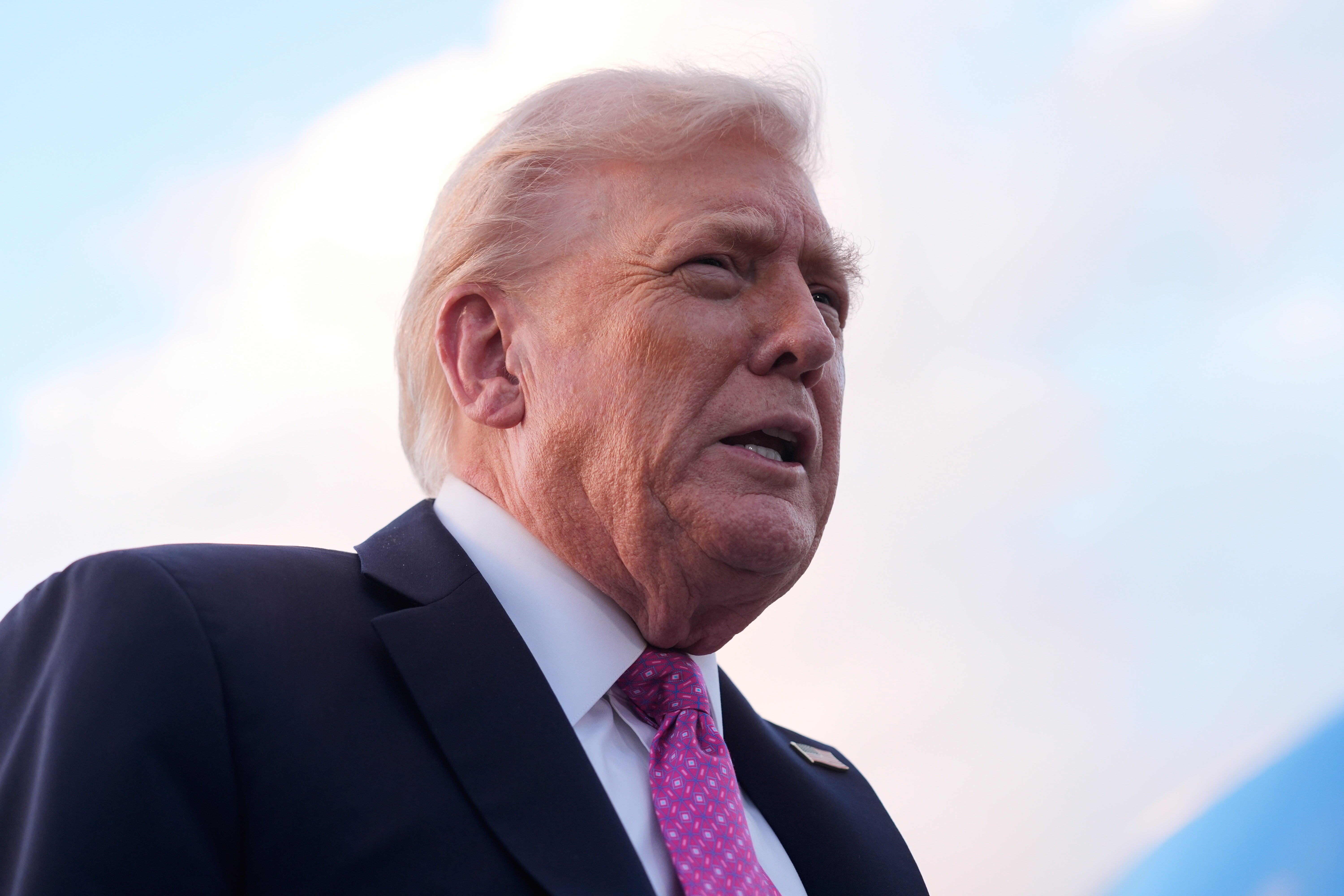
“The two surviving terrorists are being returned to their Countries of origin, Ecuador and Colombia, for detention and prosecution,” Donald Trump Trump wrote on his Truth Social account Saturday, sharing a video of the attack. “No U.S. Forces were harmed in this strike,” he said.
Two others were killed in the long-range attack, Trump said, bringing the overall death toll of such recent strikes to 29.
The president described the vessel that was hit as a “very large drug-carrying submarine” that U.S. intelligence “confirmed” was carrying mostly fentanyl.
He claimed allowing the vessel’s cargo to arrive in America could have killed thousands.

open image in gallery
The Independent has requested comment from the Columbian and Ecuadorian embassies in the United States.
The U.S. Navy reportedly rescued the survivors following the Thursday attack.
A Navy search and rescue team was deployed and the survivors were put in detention on a Navy ship in international waters, officials told The New York Times.
The detentions posed complicated legal questions for the Trump administration over whether to hold the survivors as indefinite wartime detainees or transfer them to military or criminal authorities for prosecution.
The latter option may open the strikes to legal scrutiny or expose the details that went into planning them, which have largely been kept out of the public eye so far.

open image in gallery
Critics alleged the repatriation effort was a sign of spotty intelligence behind the strike.
“Generally, narcoterrorists are not repatriated unless they aren’t who Trump and [Defense Secretary Pete] Hegseth say they are,” former Homeland Security official Julliette Kayyem wrote on X. “Seems like we are just randomly killing people in boats.”
Prior to Thursday’s attack, 27 people had been killed as part of the Trump administration’s recent anti-drug operation in the region, which the White House has controversially declared to be a formal armed conflict against drug cartels.
Details have been scarce about what intelligence the Trump administration is using to conduct these strikes, and the names of those killed have not been released.

open image in gallery
Chad Joseph, 26, of Trinidad and Tobago, may have been one of six people killed in a similar strike earlier this week, according to his family.
Joseph, a fisherman from the village of Las Cuevas, had been living in Venezuela in recent months. His family said he frequently made trips across the Caribbean in his work as a fisherman.
“I don’t want to believe that this is my child,” his mother, Lenore Burnley, told The New York Times. “Is this really true?”
Joseph’s family denies he is a drug trafficker.
On Saturday, the U.S. embassy in Trinidad and Tobago put out a notice advising Americans against visiting U.S. government facilities in the country “due to a heightened state of alert.”
open image in gallery
The strikes are facing bipartisan criticism from Congress, which has sole authority to declare war and hasn’t authorized any new hostilities in support of the Caribbean operation.
On Friday, a group of senators said they would force a vote to block the Trump administration from attacking Venezuela, which the White House accuses of working in coordination with drug cartels.
Admiral Alvin Hosley, the head of U.S. Southern Command, which is overseeing the strikes, will retire at year’s end, according to the Department of Defense, reportedly after Hosley expressed concern about the strikes.
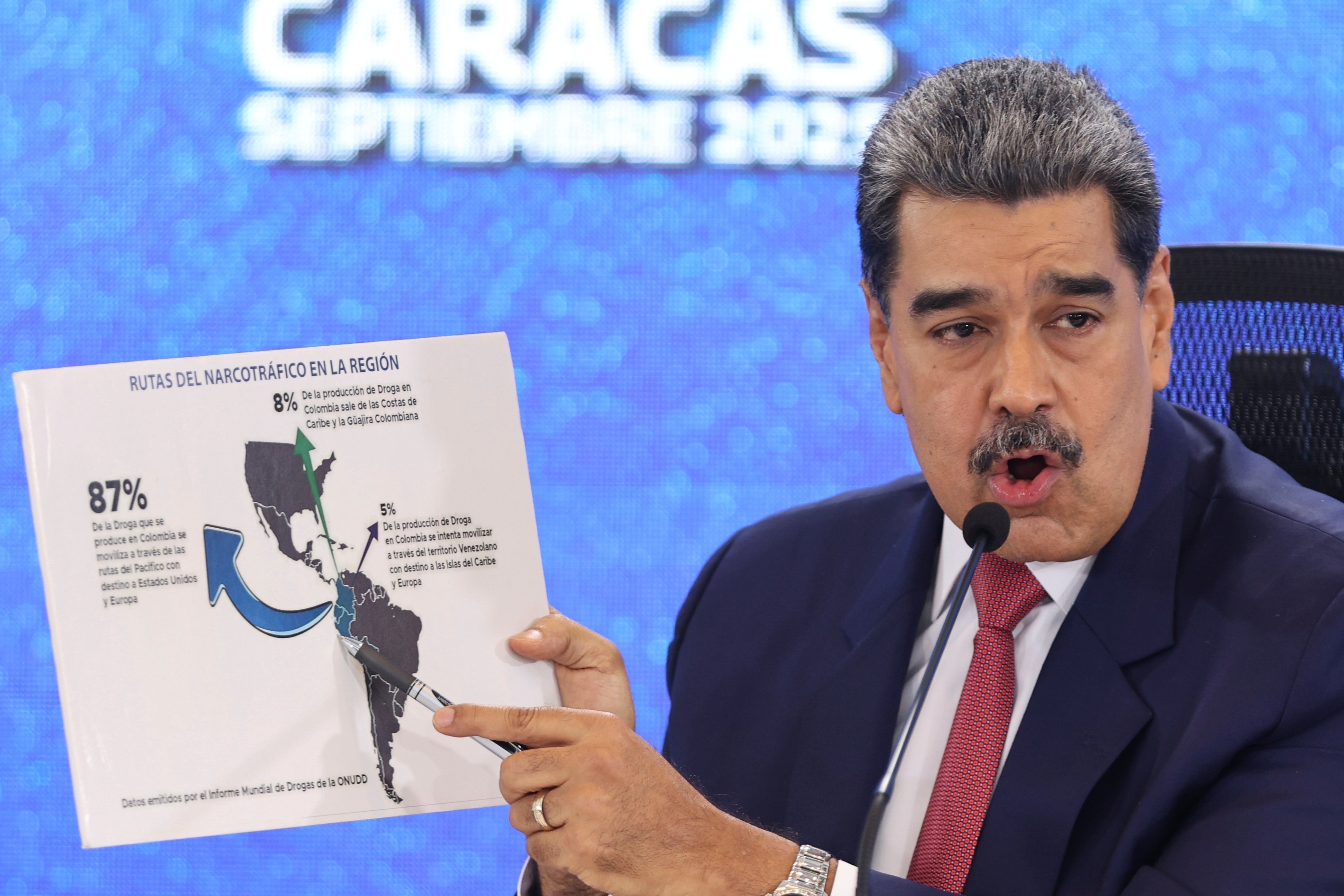
Venezuela, whose citizens are thought to have been killed in prior strikes on the boats, has fiercely criticized the U.S. military buildup in the region and mobilized its own troops and militia forces.

open image in gallery
Legal observers have warned the strikes may not be legal, despite the White House insisting the U.S. is formally engaged in an “armed conflict” with drug cartels that the president has labeled “unlawful combatants,” freeing up wartime powers.
“All available evidence suggests that President Trump’s lethal strikes in the Caribbean constitute murder, pure and simple,”Jeffrey Stein, director of the ACLU’s National Security Project, said in a recent statement. “The public deserves to know how our government is justifying these attacks as lawful, and, given the stakes, immediate public scrutiny of its apparently radical theories is imperative.”
Trump told reporters Wednesday he authorized CIA missions inside Venezuela as part of his anti-drug crackdown.
The president added that the United States was now looking at land operations against Venezuela following the naval strikes.
He claimed Friday that Venezuelan leader Nicholas Maduro has offered overtures to ease tensions in the region.
“He has offered everything,” Trump said, referring to Maduro. “You know why? Because he doesn’t want to f*** around with the United States.”