US Politics
Supreme Court extends order blocking full funding for SNAP benefits with shutdown nearing end

Your support helps us to tell the story
From reproductive rights to climate change to Big Tech, The Independent is on the ground when the story is developing. Whether it’s investigating the financials of Elon Musk’s pro-Trump PAC or producing our latest documentary, ‘The A Word’, which shines a light on the American women fighting for reproductive rights, we know how important it is to parse out the facts from the messaging.
At such a critical moment in US history, we need reporters on the ground. Your donation allows us to keep sending journalists to speak to both sides of the story.
The Independent is trusted by Americans across the entire political spectrum. And unlike many other quality news outlets, we choose not to lock Americans out of our reporting and analysis with paywalls. We believe quality journalism should be available to everyone, paid for by those who can afford it.
Your support makes all the difference.
Read more
The Supreme Court will continue to block a judge’s order requiring President Donald Trump’s administration to fully fund a critical food assistance program that helps prevent millions of Americans from going hungry.
The nation’s highest court extended a pause on that order for another two days as Congress inches closer to ending the government shutdown. Lawmakers are expected to pass a temporary funding bill this week that will effectively restart funding for the Supplemental Nutrition Assistance Program.
A brief order from the court Tuesday night noted that liberal Justice Ketanji Brown Jackson would have rejected the Trump administration’s request and allowed the lower-court order requiring the government to fully fund the program to stand.
The Supreme Court’s latest order remains in effect until midnight Thursday. The House of Representatives is expected to vote on a temporary funding measure to reopen the government Wednesday night, which would likely bring the legal battle to an end.
“The only way to end this crisis,” Solicitor General D. John Sauer wrote in the Trump administration’s latest filing to the Supreme Court, “is for Congress to reopen the government.”

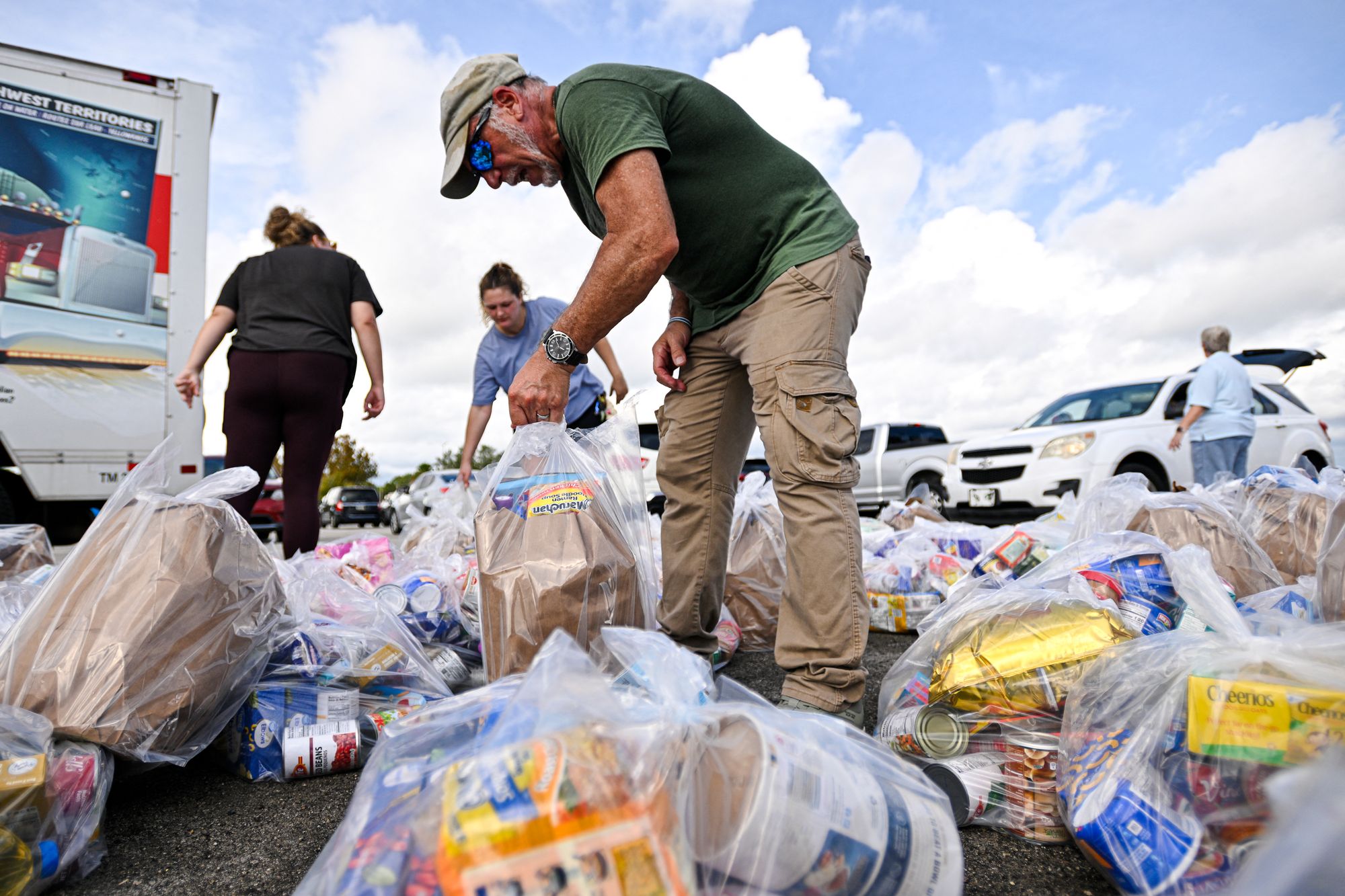
For the second time within four days, the administration called on the Supreme Court Monday to continue blocking lower court orders that required the government to fully fund the program and ensure nearly 42 million Americans and their families receive full benefits this month.
Last week, District Judge John McConnell ordered the administration to fully fund the program after finding that the government failed to address any administrative issues that prevented states from quickly sending out at least partial benefits.
A federal appeals court rejected the Trump administration’s appeal, and the administration then swiftly appealed to the nation’s high court, which hours later granted Trump’s request to temporarily freeze the judge’s order while the legal challenge plays out.
The legal back-and-forth and conflicting guidance from government agencies has left families in limbo, unsure when or how they can afford groceries without critical SNAP benefits.
“This decision means millions of Americans will once again be left wondering how they will feed their families,” said New York Attorney General Letitia James, who launched a parallel legal battle with 25 Democratic officials urging the courts to restart SNAP funding and block the Department of Agriculture from trying to claw back funds that have already been sent out to families during the legal chaos.
“We hope to see an end to this suffering soon, as the government reopens and SNAP is once again fully funded,” James said Tuesday night. “In the meantime, any New Yorkers who have received their November SNAP benefits should not be afraid to use them.”
Until federal courts intervened, the Trump administration intended to freeze funding for the program altogether, warning that the “well has run dry” and no benefits were to be delivered November 1.
The administration then agreed to tap into $4.65 billion in contingency funds to cover roughly 65 percent of benefits, which are administered by states on prepaid cards that can be used to pay for groceries.
The USDA said those partial payments were sent to states last week, but officials wrote in court documents that it would “take anywhere from a few weeks to up to several months” for all recipients to start seeing those benefits. The USDA also ordered states to “undo” any steps taken to ensure those payments were going to beneficiaries, adding more confusion that has left families scrambling.