
AI / Tech
Sierra raises $950M as the race to own enterprise AI gets serious

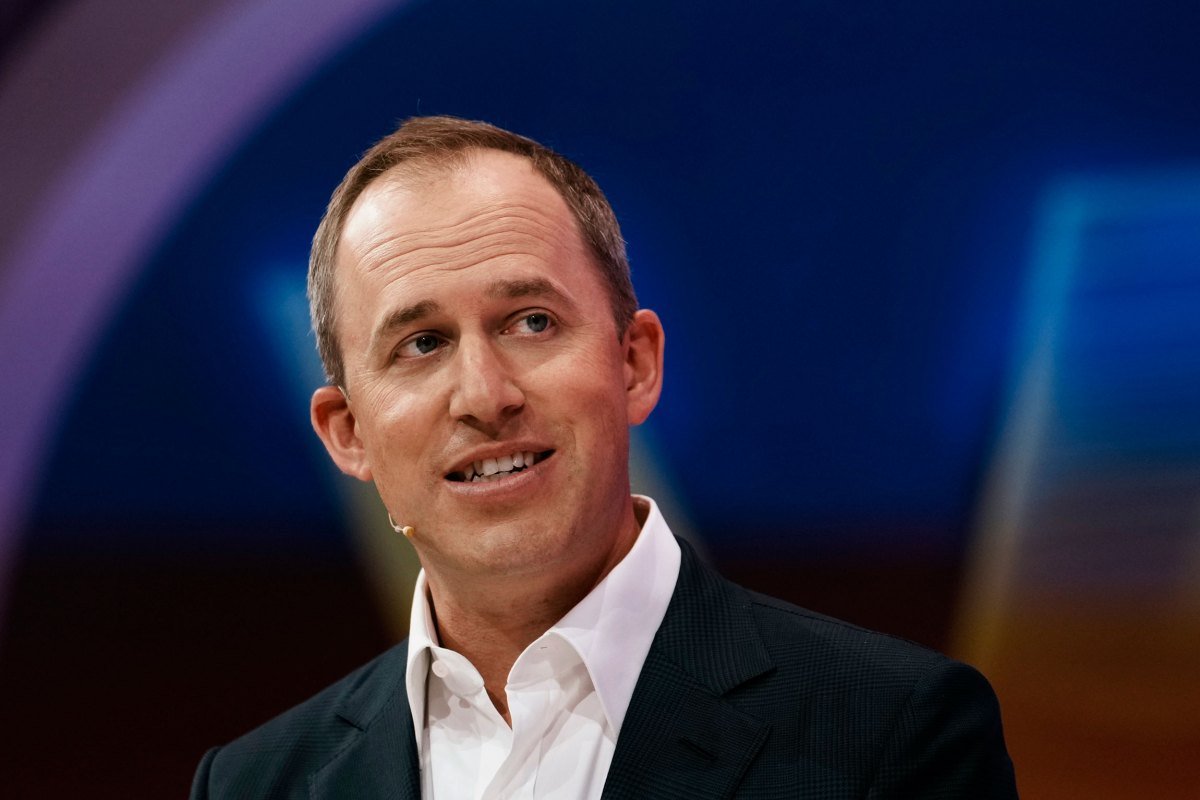
Bret Taylor’s AI startup Sierra is raising a $950 million funding round led by Tiger Global and GV, the company announced Monday, pushing its post-money valuation above $15 billion. The raise gives Sierra more than $1 billion to work with — capital the company says it will use to become the “global standard” for AI-powered customer experiences.
Like a lot of AI companies, Sierra has, smartly, been very proactive in touting its own growth in a crowded market. The company says it started with just four design partners a couple of years ago. Today it claims to have more than 40% of the Fortune 50 as customers, and says the agents running on its platform are handling billions of interactions, from refinancing mortgages to processing insurance claims, managing returns, and powering nonprofit fundraising campaigns.
Indeed, the funding news follows a stretch of breakneck revenue growth as shared by Sierra, which first said it hit $100 million in annual recurring revenue in late November, then published another post in early February, saying it had hit $150 million in ARR.
That pacing reflects both the urgency enterprises feel about deploying AI and the costs that come with it. Taylor, who also serves as chairman of OpenAI and was formerly co-CEO of Salesforce, has said that the best-case outcome for agentic AI is lower costs and higher revenue for clients, but before those returns materialize, the ramp-up phase can be pricey.
That exact scenario showed up in a conversation at one of TechCrunch’s StrictlyVC events last week. Uber CTO Praveen Neppalli Naga put it plainly in conversation with this editor, saying that Uber “blew through our [AI] budget” soon after opening the door to agentic AI tools late last year. He also said the company is starting to see meaningful results.
Across a staff of roughly 8,000 engineers and technical workers, about 10% of all code being produced at the company is now generated autonomously, he said, adding that “10% at our scale is huge.” As a proof-of-concept, Uber tasked one team with building a new hotel-booking integration using only agentic workflows. Work that would normally take a year was done in six months, he said.
Sierra is also moving to expand what its platform can do beyond customer-facing agents. In April, the company launched Ghostwriter, an “agent as a service” tool designed to build other agents. Users describe what they need in natural language, and Ghostwriter autonomously creates and deploys a specialized agent to handle it.
Techcrunch event
San Francisco, CA
|
October 13-15, 2026
For Taylor, the tool underlines a broader thesis he laid out at the HumanX conference in San Francisco last month. Many enterprise software tools, he argued, are barely used. Employees log into Workday when they onboard and again at open enrollment, and that’s about it. The future Sierra and its investors are betting on is one where people never need to navigate complex systems at all.
When you purchase through links in our articles, we may earn a small commission. This doesn’t affect our editorial independence.