US Politics
Senator Ron Wyden demands answers after Trump accepted Rolex and gold bar before slashing tariffs on Switzerland

Your support helps us to tell the story
From reproductive rights to climate change to Big Tech, The Independent is on the ground when the story is developing. Whether it’s investigating the financials of Elon Musk’s pro-Trump PAC or producing our latest documentary, ‘The A Word’, which shines a light on the American women fighting for reproductive rights, we know how important it is to parse out the facts from the messaging.
At such a critical moment in US history, we need reporters on the ground. Your donation allows us to keep sending journalists to speak to both sides of the story.
The Independent is trusted by Americans across the entire political spectrum. And unlike many other quality news outlets, we choose not to lock Americans out of our reporting and analysis with paywalls. We believe quality journalism should be available to everyone, paid for by those who can afford it.
Your support makes all the difference.
Read more
President Donald Trump is being asked to provide more information about the Rolex watch and gold bar he accepted from Swiss businessmen last year, shortly before agreeing to lower tariffs on Swiss goods, by the top Democrat on the Senate Finance Committee.
Oregon Senator Ron Wyden is seeking more details to determine whether the president violated laws by accepting the gifts before cutting the deal, according to the letter seen by Bloomberg.
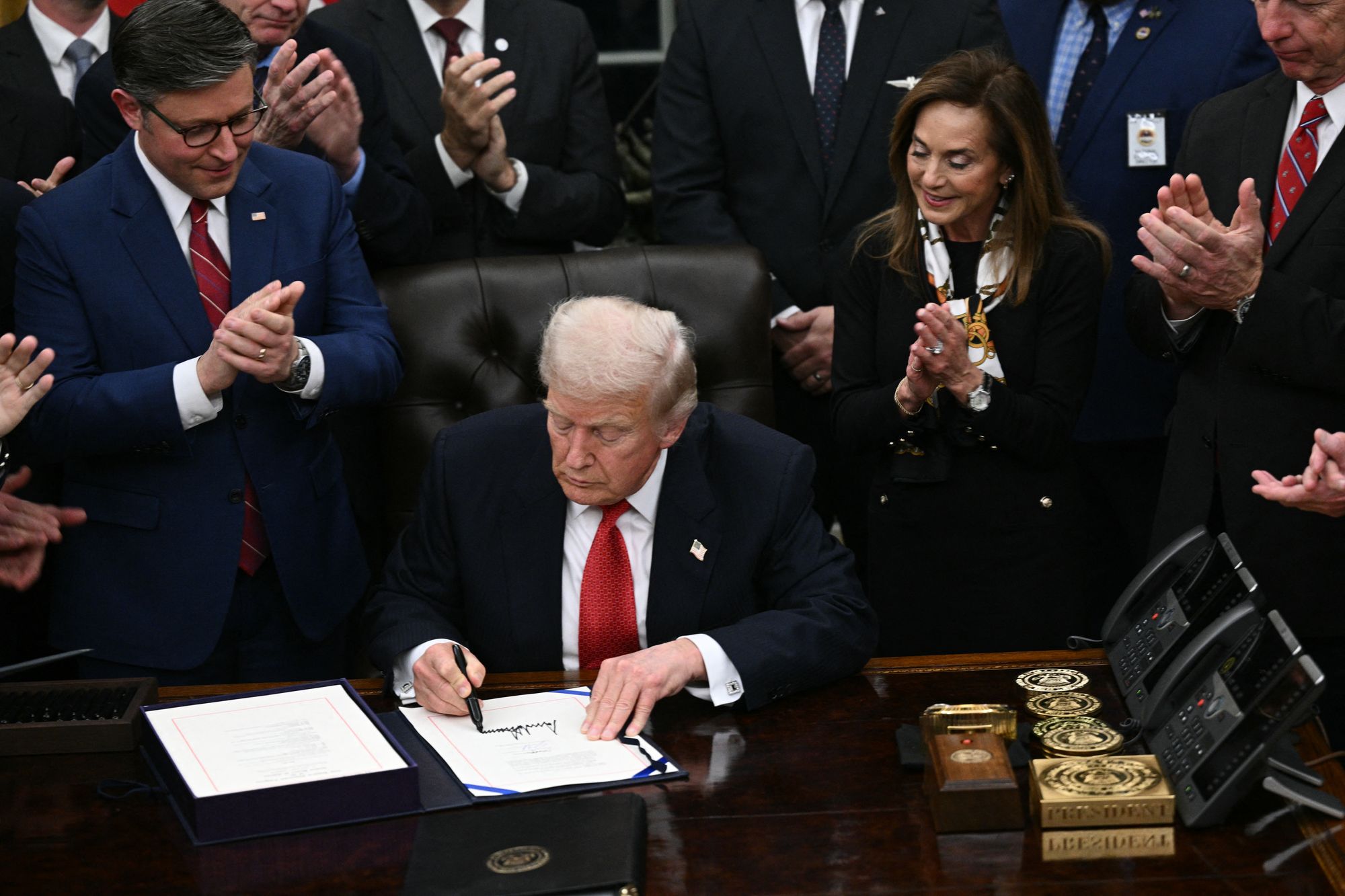
In November, a delegation of Swiss businessmen visited the White House to speak with Trump after he imposed a 39 percent tariff on Swiss goods. Shortly thereafter, a Rolex table clock, which does not appear to be available for purchase by the general public, appeared on the president’s desk.
In addition, a custom gold bar was displayed on the Resolute Desk, worth more than $130,000, according to Wyden’s office.
Less than two weeks later, Trump announced a deal that reduced Swiss tariffs from 39 percent – the highest tariff placed on any Western country – to 15 percent. The Swiss tariffs remain at this rate.

open image in gallery
At the time, the White House said the gifts were donations to Trump’s future presidential library, complied with U.S. and Swiss laws and were cleared by the White House legal counsel.
In his letter, Wyden wrote: “Trump’s acceptance of gifts of significant monetary value just days before lowering tariffs on goods from Switzerland creates a blatant conflict of interest and possible constitutional violations.”
The Independent has asked Senator Wyden’s office for comment.
The foreign and domestic emoluments clauses are some of the U.S.’s oldest anticorruption buffers. Under the Foreign Emoluments Clause, federal officials are prohibited from accepting a present, office, title or payment from another head of state without the consent of Congress.
Wyden also questioned whether Swiss negotiators informed U.S. Trade Representative Jamieson Greer of the gifts before or after presenting them to Trump and which administration official recommended the new, lower tariff rate.
open image in gallery
The White House pushed back on suggestions of a conflict of interest.
White House spokesperson Kush Desai said in a statement: “Switzerland secured a trade deal and lower tariffs by reducing their unfair trade barriers and committing to invest billions in the United States.
“The only special interest guiding President Trump’s decision-making is the best interest of the American people, and any suggestion otherwise is completely unfounded. President Trump is an extraordinarily successful businessman who can afford his own Swiss table clock.”
Trump’s decision to slap a 39 percent tariff on Switzerland in August stunned the country’s officials, since the U.S. is the top export destination for Swiss goods such as pharmaceuticals, luxury watches and precious metals.
open image in gallery
While in Davos last week, Trump said he imposed the tariff at a higher rate because he was “rubbed the wrong way” by former Swiss President Karin Keller-Sutter. Subsequently, Swiss officials reportedly struggled to convince the president to lower the tariff rate before the delegation of businessmen helped thaw tensions, according to Reuters.
Trump has a well-known love for lavish, personalized gifts, which has raised questions about presidential ethics. Lawmakers and nonprofit organizations have said that the appearance of accepting such gifts leads to concerns about quid-pro-quos or giving certain countries preferential treatment as a result.
“This affair also creates a perception that lavishing gifts on the President, rather than negotiating with [US Trade Representative] is the best way for trading partners to engage with the United States,” Wyden wrote.
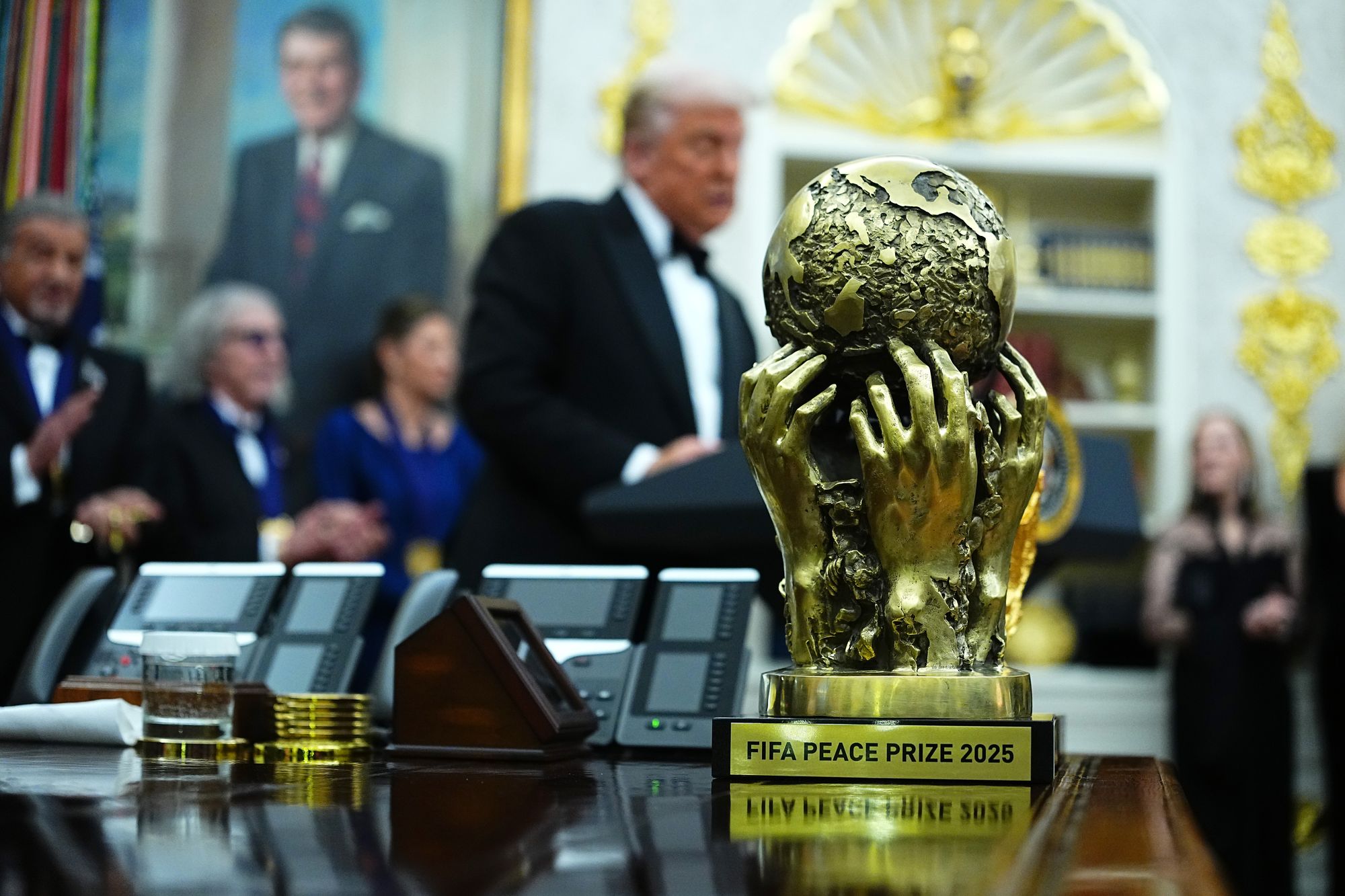
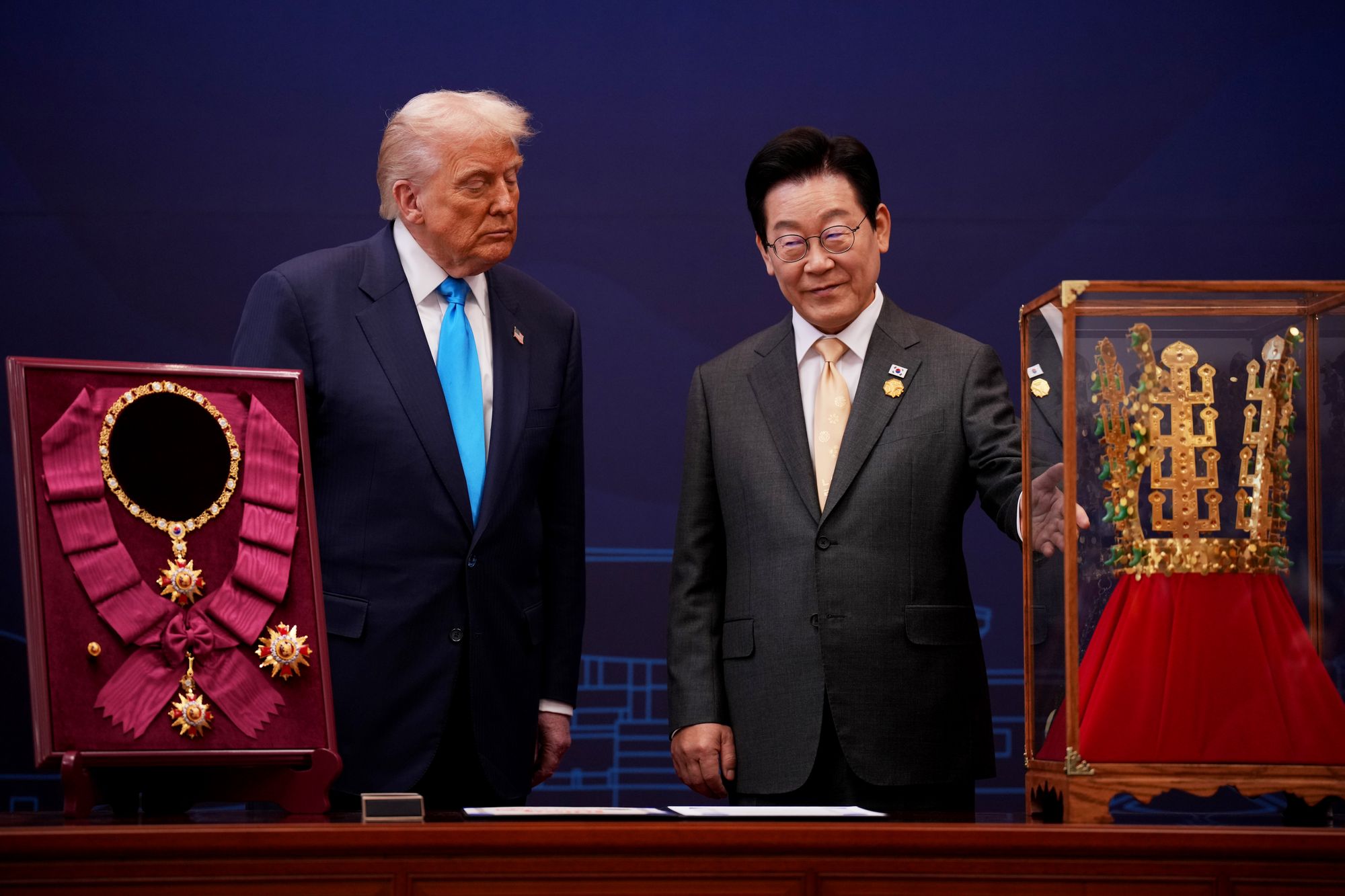
Over the last year, Trump has publicly accepted a gold crown from South Korea, a 24-karat gold and glass plaque from Apple CEO Tim Cook, the “FIFA Peace Prize” from FIFA President Gianni Infantino, a gold pager from Israel, a portrait from Russian President Vladimir Putin of the leaders together and a $400 million luxury Boeing 747 jet from Qatar to serve as the new Air Force One, before being transferred to his presidential library.