US Politics
Oil tankers divert from Venezuela after Trump’s ‘total blockade’ threat

Your support helps us to tell the story
From reproductive rights to climate change to Big Tech, The Independent is on the ground when the story is developing. Whether it’s investigating the financials of Elon Musk’s pro-Trump PAC or producing our latest documentary, ‘The A Word’, which shines a light on the American women fighting for reproductive rights, we know how important it is to parse out the facts from the messaging.
At such a critical moment in US history, we need reporters on the ground. Your donation allows us to keep sending journalists to speak to both sides of the story.
The Independent is trusted by Americans across the entire political spectrum. And unlike many other quality news outlets, we choose not to lock Americans out of our reporting and analysis with paywalls. We believe quality journalism should be available to everyone, paid for by those who can afford it.
Your support makes all the difference.
Read more
Some oil tankers have changed course away from Venezuela after President Donald Trump threatened a “blockade” of sanctioned ships entering or leaving the South American country.
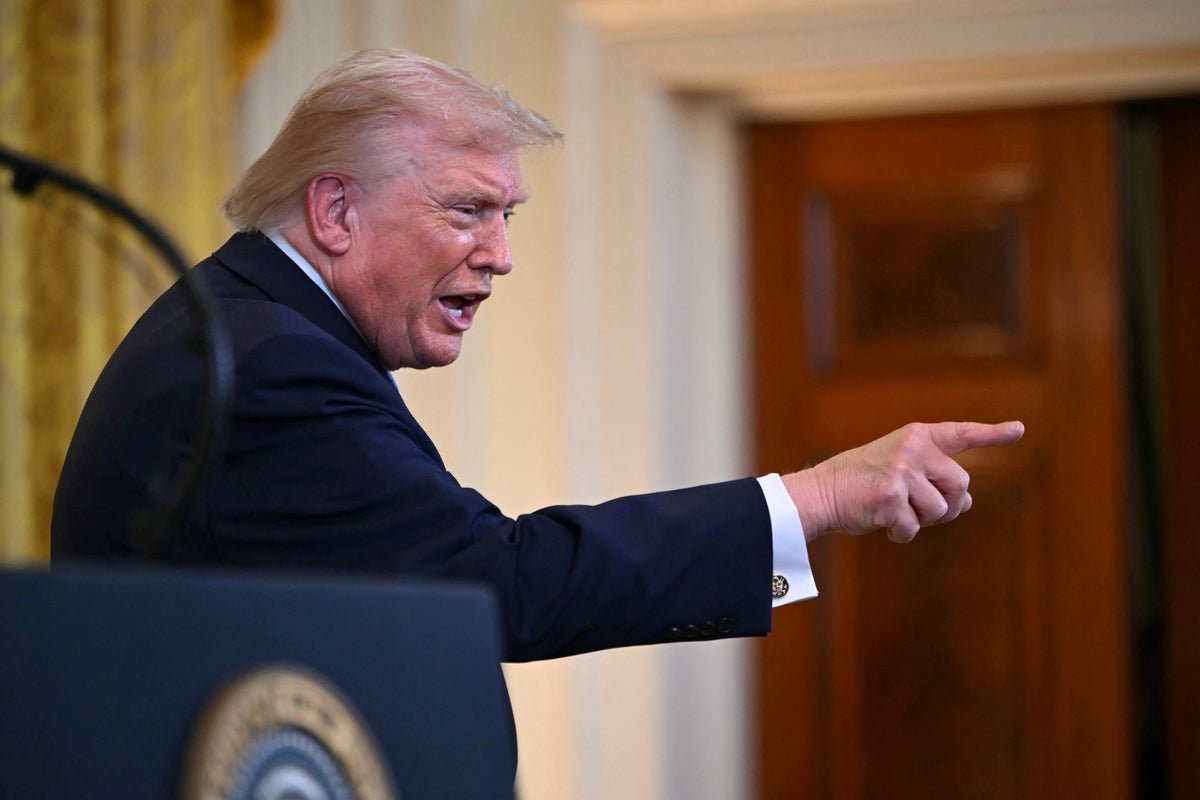
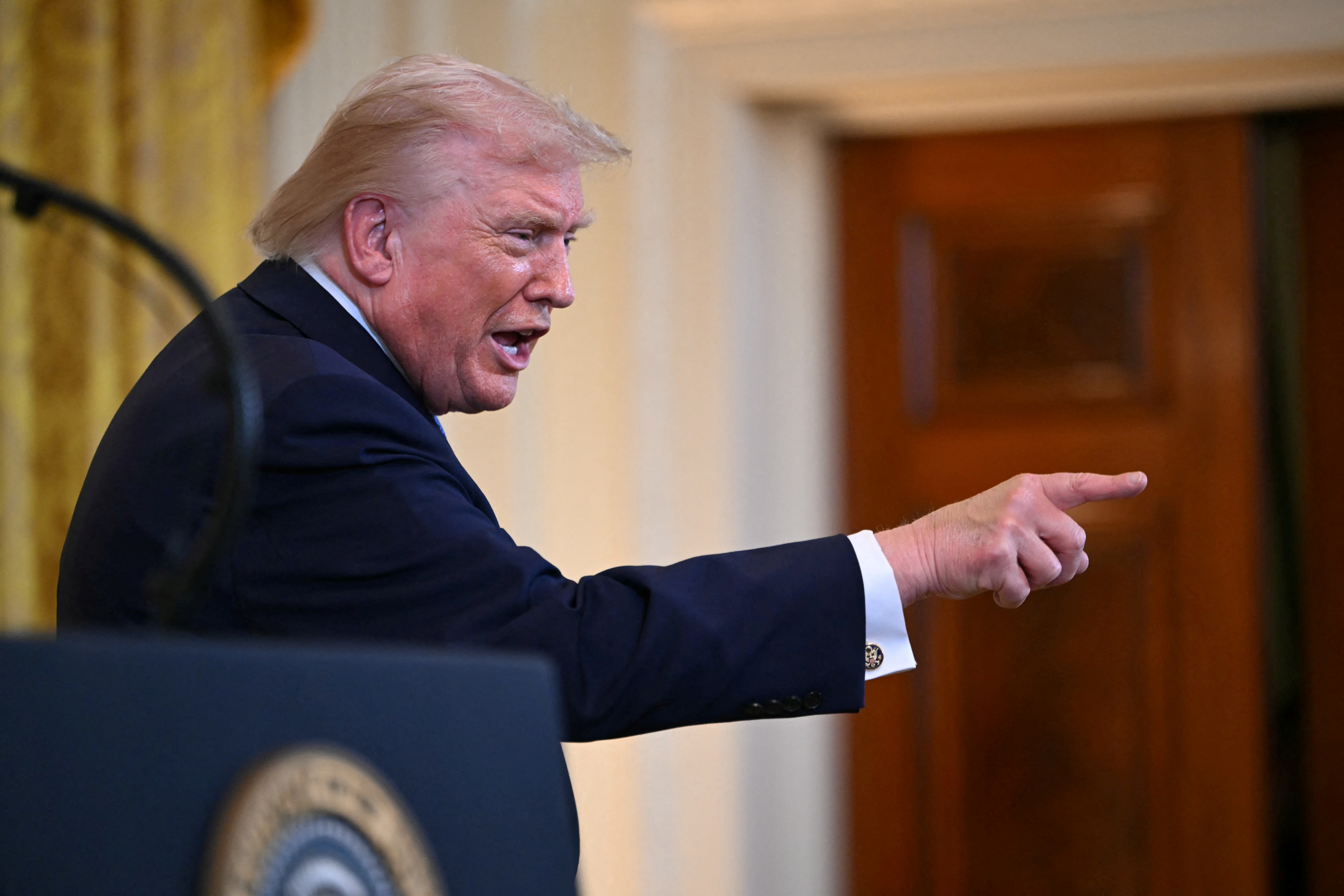
Trump said Tuesday on social media, in all caps, that he is ordering a “total and complete blockade of all sanctioned oil tankers” into and out of Venezuela, a move that threatens to choke off revenue from the world’s largest oil reserves that are key to Maduro’s grip on power.
It’s not clear exactly what Trump meant by his threats.
U.S. sanctions adopted during his first administration makes it illegal for Americans to purchase Venezuela’s crude oil without a license from the Treasury Department.
Additionally, hundreds of ships themselves have been sanctioned — part of a massive shadow fleet of often aging vessels that has proliferated in recent years to transport oil on behalf of Iran, Russia, Venezuela and other U.S. adversaries under sanctions.
At least 30 vessels under sanctions are navigating near Venezuela, according to Windward, a maritime intelligence firm that helps U.S. officials target the shadow fleet.
A few have started to change their course, perhaps fearing they could face the same fate as the Skipper, a sanctioned vessel seized by U.S. forces last week near Venezuela.
“It’s quite clear that this has disrupted energy flows to and from Venezuela,” said Michelle Wiese Bockmann, a senior analyst at Windward.
“Every hour when we’re tracking these vessels, we are seeing tankers that are deviating, loitering or changing their behavior.”
Among those is the Hyperion, which had been sailing toward the Jose port in Venezuela before doing a 90-degree turn early Wednesday and starting to head north away from the South American mainland.
The vessel, previously part of Russia’s state-owned shipping fleet, was one of 173 sanctioned in the final days of the Biden administration for allegedly facilitating Russian oil sales in violation of sanctions over Moscow’s invasion of Ukraine.
Following the penalties, the vessel changed its flag from the Comoros to Gambia. But the West African nation deleted Hyperion — along with dozens of other vessels — from its privately run ship registry in November for allegedly using false certificates claiming to have been issued by its maritime authority.
The vessel’s ownership also is obfuscated under multiple layers of offshore companies, some of them listed in Dubai, United Arab Emirates.
“It’s just screaming that it’s in a position to be seized,” Wiese Bockmann said.