US Politics
Key details about latest Ukraine peace deal – and the main hurdles Russia keeps putting in the way

Your support helps us to tell the story
From reproductive rights to climate change to Big Tech, The Independent is on the ground when the story is developing. Whether it’s investigating the financials of Elon Musk’s pro-Trump PAC or producing our latest documentary, ‘The A Word’, which shines a light on the American women fighting for reproductive rights, we know how important it is to parse out the facts from the messaging.
At such a critical moment in US history, we need reporters on the ground. Your donation allows us to keep sending journalists to speak to both sides of the story.
The Independent is trusted by Americans across the entire political spectrum. And unlike many other quality news outlets, we choose not to lock Americans out of our reporting and analysis with paywalls. We believe quality journalism should be available to everyone, paid for by those who can afford it.
Your support makes all the difference.
Read more
Crucial peace talks are set to take place between Volodymyr Zelensky and Donald Trump in the US on Sunday.
It comes after months of back-and-forth discussions between Kyiv, Washington, Moscow, and Brussels, as world leaders attempt to broker a deal that would bring the nearly four-year conflict between Ukraine and Russia to an end.
Before Christmas, US president Mr Trump said: “I think we’re closer now than we have been, ever,” towards an agreement on a peace deal.
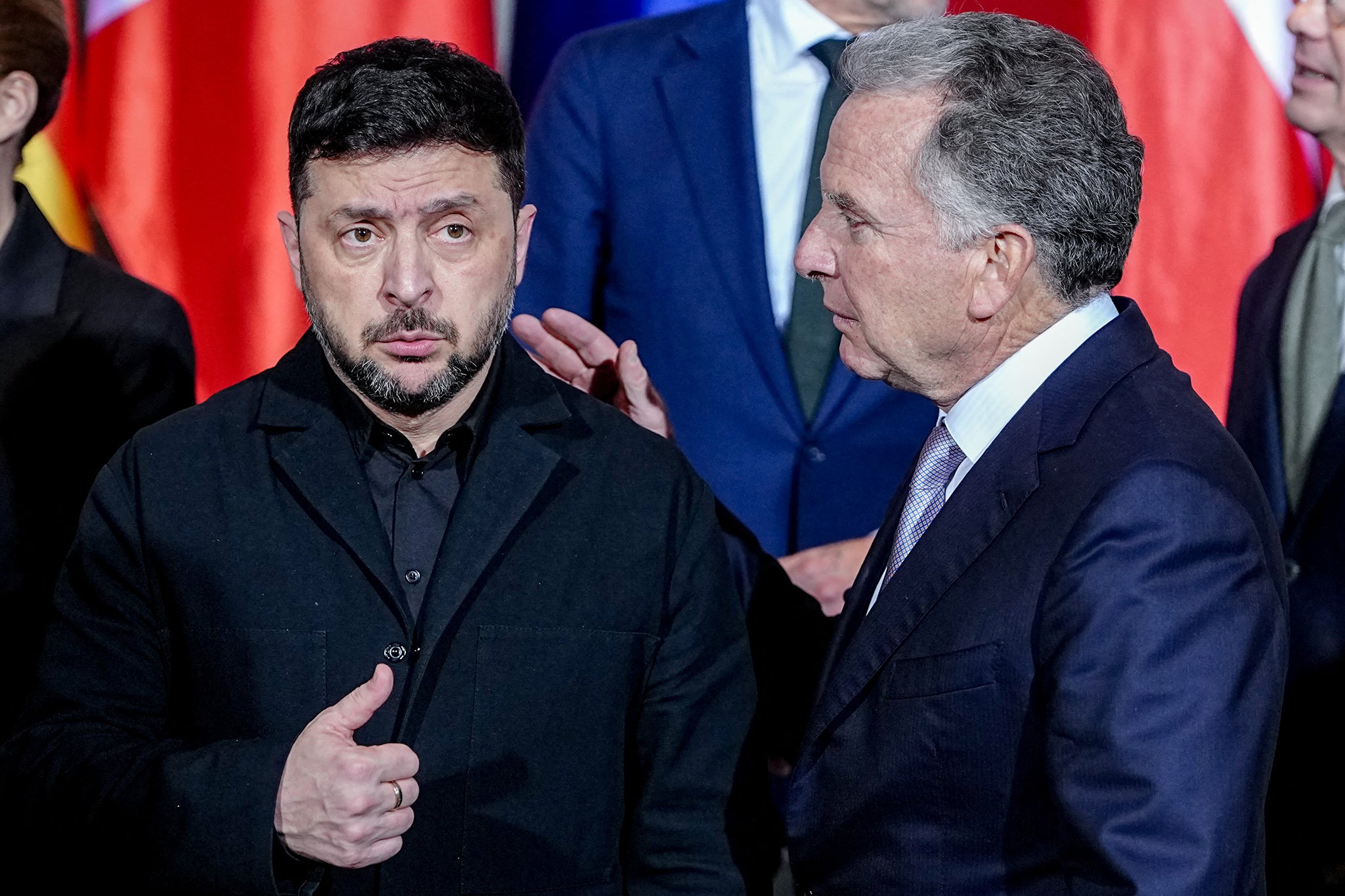
Also earlier this month, Ukrainian president Mr Zelensky emerged from talks in Berlin, flanked by his European allies, with a framework for the security guarantees he says he needs to end the war.
The US is now offering Nato-style protections, meaning the main barrier to peace is territory – something Mr Zelensky says he cannot and will not give up.
Mr Zelensky has said he believes the plan is “90 per cent complete”, and is hoping that the details can be finalised during talks on Sunday.

open image in gallery
But any agreement on the revised 20-point plan still depends on the Kremlin, which has yet to comment on all the details of the proposals.
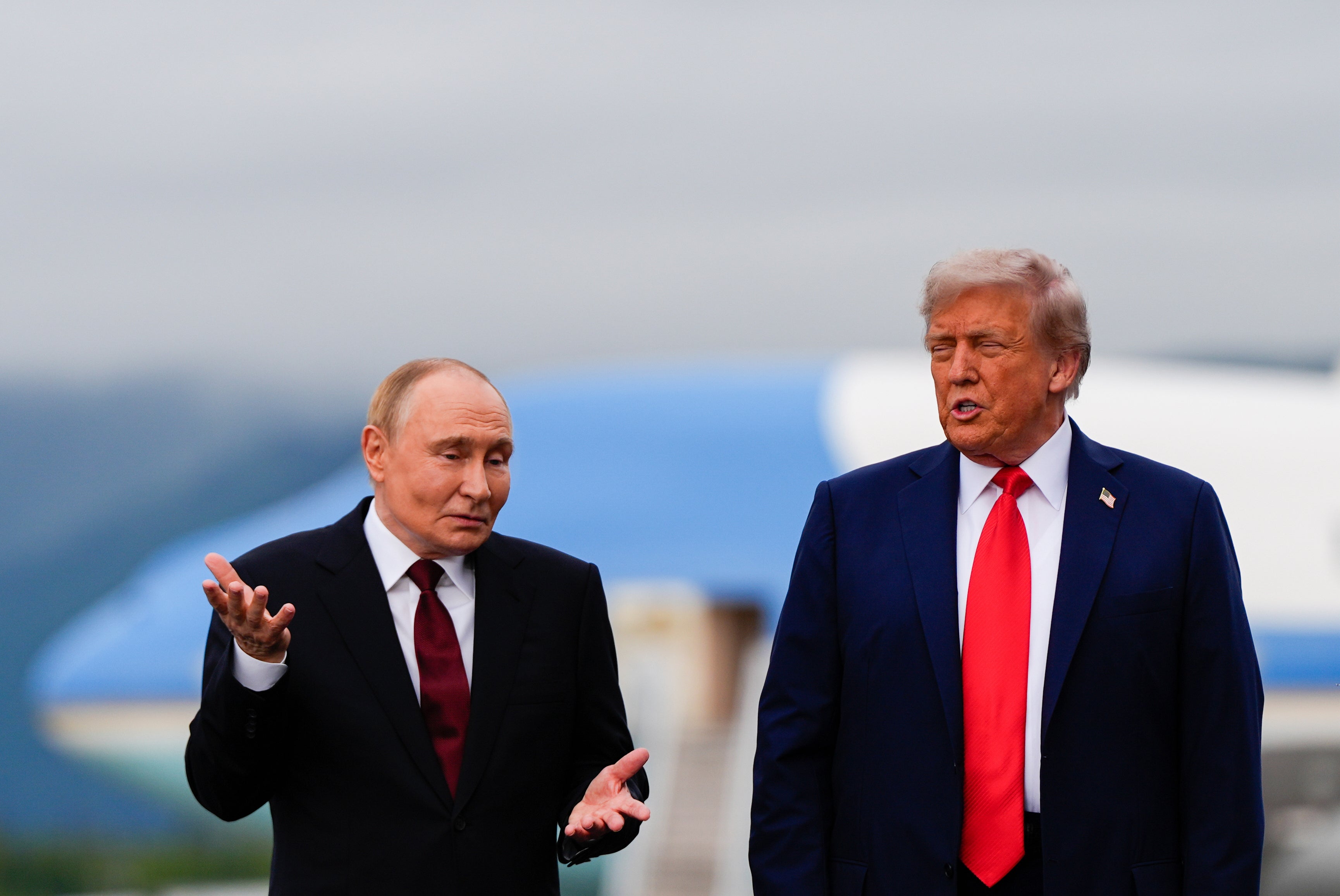
Russia has so far remained unyielding, shooting down any prospect of giving back land or accepting peacekeepers in Ukraine, before seeing the proposals.
Below, we look at what we know about the plan so far and its potential problems.
Ukraine gives up on Nato…
Mr Zelensky offered to give up on Ukraine’s ambitions to join Nato as he held five hours of intense talks with US negotiators on 14 December.
Mr Trump has opposed the idea since taking office, and it may not have been on the table for some time. But security experts say it shows the US Mr Zelensky’s approach to negotiating in good faith.


open image in gallery
Brett Bruen, a former foreign policy adviser in the Obama administration, said it was “a way for Zelensky to contrast Ukraine’s willingness for significant concessions for peace at a time when Moscow has been short on any significant concessions”.
…and receives ‘Nato-style’ guarantees
Ukraine is still asking for clear security guarantees, which Europe has offered to front with a ‘multinational force’ made up of Coalition of the Willing members and supported by the US.
With “90 per cent” of the issues with the draft plan now resolved, Washington finally offered Ukraine safeguards modelled on Nato’s Article 5 clause on collective defence, according to US officials.
It was an unprecedented victory for Kyiv, with both Ukraine and European leaders arguing that guarantees must come before any talk of land swaps.
Details are still scarce, and it is unclear what kind of response the US would be committed to should Russia break the peace. US officials said it was the “platinum standard”, but would not be on offer forever.
Russia still says it will not accept what it calls Nato peacekeepers in Ukraine under any circumstances.

open image in gallery
US optimistic about progress on territory
Ukraine is bound by its constitution not to give up any land, and Mr Zelensky has insisted he is not willing or able to give up the land Russia demands.
The US delegation still believes there is room for movement. One official said after talks that their side still feels “really good about the progress that we’ve made, including on territories”.
They said Mr Zelensky will now relay some “thought-provoking ideas” produced by the US to his team.
Russia’s deputy foreign minister Sergey Ryabkov previously said Moscow was unwilling to make any concessions on the Donbas, Crimea or ‘Novorossiya’, an imperial distinction for the land north of the Black Sea.
But he was positive about progress made in talks prior to Christmas.
“I think 25 December 2025 will remain in all our memories as a milestone when we truly came close to a solution,” he told Russian state TV on Boxing Day.
“But whether we can make the final push and reach an agreement depends on our work and the political will of the other side.”
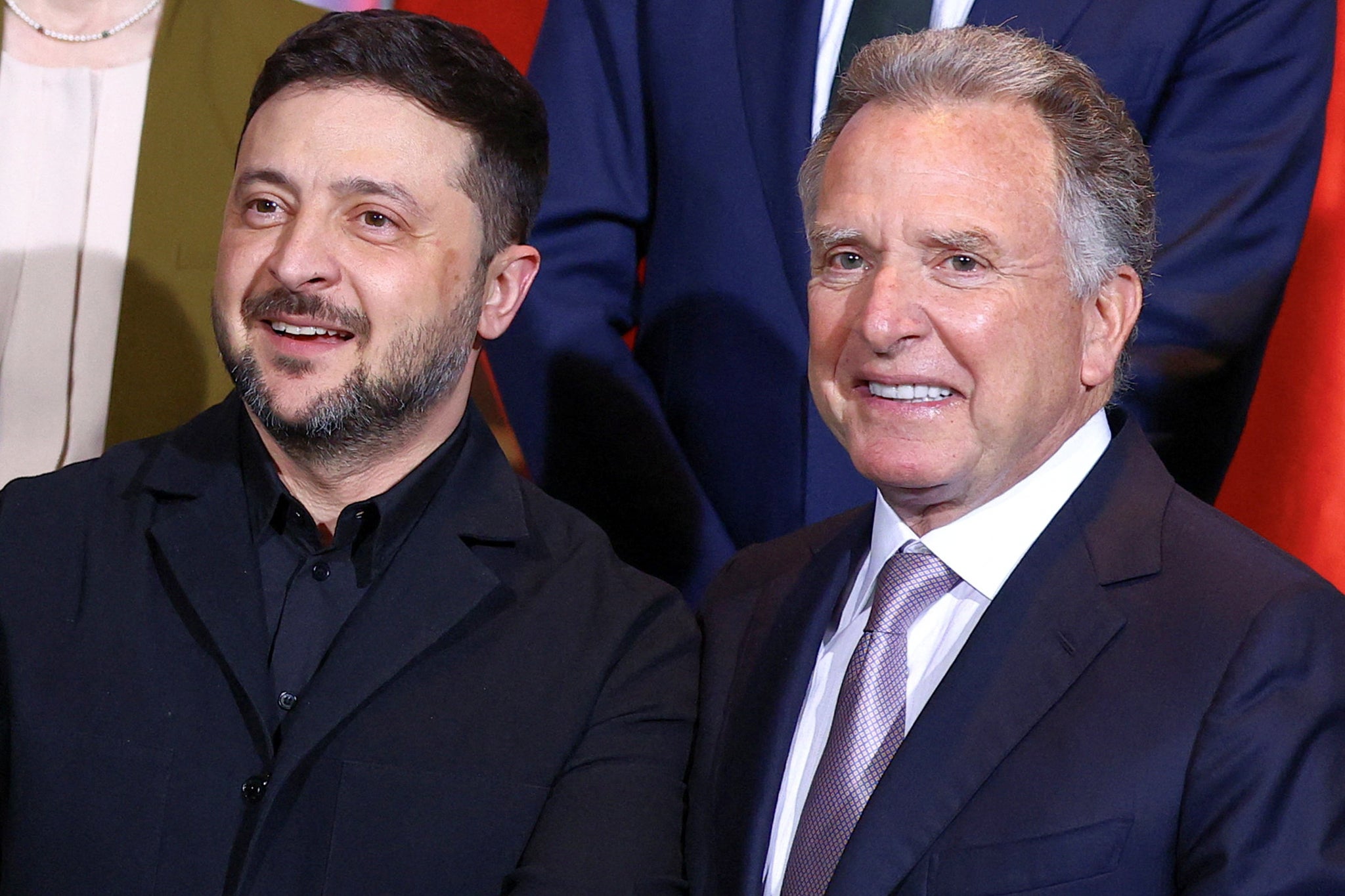
Mr Zelensky hailed progress but acknowledged in comments to reporters that the issue “is a painful one, because Russia wants what it wants, and we can’t go any further”.
open image in gallery
Ukraine’s future in the EU
US officials said before Christmas that Russia would accept Ukraine joining the EU as part of their agreement to end the war.
A senior source told the AFP news agency that they could see Ukraine joining as soon as January 2027, but diplomats in Brussels said the idea was “unrealistic”.
The issue remains controversial in parts of Europe, but the bloc would back the move. Top EU diplomat Kaja Kallas said last month that Ukraine’s membership would be a “major security guarantee” in its own right.
Sharing power – literally
One of the 28 points included in the original US draft – since whittled down to 20 – was the idea of sharing power produced at Europe’s largest nuclear power station.
Russia has held the Zaporizhzhia plant since the start of the war.
A US official said following the Berlin talks that they were close to finding an agreement whereby both sides could share power, though it is not clear how this would work in practice.