US Politics
Everything we know about asylum metering as Supreme Court agrees to review immigration policy axed in 2021

Your support helps us to tell the story
From reproductive rights to climate change to Big Tech, The Independent is on the ground when the story is developing. Whether it’s investigating the financials of Elon Musk’s pro-Trump PAC or producing our latest documentary, ‘The A Word’, which shines a light on the American women fighting for reproductive rights, we know how important it is to parse out the facts from the messaging.
At such a critical moment in US history, we need reporters on the ground. Your donation allows us to keep sending journalists to speak to both sides of the story.
The Independent is trusted by Americans across the entire political spectrum. And unlike many other quality news outlets, we choose not to lock Americans out of our reporting and analysis with paywalls. We believe quality journalism should be available to everyone, paid for by those who can afford it.
Your support makes all the difference.
Read more
The Supreme Court will review a policy used under past administrations to deny migrants a chance to apply for asylum on the Mexican border.
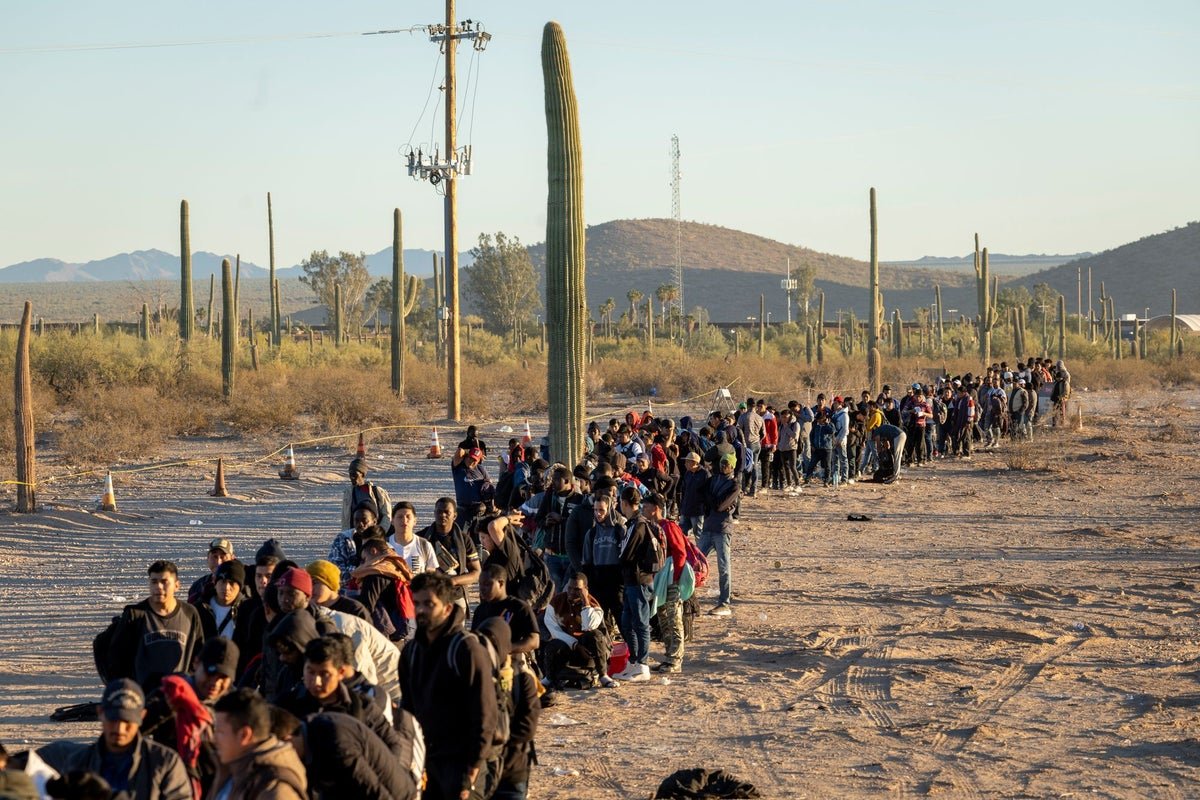
The justices will hear the Trump administration’s appeal of lower court rulings that struck down the practice known as metering, in which U.S. border agents capped the number of people seeking asylum at border crossings by prohibiting migrants from setting foot in the U.S.
The administration pressed for the high court’s intervention even after President Donald Trump suspended the asylum system on the first day of his second term and advocates for migrants said the lower-court rulings have no ongoing practical effect.
The case will be argued in the late winter or early spring.
Metering was first used during President Barack Obama’s administration when large numbers of Haitians appeared at the main crossing to San Diego from Tijuana, Mexico.
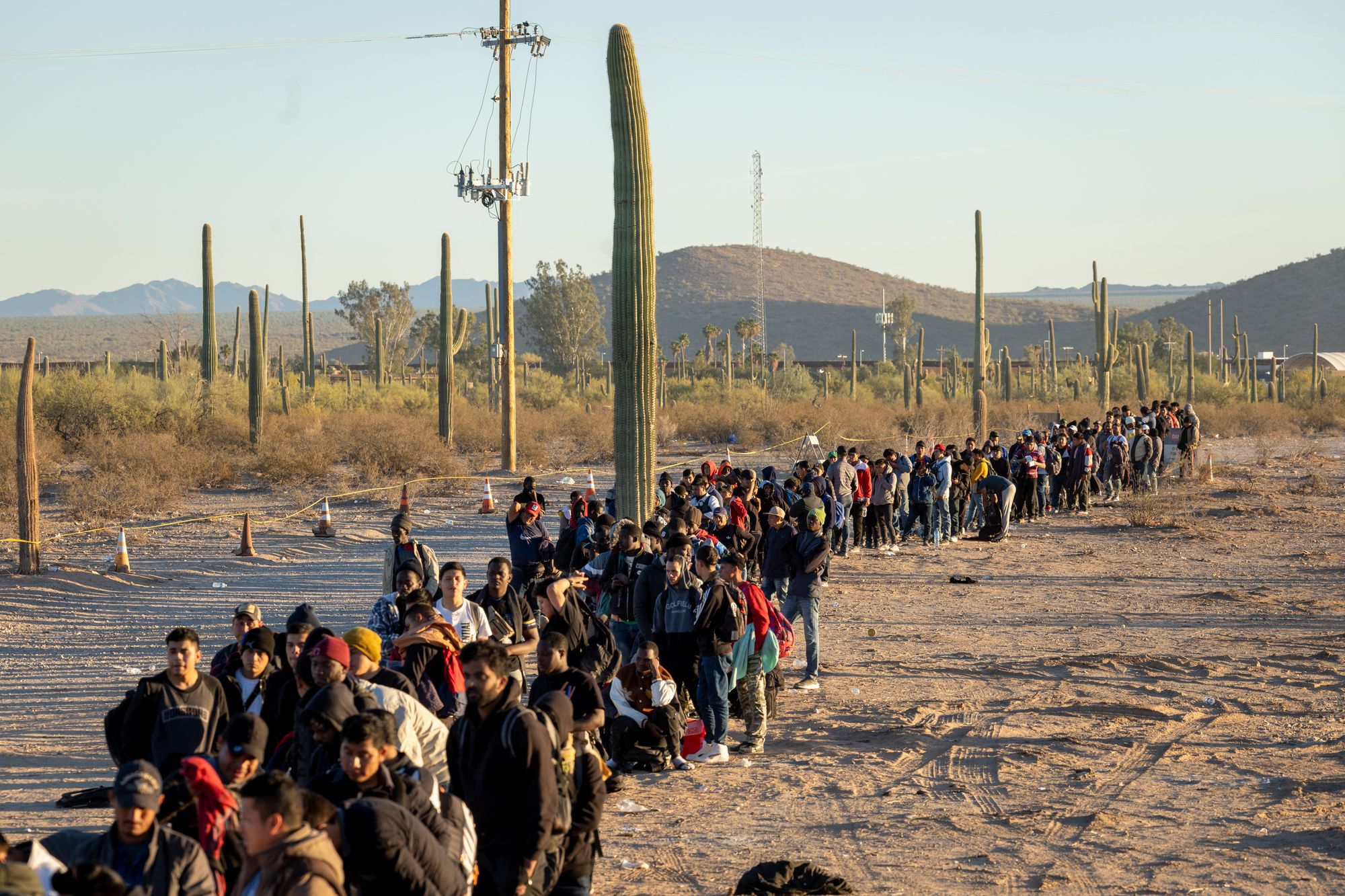
It was expanded to all border crossings from Mexico during Trump’s first term in the White House.
The practice ended in 2020 when the coronavirus pandemic led the government to restrict asylum-seekers even more severely. President Joe Biden formally rescinded the use of metering in 2021.
Still, the Justice Department said it wanted the justices to hear the case because the court rulings took away “a tool that administrations of both parties have deemed critical for controlling the processing of inadmissible aliens during border surges.”
U.S. District Judge Cynthia Bashant ruled in 2021 that metering violated the migrants’ constitutional rights and a federal law requiring officials to screen anyone who shows up seeking asylum.
A panel of the 9th U.S. Circuit Court of Appeals affirmed Bashant’s ruling in a 2-1 decision. Twelve of the 29 judges on the San Francisco-based appeals court voted to rehear the case, a strong signal that may have caught the justices’ attention.
People seeking refuge in the U.S. are able to apply for asylum once they are on American soil, regardless of whether they came legally. To qualify, they have to show a fear of persecution in their own country because of specific reasons, such as their race, religion, nationality, membership in a particular social group or political opinion.
Once people are granted asylum, they can’t be deported. They can work legally, bring immediate family, apply for legal residency and eventually seek U.S. citizenship. It offers a permanent future in the U.S.