
Breaking News
Fake recall texts are the next big scam hitting shoppers

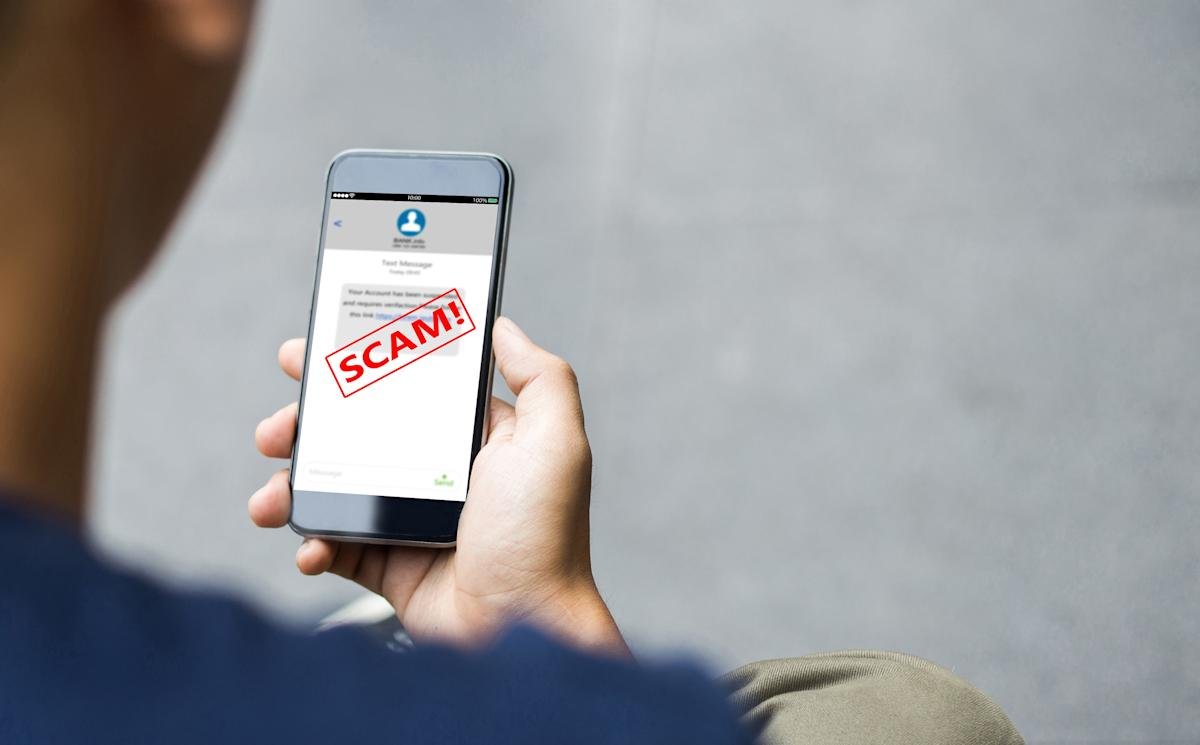
It’s one fast-moving text that some consumers could easily jump on. Who wouldn’t get a little worked up if they suddenly spotted a text that claimed to be from Amazon or another retailer and implied that a baby’s sleepsuit they just bought is being recalled for quality and safety issues?
Scammers — who have flooded our phones with fake texts about parking tickets, tolls and job opportunities — now are texting us about recall notices. All you have to do is click on this link for recall instructions and ask for a refund.
Except that’s exactly the wrong thing to do.
Typically, the message doesn’t mention that sleepsuit or sweater you just bought. But it might give an order number or other information to make the text seem pretty believable.
If you didn’t get a text yet about a product recall, just wait. The scam recall text is likely to be a hot one in 2026, according to alerts from consumer watchdogs who have spotted an uptick of complaints about these scams already.
“They’re using all the key DNA of any scam,” said Amy Nofziger, senior director of victim support for the AARP Fraud Watch Network.

“They’re using heightened emotional state. They’re using urgency. It comes out of the blue and makes you fearful or whatever,” Nofziger said.
Some texts might say things, she said, like the sweater you’re wearing is flammable. Others, though, aren’t as specific and only indicate that the order you made in December is being recalled for “safety review.” AARP put out an alert on recall scams on social media post, noting that “recall scams are on the rise.”
Consumer Reports also warned in March about a surge of phishing scams that start out with fake texts about phony recall notices.
The AARP fraud alert on recall scams noted that the fake text message might say something like: “To ensure your safety and process your full refund without delay, please sign into your account through the official website and review your order below.”
The link provided in the fake text, of course, doesn’t connect you to an official site. It connects you to the con artists.
Consumers are shopping online all the time buying one thing or another, perhaps splurging a bit with their tax refund cash now. Online retailers, like Amazon, just had a round of big spring sales, too. The con artists know when the time is right to impersonate well-known names.

“They’re using big retailers like Amazon, Costco, Walmart,” Nofziger said. “So, who hasn’t purchased something from one of these large entities in the last couple of months?”
She warns that if you click on the link, the scammers will ask for your bank account information or your credit card information. The consumer likely thinks that’s a way to get a refund, but it’s really a way for scammers to steal your banking information and money.
If you receive any of these out-of-the-blue texts, never click on any of the links.
What Amazon is saying about recall scams
Amazon asked customers online back in October: “Have you received an urgent message about recalling a product you ordered from Amazon?”
Amazon acknowledged then that it had seen an increase in “bad actors impersonating Amazon by sending messages claiming your recent purchase needs immediate return due to ‘safety concerns.'”
The con artists promise a full refund, according to Amazon’s alert, but then direct unsuspecting consumers to unofficial websites or messaging channels where criminals attempt to collect personal information. Fake product recall notifications may highlight fake order numbers and include phishing URLs.
Amazon stated in its alert that the company is taking action against refund fraud groups, including filing lawsuits in the United States and the United Kingdom against organized groups “operating on messaging platforms, who have attempted to orchestrate fraudulent refunds worth millions of dollars.”
Amazon encourages consumers to report suspected scams at amazon.com/reportascam to help protect consumer accounts and refer bad actors to law enforcement, according to a statement sent to the Detroit Free Press, part of the USA TODAY Network, by an Amazon spokesperson.
Amazon’s policy is to remove products immediately if a recalled product is sold by one of its selling partners. Amazon reaches out to affected customers with emails, push notifications and a “Your Recalls and Product Safety Alerts” page in a customer’s Amazon account.
Scammers who are impersonating Amazon also often claim that there are issues with an order or other problems, too.
Consumers are urged to take time to verify a so-called urgent request, especially when any text demands immediate action. Log into your account to check your orders page to verify information or contact Amazon Customer Service and report suspicious activities through Amazon’s self-reporting tool.
Amazon notes that it will never request sensitive information outside of Amazon’s website or app.
What Walmart is advising about scams
Walmart customers who suspect they have received a fraudulent text claiming to be from Walmart, can contact Walmart at OnlineAbuse@walmart.com. Walmart does not send text messages about recall alerts, and also wasn’t aware in late March of any coordinated recall-related text scam targeting Walmart.
Walmart’s practice is to remove recalled items from sale, share up-to-date product warnings through its recalls-focused website, and reach customers through email.
“Walmart works hard to keep our customers safe from scammers and other criminals seeking to harm our customers,” according to a statement provided by the retailer to the Detroit Free Press. “Any customer who thinks they have been a victim of fraud should contact the Federal Trade Commission or contact the Consumer Fraud Division of your state Attorney General.”
Where to find information about recalled food, cars and more
To verify a recall, the AARP alert recommends that you go directly to your account through the company’s official website, not through a link or phone number in the message.
Many times, consumers just need to stop using a product. They don’t need to panic. In some cases, refunds are offered.
The U.S. Consumer Product Safety Commission lists recalls and product safety warnings. See cpsc.gov/recalls for updates, Currently, the site has recalls for adult portable bed rails, specific sauna heaters kits, convertible bassinets, magnet balls, metal wire grill brushes, power strips and more.
The U.S. Food and Drug Administration also lists recalls and safety alerts about food, cosmetics, drugs, medical devices and more. See fda.gov. Or see FoodSafety.gov.
The National Highway Traffic Safety Administration of the U.S. Department of Transportation provides recall information about cars, trucks, tires, air bags, car seats and more. See nhtsa.gov.
A consolidated list of recalls from six federal agencies can be found at www.recalls.gov.
Nofziger said she’d love to see more consumers call and report scams to the AARP Fraud Watch Network helpline at 877-908-3360 even if they did not lose money.
“These are basically criminal intents,” Nofziger told the Detroit Free Press. “If someone jostles your front door and tries to break into your house, you would report it.”
She noted that the AARP puts out alerts, such as the one the Fraud Watch Network is calling the “recall scams,” based on trends that pop up on the hotline.
“The reason we heard about it is because people were calling us about it,” Nofziger said.
Contact personal finance columnist Susan Tompor: stompor@freepress.com. Follow her on X @tompor.
This article originally appeared on Detroit Free Press: Scammers now use fake recall texts to steal your money