US Politics
5 key takeaways from Trump’s first address to nation since start of Iran war

Your support helps us to tell the story
From reproductive rights to climate change to Big Tech, The Independent is on the ground when the story is developing. Whether it’s investigating the financials of Elon Musk’s pro-Trump PAC or producing our latest documentary, ‘The A Word’, which shines a light on the American women fighting for reproductive rights, we know how important it is to parse out the facts from the messaging.
At such a critical moment in US history, we need reporters on the ground. Your donation allows us to keep sending journalists to speak to both sides of the story.
The Independent is trusted by Americans across the entire political spectrum. And unlike many other quality news outlets, we choose not to lock Americans out of our reporting and analysis with paywalls. We believe quality journalism should be available to everyone, paid for by those who can afford it.
Your support makes all the difference.
Read more
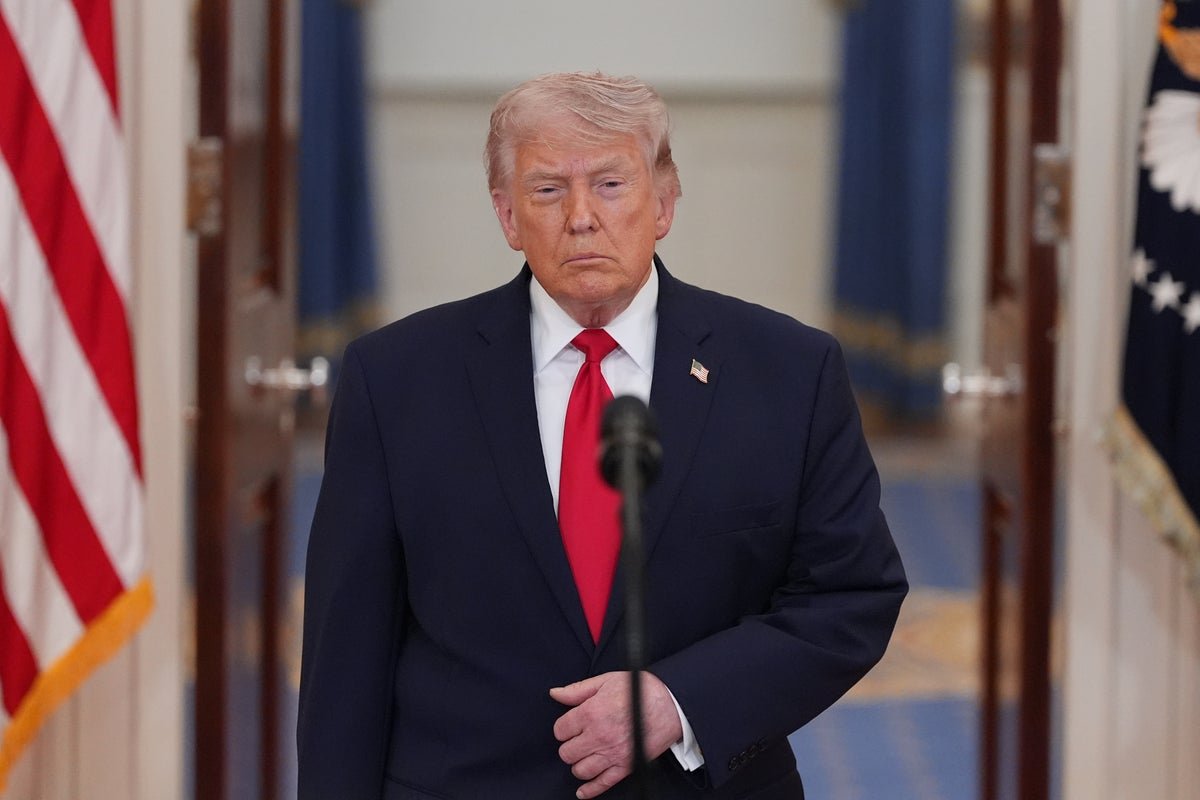
Donald Trump said in a primetime address to the nation Wednesday the military had nearly accomplished its goals in Iran and insisted the U.S. could bring the conflict to a close even if the Strait of Hormuz remained shut.
The 20-minute speech given from the Cross Hall in the White House – his first since the war began – was framed to address lingering confusion over the administration’s shifting justifications regarding Iran but it offered no clear timeline for ending the month-long war.
He repeated familiar arguments, blending wartime rhetoric with the broader political narrative that decisive force, not diplomacy, delivers results. But the lack of a clear endgame, combined with rising economic anxieties at home, continued to cast uncertainties over what “victory” in Iran actually looked like as Trump vowed to bomb the Islamic Republic back into the “Stone Ages”.
Here are the key takeaways from Trump’s speech.
Trump defends Iran war and his presidency
In the beginning of his speech, Trump said he wanted to “discuss why Operation Epic Fury is necessary for the safety of America and the security of the free world”, signalling an attempt to address the confusion over his administration’s justifications for the war.
Yet over the course of nearly 20 minutes, Trump offered little that was new, largely reiterating familiar arguments that he has relayed in his Truth Social posts over the weeks.
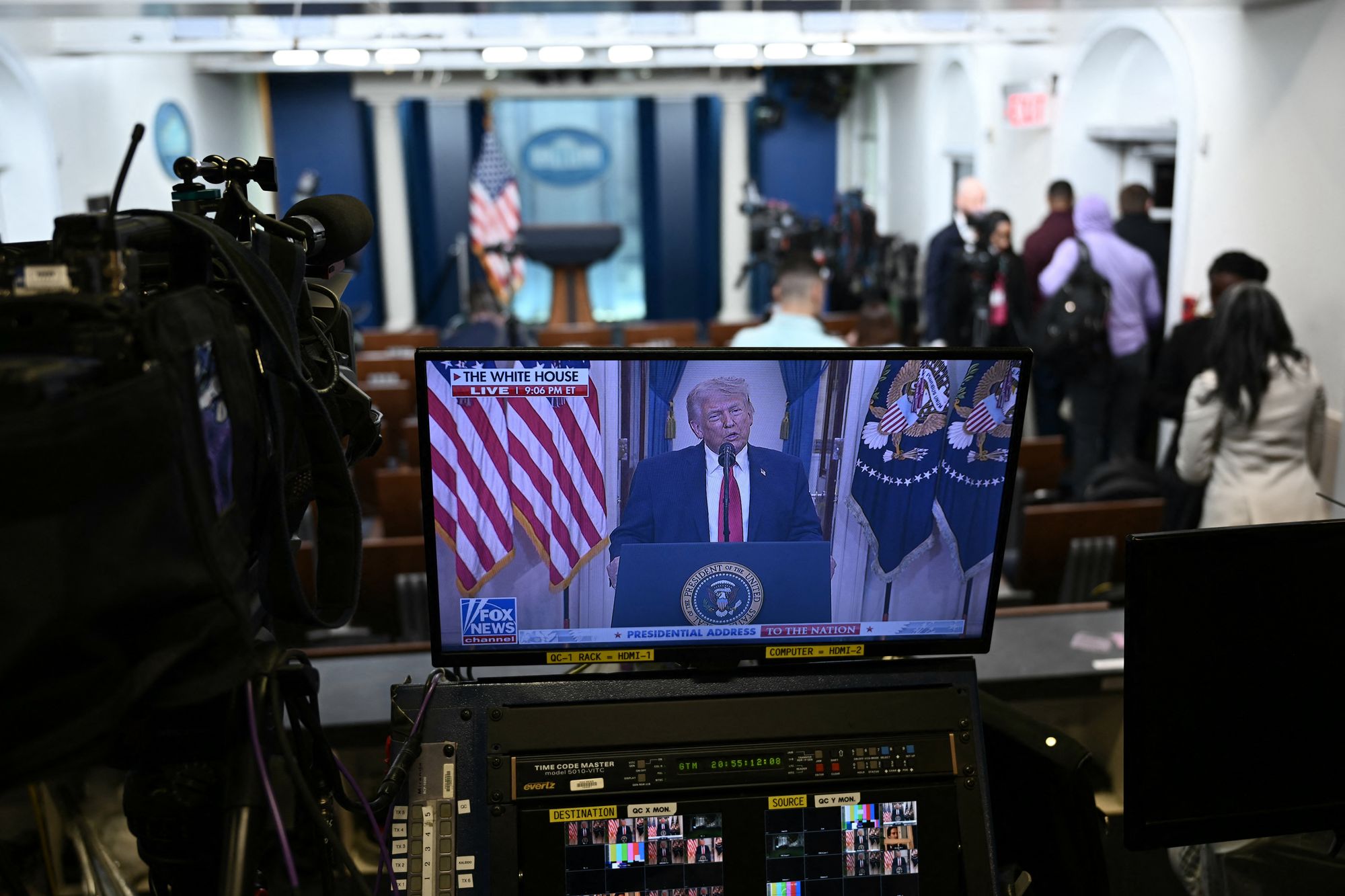
The speech, full of self-praise, claimed he “did what no other president was willing to do” as he could not allow Iran to have nuclear weapons.
He said for Iran to “have nuclear weapons would be an intolerable threat” as he blamed Tehran for a wide range of attacks, including the October 7 “bloody atrocities” in Israel.
“Never in the history of warfare has an enemy suffered such clear and devastating large-scale losses in a matter of weeks. Our enemies are losing and America, as it has been for five years under my presidency, is winning, and now winning bigger than ever before,” he said.
Trump, who ran as the “America First” president vowing not to drag the country into endless wars, is facing a huge pushback from his own base of supporters over Iran. His approval ratings have continued to plummet, falling 23 points with 35 per cent of Americans approving and 58 per cent disapproving of Trump’s handling of the presidency.
Claims of ‘obliterated’ nuclear sites made without supporting evidence
While he said Iran’s ballistic missile capability had been significantly degraded, he did not explain how the operation curbed Tehran’s nuclear ambitions. Trump and his administration have repeatedly claimed that U.S. strikes in June last year “obliterated” Iran’s nuclear programme with Operation Midnight Hammer.
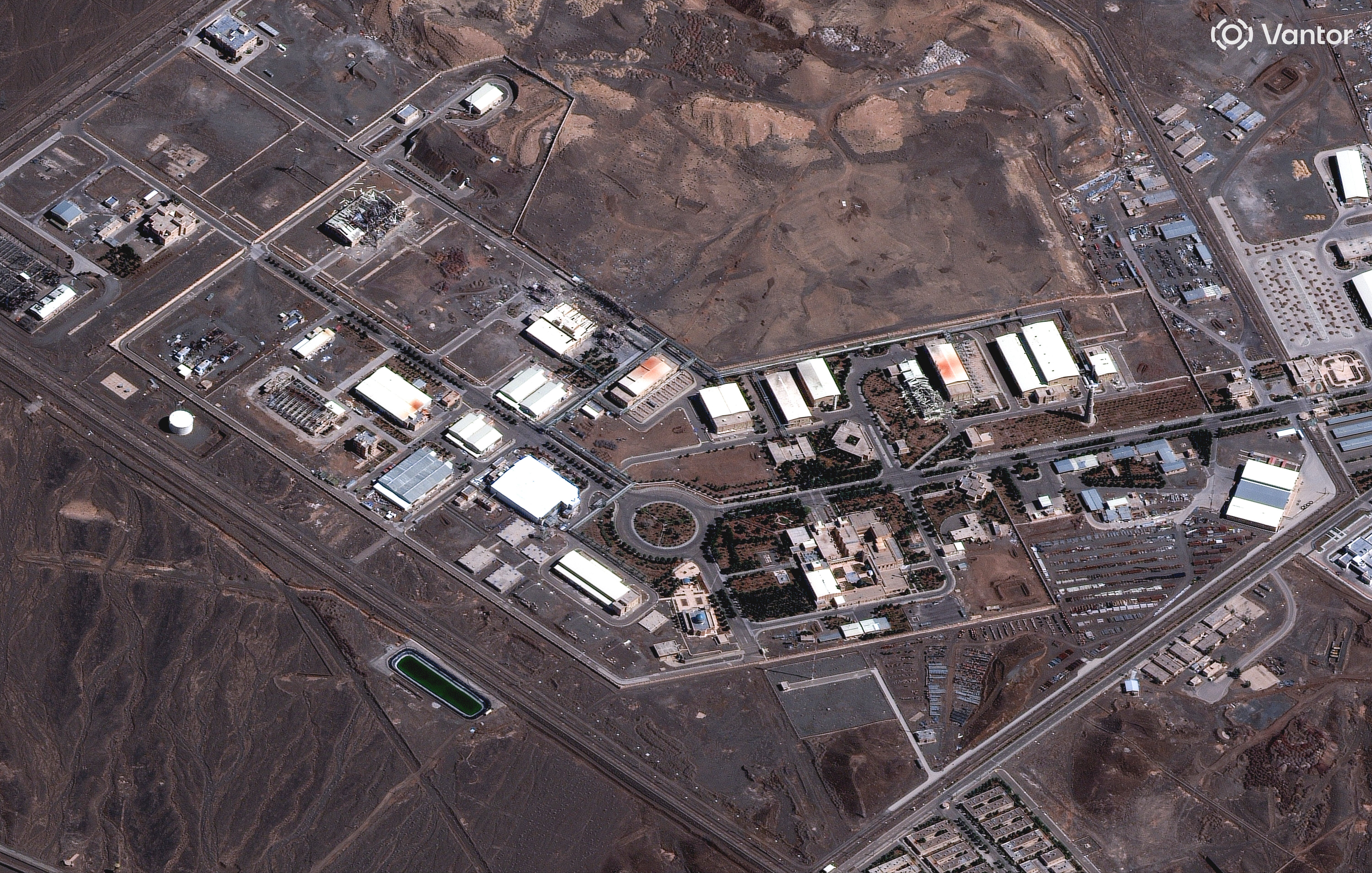
Even as he suggested the broader threat from Iran had been effectively neutralised, Trump offered little evidence to support that assertion – particularly given the persistence of competing power centres within Iran’s theocratic system.
Iran has long maintained that its nuclear program is purely peaceful. However, it has enriched uranium to around 60 per cent purity – a level widely seen as just a short technical step away from weapons-grade material.
Before the war, U.S. intelligence agencies assessed that Iran had not yet begun building a nuclear weapon, but had taken steps that could position it to do so if it chose, including expanding its stockpile of highly enriched uranium and advancing its capabilities.
However, it did not stop him from claiming that if Iran had been allowed to continue, it would have built “a nuclear weapon like nobody’s ever seen before”.
Core strategic objectives are nearing completion
Trump said “core strategic objectives are nearing completion”, but did not say how the goal was achieved.
He said the “objectives are very simple and clear” as they are systematically dismantling the regime’s ability to threaten America or reject power outside of their borders.
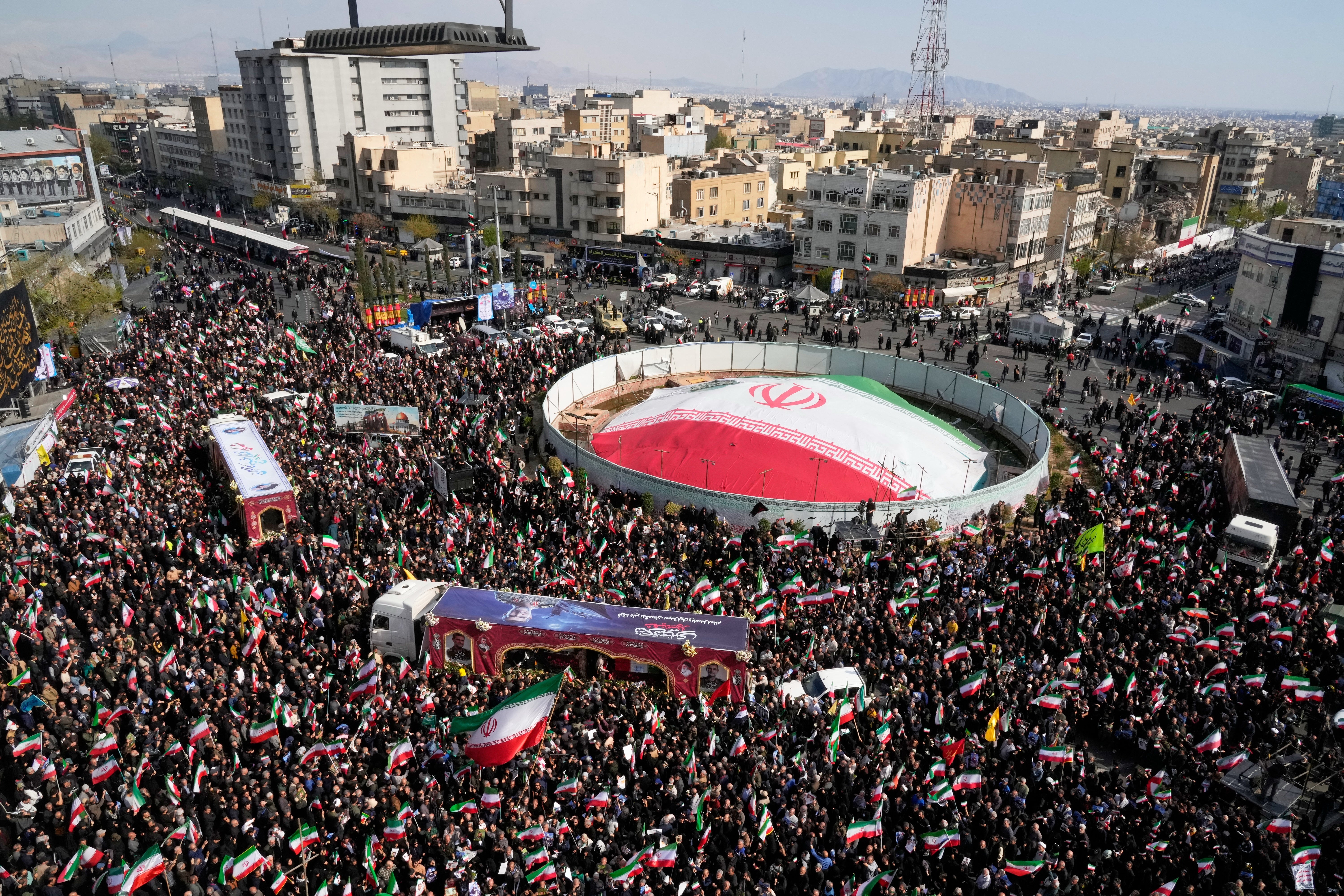
“That means eliminating Iran’s navy, which is now absolutely destroyed, hurting their air force and their missile program at levels never seen before and annihilating their defense industrial base. We’ve done all of it. Their navy is gone. Their air force is gone. Their missiles are just about used up or beaten,” he said.
‘Get your own oil’
Trump again told its allies to “build up some delayed courage” and take “the lead” in efforts to retake control of the Strait of Hormuz, a critical waterway that the Iranian regime has effectively shuttered since the U.S. and Israel began their offensive, sparking a global energy crisis that has pushed oil and gas prices sharply higher.
Despite rising energy costs, Trump Wednesday played down the impact of any disruption in the strait, insisting the U.S. does not “need” to rely on it.
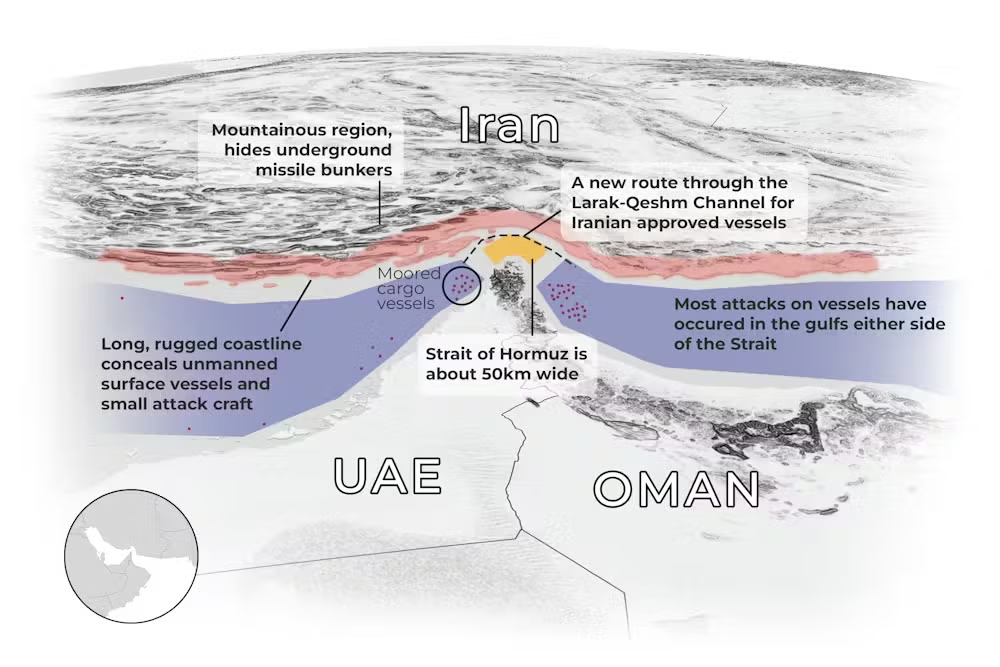
“The United States imports almost no oil through the Hormuz Strait and won’t be taking any in the future. We don’t need it. We haven’t needed it, and we don’t need it. We’ve beaten and completely decimated Iran,” he said.
“And the countries of the world that do receive oil through the Hormuz Straight must take care of that passage. They must cherish it. They must grab it and cherish it. They could do it easily. We will be helpful, but they should take the lead in protecting the oil that they so desperately depend on,” he added.
But he also insisted that “when this conflict is over, the strait will open up naturally” despite Tehran’s repeated threats to maintain total closure over the waterway responsible for trafficking roughly 20 per cent of the world’s oil.
Trump refrained from unleashing a torrent of abuse toward sits Nato allies and partners after having started the week by lashing out at them for not participating in the conflict.
Escalation still on the table
Thousands of additional U.S. troops are being deployed to the Middle East, even as Gulf allies push Washington to press ahead, arguing Iran has not been weakened enough.
Yet Trump has sent mixed signals on the timeline. Just days ago, he suggested the conflict could end “within maybe two weeks”.
On Wednesday, he struck a more aggressive note, warning that the U.S. is prepared to escalate its military campaign against Iran over the “next two to three weeks”.
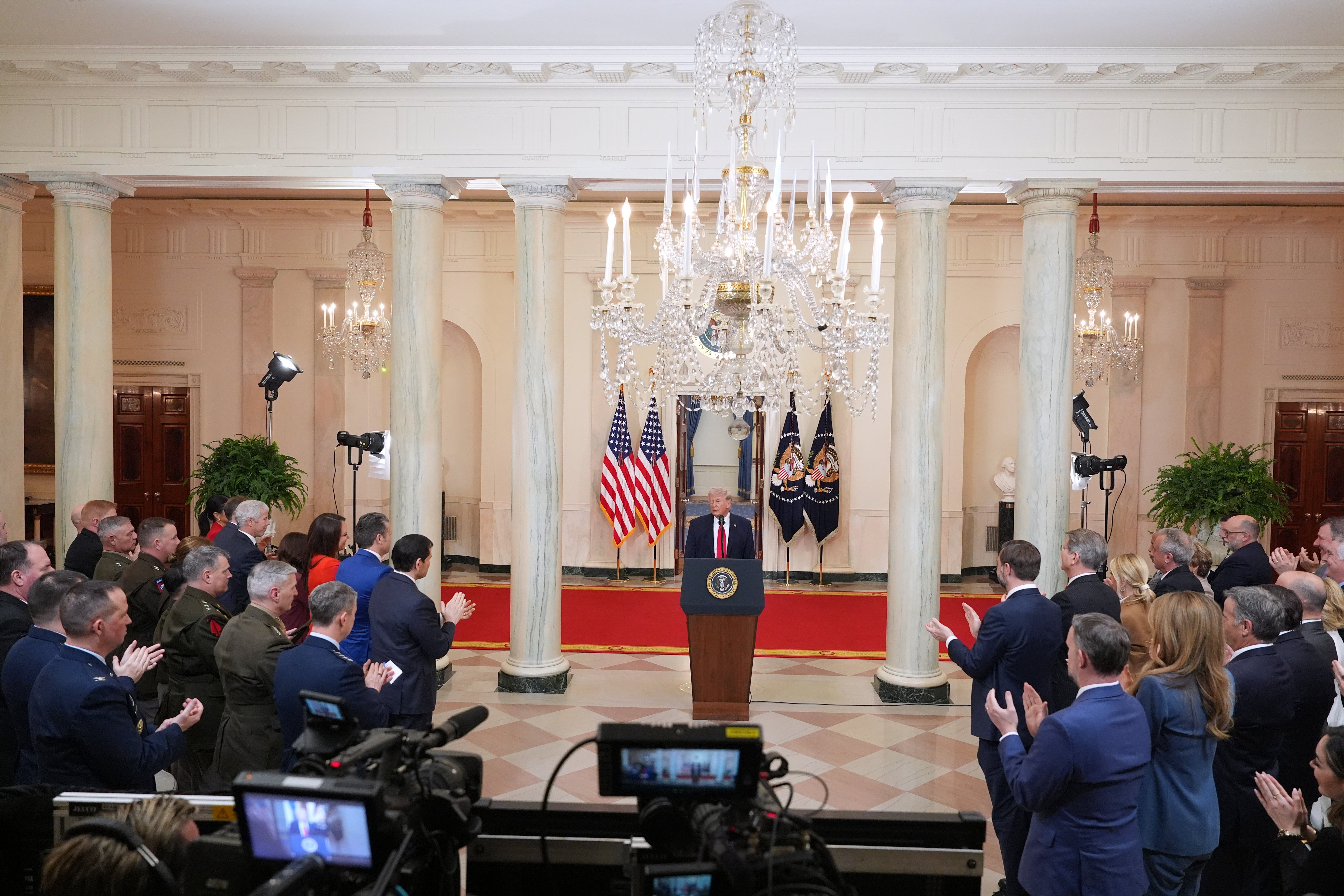
“We are going to hit them extremely hard over the next two to three weeks. We are going to bring them back to the Stone Age, where they belong,” he said.
At the same time, Trump suggested talks were continuing, adding that regime change had not been an explicit objective. “We never said regime change, but regime change has occurred because all of their original leaders are dead,” he said.
The rhetoric echoes earlier remarks, including a post on Truth Social in which Trump claimed Iran had sought a ceasefire, saying he would only consider it if the Strait of Hormuz was reopened. Until then, he wrote, the U.S. would continue “blasting Iran into oblivion” and “back to the Stone Ages”.
He also said that 13 American soldiers have been killed in the conflict and honoured them for giving their lives for the nation.