US Politics
International Energy Agency head says global economy faces ‘major, major threat’ because of Iran war

Your support helps us to tell the story
From reproductive rights to climate change to Big Tech, The Independent is on the ground when the story is developing. Whether it’s investigating the financials of Elon Musk’s pro-Trump PAC or producing our latest documentary, ‘The A Word’, which shines a light on the American women fighting for reproductive rights, we know how important it is to parse out the facts from the messaging.
At such a critical moment in US history, we need reporters on the ground. Your donation allows us to keep sending journalists to speak to both sides of the story.
The Independent is trusted by Americans across the entire political spectrum. And unlike many other quality news outlets, we choose not to lock Americans out of our reporting and analysis with paywalls. We believe quality journalism should be available to everyone, paid for by those who can afford it.
Your support makes all the difference.
Read more
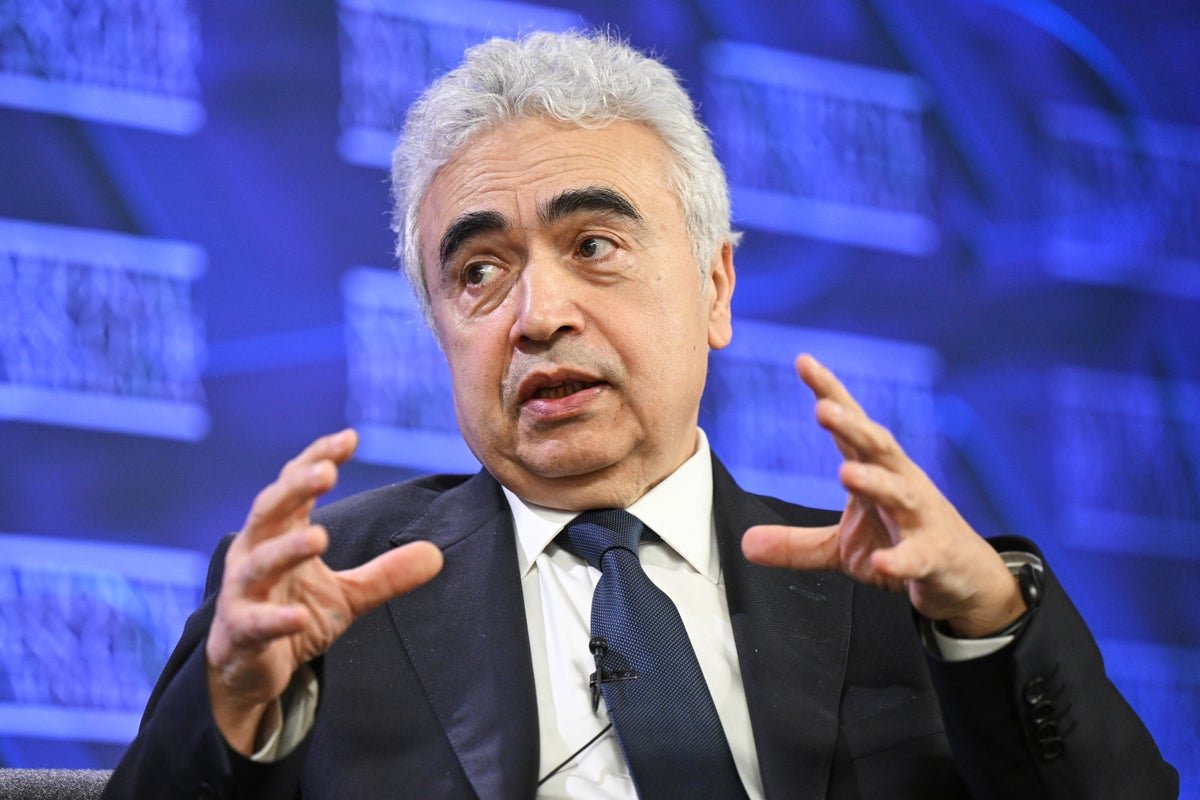
The head of the International Energy Agency said Monday that the global economy faces a “major, major threat” because of the Iran war.
“No country will be immune to the effects of this crisis if it continues to go in this direction,” Fatih Birol told Australia’s National Press Club in Canberra on Monday.
He said the crisis in the Middle East has had a worse combined impact than the two oil shocks of the 1970s and the effect on gas markets of the Russia-Ukraine war.
His comments came as Israel launched a new wave of attacks early Monday against Tehran.
A top American commander also told Iranians to remain in shelters for the foreseeable future, while Iran renewed strikes on its Gulf neighbors and threatened to start hitting their power plants.
Birol said 40 energy assets in nine countries across the region were “severely or very severely damaged.”
The official added that he was consulting with governments in Europe and Asia about the prospect of releasing further stockpiled oil.
“We will see, we will look at the markets,” he said. “If it is necessary of course we will do it, but we will look at the conditions, we will analyze, assess the market and discuss with our member countries.”
As Iran continues its stranglehold on the Strait of Hormuz, U.S. President Donald Trump gave a 48 hour deadline for Tehran to open the strategic waterway to all ships, saying that otherwise the United States would “obliterate” Iran’s power plants. Trump posted the threat to social media early Sunday in Middle East time zones.