US Politics
ICE wants to spend more than $38 billion to convert warehouses into massive detention centers

Your support helps us to tell the story
From reproductive rights to climate change to Big Tech, The Independent is on the ground when the story is developing. Whether it’s investigating the financials of Elon Musk’s pro-Trump PAC or producing our latest documentary, ‘The A Word’, which shines a light on the American women fighting for reproductive rights, we know how important it is to parse out the facts from the messaging.
At such a critical moment in US history, we need reporters on the ground. Your donation allows us to keep sending journalists to speak to both sides of the story.
The Independent is trusted by Americans across the entire political spectrum. And unlike many other quality news outlets, we choose not to lock Americans out of our reporting and analysis with paywalls. We believe quality journalism should be available to everyone, paid for by those who can afford it.
Your support makes all the difference.
Read more
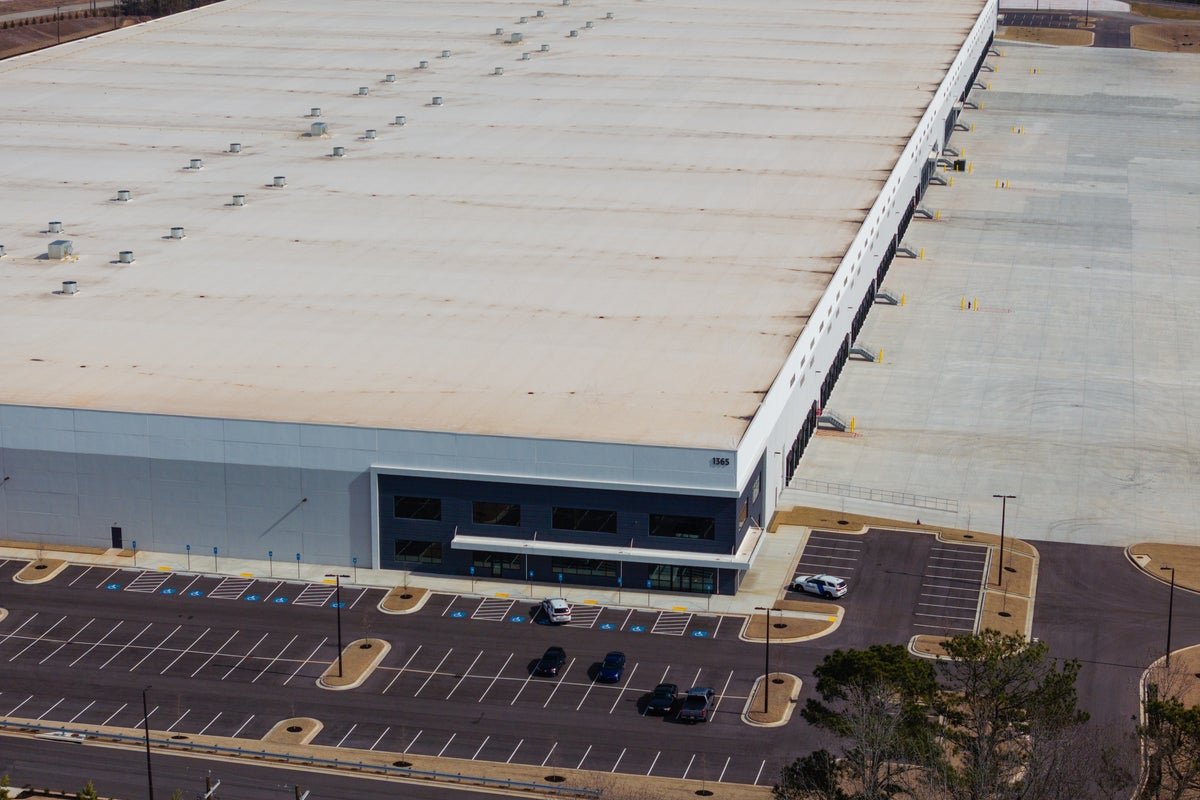
Donald Trump’s administration intends to spend nearly $40 billion on a plan to detain tens of thousands of immigrants in retrofitted warehouses across the country, expanding the president’s mass deportation efforts into cities and towns that are increasingly urging officials to keep them out of their backyards.
Documents published by officials in New Hampshire offer the clearest and most comprehensive picture yet of Immigration and Customs Enforcement’s nationwide plans to scale up the president’s campaign to quickly arrest, detain and deport people from the United States, which is already detaining more than 60,000 immigrants at any given time.
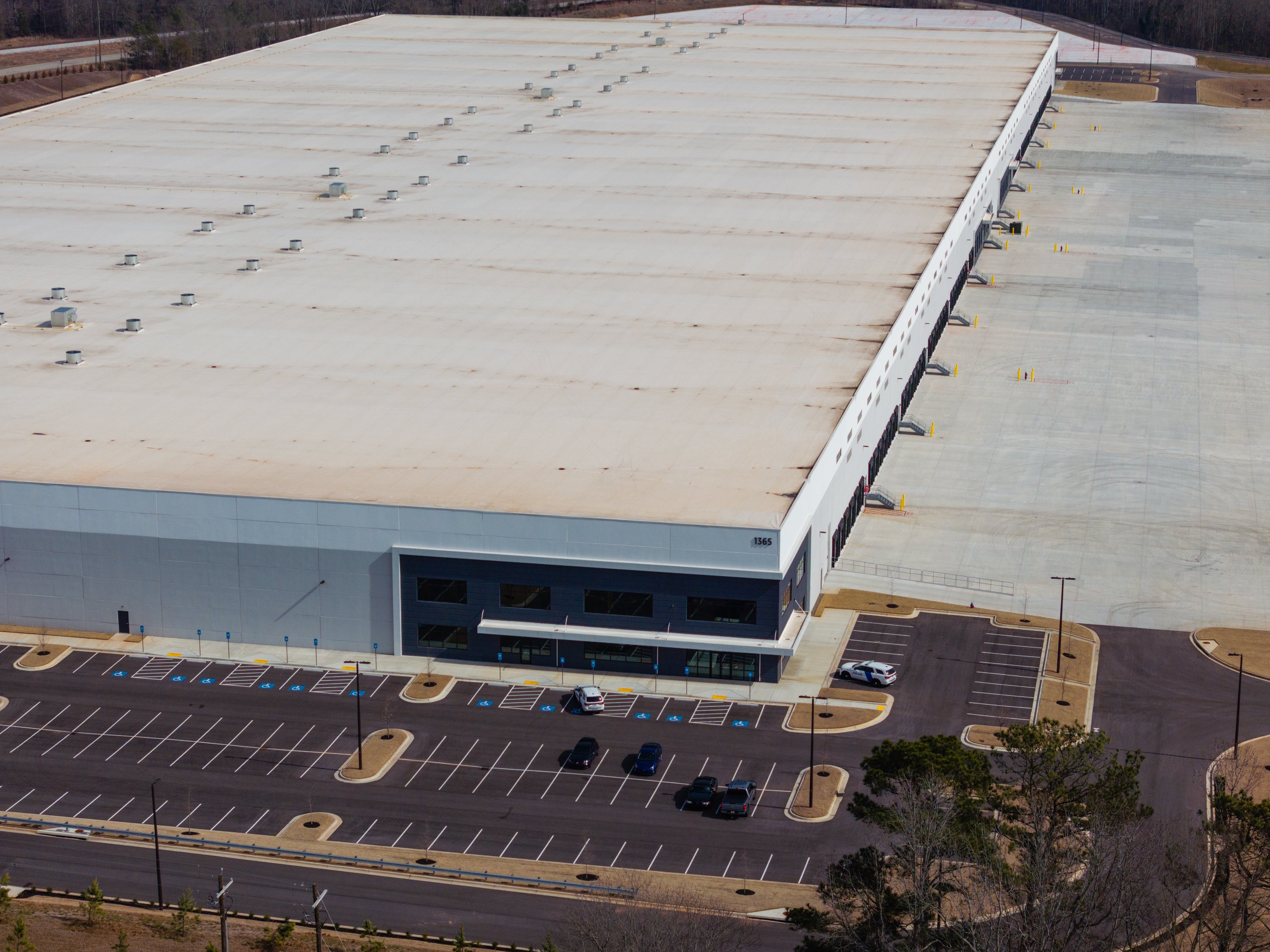
ICE expects to spend more than $38 billion buying up 16 buildings it can convert into “processing” centers to temporarily detain up to 1,500 immigrants in each before they’re moved to larger facilities.
Another eight larger warehouses would hold up to 10,000 people at a time, serving as “primary locations” for removal from the country, according to the documents.
Those facilities add to an already-expansive immigration detention system of more than 200 jails, mostly operated by private firms, in a country with one of the highest incarceration rates on the planet.
open image in gallery
The plans are meeting fierce resistance, including in states and counties that supported Trump — and from Republican officials.
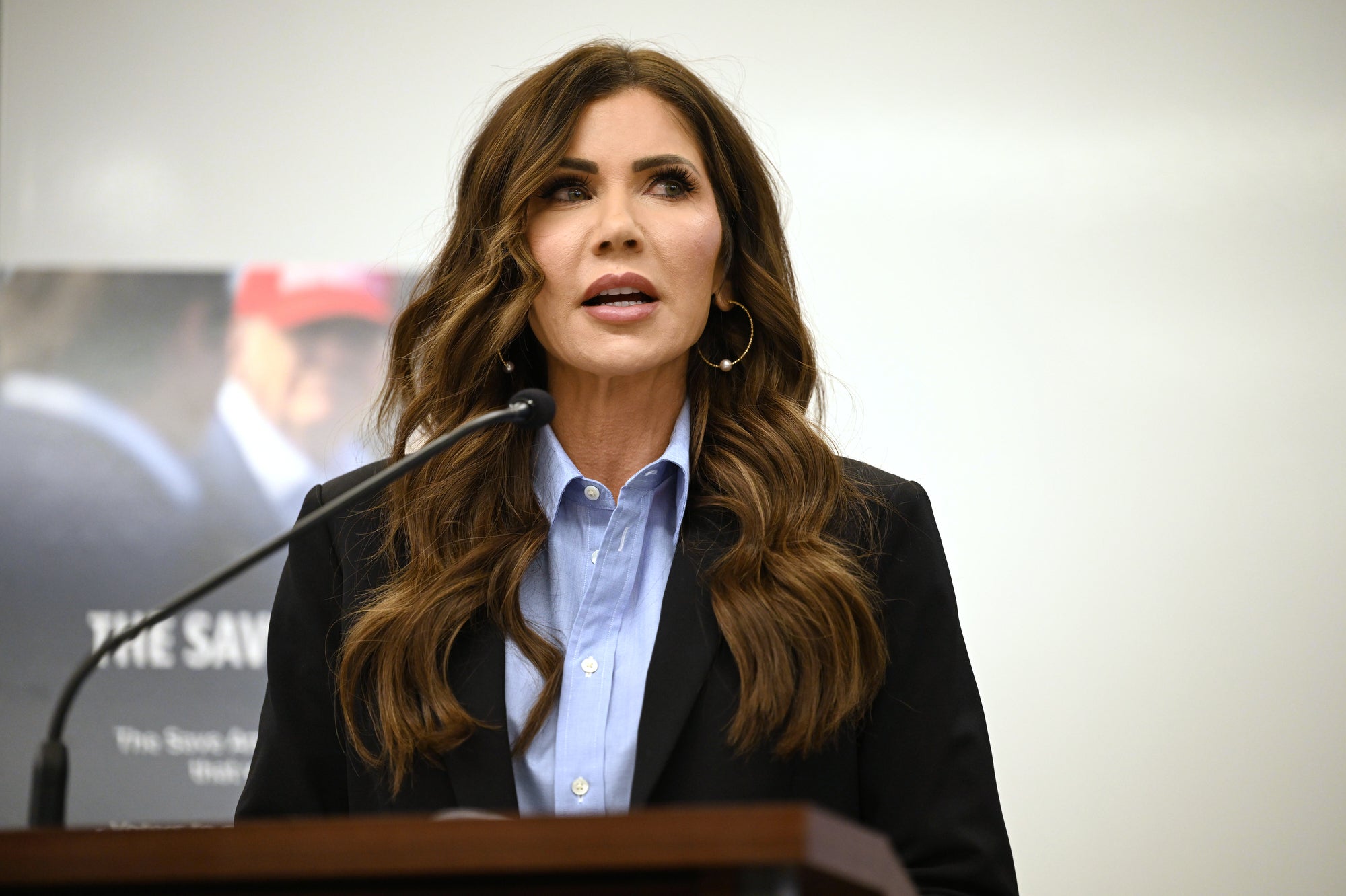
Last week, Mississippi Senator Roger Wicker (R) said he spoke with Homeland Security Secretary Kristi Noem about a proposed facility in Marshall County. “I relayed to her the opposition of local elected and zoning officials as well as economic development concerns. I appreciate her for agreeing to look elsewhere,” he said.
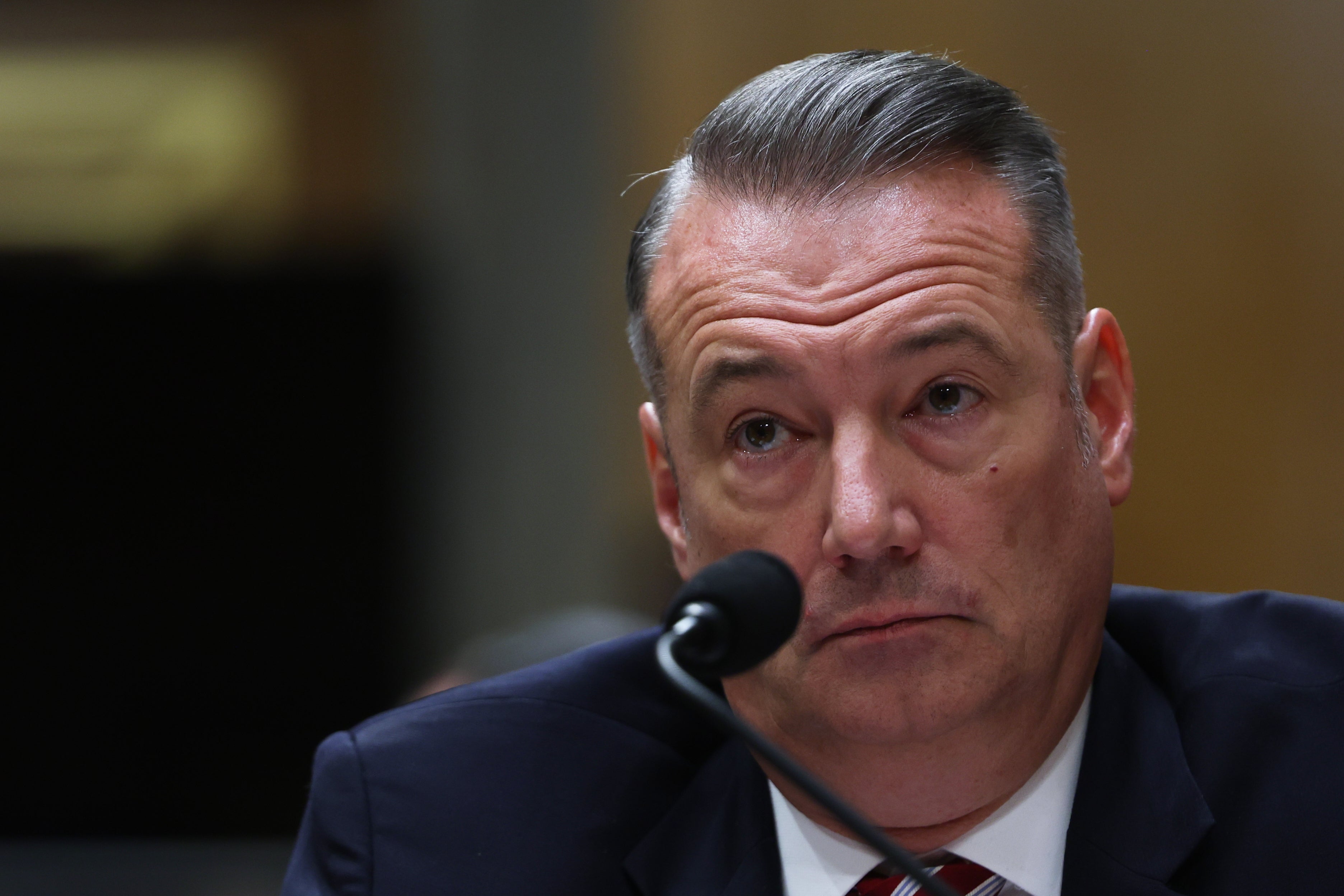
Democratic Senator Maggie Hassan of New Hampshire, whose state published documents about the warehouse expansion, grilled ICE’s acting director Todd Lyons on whether he would similarly cancel a project in her state.
“No, ma’am,” he said during his testimony to the Senate Homeland Security committee Thursday.
“The people of Merrimack, their leadership, do not want this ICE facility in their community. I have yet to find a Granite State community that does,” she said. “I would hope I get the same treatment that Senator Wicker got, which is that the town doesn’t want the detention center, so please cancel it.”
open image in gallery
New Hampshire’s Republican Governor Kelly Ayotte said Homeland Security shared the documents with her office for the first time that same day, appearing to contradict Lyons’s testimony that he spoke with the governor and provided her with an “economic impact summary” about the project.
ICE plans to spend $158 million retrofitting a warehouse in Merrimack.
Similar plans are underway across the country. ICE has already spent nearly $700 million acquiring warehouses in Arizona, Georgia, Michigan, Pennsylvania and Texas, according to public records and local reports.
This week, ICE announced the purchase of a former warehouse in Chester, New York, which it plans to convert into a detention center, despite widespread, bipartisan opposition to the project from state and local officials
That facility, roughly 60 miles outside of New York City could hold up to 1,500 people.
“I think every American should be alarmed,” New York Rep. Alexandria Ocasio-Cortez said this week. “They are building and have built a black box system that disappears people, both immigrants and U.S. citizens alike.”
ICE’s decision to move forward with the project “despite clear local opposition underscore the urgent need for New York to be a bulwark against the Trump administration’s mass deportation agenda,” according to Murad Awawdeh, president of the New York Immigration Coalition.
That kind of opposition is working in other states, even in deep-red districts.
But ICE, flush with cash after a massive injection of taxpayer funds through Trump’s One Big Beautiful Act domestic spending bill last year, intends to “fully implement a new detention model by the end of Fiscal Year 2026,” according to the documents.
Last month, Homeland Security told officials in largely Republican-leaning Hanover County, Virginia, that ICE intends to build a facility on a former cattle farm that houses a 500,000-square-foot warehouse constructed by a company owned by Canadian billionaire Jim Pattison.
Pattison’s company reportedly intended to sell that warehouse to ICE, but after a threat of boycotts, in addition to business and union pressure and outrage from nearby residents, the county’s board of supervisors announced plans to oppose the sale and called on federal, state and local leaders to do the same.
Shortly after the board’s vote, Pattison’s company issued a one-line statement: “The transaction to sell our industrial building in Ashland, Virginia will not be proceeding.”
open image in gallery
In Utah, local opposition forced a real estate group that owns a warehouse with plans for ICE conversion to issue a brief statement saying it has “no plans” to lease the property to any federal agency.
In Oklahoma, officials passed a resolution to block any ICE facility there. And in Maryland, Howard County Executive Calvin Ball revoked the building permit for one.
Similar resistance is underway across the country, though with mixed results; ICE spent nearly $130 million on a more than 1 million square foot warehouse roughly 50 miles outside of Atlanta, one of two new additions to Georgia’s already-sprawling immigration detention center network.
Officials there already appear to be regretting it.
“This is not something, hands down, that the city can support,” Social Circle City Manager Eric Taylor told Georgia Public Radio. More than 72 percent of residents in Walton County voted for Trump in 2024.
“The frustration here is that they’re looking at a building that was not built for human habitation,” he said. “There’s nothing more than a shell of a building.”