US Politics
Will Trump’s new sanctions on Russian oil companies actually work to stop Putin?


Your support helps us to tell the story
From reproductive rights to climate change to Big Tech, The Independent is on the ground when the story is developing. Whether it’s investigating the financials of Elon Musk’s pro-Trump PAC or producing our latest documentary, ‘The A Word’, which shines a light on the American women fighting for reproductive rights, we know how important it is to parse out the facts from the messaging.
At such a critical moment in US history, we need reporters on the ground. Your donation allows us to keep sending journalists to speak to both sides of the story.
The Independent is trusted by Americans across the entire political spectrum. And unlike many other quality news outlets, we choose not to lock Americans out of our reporting and analysis with paywalls. We believe quality journalism should be available to everyone, paid for by those who can afford it.
Your support makes all the difference.
Read more
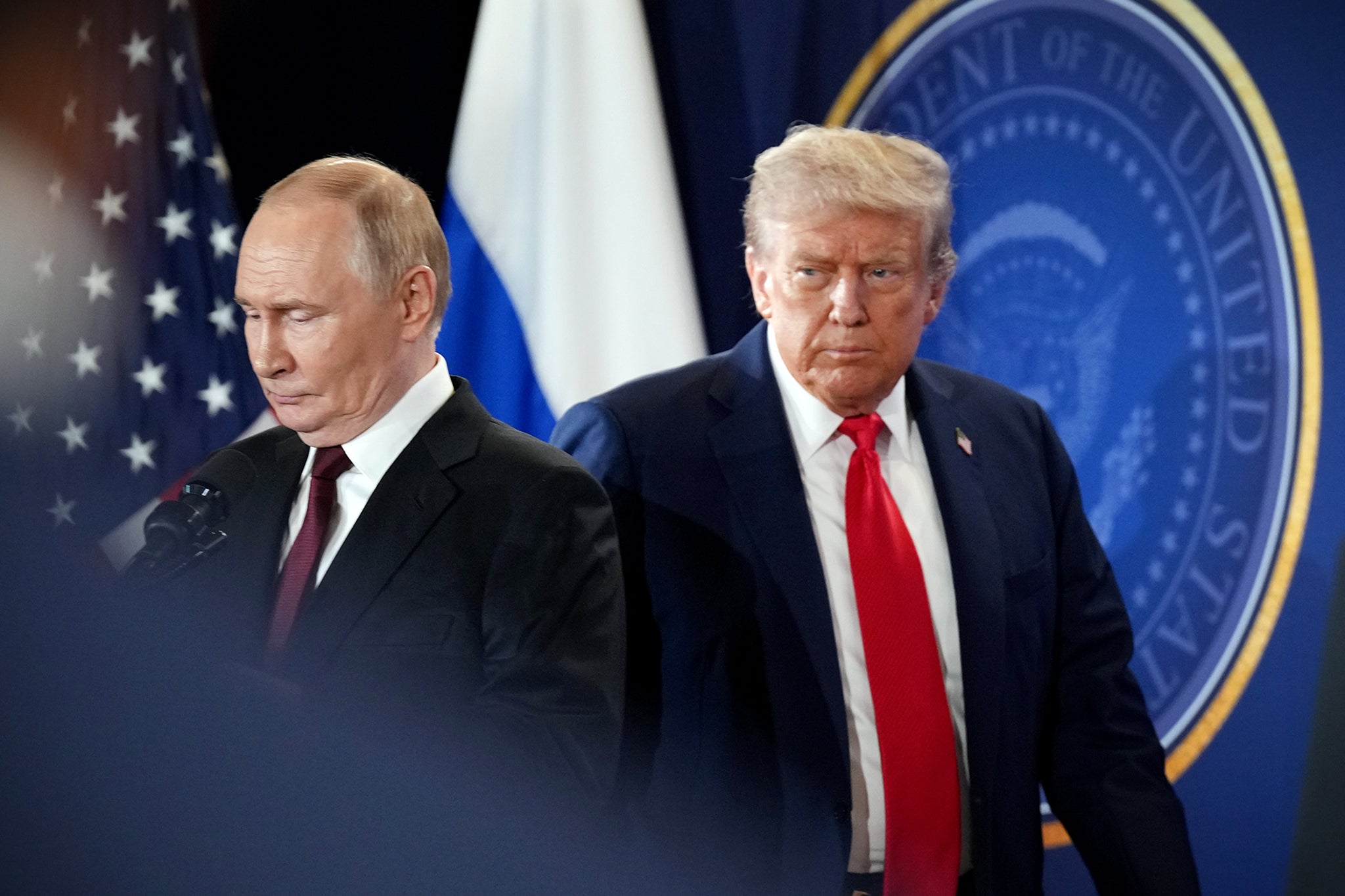
Donald Trump hit Russia with a new raft of sanctions targeting major oil companies on Wednesday in an apparent effort to strong-arm the Kremlin into sitting down for peace talks over Ukraine.
The new sanctions were unveiled one day after plans for a summit between Trump and Vladimir Putin fell apart, with the US leader expressing doubt in Russia’s commitment to ending the war.
The US Treasury Department said Russia’s two largest oil companies, Rosneft and Lukoil, were targeted in a bid to damage Moscow’s ability to fund its war machine.
The move was a sharp turnaround for Trump, who in recent days had been insisting upon Putin’s willingness to come to the negotiating table – while conceding that he might have been “played”.
With the announcement of sanctions, US Treasury secretary Scott Bessent said that it was time “to stop the killing and for an immediate ceasefire”, as oil prices rose by more than $2 (£1.50) a barrel.
Trump has resisted pressure from US lawmakers to extend sanctions, but acknowledged that he felt it was time, with little tangible progress made towards ending the war since he took office.
open image in gallery
What do the sanctions target?
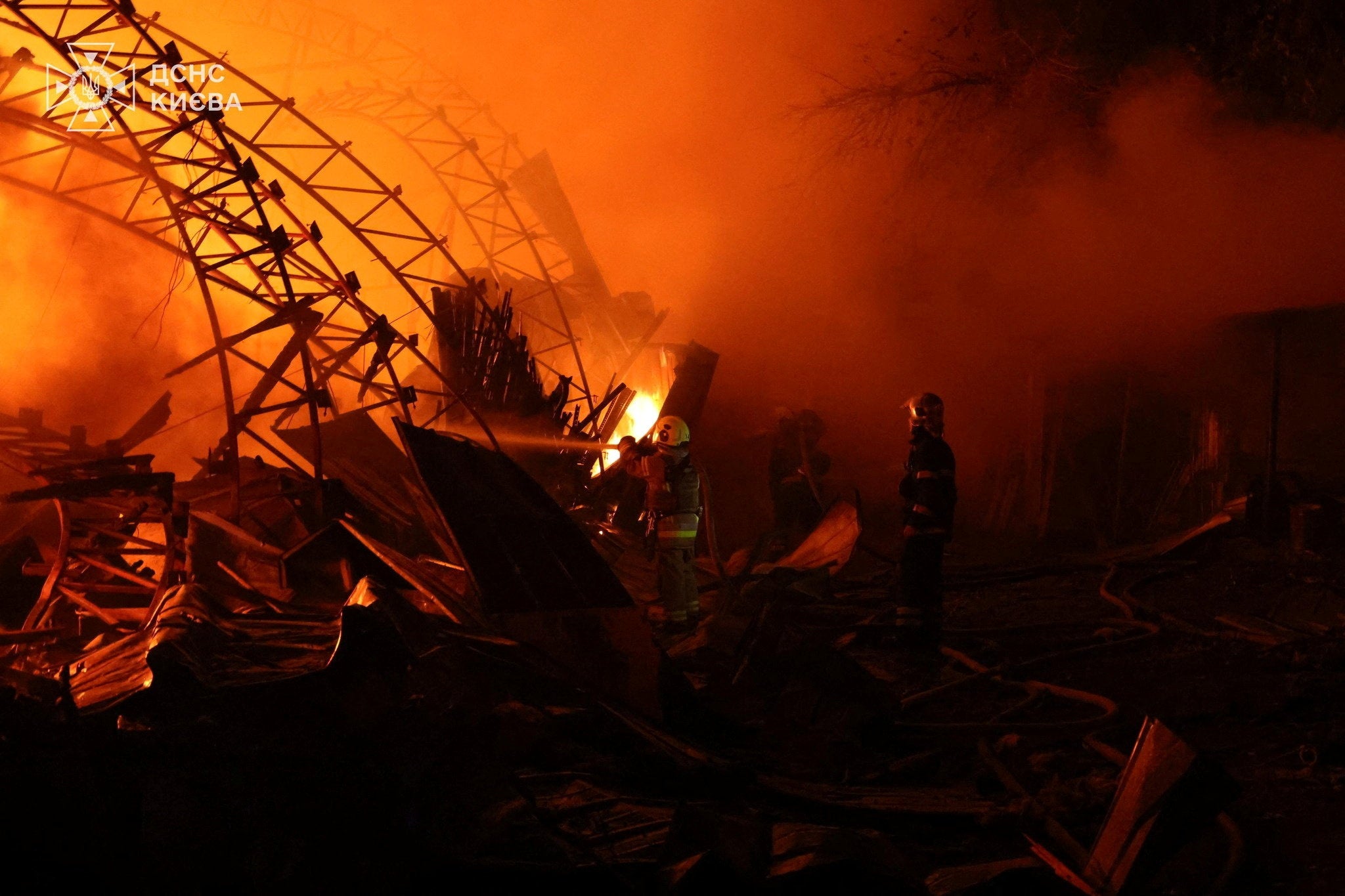
The sanctions blacklist Russia’s two largest oil producers, Rosneft and Lukoil, which between them export around 3.1 million barrels of oil every day.
This amounts to almost half of Russia’s total crude-oil exports, according to Bloomberg. Taxes from the oil and gas industries prop up about a quarter of Russia’s federal budget.
The Russian economy relies on exports of fossil fuels to foreign buyers. China and India are among the biggest customers of Russian oil and gas.
China, which promptly denounced Trump’s decision, imported some 100 million tonnes of Russian crude oil last year, accounting for around 20 per cent of its total energy imports.
open image in gallery
The risk for Russia’s customers is the threat of secondary penalties for dealing with sanctioned entities. Even though China and India, for example, are not explicitly targeted by the sanctions, they could find themselves shut out from Western banking systems, insurance or access to dollars for engaging with the companies.
Increased energy prices will affect businesses, which will affect consumer prices.
The American sanctions align with the decision by EU countries to approve a 19th package of measures, including a ban on Russian liquefied natural gas imports, announced on Wednesday. The UK also hit Rosneft and Lukoil with sanctions last week.
Why has Trump sanctioned Russia now?
US lawmakers have been arguing for months that tough energy sanctions are needed to bend Russia’s arm and bring it to the negotiating table.
Trump had until now resisted the calls, hoping that he could get Putin to cut a deal through diplomatic means.
Since the disastrous summit with Zelensky in February, Ukraine has been careful to position itself close to Washington, while highlighting Russia’s lack of commitment.
Trump appeared to acknowledge this after Russia doubled down on its maximalist aims in Ukraine.
open image in gallery
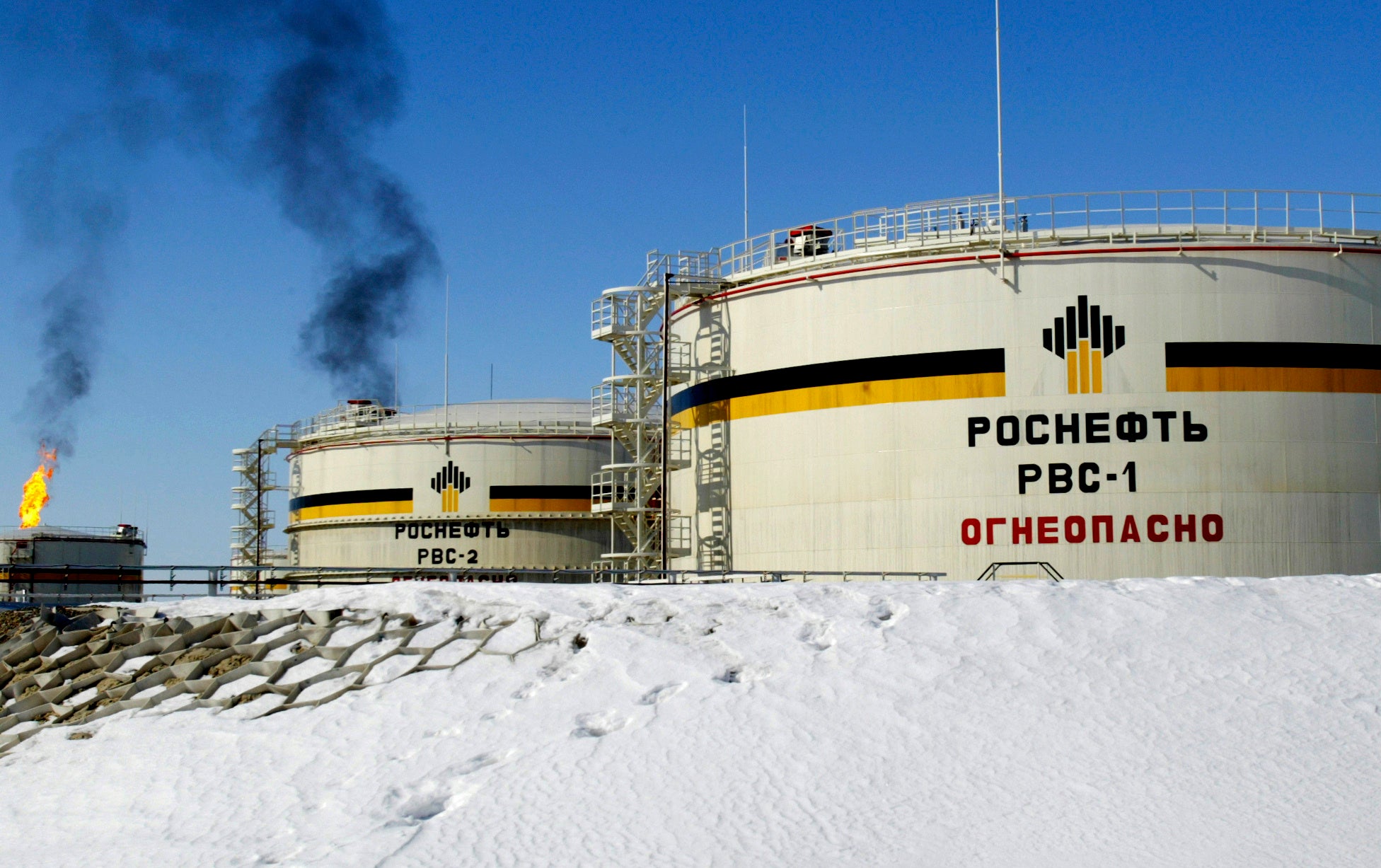
“Every time I speak to Vladimir, I have good conversations and then they don’t go anywhere. They just don’t go anywhere,” Trump said on Wednesday.
Bessent acknowledged that it was Putin’s refusal to end the “senseless war” that prompted the new sanctions.
Will the sanctions have any effect?
The experts say that the sanctions will hit oil profits, but they are unlikely to break Russia’s war machine.
Tom Keatinge, director of RUSI’s Centre for Finance & Security, said: “As Ukraine continues to inflict its own special kind of sanctions on Russia’s energy sector, the Trump administration has finally awoken.”
He indicated that Ukraine’s allies have until now been “timid” in “bringing down the sanctions hammer” on Russia’s main source of military revenue, oil.
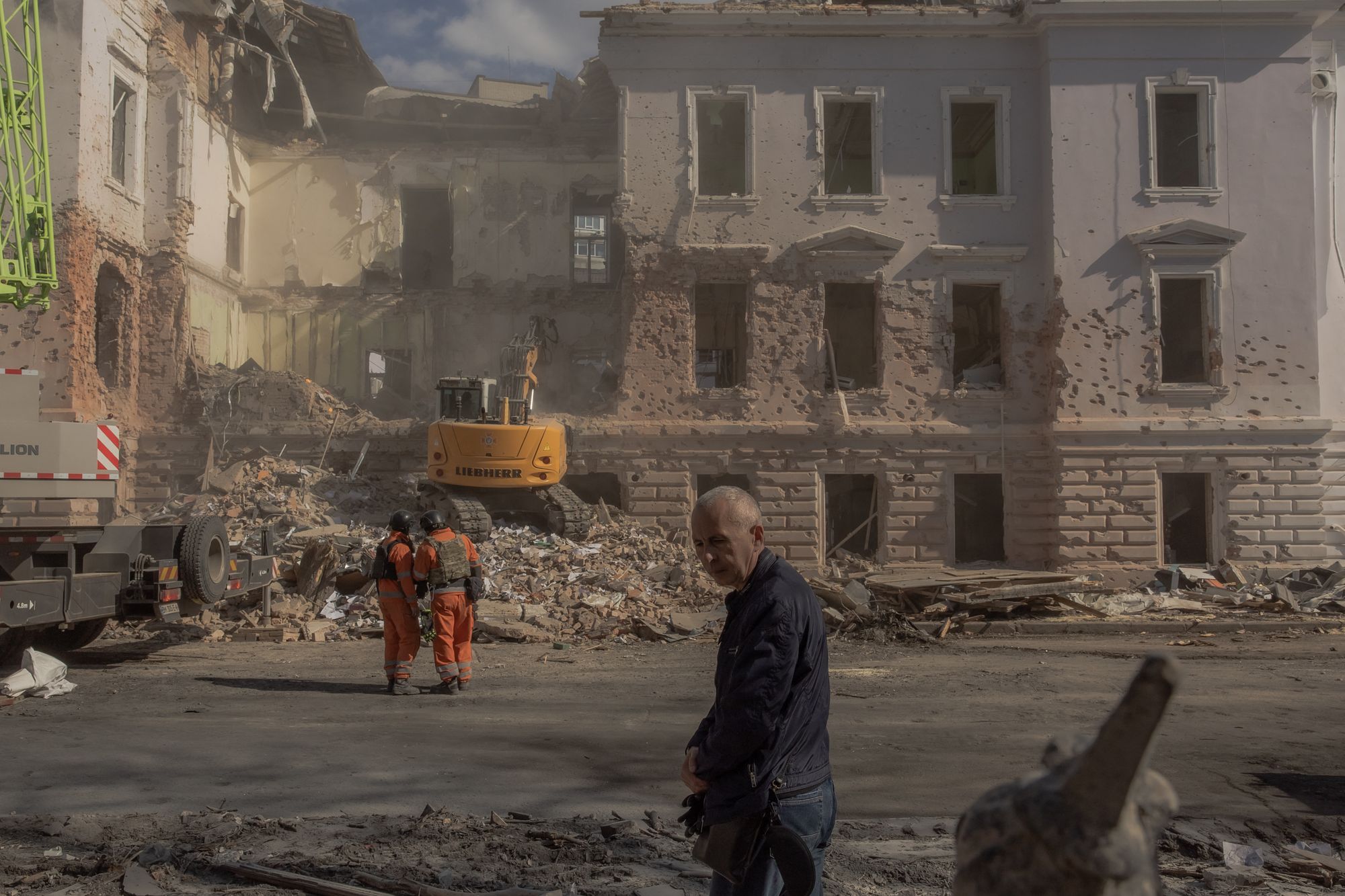
“Last week the UK moved against key Russian oil assets, yesterday it was the US’s turn, and maybe the EU will finally do (almost) the right thing today. But… when will the EU actually stop financing the Kremlin’s nightly attacks on Ukraine…?”
open image in gallery
Kimberly Donovan, a former White House and Treasury official and Atlantic Council expert, said she expected a “direct and immediate impact on Russia’s oil profits” and said the sanctions were significant due to the threat of secondary penalties.
Russia’s economy is in dire straits, and the Kremlin will be keen to avoid sanctions that could impact economic stability at home.
Michael Raska, assistant professor at the Military Transformations Programme at Singapore’s Nanyang Technological University, told the BBC that the sanctions could force Russia into “difficult trade-offs” between financing a war abroad and maintaining peace and stability at home.
But the sanctions were “unlikely to alter the military balance” in Ukraine for now, he indicated.