
US Politics
What you can buy with SNAP food stamps under RFK Jr’s healthy eating push is changing: Here is what’s in and out

Your support helps us to tell the story
From reproductive rights to climate change to Big Tech, The Independent is on the ground when the story is developing. Whether it’s investigating the financials of Elon Musk’s pro-Trump PAC or producing our latest documentary, ‘The A Word’, which shines a light on the American women fighting for reproductive rights, we know how important it is to parse out the facts from the messaging.
At such a critical moment in US history, we need reporters on the ground. Your donation allows us to keep sending journalists to speak to both sides of the story.
The Independent is trusted by Americans across the entire political spectrum. And unlike many other quality news outlets, we choose not to lock Americans out of our reporting and analysis with paywalls. We believe quality journalism should be available to everyone, paid for by those who can afford it.
Your support makes all the difference.
Read more
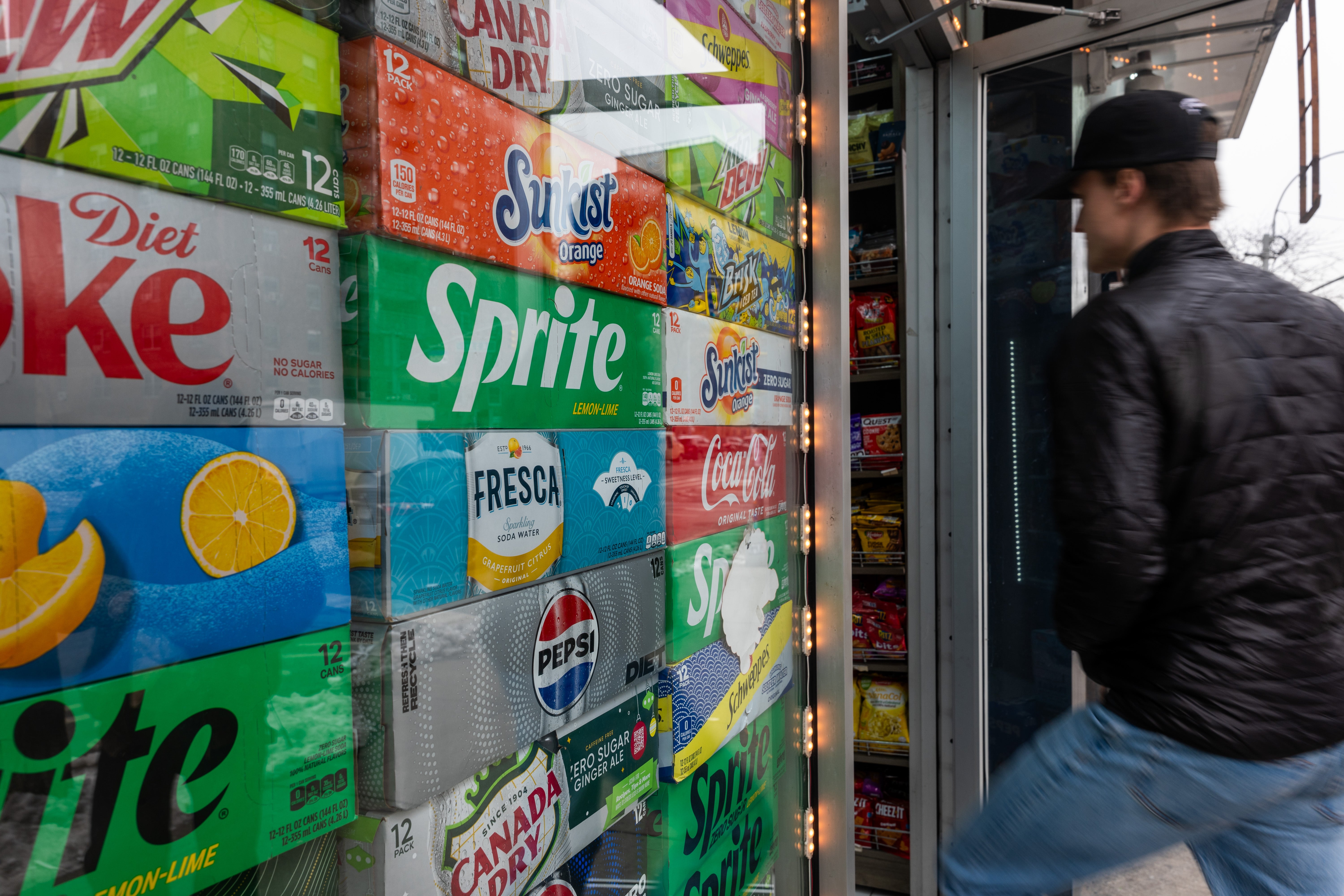
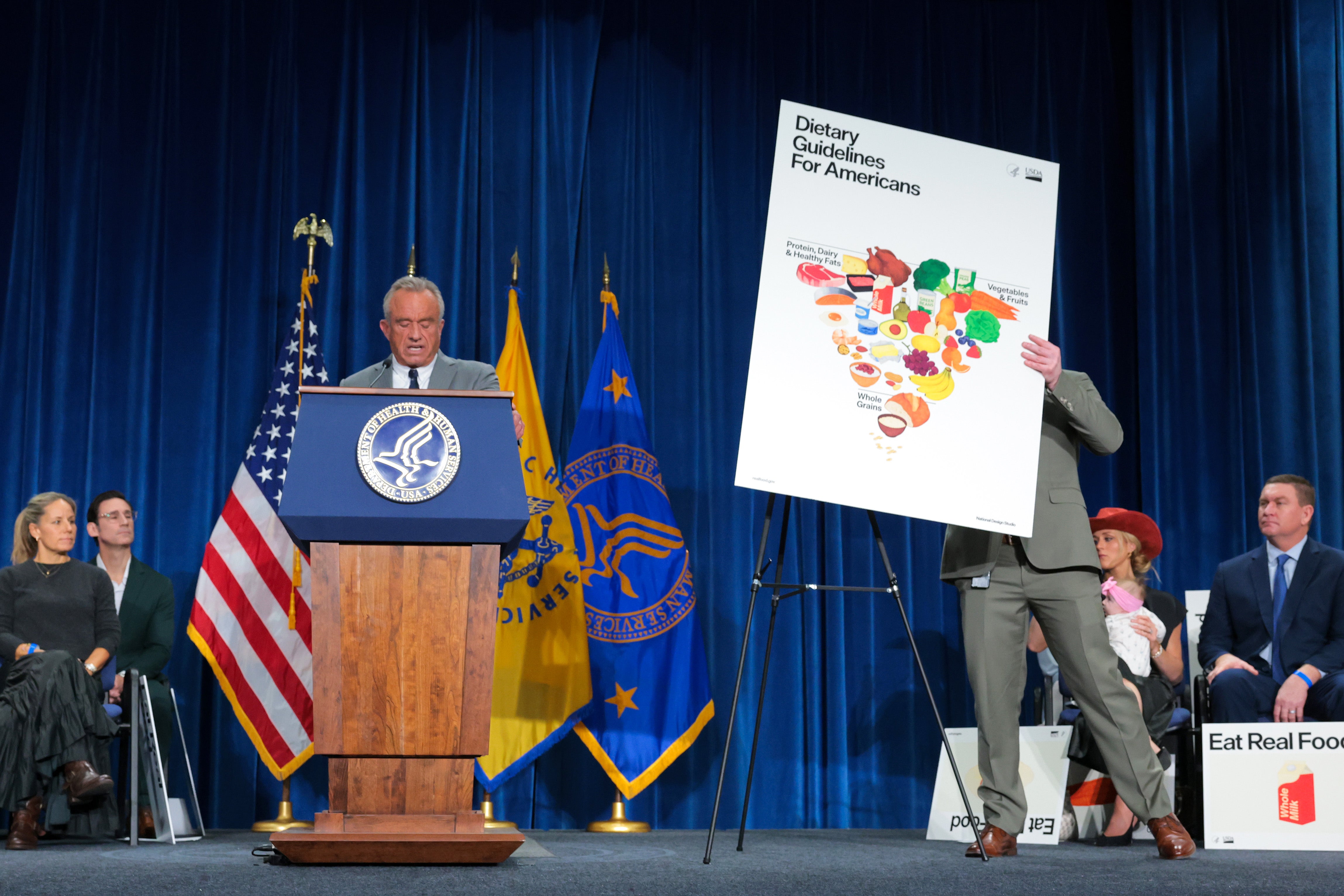
Nearly two dozen states have enacted changes to their Supplemental Nutrition Assistance Program, or food stamps, to exclude sodas, candy and other unhealthy foods from being purchased with benefits – seemingly to align with Health and Human Services Secretary Robert F. Kennedy Jr.’s push to make America healthier.
In an effort to promote Kennedy’s MAHA agenda, the Department of Agriculture, which oversees SNAP, is allowing states to pilot a two-year program in which states can ask for exemptions to certain foods or beverages to see whether it promotes healthy dietary changes.
But without federal guidance outlining the definition of “candy” or “soda,” states are implementing their own restrictions, sometimes confusing for retailers, the Washington Post reported.
In Arkansas, SNAP recipients cannot use their benefits to purchase soda, diet or not. But in Nevada, diet beverages are permitted. In Idaho, candy is exempt from SNAP purchases, but if the candy includes flour, it is allowed.
Advocacy groups also say the changes will do little to make healthy food more affordable and increase stigma in SNAP participants.
“SNAP food choice restrictions overlook the root cause issue,” the Des Moines Area Religious Council and Food Research & Action Center said in a joint statement last year.
“People on SNAP want to have more healthy foods like fresh fruits and vegetables and protein sources in their diets. The high cost of nutritious food is the number one barrier SNAP participants face in eating healthier. SNAP restrictions will only drive food prices higher, limiting access even more. This will only deepen the underlying systemic inequities of poverty and food insecurity,” the statement added.
The Independent has asked the Department of Agriculture for comment.
But others highlight how the move is meant to promote healthier food choices.
“Secretary Kennedy has been clear that we will support efforts by states to pursue SNAP waivers that prioritize healthier food options,” Andrew Nixon, a Department of Health and Human Services spokesperson, told the Washington Post.
“The goal is to empower families with better access to nutritious foods and support a healthier future,” Nixon added
Here are the 21 states that have already implemented or have a plan to implement new changes to SNAP programs. Colorado has also received an approved exception to soft drinks; however, the state has delayed implementation.
Arkansas
Beginning July 1, Arkansas is exempting sugary drinks, candy and chocolate from SNAP purchases.
Per the state’s terms, all soda, even diet or no-calorie, is exempt from SNAP. Also other sugary drinks, such as fruit or vegetable drinks with less than 50 percent natural juice and energy drinks or ready-to-drink coffees/teas with added sugar or cream.
Candy, gum and chocolate – including malt-chocolate drinks – cannot be purchased using SNAP.
Florida
As of April 20, Florida is exempting soda, energy drinks, candy, and ultra-processed prepared desserts from being purchased with SNAP benefits.
All sodas, whether diet or zero-sugar, are exempt from SNAP purchases. Drinks containing less than 50 percent vegetable or fruit juice or more than 5 grams of added sugar are also not allowed.
Energy drinks, or anything with 65 mg or more of caffeine per 8 oz, cannot be purchased with SNAP benefits.
Candy is defined as products that have sugar or artificial sweeteners combined with chocolate, fruits, nuts, caramels, gummies, hard candies or other flavorings.
Ultra-processed, ready-to-eat, shelf-stable desserts are also exempt from SNAP benefits.
Hawaii
Beginning August 1, Hawaii is exempting soft drinks from SNAP benefits.
Soft drinks, defined as nonalcoholic beverages made with carbonated water and sweetened with more than 10 grams of sugar per serving, may not be purchased with SNAP benefits.
Idaho
As of February 15, people in Idaho cannot use SNAP benefits to pay for soda or candy – however, the state’s complicated definition of candy has led to confusion.
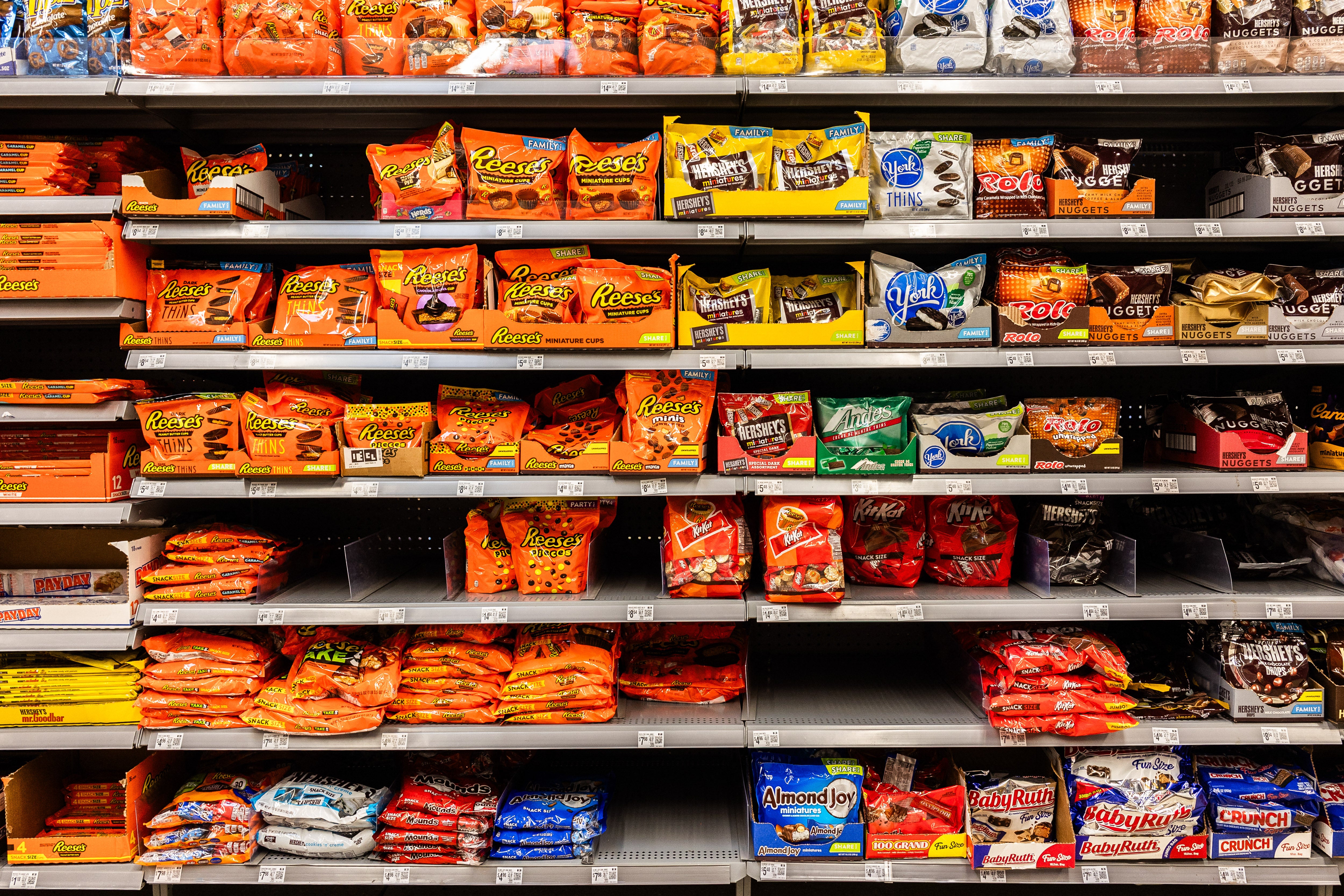
Under Idaho’s rules, candy is defined as a product made with sugar, honey or other sweetener in combination with chocolate, fruit, nuts or other ingredients in the form of bars, drops or pieces. However, any of these items made with flour or requiring refrigeration are still eligible to be purchased with SNAP benefits.
That means candy, such as a Twix bar, can be purchased with SNAP benefits because it contains flour, but M&Ms cannot.
This definition of candy has confused Idaho retailers, leading legislators to create new guidelines clarifying what can and cannot be purchased with SNAP.
The state defines soda as any nonalcoholic beverage containing sweeteners. However, drinks made with milk or milk substitutes, 50 percent juice or products that require preparation before consumption, such as a powder or concentrate, are not included in that definition.
Indiana
As of January 1, SNAP recipients cannot use their benefits to purchase soft drinks or candy.
Soft drinks are considered any nonalcoholic beverage containing sweeteners. However, drinks containing milk or milk substitutes or drinks exclusively sweetened using natural vegetable or fruit juice are not part of that definition.
Candy is considered any product that uses sugar, honey or other sweeteners in combination with chocolate, fruits, nuts or other ingredients or flavorings in the form of bars, drops or pieces. However, any item that requires refrigeration is allowed to be purchased using SNAP benefits.
Iowa
As of January 1, Iowa prohibited taxable food itemsfrom being purchased with SNAP benefits to promote healthy eating habits. The state implements taxes on soda, candy, gum, food sold through a vending machine and some in-store prepared foods.
Like Idaho, Iowa does not consider candy to be foods prepared with flour or requiring refrigeration.
The state has a lengthy list of taxable foods on its Department of Revenue website for SNAP recipients to follow.
Kansas
Beginning February 17, 2027, Kansas will prohibit candy and soft drinks from being purchased using SNAP benefits.
Like Idaho, Kansas exempts foods prepared with flour or requiring refrigeration from the candy definition.
Louisiana
As of January 15, Louisiana exempts soft drinks, candy and energy drinks from SNAP benefits.
Soft drinks are considered any carbonated nonalcoholic beverage containing high fructose corn syrup or artificial sweeteners. Drinks containing milk or milk substitutes or any beverage with 50 percent or more vegetable or fruit juice are not included in that definition.
Energy drinks are considered any beverage containing a stimulant, such as caffeine, guarana, taurine or glucuronolactone.
Like Idaho, Louisiana does not consider foods made with flour as candy.
Missouri
Beginning October 1, people in Missouri cannot purchase candy, prepared desserts, soft drinks, energy drinks and other specific beverages with SNAP benefits.
Beverages excluded from SNAP include soft drinks, beverages or concentrates containing 50 percent or less natural fruit or vegetable juice, drink mixes such as powders or concentrates intended to be made into a taxable beverage, energy drinks containing a stimulant.
However, beverages marketed as sports drinks, such as Gatorade, can be purchased with SNAP benefits.
Nebraska
As of January 1, SNAP recipients in Nebraska cannot use their benefits to purchase soft drinks or energy drinks.
Like Missouri, Nebraska still allows SNAP recipients to purchase sports drinks that are intended to increase hydration or medically necessary nutritional products.
Nevada
Beginning February 1, 2028, candy and sugar-sweetened beverages are exempt from SNAP purchases in Nevada.
Candy is considered gummies, licorice, hard candies, sugar, corn syrup or high fructose corn syrup-based pieces, and compressed candies. However, chocolate products, protein, granola bars, and products made or sweetened with natural sweeteners or artificial sugars are not part of that definition.
Sugar-sweetened beverages are defined as ready-to-consume or ready-to-mix drinks that contain added caloric sweeteners. Diet beverages are not included in that definition.
North Dakota
Beginning September 1, North Dakota will exclude soft drinks, energy drinks and candy from SNAP purchases.
The state defines candy the same as it does under its taxable food definition, which means any product prepared with sugar, honey or other sweetener combined with chocolate, fruits, nuts or other ingredients or flavorings in the form of bars, drops or pieces.
Like Idaho, products made with flour or requiring refrigeration are not defined as candy.
Soft drinks are defined as any carbonated nonalcoholic beverage containing water, a sweetening agent and flavoring. However, powdered flavorings are permitted SNAP purchases.
Like Missouri, North Dakota allows sports drinks for hydration to be purchased with SNAP benefits.
Ohio
Beginning October 1, sugar-sweetened beverages are excluded from SNAP purchases in Ohio.
That is defined as a beverage made with sugar, corn syrup, high fructose corn syrup or other caloric sweetener as the primary ingredient or the second ingredient if the first ingredient is carbonated water.
Oklahoma
As of February 15, Oklahoma excludes candy and soft drinks from being purchased with SNAP benefits.
Candy is defined as any solid, semi-solid or molded preparation of sugar, sweeteners, or chocolate with or without added ingredients that is commonly marked or recognized as candy. That includes chewing gum and chocolate bars.
Soft drinks are defined as any beverage containing natural or artificial sweeteners that is marketed, labeled or advertised as soda, pop, cola, energy drink or energy supplement. However, drinks containing milk or milk substitutes or 50 percent or more vegetable or fruit juice are not part of that definition.
South Carolina
Beginning August 31, South Carolina will exclude candy, energy drinks, soft drinks and sweetened beverages from SNAP purchases.
Soft drinks are defined as beverages made with carbonated water and flavored or sweetened with 5 grams of sugar or sweeteners.
Sweetened beverages are defined as any sweetened beverage with added sugar or sweeteners.
However, beverages containing milk or milk substitutes, 50 percent or more natural vegetable or fruit juice with no added caloric sweetener and sports rehydration beverages are not part of that definition. Baby formula and medically necessary drinks are also not part of that definition.
Tenneessee
Beginning July 31, processed beverages, such as soda or energy drinks, and processed foods, such as candy, will be excluded from SNAP purchases.
Processed foods are defined as foods that list sugar, cane sugar, corn syrup, or high fructose corn syrup as the first ingredient or food altered from its natural state through heating, mixing, milling, canning, freezing or adding ingredients.
Single-ingredient sugars, used for baking or cooking, are not part of that definition.
Processed beverages are drinks that list carbonated water and sugar, cane sugar, corn syrup and high fructose corn syrup. However, drinks with low or non-caloric sweeteners as the first two ingredients can be purchased with SNAP benefits.
Texas
As of April 1, sweetened drinks and candy are excluded from SNAP purchases.
Sweetened drinks are defined as nonalcoholic beverages made with water that contain 5 grams or more of added sugar or any artificial sweetener. Drinks containing milk, milk substitutes or 50 percent or more vegetable or fruit juice are not part of that definition.
Candy is defined as any confection made with natural or artificial sweeteners. Although single ingredients used for cooking are not part of that definition.
Utah
As of January 1, soft drinks are excluded from SNAP benefits in Utah.
Soft drinks are any nonalcoholic beverage made with carbonated water and flavored and sweetened with sugar or artificial sweeteners.
Virginia
As of April 1, SNAP recipients cannot purchase sweetened beverages with benefits.
Sweetened beverages are any beverage made with carbonated water that is flavored or sweetened with added sugar or artificial sweeteners, including diet or zero-calorie sodas, energy drinks, soft drinks and regular soda.
However, non-carbonated sweetened beverages are not part of that definition.
West Virginia
As of January 1, West Virginia excludes soda from SNAP benefits.
Soda is defined as any carbonated nonalcoholic beverage containing water, a sweetening agent, flavoring and carbon dioxide.
Wyoming
Beginning February 7, 2027, sweetened carbonated beverages will be excluded from SNAP purchases.
The state considers any sweetened beverage a nonalcoholic beverage made with carbonated water, flavored and sweetened with sugar or artificial sweeteners.