
Lifestyle
What time’s dinner? More people (and Gen Z-ers) are saying 5 p.m.

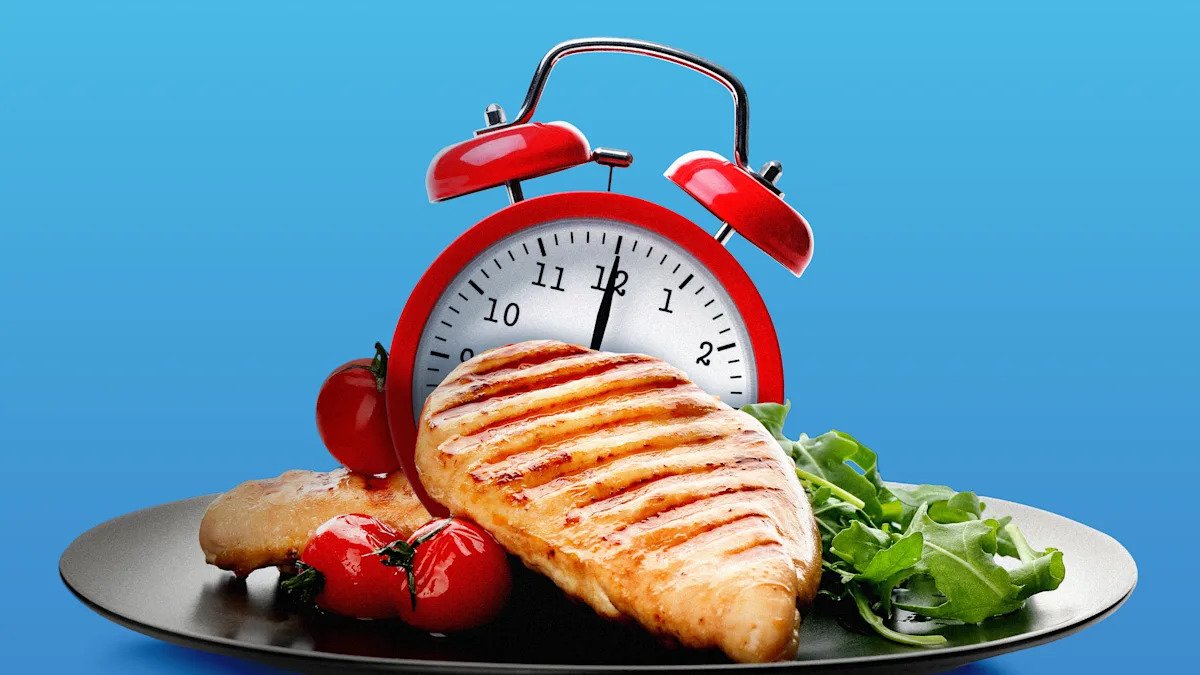
I used to tease my parents that if they started eating dinner at 4:30 or 5 p.m., it was the first official sign of old age. And because they have a good sense of humor, whenever they would hop out for an early bird special, they would call me from the restaurant to say, “It’s 5 p.m. and we’re having dinner!”
While it’s no surprise that there are plenty of retirees and parents with little kids who dive into their dinners before many people have wrapped up work, that’s starting to shift. Younger people, particularly Gen Z-ers, are getting on board the early train, with some posting about #EarlyDinner on TikTok. “The stereotype around early dinners being for retirees is fading,” Yelp trend expert Tara Lewis tells Yahoo. “These days, a 5 p.m. dinner is just as much for young professionals, wellness-focused diners and casual friend group meet-ups. In many cities, an early reservation is just as desirable as the once-coveted 8 p.m. table.”
That’s the case for Jennifer Mathews, a personal chef and writer whose ideal dinner time is 5 o’clock sharp. “By the time most people are browsing menus at eight, I’m already in pajamas bingeing Netflix,” she tells Yahoo. Do her friends ever tease her about her preference for eating dinner while the sun is still up? “Constantly,” she says. “I’ve been called everything from an 8-year-old to a senior citizen. Apparently, I’ve skipped right over adulthood and gone straight to the early bird special years.”
Mathews says the shift came once she had kids. “By 4:30, they were hangry little gremlins. Dinner at 5 was a solution,” she says. “Eating out early was a bonus too. No waitlists, no meltdowns, and we basically had the restaurant to ourselves.”
She has no plans to change her 5 p.m. dinner time even as her kids age, saying it comes with a slew of benefits. For one, snacking has basically disappeared. Mathews typically eats lunch around noon, so she can make it straight to dinner without raiding the pantry. “It’s helped me maintain a healthy weight, especially as my metabolism slows down with age,” she says. Another bonus? She sleeps better. “If I eat late, I go to bed uncomfortably full and wake up starving,” Mathews says. “When I eat early, digestion’s done by bedtime, and I sleep well.”
Turns out, our grandparents (and parents) were onto something after all. Here’s what’s driving the change.
The trend is becoming more about convenience and experience rather than age.
Dining early, by the numbers
6 p.m. seems to be the Goldilocks of dinner times, straddling that sweet spot between eating “early” and “late,” depending on who you ask. According to a new Yahoo/YouGov poll of 1,690 U.S. adults, most people (34%) said they typically eat dinner at 6 p.m., while 5 p.m. (21%) and 7 p.m. (23%) were nearly equally popular. About 14% of people said they normally sit down to dinner at 8 p.m. or later, compared to only 6% who dine around 4 p.m. or earlier.
According to OpenTable’s dining data, earlier dinner times are trending in the U.S. Dinner reservations at 5 p.m. are up 11%, while 6 p.m. bookings are up 8% compared to last year — with 6 p.m. being the most popular hour to dine. Later time slots, however, are seeing smaller gains: 7 p.m. reservations are up 6%, while 8 p.m. bookings are up only 4%.
Yelp data also shows that earlier evening meals are gaining momentum: 60% of all Yelp restaurant bookings in 2024 and 2025 were made for 4 p.m. to 6:59 p.m., up from 51% in 2018. At the same time, people are losing their appetite for 8 p.m. reservations. The share of dinners booked for 8 p.m. to 8:59 p.m. went from 14% in 2018 to just 10% in 2025, according to Yelp.
And it’s not just AARP cardholders who are clamoring for these earlier time slots. An OpenTable survey on 2025 dining trends, conducted by PureSpectrum and involving 1,500 U.S. consumers, revealed that 53% of Gen Z and 51% of millennials had interest in earlier dinner bookings this year, compared with 37% of Gen X and Baby Boomers. “This appetite in ‘early bird’ dining across the board suggests the trend’s staying power,” Cheryl Paniagua, vice president of restaurant sales and services at OpenTable, tells Yahoo.
Why early dinners are becoming more popular
Several factors are nudging people toward earlier dining times. For one, it may be healthier. Late-night eating has been linked to a higher risk of weight gain and consuming more calories. It can also mess with your sleep and disrupt digestion.
Remote and hybrid work schedules have also changed daily routines, making it easier to eat earlier, notes Yelp’s Lewis. Booking an early dinner often means you have a better shot at getting a reservation at more popular restaurants. “Diners can secure prime tables without the late-night crowds or long waits,” says Lewis, who adds that it’s also a good option for families or those who prefer a quieter atmosphere.
More Gen Z-ers and millennials are embracing these earlier dining times, “whether to catch up with friends, try new restaurants or kick off an evening out,” says Lewis. “The trend is becoming more about convenience and experience rather than age.”
Restaurants are adapting to this early shift in several ways. Lewis explains that many are expanding their hours, offering creative happy hour menus or bringing back early bird specials to attract diners in the early crowd. “Some are even adjusting staffing and kitchen operations to accommodate a busier dining room earlier in the night,” she says.
Adds OpenTable’s Paniagua: “Whether guests are coming straight from the office, booking hard-to-get tables at traditionally quieter hours or opting to dine earlier for health and wellness reasons, our data shows a clear pattern: 5 and 6 p.m. dinner reservations are on the rise.”
Are early dinners better for you?
Between late work nights and after-school sports, having dinner on the table by 5 p.m. doesn’t necessarily work with everyone’s schedule. But experts say that having dinner earlier when you can has several health benefits.
“Eating earlier gives your body more time to digest before bed, which can help keep blood sugar steady, reduce late-night cravings and improve sleep,” Valerie Agyeman, a registered dietitian and partner with Nature Made, tells Yahoo. “It also helps prevent overeating at night,” which can happen if you’ve waited too long to have dinner.
When you eat too close to bedtime, your body is busy digesting instead of winding down, which can trigger reflux, restless sleep or even morning grogginess, says Agyeman. “Over time, it may also impact metabolism and make it harder to manage weight,” she says.
But here’s some good news if eating early just isn’t your thing or isn’t doable with your schedule: For most people, says Agyeman, the exact time is less important than making sure there’s at least two to three hours between your last meal and bedtime so your body has time to digest.
“More people are starting to connect the dots between when they eat and how they feel, whether that’s better digestion, more restful sleep or higher energy the next day,” says Agyeman. “Overall, there’s growing awareness that eating earlier is a small change that can make a big difference in how you feel.”