US Politics
Trump says he’s considering ‘winding down’ Iran war even as US sends more troops to region

Your support helps us to tell the story
From reproductive rights to climate change to Big Tech, The Independent is on the ground when the story is developing. Whether it’s investigating the financials of Elon Musk’s pro-Trump PAC or producing our latest documentary, ‘The A Word’, which shines a light on the American women fighting for reproductive rights, we know how important it is to parse out the facts from the messaging.
At such a critical moment in US history, we need reporters on the ground. Your donation allows us to keep sending journalists to speak to both sides of the story.
The Independent is trusted by Americans across the entire political spectrum. And unlike many other quality news outlets, we choose not to lock Americans out of our reporting and analysis with paywalls. We believe quality journalism should be available to everyone, paid for by those who can afford it.
Your support makes all the difference.
Read more
President Donald Trump said he is considering “winding down” the war with Iran, even as the Pentagon sends more troops to the region and weighs requesting billions in additional funding.
“We are getting very close to meeting our objectives as we consider winding down our great Military efforts in the Middle East with respect to the Terrorist Regime of Iran,” the Republican president wrote on Truth Social on Friday evening.
He then outlined five goals: destroying Iran’s missile arsenal, dismantling its defense industry, neutralizing its military forces, preventing nuclear weapon development, and safeguarding U.S. allies in the region.
While speaking to reporters outside the White House earlier on Friday, Trump rejected calls for a ceasefire and proclaimed victory over Iran.
“I don’t want to do a ceasefire,” the president said. “You don’t do a ceasefire when you’re literally obliterating the other side.”

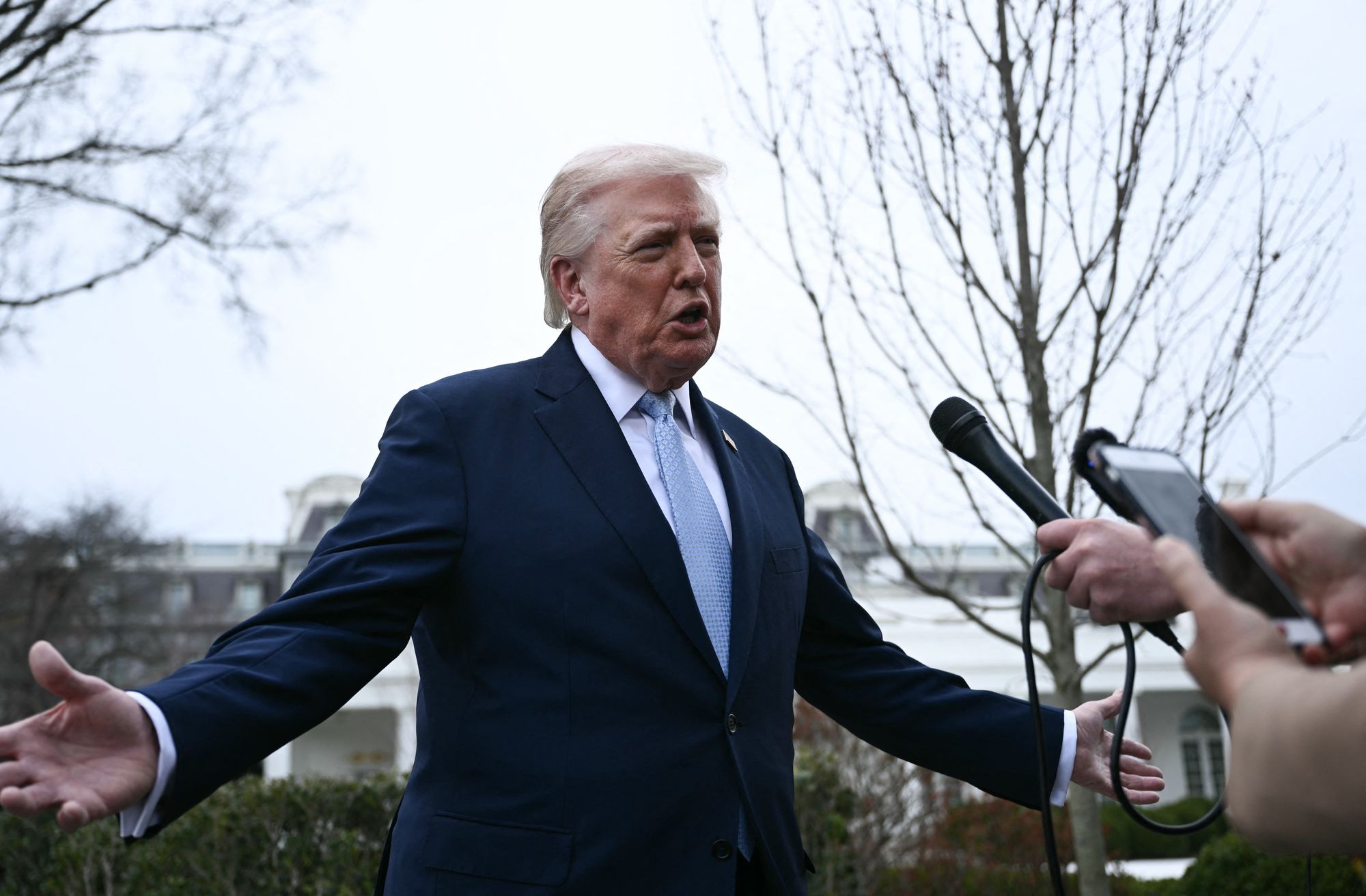
“I think we’ve won,” he added. “We’ve knocked out their navy, their air force. We’ve knocked out their anti-aircraft, we’ve knocked out everything. We’re roaming free…From a military standpoint they’re finished.”
Despite his confident tone and apparent willingness to end the conflict, there are growing signs that suggest the U.S. is gearing up to commit more resources to the overseas military operation.
This week, The Independent reported that the Trump administration is weighing the deployment of thousands of additional troops to the Middle East.
The Wall Street Journal later reported that upwards of 2,200 Marines are already shipping out to join U.S. Central Command, which oversees operations in the region. Trump declined to comment on the matter on Friday, saying, “As far as troops are concerned, I can’t tell you what we’re doing.”
At the same time, the Pentagon is seeking an additional $200 billion in order to wage the offensive. The department recently sent the request to the White House, according to a senior administration official. The first six days of the war alone cost more than $11.3 billion, the Pentagon told Congress in a closed-door briefing on March 10.

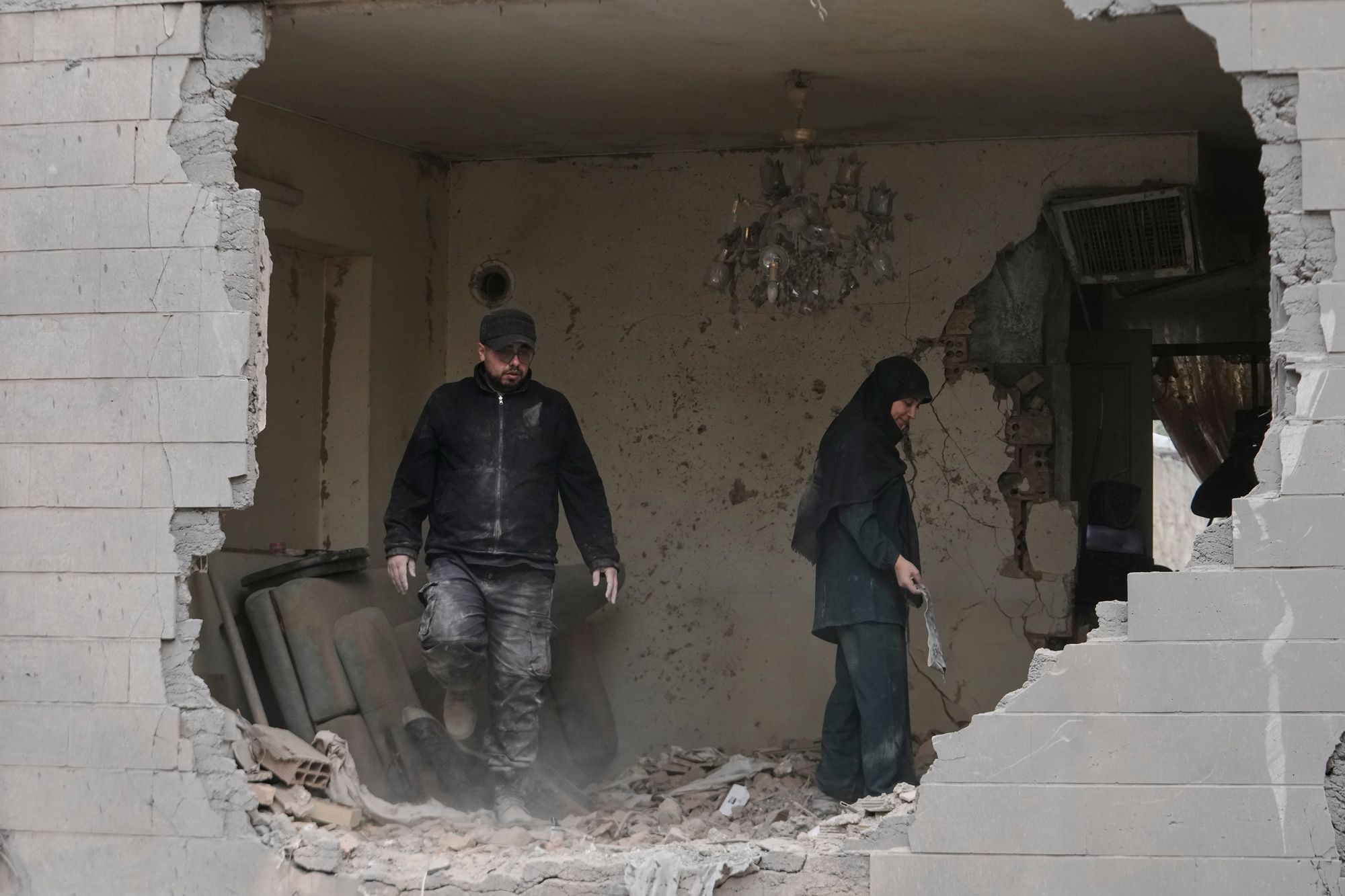
The war — launched jointly by the U.S. and Israel on February 28 — has now stretched into its third week, engulfing the region in violence.
The U.S. has carried out more than 7,000 strikes inside Iran, Defense Secretary Pete Hegseth said on Thursday, vowing to provide the “largest strike package yet” that day. Tehran has retaliated by bombarding a number of nearby nations, including Israel, Qatar, Kuwait, Saudi Arabia and the United Arab Emirates.
More than 1,400 Iranians have died, and over 10,000 have been injured, according to the nation’s health authorities. Thirteen U.S. service members have been killed, and more than 140 have been wounded, the Pentagon has said.
On Thursday, a U.S. F-35 fighter jet was forced to make an emergency landing in the Middle East after it was reportedly struck by Iranian fire. The pilot was uninjured, according to U.S. Central Command.
The war has also triggered fears of global economic upheaval, as tanker traffic through the Strait of Hormuz — a vital artery of world trade — has ground to a halt. As a result, oil prices have surged past the $100-a-barrel milestone several times in recent weeks, and the average cost of a gallon of diesel ticked past $5 this week. Experts have warned the spike in fuel costs will likely ripple through the broader economy, affecting the price of groceries, shipping and construction.

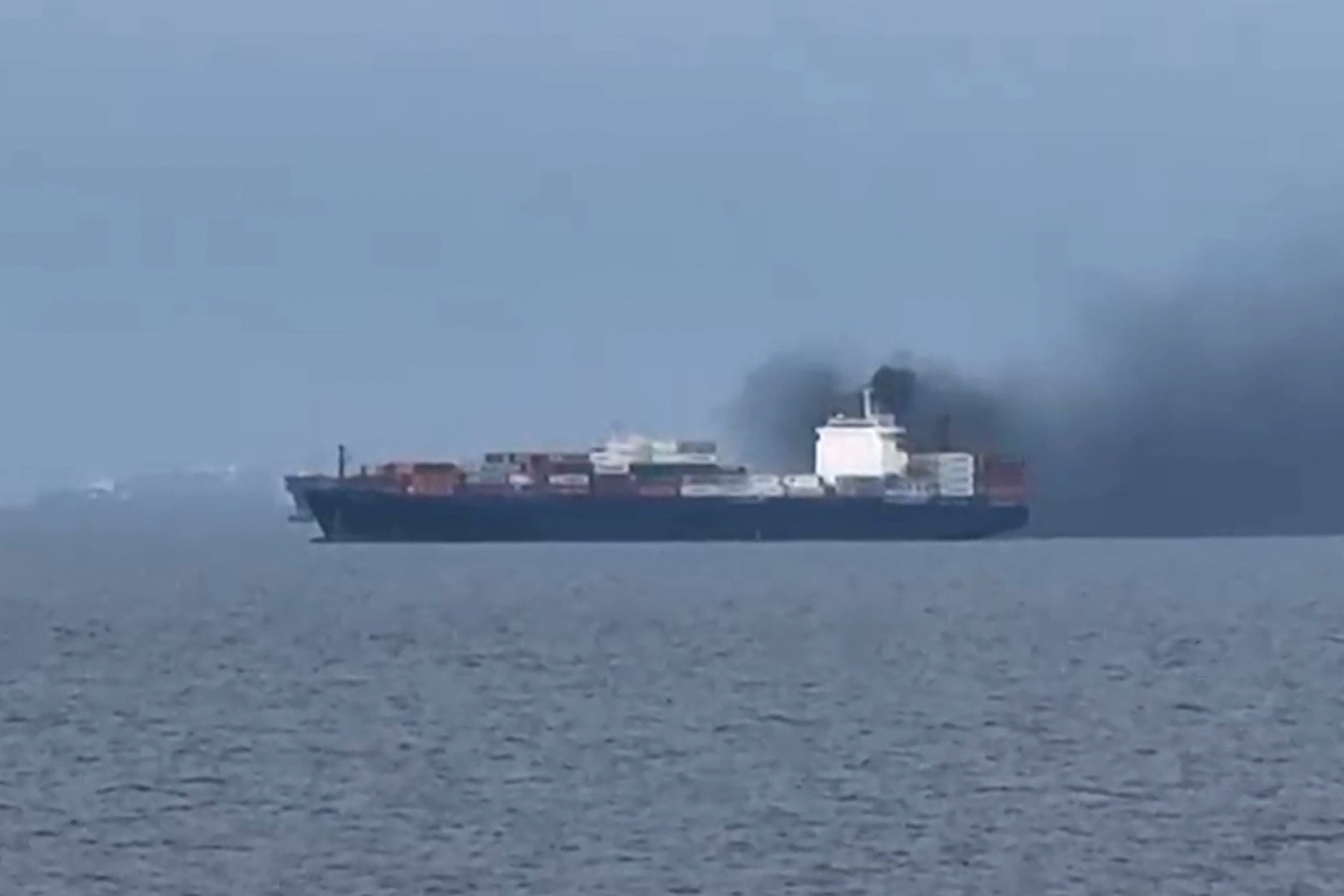
When asked about the waterway on Friday, Trump showed little sign of concern.
“We’re doing very well there…we don’t use the Strait,” he said, pointing out that other countries, such as China and Japan, rely on it much more than the U.S. for transporting oil.
The 79-year-old Republican president also fumed that NATO allies have thus far refused to help secure the Strait of Hormuz, accusing the countries of lacking courage. Still, he again appeared unflappable, stating: “At a certain point it will open itself.”
So far, Trump has avoided giving a definite timeline for when the war will end. Last week, he told Fox News the conflict will be over “when I feel it in my bones.”
Democrats have expressed outrage over the military campaign, which they’ve described as illegal — given its lack of congressional authorization — reckless and a blatant violation of Trump’s campaign promise to be the “candidate of peace.”
Republicans, meanwhile, have largely supported the president, claiming he is rightly taking on a dangerous regime. Some, however, have privately expressed reservations. And one high-ranking official, Joe Kent, Trump’s former counterterrorism chief, resigned this week over his opposition to the war, which he accused Trump of being duped into joining.
Polls show that more Americans oppose the war than support it.
Fifty-nine percent of Americans are against the new Middle East conflict, while 37 percent are in favor, according to a new Ipsos survey. An additional 65 percent said they believe Trump will send troops to fight in “a large-scale ground war” in Iran — but just 7 percent support this idea.