US Politics
Trump says he doesn’t want ‘to travel 9,500 miles to fight a war’ with China over Taiwan

Your support helps us to tell the story
From reproductive rights to climate change to Big Tech, The Independent is on the ground when the story is developing. Whether it’s investigating the financials of Elon Musk’s pro-Trump PAC or producing our latest documentary, ‘The A Word’, which shines a light on the American women fighting for reproductive rights, we know how important it is to parse out the facts from the messaging.
At such a critical moment in US history, we need reporters on the ground. Your donation allows us to keep sending journalists to speak to both sides of the story.
The Independent is trusted by Americans across the entire political spectrum. And unlike many other quality news outlets, we choose not to lock Americans out of our reporting and analysis with paywalls. We believe quality journalism should be available to everyone, paid for by those who can afford it.
Your support makes all the difference.
Read more
President Donald Trump has said he does not want “to travel 9,500 miles to fight a war” over Taiwan, as tensions in Iran, some 7,000 miles away from the U.S., continue to simmer.
In an interview with Fox News’ Bret Baier that aired Friday, the president said that both China and Taiwan should “cool it,” and that he would prefer to avoid any kind of American intervention.
“I’m not looking to have somebody to go independent and, you know, we’re supposed to travel 9,500 miles to fight a war,” the president told Baier. “I’m not looking for that. I want them to cool down. I want China to cool down.”
The distance from Washington D.C. to Taiwan is roughly 7,800 miles, and the distance from the U.S. capital to Tehran is around 6,400 miles.
Taiwan has been a prickly issue for both sides entering into the bilateral talks which took place this week between Trump and his Chinese counterpart Xi Jinping.

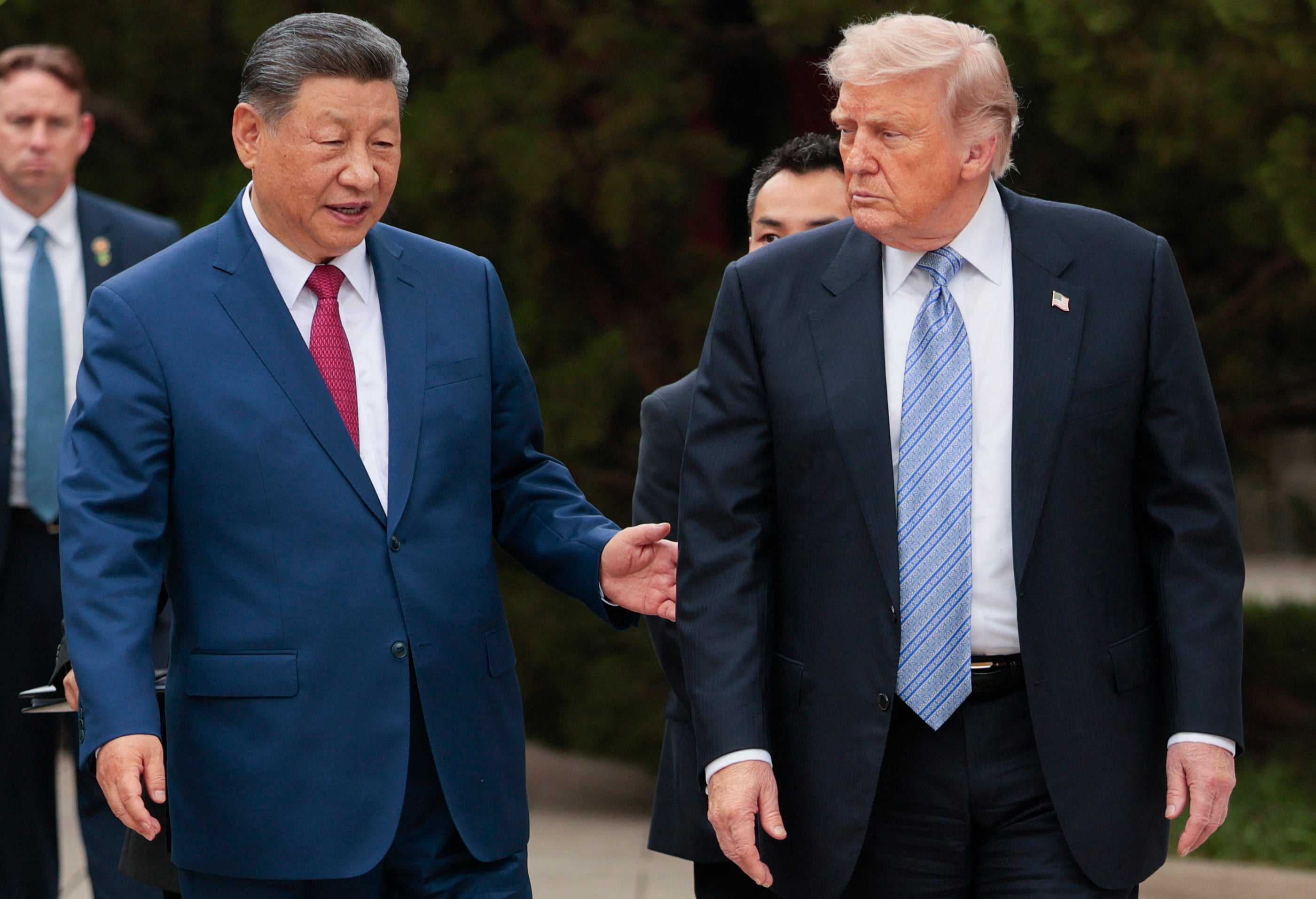
Beijing sees Taiwan as a breakaway part of mainland China that must eventually be unified. Taiwan is a self-governing democracy, and polls indicate the public largely does not want to be ruled by Xi Jinping.
The U.S. formally recognizes the People’s Republic of China as the government of China, and it does not recognize Taiwan as a sovereign nation. But, it is legally obligated — via the Taiwan Relations Act — to provide the island with the means to defend itself.
When asked about U.S. weapons sales to the island, Trump said: “We’re gonna see what happens.”
The president also refuted the idea that China had “threatened” the U.S. over changing its stance on Taiwan, despite communications put out by President Xi’s communications team following the first meeting between the two leaders Thursday.

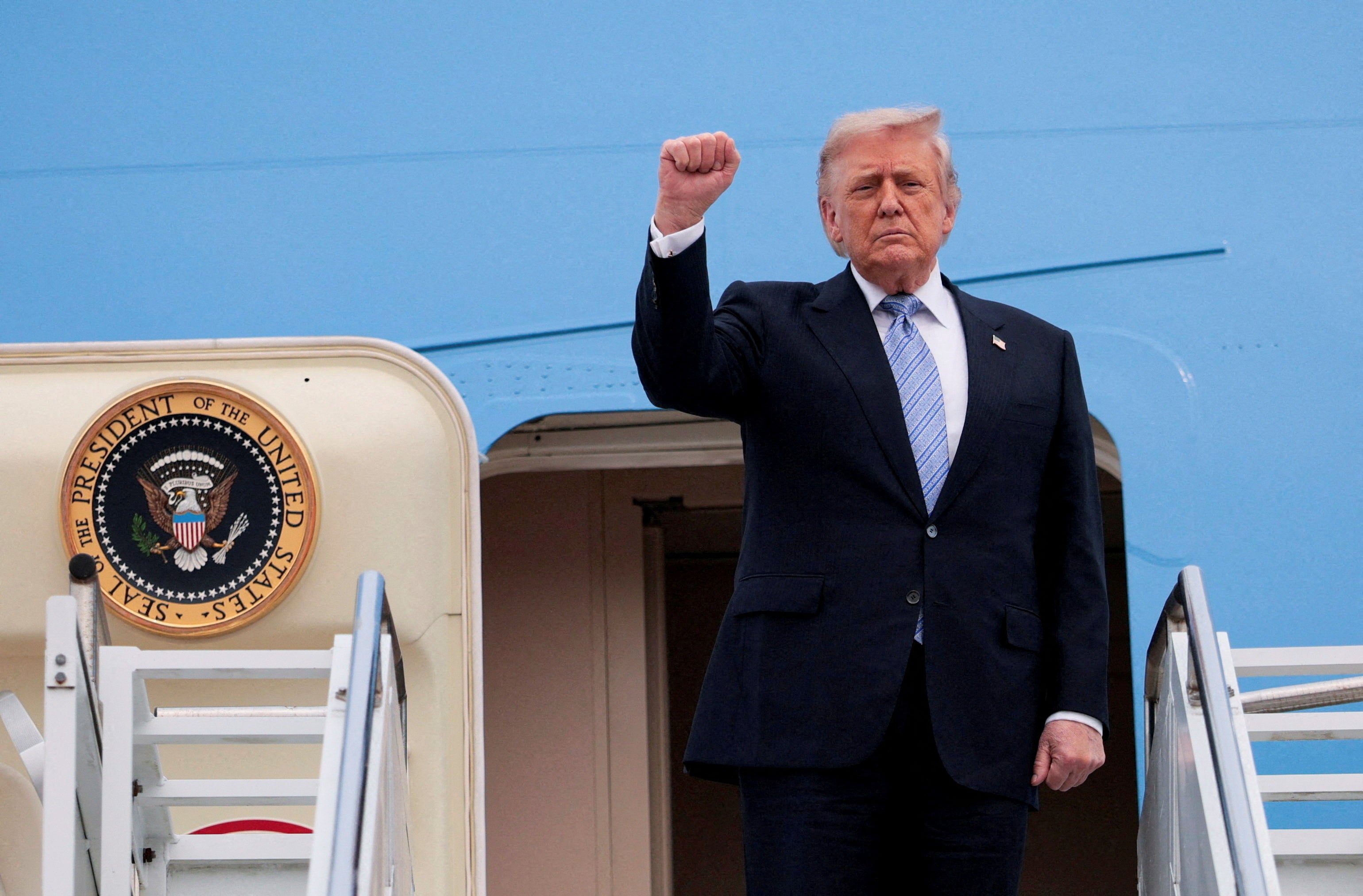
“The Taiwan question is the most important issue in China-U.S. relations,” Xi’s spokesperson Mao Ning wrote on X. “If it is handled properly, the bilateral relationship will enjoy overall stability. Otherwise, the two countries will have clashes and even conflicts, putting the entire relationship in great jeopardy.”
Asked if that message had been conveyed as a threat, Trump told Baier: “No it wasn’t not at all, but it’s always been the most important issue.
“It’s not a take over, they just don’t want to see this place – we’ll call it a place, because nobody knows how to define it – but they don’t want to see it go independent,” he said.