US Politics
Trump believed coming across as ‘unstable and insulting’ in controversial posts could ‘bring the Iranians to the table,’ report says

Your support helps us to tell the story
From reproductive rights to climate change to Big Tech, The Independent is on the ground when the story is developing. Whether it’s investigating the financials of Elon Musk’s pro-Trump PAC or producing our latest documentary, ‘The A Word’, which shines a light on the American women fighting for reproductive rights, we know how important it is to parse out the facts from the messaging.
At such a critical moment in US history, we need reporters on the ground. Your donation allows us to keep sending journalists to speak to both sides of the story.
The Independent is trusted by Americans across the entire political spectrum. And unlike many other quality news outlets, we choose not to lock Americans out of our reporting and analysis with paywalls. We believe quality journalism should be available to everyone, paid for by those who can afford it.
Your support makes all the difference.
Read more
President Trump reportedly adopted a strategy of intentionally acting unstable and insulting towards Iran, in the hopes that it would push the U.S. adversary to negotiate an end to the war.
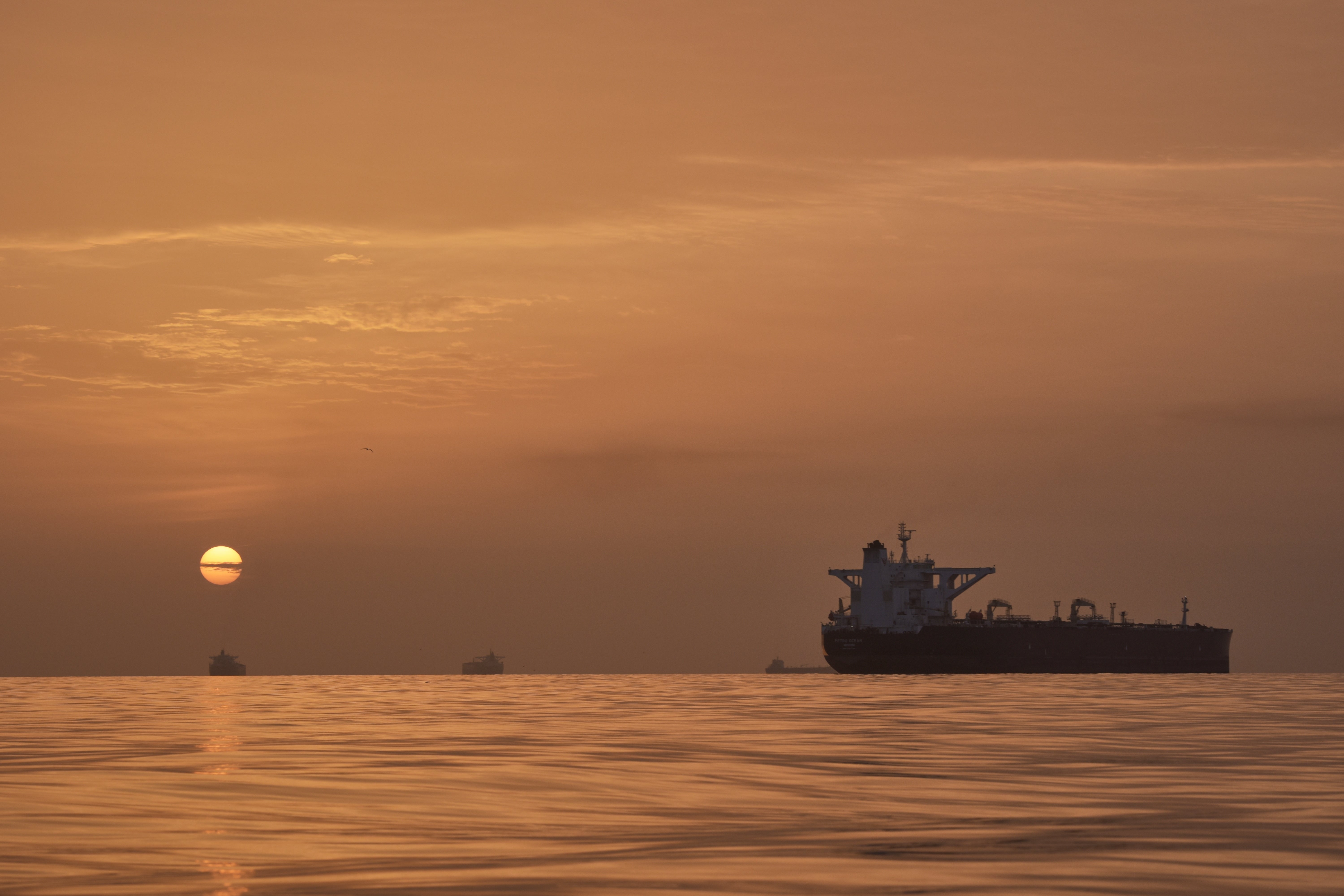
The unorthodox tactics were reportedly behind a string of controversial posts the president made this month about the vital Strait of Hormuz, administration officials told The Wall Street Journal.
In one post, on April 5, the president ordered Iran to “open the F***in’ Strait, you crazy b*******, or you’ll be living in Hell,” and ended the post with “Praise be to Allah.”
In another message, this one on April 7, the president threatened that a “whole civilization will die tonight” unless Iran agreed to open the strait.
A two-week ceasefire was announced that night, less than 90 minutes before Trump’s deadline. Still, the comments alarmed critics from both parties, with members of Congress and faith leaders reportedly contacting the White House to inquire about the president’s striking comments, according to the Wall Street Journal.

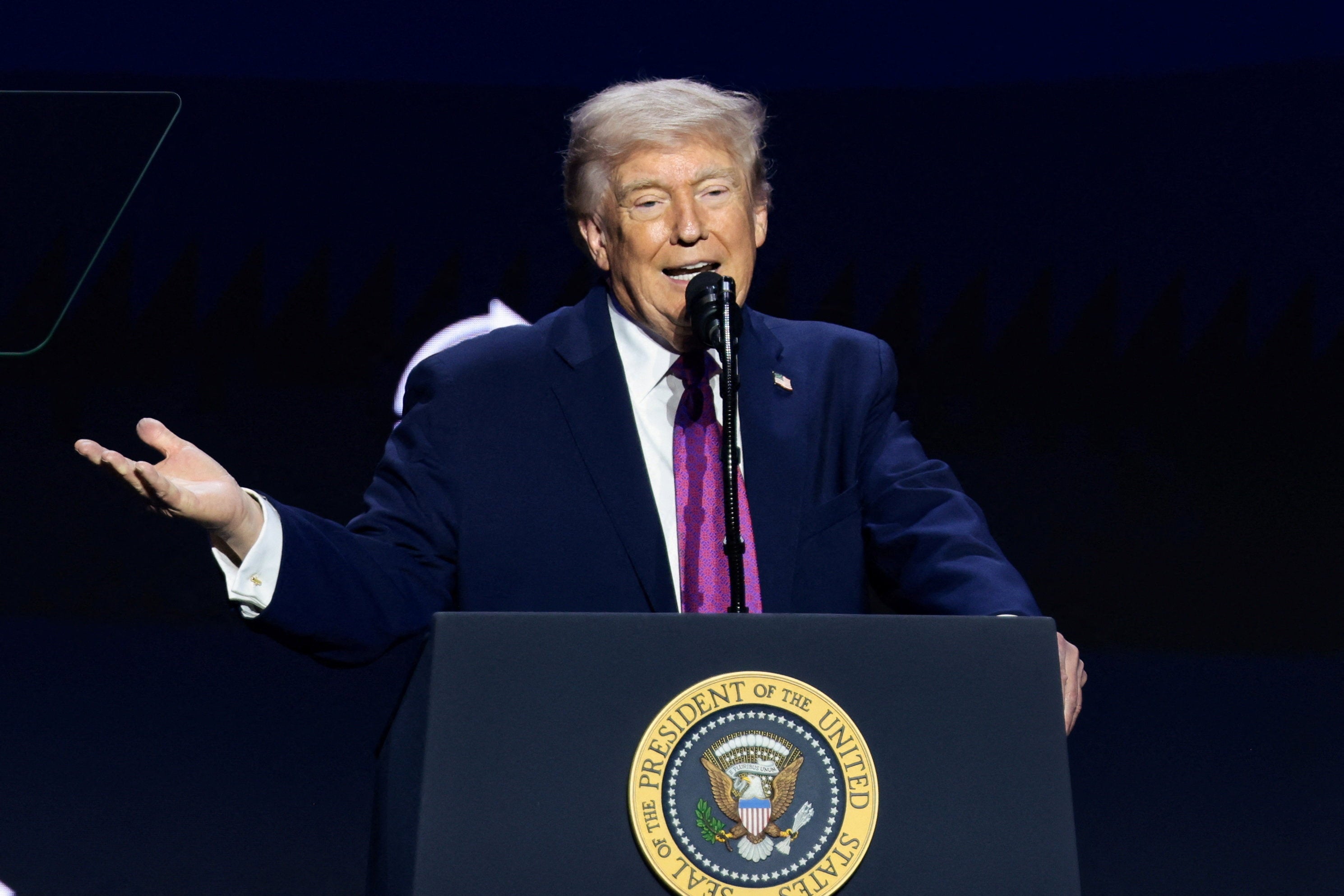
When an adviser asked the president about his unusual messages, Trump reportedly said he came up with the idea to praise Allah himself in a bid to seem off-filter and offensive, a type of language he thought the Iranians would respond to, administration officials told the paper.
The president later inquired about how the gambit was “playing,” the Journal reports.
Secretary of State Marco Rubio reportedly told people privately that the president’s language might actually bring the Iranians to negotiate, according to the Journal.
Some of the posts were made without knowledge of the national security team, nor were they part of a national security plan, an administration official reportedly said.
The posts sparked outrage across the political spectrum, and even alienated some of the president’s past defenders in the conservative media, including former Fox News anchor Tucker Carlson.
“This is an extremely sick person,” Senate Minority Leader Chuck Schumer said at the time. “Each Republican who refuses to join us in voting against this wanton war of choice owns every consequence of whatever the hell this is.”
“Not a single bomb has dropped on America,” former Republican congresswoman Marjorie Taylor Greene wrote on social media. “We cannot kill an entire civilization. This is evil and madness.”
The ongoing conflict inspired Pope Leo to issue an Easter message of peace, part of a series of criticisms of the war that has inspired a furious backlash from the White House.
“Let those who have weapons lay them down!” the first American Pope told worshippers gathered in Vatican City. “Let those who have the power to unleash wars choose peace!”

The Independent has contacted the White House and State Department for comment.
“President Trump campaigned proudly on his promise to deny the Iranian regime the ability to develop a nuclear weapon, which is what this noble operation accomplishes,” White House Press Secretary Karoline Leavitt told the Journal in response to its reporting, adding that President Trump “remained a steady leader our country needs.”
The fate of the war remains unclear.
On Saturday, Iran declared that the recently reopened Strait of Hormuz was once again closed, while tankers coming into the vital waterway reported facing attacks.
Tehran said it would continue to block the strait as long as the U.S. blockade of Iranian ports remained in force.
A related ceasefire between Israel and Lebanon, reached Friday, appears to be holding, but the U.S.-Iran deal expires next week with no clear progress in sight.
Mohammad Bagher Ghalibaf, Iran’s parliamentary speaker and top negotiator, said on state television on Saturday that the U.S. and Iran are still far from a final agreement.
White House officials are hopeful a “breakthrough” in negotiations could be reached in the coming days, the Journal reports.