US Politics
Trump ‘50/50’ over whether to resume bombing in Iran as he reveals deadline for decision: report

Your support helps us to tell the story
From reproductive rights to climate change to Big Tech, The Independent is on the ground when the story is developing. Whether it’s investigating the financials of Elon Musk’s pro-Trump PAC or producing our latest documentary, ‘The A Word’, which shines a light on the American women fighting for reproductive rights, we know how important it is to parse out the facts from the messaging.
At such a critical moment in US history, we need reporters on the ground. Your donation allows us to keep sending journalists to speak to both sides of the story.
The Independent is trusted by Americans across the entire political spectrum. And unlike many other quality news outlets, we choose not to lock Americans out of our reporting and analysis with paywalls. We believe quality journalism should be available to everyone, paid for by those who can afford it.
Your support makes all the difference.
Read more
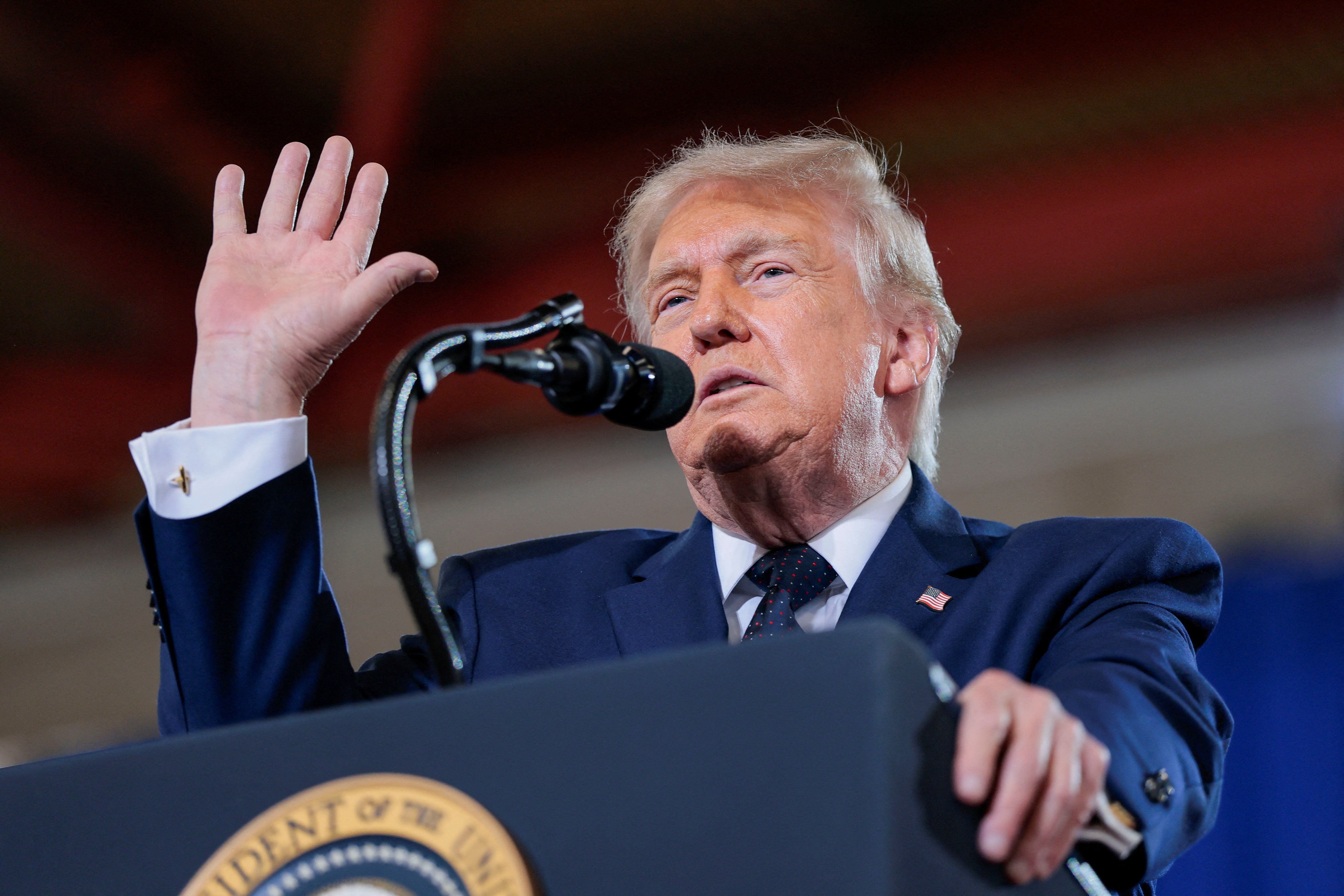
President Trump said Saturday he is “50/50” on whether the U.S. will resume bombing Iran, revealing he expects to make a final decision by Sunday.
“I think one of two things will happen: either I hit them harder than they have ever been hit, or we are going to sign a deal that is good,” Trump told Axios on Saturday.
The president said he, along with Vice President JD Vance, planned to meet with Steve Witkoff and Jared Kushner later Saturday to discuss Iran’s latest proposal.
Trump described the situation as a “solid 50/50” – saying he could either secure a “good” agreement with Tehran or “blow them to kingdom come.”
Under the proposed outline, which evolved from the latest peace talks between Iran and Pakistan, the U.S. and Iran would agree to halt military action and enter into a 30-day period of more detailed negotiations aimed at reaching a broader agreement. Trump said any deal would need to address key nuclear issues, including uranium enrichment and the fate of Iran’s existing uranium stockpile.

In a separate phone interview with CBS News, Trump said the agreement has been getting “better and better” every day, but declined to give specific details. He did say that the final agreement will prevent Iran from obtaining a nuclear weapon as “he wouldn’t even be talking about it” otherwise.
Secretary of State Marco Rubio also told journalists on Saturday that there’s been some “progress made” and “there may be news later today.”
“There’s been some progress done, some progress made, even as I speak to you now, there’s some work being done,” Rubio said, ahead of an engagement at the U.S. Embassy in New Delhi, India. “There is a chance that, whether it’s later today, tomorrow, in a couple days, we may have something to say, but this issue needs to be solved, as the president said, one way or another.”
On Saturday, Iran’s foreign ministry spokesperson said that Iran and the U.S. were in the final stage of discussions on a memorandum of understanding to end the war, which would also deal with gradually reopening the Strait of Hormuz, lifting the U.S. blockade and releasing frozen Iranian funds, Axios reported. The spokesperson added that a 30-60 day period of negotiations on a detailed agreement would follow.

Trump also acknowledged divisions among allies and advisers over the next step, but rejected the idea that Israeli Prime Minister Benjamin Netanyahu was “worried” about negotiations, Axios reported.
“Some people would much rather have a deal and others would rather resume the war,” Trump told the outlet. However, Israeli officials say Netanyahu is highly concerned about the proposed deal and has urged Trump to launch another round of strikes.
The president is expected to hold a conference call with Gulf leaders later today, including the leaders of Egypt, Pakistan and Turkey, to discuss the situation with Iran, two sources with knowledge of the plans told Axios.
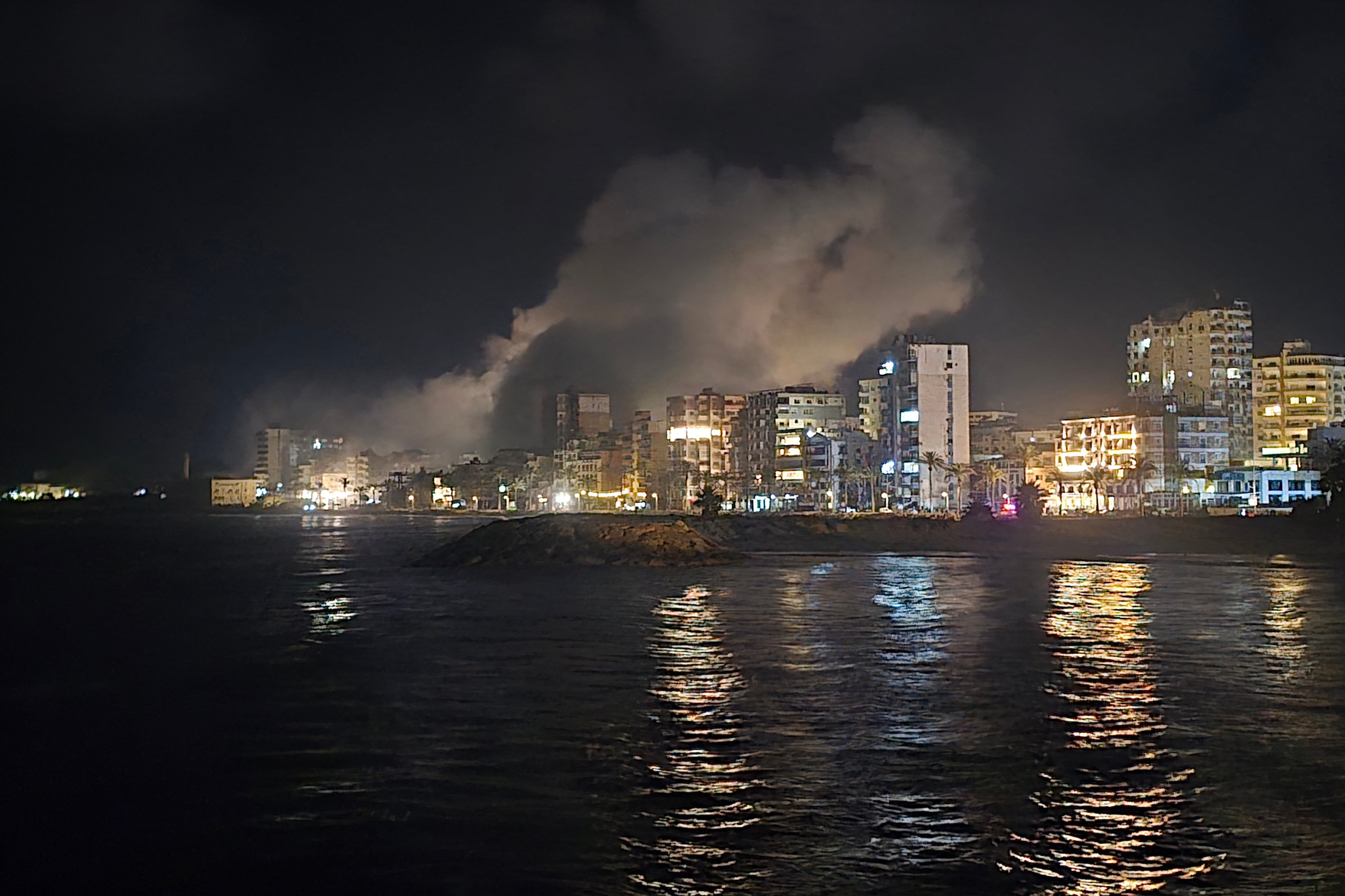
The U.S. and Israel sparked the war with attacks on Feb. 28, cutting short talks with Iran. Tehran retaliated by effectively closing the Strait of Hormuz, a key waterway for the region’s oil, natural gas and fertilizer, causing global economic pain.
The U.S. then blockaded Iranian ports, and the U.S. Central Command on Saturday said U.S. forces had turned away more than 100 commercial vessels and disabled four since the blockade began April 13.