
Breaking News
Same-sex sexual behavior observed in dozens of primate species, suggesting evolutionary origin

Humans are far from the only primates engaging in same-sex sexual activity.
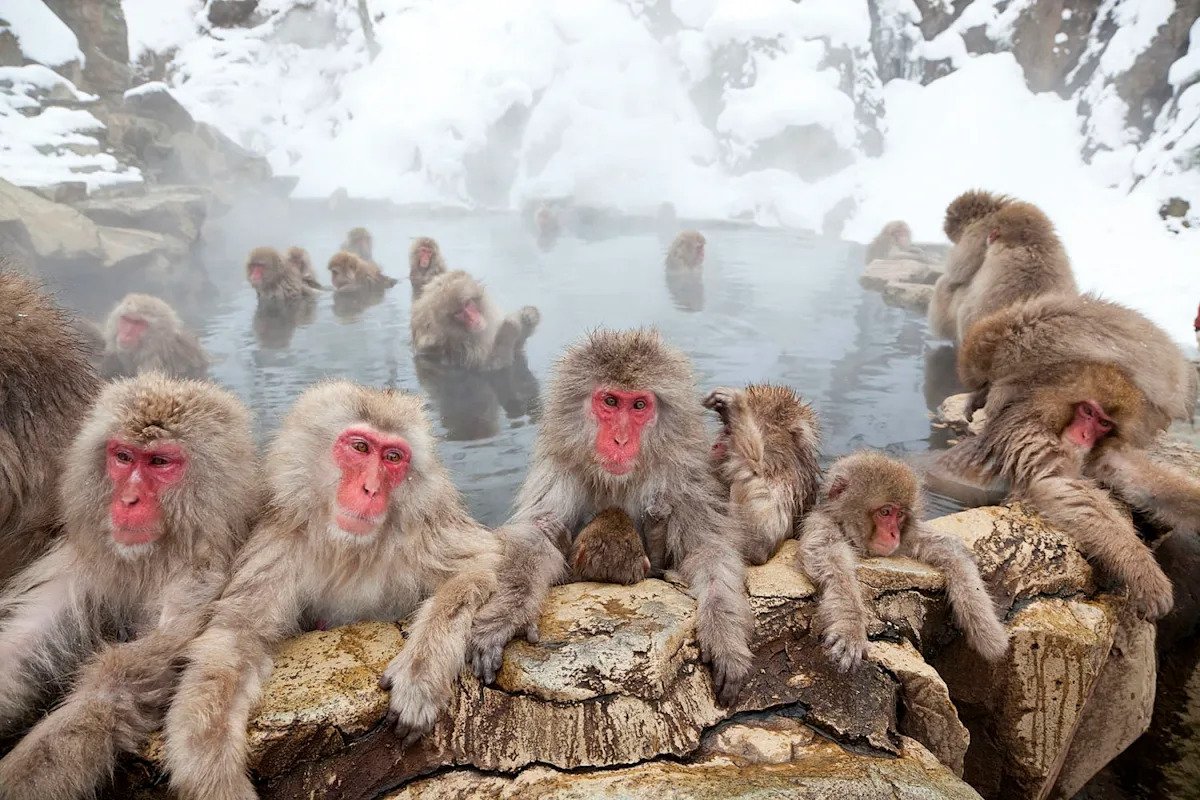
A new study found instances in which 59 nonhuman primate species, including bonobos, chimpanzees and macaques, have taken part in same-sex behaviors.
Researchers observed repeated occurrences of the behavior in 23 species. The study, published Monday in the journal Nature Ecology & Evolution, is the most comprehensive review of same-sex behavior in primates to date (though humans are not included). The findings challenge some common assumptions about the purpose of sex in the animal world, suggesting it plays a broader social role.
The authors posit that same-sex behavior developed evolutionarily to help primates in complex social groups ease tension, reduce conflict and build bonds. A combination of genetics and external stress — from the environment or from social systems — appears to drive this behavior, they conclude.
“What we found shows that same-sex is not like something bizarre, aberrant or rare. It’s everywhere, it’s very useful, it’s very important,” said Vincent Savolainen, director of the Georgina Mace Centre for the Living Planet at Imperial College London and an author of the study.
For the research, Savolainen and his co-authors analyzed existing data from previous research and observations of 491 primate species, looking for documented instances of same-sex sexual behavior.
“This predominantly involved mounting, ventral-ventral or ventral-dorsal, as well as genital touching and fellatio. Both male-male and female-female interactions were included,” the study says. Same-sex interactions of a nonsexual nature were not counted to avoid ambiguity.
The resulting findings indicate that same-sex behavior is more common when animals need social cohesion to deal with harsh environmental conditions, when they’re at high risk of being eaten or when competition for resources is more intense. It’s also more common in social groups with strict hierarchies, where sex could help individuals manage competition, build alliances and avoid intergroup aggression.
“People haven’t realized same-sex, as a behavior, is as important for the functioning of a society as feeding, fighting, making babies, looking after your offspring,” Savolainen said.
He likened same-sex sexual behavior to a “currency” that some primate individuals might employ to better make their way in society, increase opportunities and share resources.
“What we see is that when there are social difficulties in a species, then same-sex is a currency to help,” Savolainen said.
He added that the behavior is likely common in more than 23 primate species, but the data on the subject is limited and some species haven’t been studied closely.
It can be difficult for scientists to observe and interpret same-sex sexual behaviors in field research. Plus, many researchers once viewed these behaviors as unusual and outside of their focus, so they might not have documented instances of it carefully. Additionally, Savolainen said, it’s difficult to secure funding to study same-sex sexual behavior in animals, particularly from government agencies, so that might have kept researchers from pursuing the topic, as well.
“We have lots of species where we don’t know whether it exists. It’s not documented,” Savolainen said. “Scientists have overlooked this, and you can’t understand how a society works well if you don’t integrate this as part of multiple behaviors you need to take into account. Hopefully, we’ll have a lot more data in the future.”
The new study does not attempt to relate the findings to modern human sexual behavior, but it does say that human ancestors were subject to the same environmental and social pressures that the researchers think drive same-sex behavior in other primates.
Previous research has shown that same-sex behavior in macaques is widespread, could be inherited and that certain behaviors could be traced to specific genetic bloodlines. Female bonobos are frequently observed rubbing genitals amid social tension. Same-sex behaviors have also been observed in chimpanzees.
Marlene Zuk, a University of Minnesota professor and evolutionary biologist who researches same-sex behavior in animals but did not work on the new study, said the new analysis was exciting because it covered such a broad range of primates.
“What’s really impressive is the breadth of data that they’ve pulled together here,” she said.
Zuk was not surprised by the authors’ conclusion that environmental and social influences appeared to play a role in primates’ same-sex behavior. The new study, she said, highlights a common misunderstanding about animal sexual behavior. It’s more nuanced than people assume, and not always about making babies.
“Sexual behavior is often about more than reproduction, and that’s certainly true in our species. But, people don’t tend to think that it’s also true in other species,” Zuk said. “They have this idea that in all animals, except for people, that they’re old-fashioned Roman Catholics and they can only have sex briefly when it’s going to result in an offspring and with the lights off, you know? And that’s just not how animals are either.”
She added that scientists long ago ruled out the idea that animals or humans might possess a particular “gay gene” responsible for driving same-sex behavior.
“There is not a single identifiable gene in people or any other animal that will irrevocably and in all cases mean that the animal exhibits solely same-sex behavior,” she said. “What is really clear to most of us who work in the field, but somehow seems to escape a lot of everybody else, is that pretty much all behaviors, and indeed pretty much all traits in general, whether they’re physical or psychological or whatever, are going to be the result of influence from genes and the environment.”
This article was originally published on NBCNews.com