US Politics
No country can own Britain – and that includes the USA

I would like to think that, were Ed Davey prime minister, rather than an opposition politician desperately seeking relevance, he would not be asking the King and Queen to pull their planned state visit to the United States next month.
Davey is an intelligent, thoughtful figure who, I think uniquely for an active front-rank Liberal Democrat politician, has served in cabinet. He understands power, and he has actually served his party well in his time as leader, with the remarkable achievement of winning 72 seats, its largest tally ever, at the last general election. Many of his contributions to the national debate, including on the war on Iran and on repairing the damage wrought by Brexit, have been statesmanlike. Suggesting we now junk the royal visit is not one of them.
Davey argues that “a state visit from our King would be seen as yet another huge diplomatic coup for President Trump, so it should not be given to someone who repeatedly insults and damages our country”.
Which is all true – but I’m afraid that, until Europe gets its act together on defence, the relationship with the US remains “essential”, as Starmer calls it, to our national security.
We would be much worse off if Trump, seized by vengefulness by a postponement of the visit, abruptly cancelled intelligence sharing with the British and access to nuclear missile technology in retaliation. The UK-US tech deal, agreed during the president’s famous second state visit and potentially extremely valuable to Britain, remains in limbo. In short, there is nothing to be gained from winding up President Trump. There never is.
If cancelling this long-planned, modest exercise in soft-power was likely to achieve anything, we should all be in favour of it. If, say, the threat of such a serious diplomatic snub to the White House would prompt Trump to cancel his tariffs on British exports to America, or make him change his mind about betraying Ukraine, or indeed ending his war in Iran, it would be a great idea.
But, of course, it would only trigger more “epic fury” in the ever-irascible American president, and, in multiple ways, to the detriment of the British national interest.
As has been widely observed, Trump’s irrational, romantic attachment to, and respect for, the British monarchy is one of the few constants in his erratic outlook in world affairs. The job of the prime minister is to make the most of it.

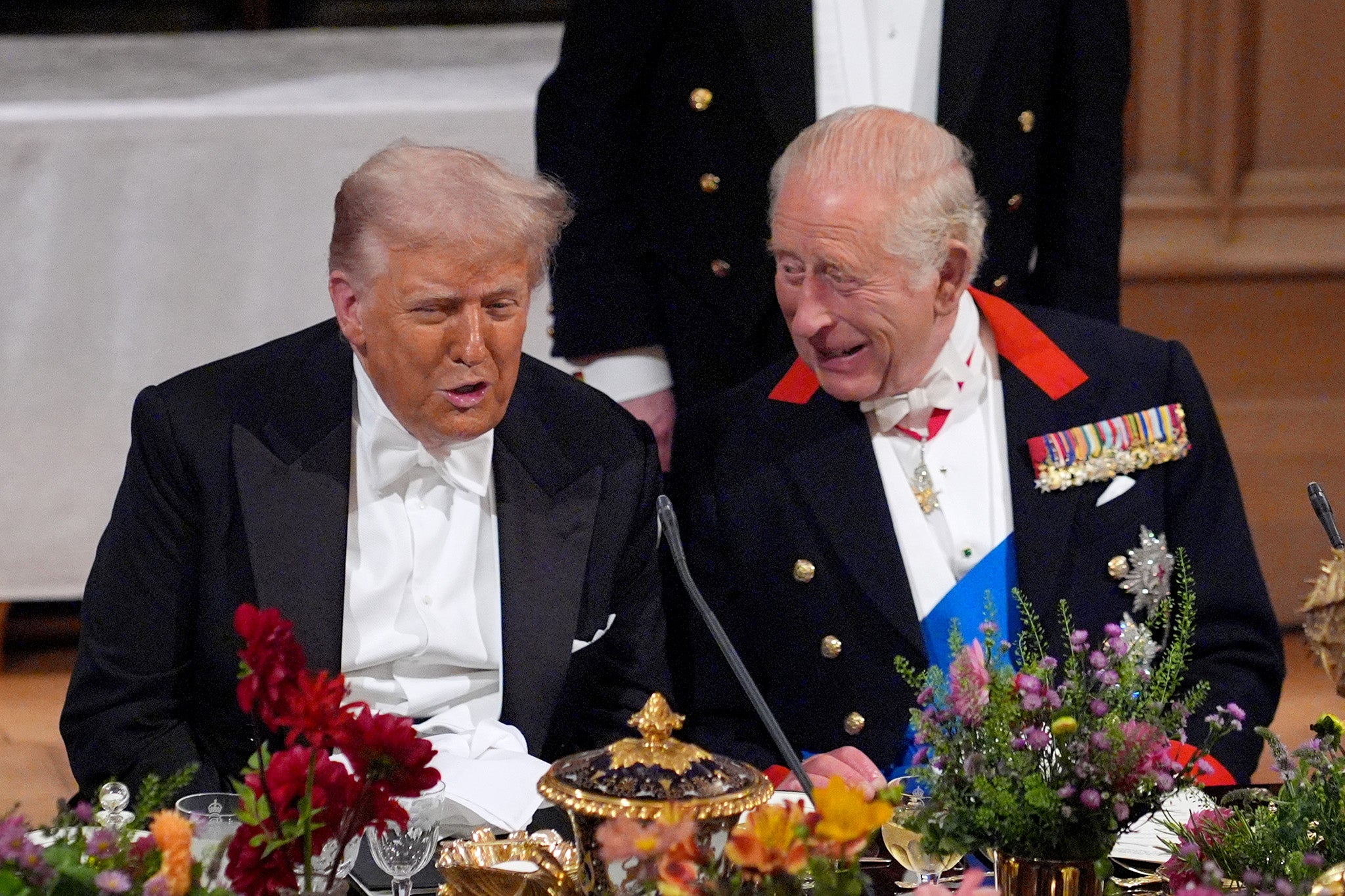
The King and Queen understand their role in this process very well. After all, Trump’s “historic” second state visit last year, as a special mark of respect, did at least yield some goodwill. This royal returning of the compliment, albeit brief, should do the same. It is, we should bear in mind, a gesture by the former colonial power to the USA and all of its people on their 250th birthday both as a pioneering nation and a durable set of inspiring democratic ideals. It is not just for the benefit of Donald Trump’s outsized ego.
Plainly, tensions need to be defused and the partnership need repairing, and the royal visit will play a small but symbolic part in that. The visit represents an oblique reminder that the transatlantic relationship, special or not, is between two peoples and nations, rather than two transient politicians. It is old and durable and important, and it is forged through broadly shared values and interests and in trust. It will survive.
Fortunately, the upside of Trump’s unpredictability is that he can move on from his tantrums and hurtful words with relative ease. His own cabinet is packed with people of whom he has been openly contemptuous. He is perfectly capable of turning on a dime with foreign leaders, as we saw with “Little Rocket Man” Kim Jong-il, and Delcy Rodriguez in Venezuela. Trump even signed a peace treaty with the Taliban.
Making friends with Starmer again should prove a cinch. This weekend’s hopefully reconciliatory phone call should have helped clear up misunderstandings. But if the deterioration in UK-US relations is salvageable, it’s no thanks to Nigel Farage attempting to operate a shadow foreign policy.
By the time King Charles and Queen Camilla show up in the White House, Trump may be listening to Starmer again. Given how Trump usually reacts to turmoil in the financial markets, the end of the war in Iran may be in sight, too. Peace returning to the Middle East is something for the King and the President could toast at their banquet.