Breaking News
Millions of Americans may be owed a tax refund from COVID. How to get it.

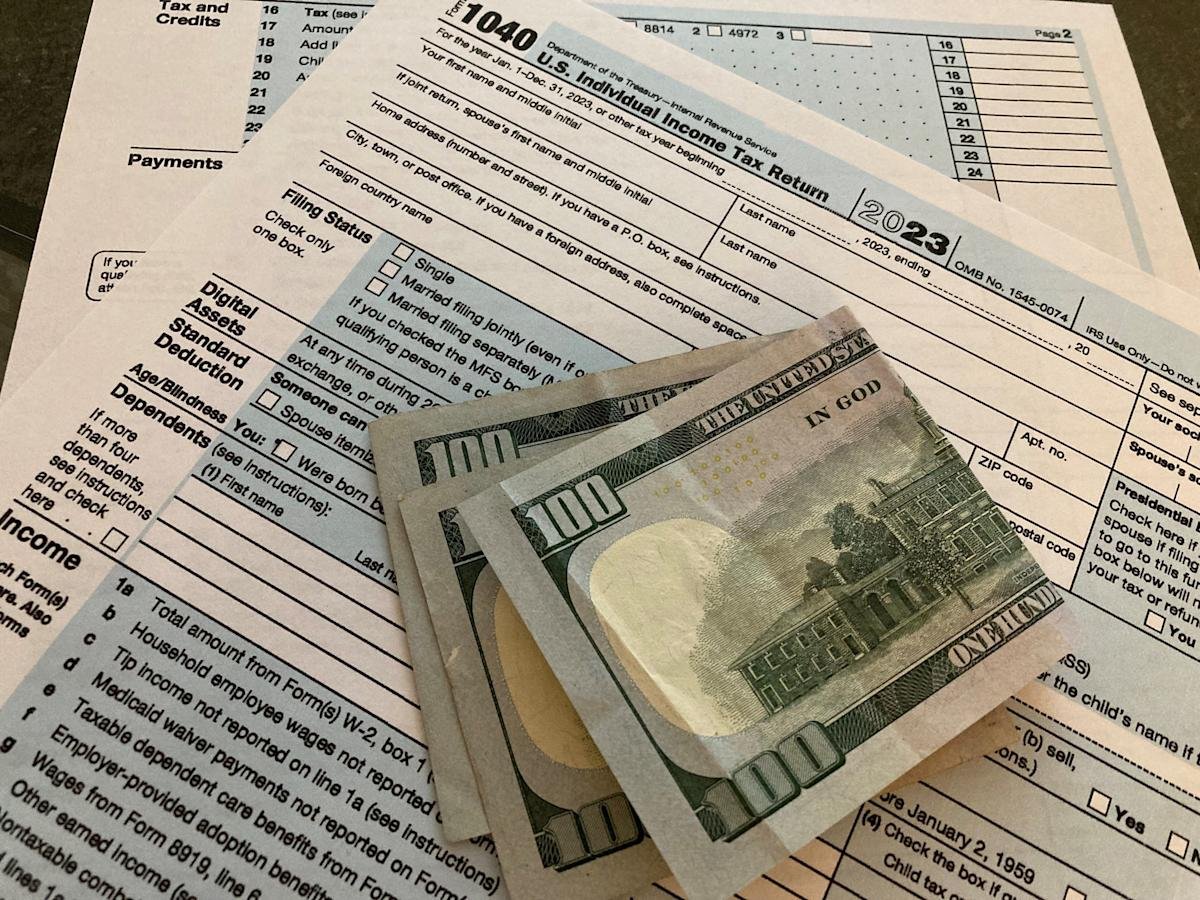
Americans are probably happy to put memories of the COVID-19 pandemic behind them, but it may be worthwhile to stir up the past to see if they may qualify for an IRS refund, tax attorneys said.
Once a federally declared disaster is in effect, tax code Section 7508A(d) mandates postponement of applicable tax deadlines for the disaster period plus 60 days. A federal court ruled last November that the COVID-19 public health emergency from Jan. 20, 2020, through May 11, 2023, fell under this provision. Add in 60 days, and the new tax deadline for tax year 2019, 2020, 2021 and 2022 filings would have been July 10, 2023.
Without taxes due, the IRS likely also had no right to levy penalties and interests during that window, tax lawyers said. So, if you were charged penalties or fees, you may be owed a refund, they said.
The IRS will probably appeal the ruling, but taxpayers can’t wait that long to make a claim. By law, taxpayers only have limited time to file for a potential refund or reduction in penalties or interest.
“Millions of taxpayers could be eligible, but if people don’t file claims before July 10, 2026, they lose out on the potential for a refund or abatement,” said Jon Wasser, partner at Fox Rothschild who focuses on tax issues.
Any business or individual charged penalties or interest between Jan. 20, 2020, and July 10, 2023, may be eligible to ask for a refund, lawyers said.
“The potential dollar amounts could be significant, particularly for businesses that faced liquidity challenges during the pandemic and incurred substantial failure-to-pay (taxes) penalties,” wrote Jessica Marine, partner at Frost Law, in a blog post last month.
In February, Western Digital sued the government, seeking a refund on a portion of the $53.6 million it paid in taxes in August 2023 when its tax dispute that stretched back to 2008 was resolved. The data storage company said it shouldn’t have been charged nearly $21 million in interest during the pandemic pause.
The statute of limitations for refund claims generally runs three years from the time the return was filed or two years from the time the tax was paid, whichever is later, lawyers said.
Since the court ruling in November suggested tax deadlines were moved to July 10, 2023, three years from that date would be July 10, 2026 – the last day to preserve your claim for a potential refund or abatement, Wasser said.

Taxpayers need to check their tax records to see if the IRS levied any penalties or interest during the tax filing pause, Wasser said. They can do that by either asking their tax professionals or looking at their IRS tax transcript.