US Politics
Iranian ambassador suggests Tehran could strike British bases

Your support helps us to tell the story
From reproductive rights to climate change to Big Tech, The Independent is on the ground when the story is developing. Whether it’s investigating the financials of Elon Musk’s pro-Trump PAC or producing our latest documentary, ‘The A Word’, which shines a light on the American women fighting for reproductive rights, we know how important it is to parse out the facts from the messaging.
At such a critical moment in US history, we need reporters on the ground. Your donation allows us to keep sending journalists to speak to both sides of the story.
The Independent is trusted by Americans across the entire political spectrum. And unlike many other quality news outlets, we choose not to lock Americans out of our reporting and analysis with paywalls. We believe quality journalism should be available to everyone, paid for by those who can afford it.
Your support makes all the difference.
Read more
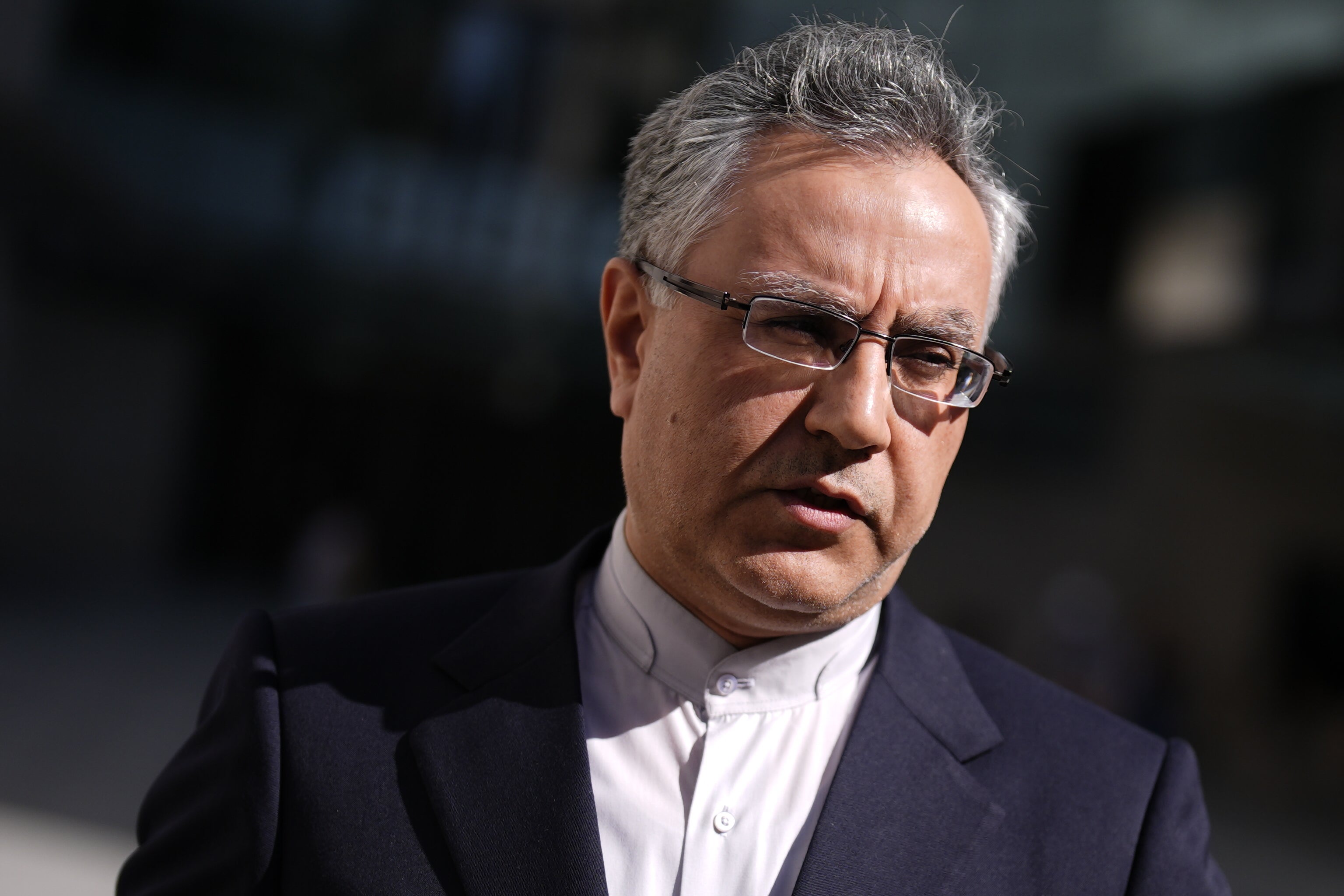
Tehran is “considering” whether British bases are legitimate targets in the unfolding Middle East conflict, the Iranian ambassador to the UK has warned.
The UK has been allowing the United States to use RAF Fairford in Gloucestershire to launch operations against Iran – something Seyed Ali Mousavi described as being “very unfortunate”.
Speaking to Times Radio, he said: “The initial position made by prime minister Starmer is very good.
“We do appreciate [it], we do welcome the non-involvement in this criminal act of the American side and the Israeli regime.
“But unfortunately, now we have realised that the British Fairford military base has been serving for the B2 and B1, you know, jets of the American side to be equipped with different weapons to use against the Iranian people. It’s very unfortunate.”
Asked whether British bases and assets were legitimate targets for Iran, Mr Mousavi replied: “This is the very important matter we are considering. This is a very important matter for our self-defence.”
He added Iranian military authorities “will decide appropriately” what course of action they will take, adding any final decision “depends on” UK activities.
Defence secretary John Healey told MPs last week the US has permission to use UK bases for defensive strikes against specific Iranian targets, including missile sites and capabilities which threaten shipping through the Strait of Hormuz.

The government had previously only allowed the US to use British bases – including the one on Diego Garcia – to hit missile sites targeting British interests in the region.
Missiles have previously been fired in the direction of Diego Garcia in the Indian Ocean, but neither made it to the island.
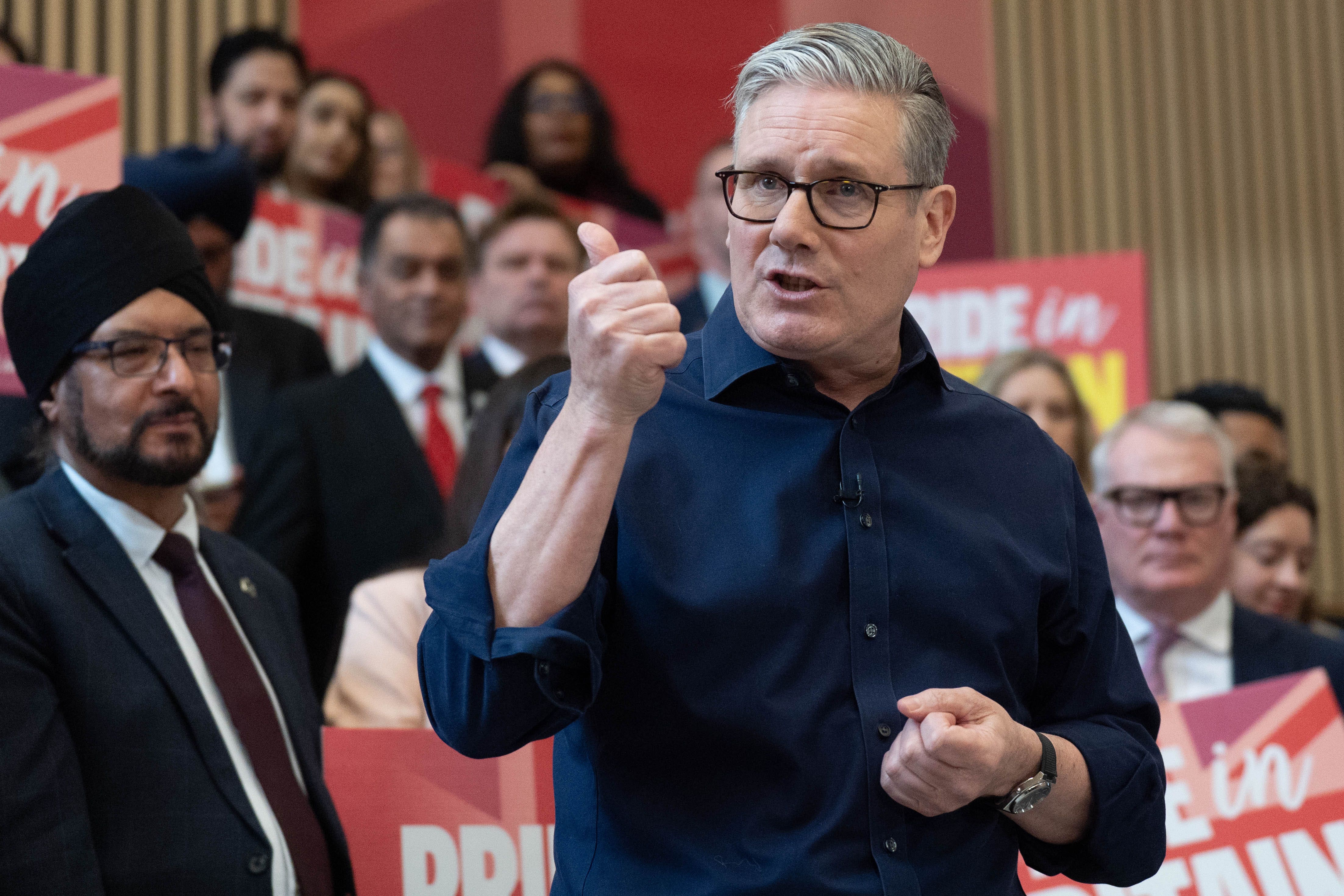
The latest warning from Iran comes despite Sir Keir Starmer on Tuesday ruling out putting British troops on the ground in Iran, as he insisted the UK will not be “dragged in” to Donald Trump’s escalating war in the region.
Just recently, the US sparked fears that it is preparing to launch ground operations in Iran, as fighting between Tehran and Washington continues into its second month.
The prime minister has faced criticism from both allies and enemies over his approach to the conflict, but doubled down on his position on Monday when asked if British troops could be sent to the Middle East.
“This is not our war and we’re not going to get drawn into it,” he said, adding the UK will continue to take defensive action and work to reopen the Strait of Hormuz.
“What we have done is taken defensive action: so we’ve had our pilots up in the air since an hour or two after this war started, defending British lives, British interests and, of course, our allies in the region.”

It comes after US president Donald Trump piled criticism on London for what he described as “a very late response” to the escalating conflict.
The prime minister will provide an update to the British public following concerns that energy bills could soar as a result.
Sir Keir is due to speak at a press conference later on Wednesday morning after he vowed to “protect the British people at home and abroad”.
Since fighting began in Iran, oil prices have soared in response to Tehran’s block on tankers passing through the Strait of Hormuz.
Speaking to BBC Breakfast, the chancellor said any support the government offers would be based on household income, but refused to commit to immediate support for drivers.
She said: “I want to learn the lessons of the past because when Russia invaded Ukraine, the richest, the best-off third of households got more than a third of the support. That makes no sense at all.”
She added she had to be “careful” with cuts to fuel duty or VAT on petrol because it risked pushing up inflation.