US Politics
Iran war: What to know about Trump’s 15-point plan to end the Middle East conflict

Your support helps us to tell the story
From reproductive rights to climate change to Big Tech, The Independent is on the ground when the story is developing. Whether it’s investigating the financials of Elon Musk’s pro-Trump PAC or producing our latest documentary, ‘The A Word’, which shines a light on the American women fighting for reproductive rights, we know how important it is to parse out the facts from the messaging.
At such a critical moment in US history, we need reporters on the ground. Your donation allows us to keep sending journalists to speak to both sides of the story.
The Independent is trusted by Americans across the entire political spectrum. And unlike many other quality news outlets, we choose not to lock Americans out of our reporting and analysis with paywalls. We believe quality journalism should be available to everyone, paid for by those who can afford it.
Your support makes all the difference.
Read more
Donald Trump has reportedly offered Iran a 15-point plan aimed at ending the war for good, as the month-long conflict continues to inflict pain on global markets and the president’s popularity at home.
US and Israeli media have reported on a proposal addressing longstanding concerns about Iran’s nuclear programme and reversing the fallout from the war.
A source told Reuters it was passed to Iran via Pakistan late on Tuesday, as Trump said – without reference to the rumoured plan – that the US and Iran have already agreed on several key points, including that Iran would give up any ambitions for nuclear weapons.

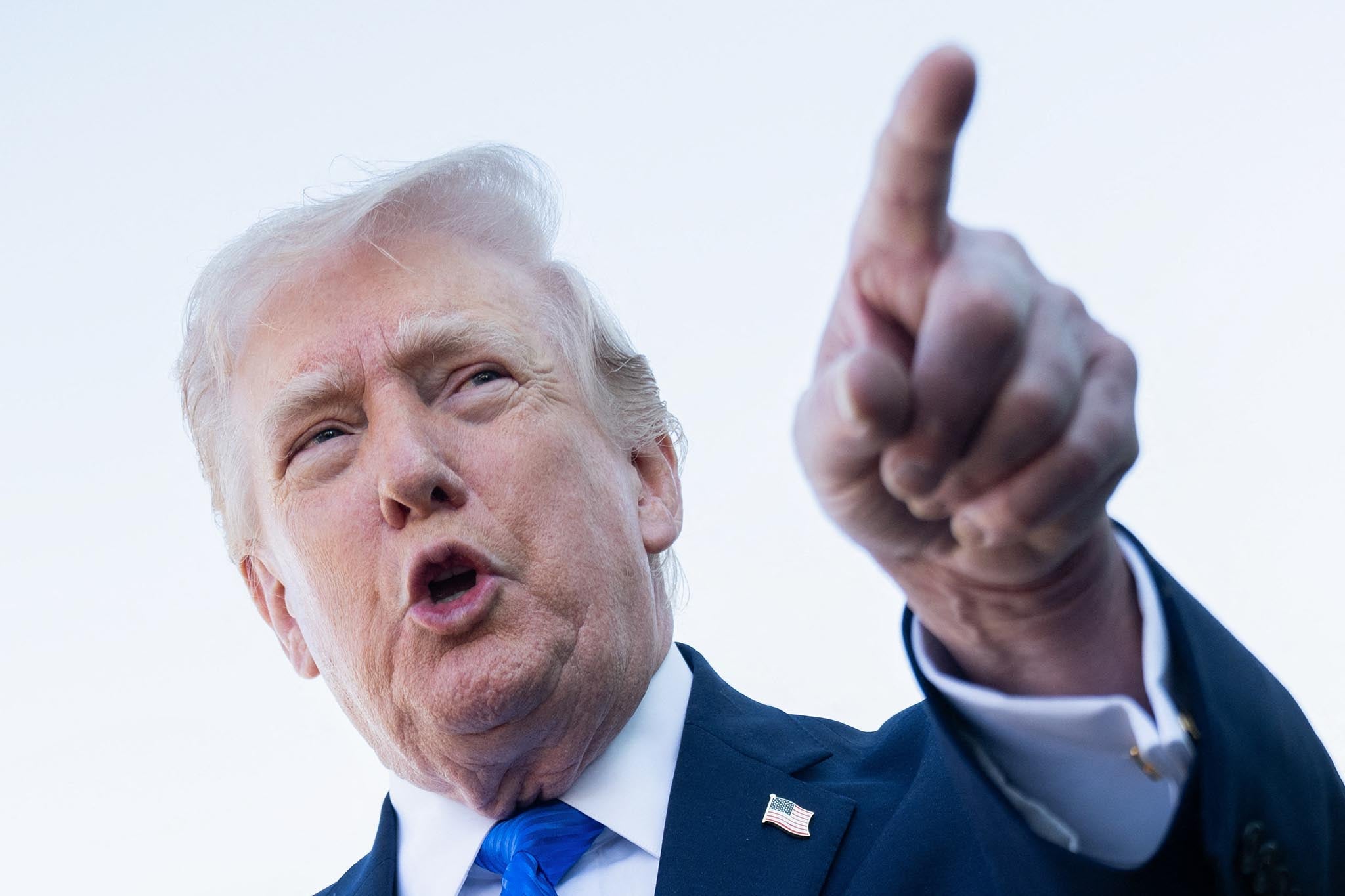
Iran’s military, however, said the two countries were in no such negotiations to end the war, and have suggested the US is “negotiating with itself”.
Pakistan, Egypt and Turkey are said to be trying to facilitate discussions, and a senior Iranian source said on Wednesday that Pakistan has passed on a proposal, though would not say whether it was the 15-point plan – and Iran still publicly says it will fight on “until complete victory”.
Here is what’s known and not known about possible talks to wind down the war.
What we know about the 15-point plan
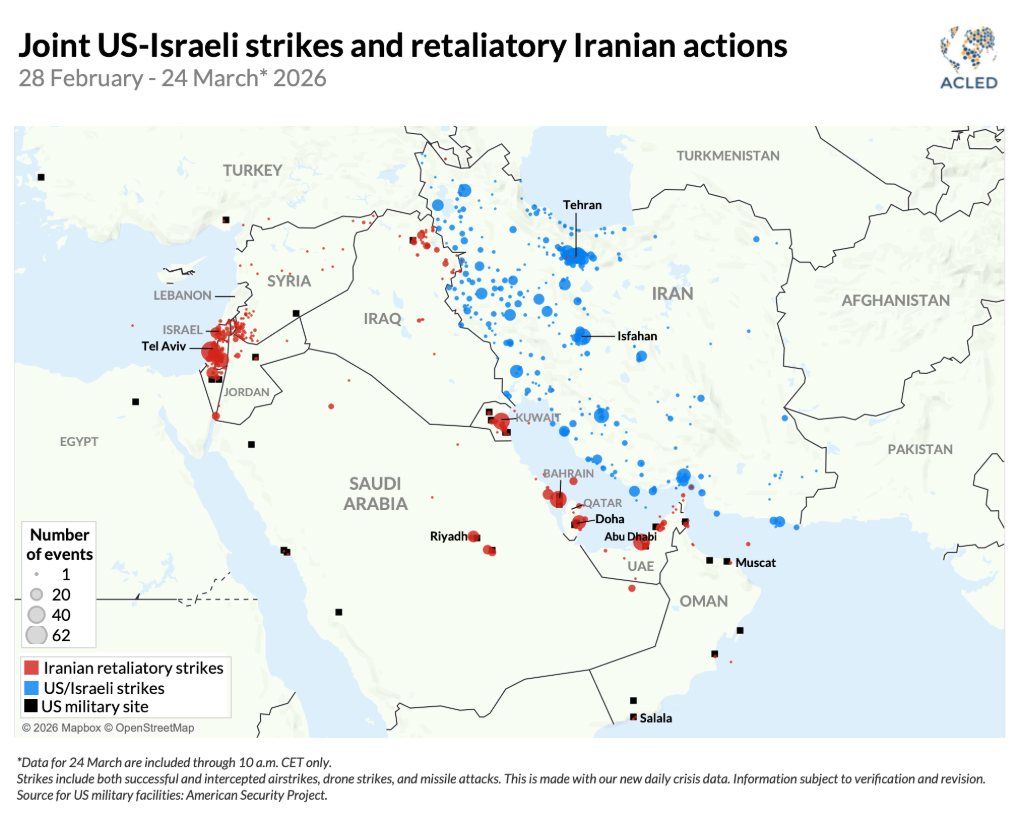
Since launching the war alongside Israel on 28 February, Trump has given shifting and often vague objectives, and those mixed messages have been on display again in recent days.
He has spoken of degrading or destroying Iran’s missile capabilities, and its ability to threaten neighbours — goals he has some flexibility in declaring accomplished.
A much tougher goal is ensuring Iran can never build a nuclear weapon, and Trump has insisted that will be part of any deal. The US and Iran previously had an agreement to restrict Iran’s nuclear programme in return for sanctions relief, but Trump withdrew from it in 2018.
The reported 15-point plan to end the war looks to abate some of the concerns shared by both the US and Israel about Iran’s nuclear programme, shutting down nuclear facilities, scrapping enrichment, and reopening to regular inspections.

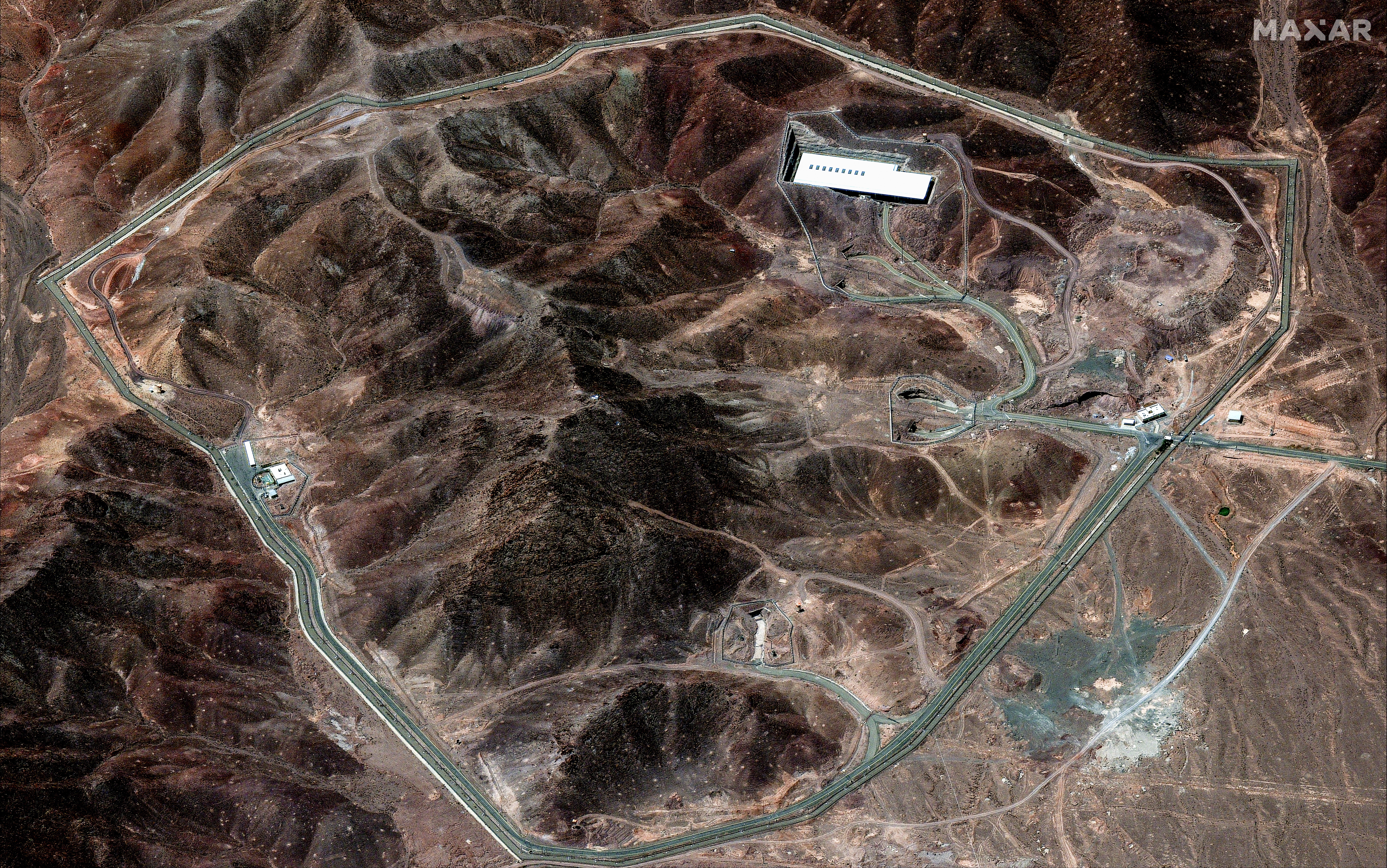
It includes a promise from Iran to never strive to have nuclear weapons. The main nuclear facilities at Fordow, Natanz and Isfahan damaged in the war last summer would also be taken out of use and destroyed.
Existing capabilities would have to be dismantled, too, and Iran would have to hand over all enriched material to the UN’s nuclear watchdog, the IAEA.
The IAEA would also have renewed assurances of transparency and oversight. Iran removed all the agency’s equipment installed in Iran for surveillance and monitoring activities after Trump left the JCPOA Iran nuclear deal in 2018.
Before hostilities opened at the end of February, the US was already talking with Iran about curbing its nuclear programme.
Washington hoped to get Iran’s missiles and funding of proxy groups in the region on the agenda, too, but Iran did not want to broaden the scope of talks initially. The new plan reported by Israeli and US media would look to resolve those issues, too.

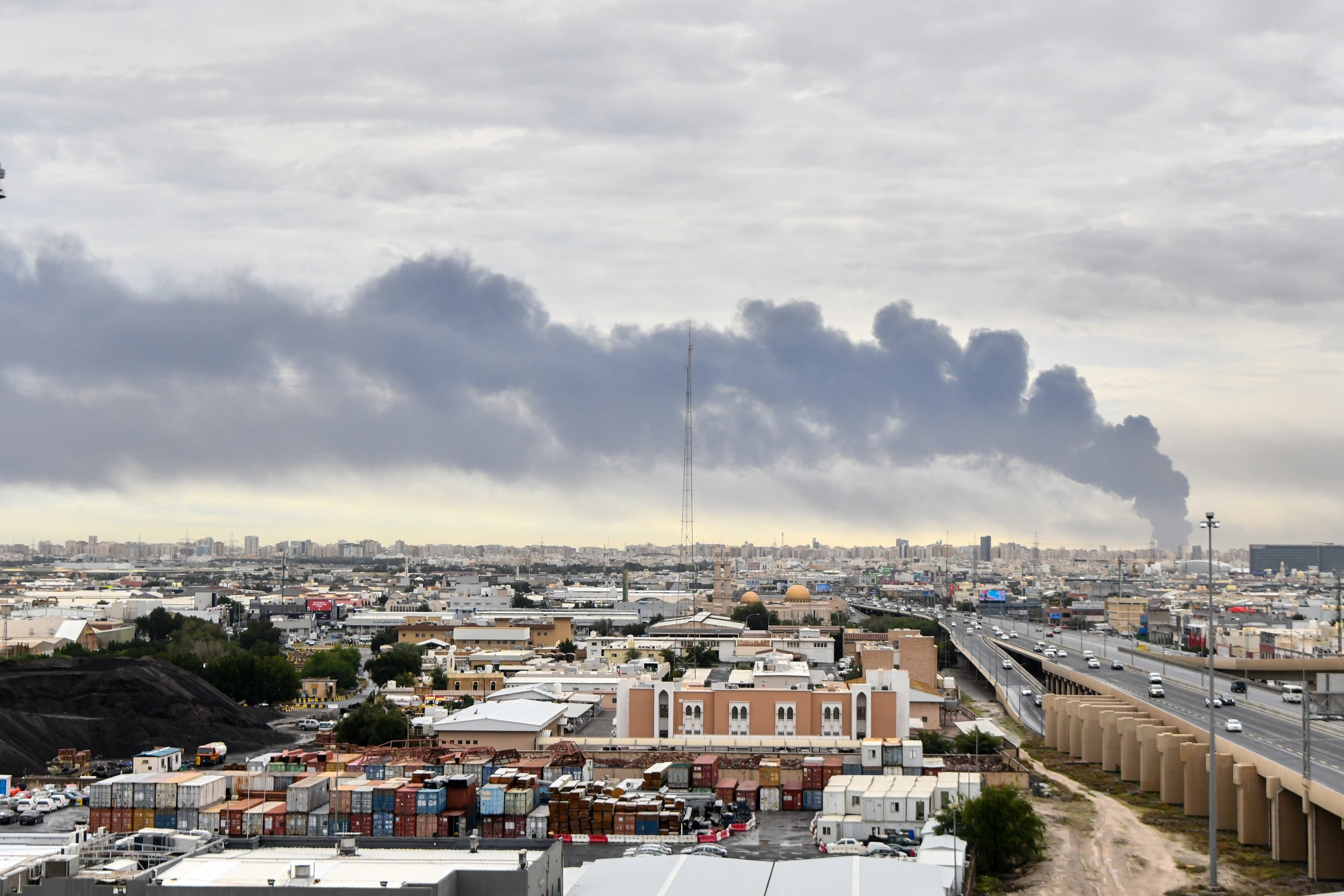
Since then, the war has created new challenges for the US to resolve in future peace talks. A reopening of the Strait of Hormuz — a vital waterway for oil shipments that Iran made virtually impassable when the war began — is reportedly a focus of the plan.
Andreas Krieg, senior lecturer at the School of Security Studies at King’s College London, told The Independent: “These demands are in line with what has been tabled by the US on several occasions over the past year. But it comes against a backdrop of zero mutual trust and a geopolitical standoff where Iran has better cards to play than the US.
“Iran has maintained its ability to exercise pressure while the threshold for pain for Iran is much much higher than for the US. So the war has made the bargaining position of the US much weaker.”
Are the US and Iran discussing the plans?
Trump claimed that US envoy Steve Witkoff and Trump’s son-in-law Jared Kushner held talks Sunday with an Iranian leader. He did not say who that was.
Reports initially focused on Iranian Parliament Speaker Mohammad Bagher Qalibaf as a possible interlocutor. But Qalibaf quickly denied talks were taking place in a post on X.
The US agreed “in principle” to join talks in Pakistan, according to three Pakistani officials, one Egyptian official and a Gulf diplomat, while mediators were still working to convince Iran. Pakistan said on Tuesday it was ready to facilitate talks if both sides were open.

Iran’s military said on Wednesday that Trump appeared to be “negotiating with himself”, denying claims they were already in contact. An Iranian official later said that Pakistan had handed over a US proposal, but would not confirm if it was the 15-point plan as reported.
Even as Iran denies any prospect of talks, sources familiar with high level discussions told Axios that the US and regional mediators hope peace talks with Iran could come as soon as Thursday, pending approval from Iran.
Does the plan have Israel’s backing?
Talk of a US-backed peace deal to end the war has sparked a number of concerns in Israel.
As Trump talks of engaging with leaders in Iran, he has backed off promoting the Islamic Republic’s collapse. Israeli Prime Minister Benjamin Netanyahu, however, continues to say the war aims to help Iranians overthrow the theocracy.
An Axios report citing two Israeli sources says Israeli prime minister Benjamin Netanyahu remains concerned that Trump might strike a deal that falls short of Israel’s objectives, limiting Iran’s ability to conduct strikes against Iran.
In a statement late Monday, Netanyahu acknowledged Trump’s diplomatic efforts but said Israel would continue to strike its enemies for the time being.

Is Trump trying to buy time?
Trump’s sudden declaration of progress in talks on Monday came just as the deadline was about to run out on an ultimatum he had made over the weekend threatening to “obliterate” Iran’s power plants unless the country releases its stranglehold on the Strait of Hormuz.
Iran threatened to retaliate against power, water and oil infrastructure across the Gulf.
Trump on Monday pushed the deadline back five days and said there’s a “very good chance” a deal could be reached this week. That was a relief to global oil and stock markets.
Trump’s move could signal he’s wary of the war’s possible long-term damage to the US and global economy, though his administration has insisted that any pain from spiking oil prices will quickly be reversed once the war is over.
On the other hand, the Soufan Center noted, Trump could be buying time for thousands of Marines heading to the region to arrive.
The Marine deployment could be a tactic to pressure Iran on negotiations. But it has also raised speculation that the U.S. may try to seize Kharg Island in the Persian Gulf, which is vital to Iran’s oil network, or carry out an operation to remove enriched uranium from inside Iran. Either would mean a greater escalation and a longer war.