
US Politics
In Lebanon, has Trump really ‘solved’ his 10th war?

Donald Trump says he has done it again. He has managed to “solve” his 10th war, by his own count, this time between Israel and Lebanon.
No matter that he himself started an 11th conflict that effectively triggered it. The ceasefire he announced on Truth Social came into effect just a few minutes after his announcement on Thursday night.
It is expected to be followed by historic talks between the Israeli prime minister Benjamin Netanyahu and Lebanon’s president, Joseph Aoun.
But the shaky pause in fighting has apparently already been violated by Israel, according to the Lebanese army.
And it was supposed to already be in place, as part of a wider truce brokered by Pakistan between the US, Israel and Iran, though Trump’s close ally Netanyahu chose to refute that.
It is set to hold for 10 days, enough time to bring the temperature down to allow talks on ending the regionally devastating conflict between the US, Israel and Iran.
But will it?
The same fundamental, almost existential, differences persist.
It was brokered not between Israel and the Lebanese militant group Hezbollah, which Israel is fighting and wants disarmed and destroyed, but with the Lebanese government.
The comparatively new Lebanese technocratic government does contain Hezbollah political figures.
But it has even less power than before this round of fighting to completely disarm what is thought to be the most powerful and heavily armed non-state actor in the region, if not the world.
Despite the ceasefire, Netanyahu has also maintained that Israeli troops will continue to occupy what he calls a “buffer zone” reaching 10km into Lebanese sovereign territory.
He claims that this is needed for the safety of Israeli communities in the north, bordering Lebanon.
But this means hundreds of thousands of Lebanese civilians will not be able to go home. The fear is that this is actually a permanent plan to expand Israel’s borders – again a sticking point that will have to be battled out at the negotiating table.
As part of the deal, according to details shared by the State Department, Israel retains its “right to take all necessary measures in self-defence, at any time, against planned, imminent or ongoing attacks”.
That sounds suspiciously like a get-out clause to upend the ceasefire at will.
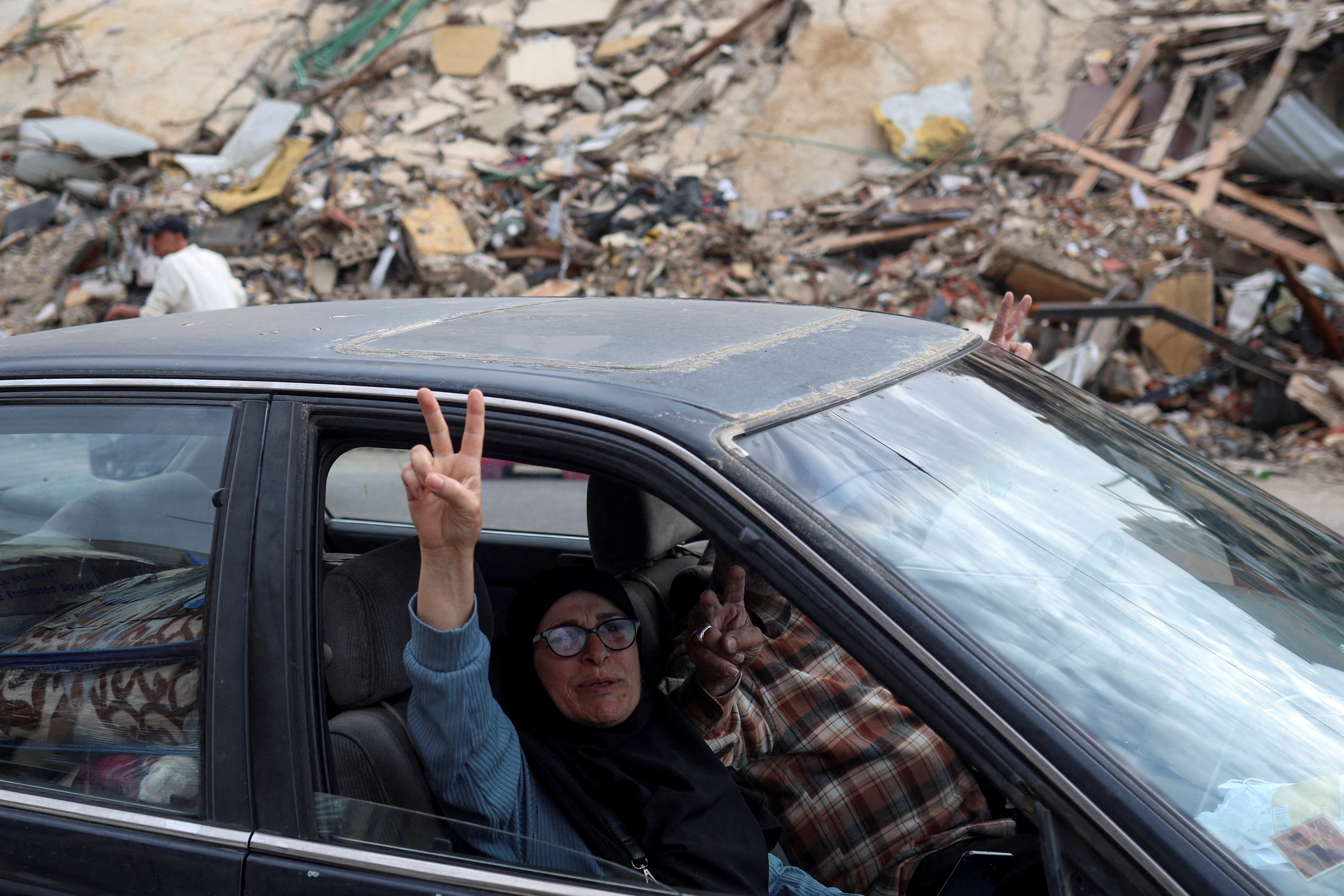
A truce is badly needed for Lebanon, where over a million people have been forced from their homes under Israel’s devastating bombardment.
That has killed over 2,000 people, including children, medics and journalists. Large areas of the south of the country are rubble.
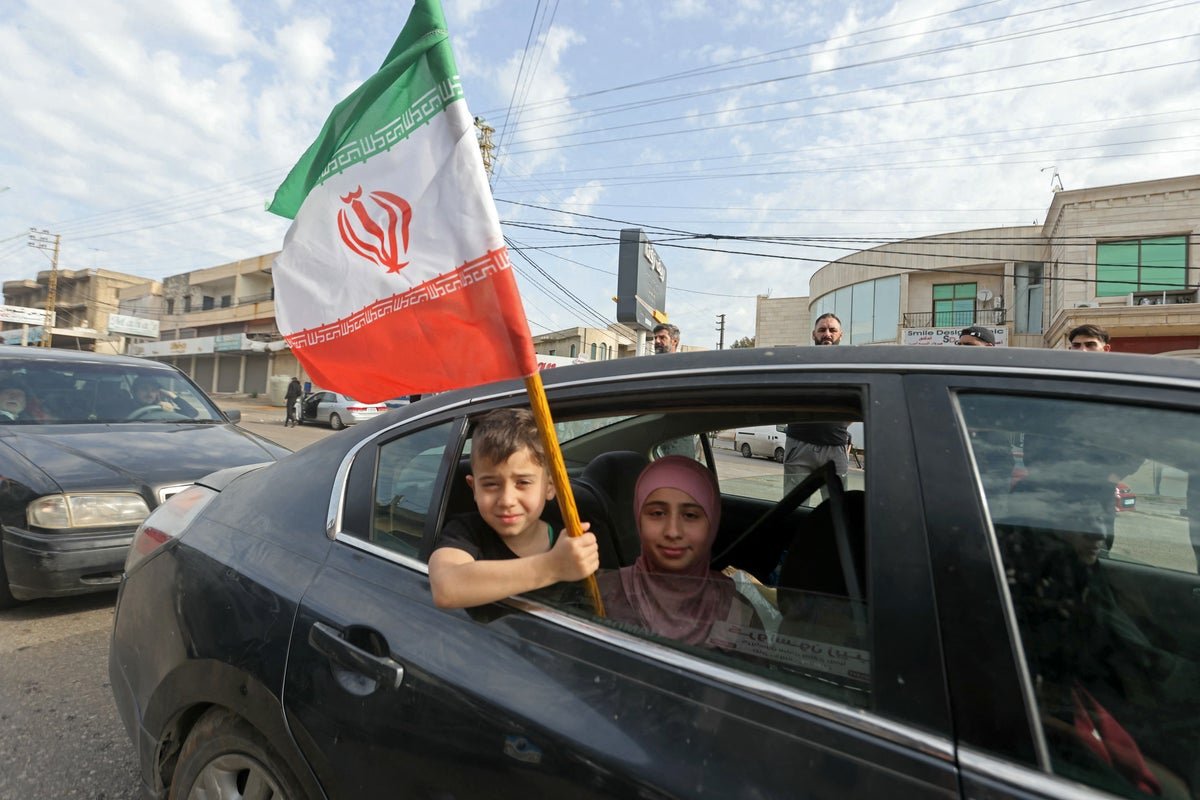
There were celebrations in Beirut at midnight local time when it came into effect. In Israel, it will no doubt be met with less joy.
A recent poll by the Hebrew University of Jerusalem signalled that two-thirds of the population oppose a ceasefire until Hezbollah has been destroyed.
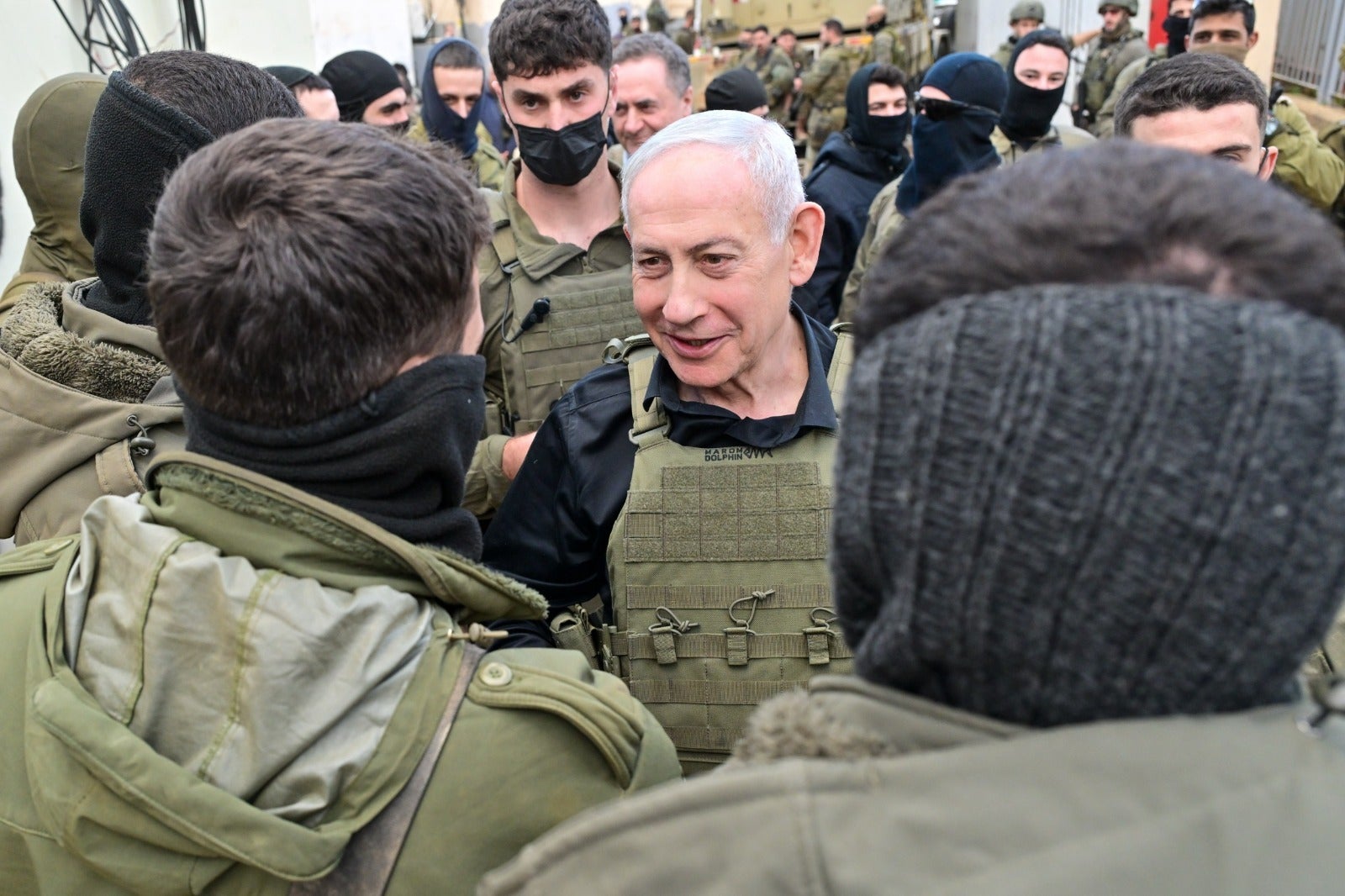
And that might be further pressure on this deal. Netanyahu is facing an election in a few months.
The fear from regional sources I have spoken to, well before Israel and the US began bombing Iran, which triggered Hezbollah pounding Israel and the eruption of the war in Lebanon, was that the embattled leader might look to stir up conflict to win votes.
In the words of one Israeli source a few months ago, the majority of the Israeli public love nothing more than feeling that Israel is standing and fighting “shoulder to shoulder with the US”.
With Iran talks just around the corner, badly needed to bring the world’s economy, and frankly, its future, back from the brink, everything is resting on this ceasefire holding.