US Politics
Defense Department not investigating reports of US bombing schools and hospitals in Iran, military chief says

Your support helps us to tell the story
From reproductive rights to climate change to Big Tech, The Independent is on the ground when the story is developing. Whether it’s investigating the financials of Elon Musk’s pro-Trump PAC or producing our latest documentary, ‘The A Word’, which shines a light on the American women fighting for reproductive rights, we know how important it is to parse out the facts from the messaging.
At such a critical moment in US history, we need reporters on the ground. Your donation allows us to keep sending journalists to speak to both sides of the story.
The Independent is trusted by Americans across the entire political spectrum. And unlike many other quality news outlets, we choose not to lock Americans out of our reporting and analysis with paywalls. We believe quality journalism should be available to everyone, paid for by those who can afford it.
Your support makes all the difference.
Read more
The Department of Defense is not investigating U.S. bombings that reportedly destroyed 22 Iranian schools and 17 healthcare facilities, according to the commander leading U.S. forces in Iran.
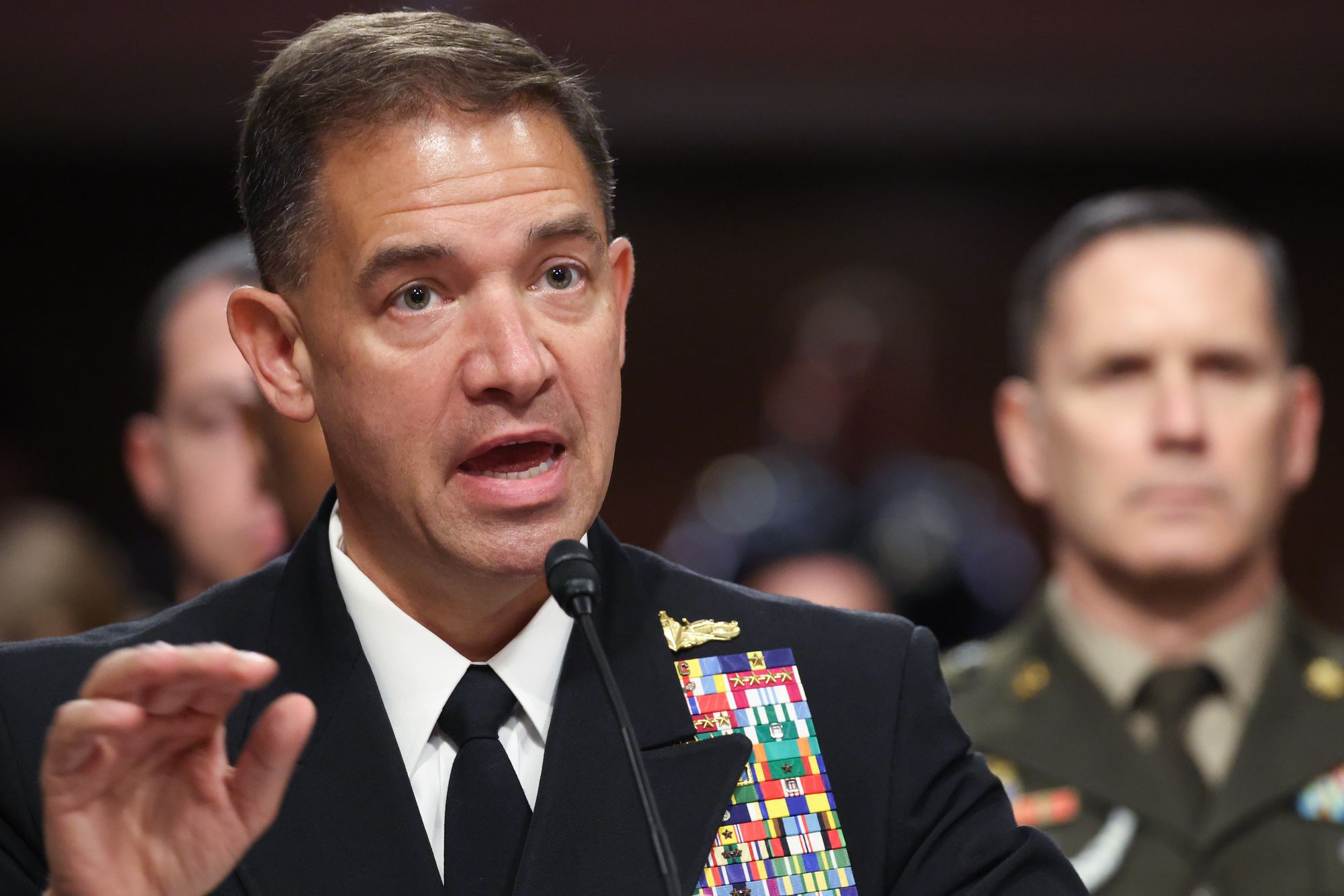
U.S. Central Command Admiral Brad Cooper told members of Congress that there is “no way” and “no indication” that the military can corroborate reports in The New York Times that detailed the alleged destruction using satellite imagery and verified video and social media footage.
“There is no indication that we have that has been corroborated,” Cooper told Sen. Kirsten Gillibrand during Thursday’s Senate Armed Forces Committee hearing. “There is no way we can corroborate that. No indication of that whatsoever, senator.”
His admission comes two months after a preliminary internal investigation linked American forces to a lethal strike on an Iranian girls’ school that killed 150 children, according to Iran’s ambassador to the United Nations.
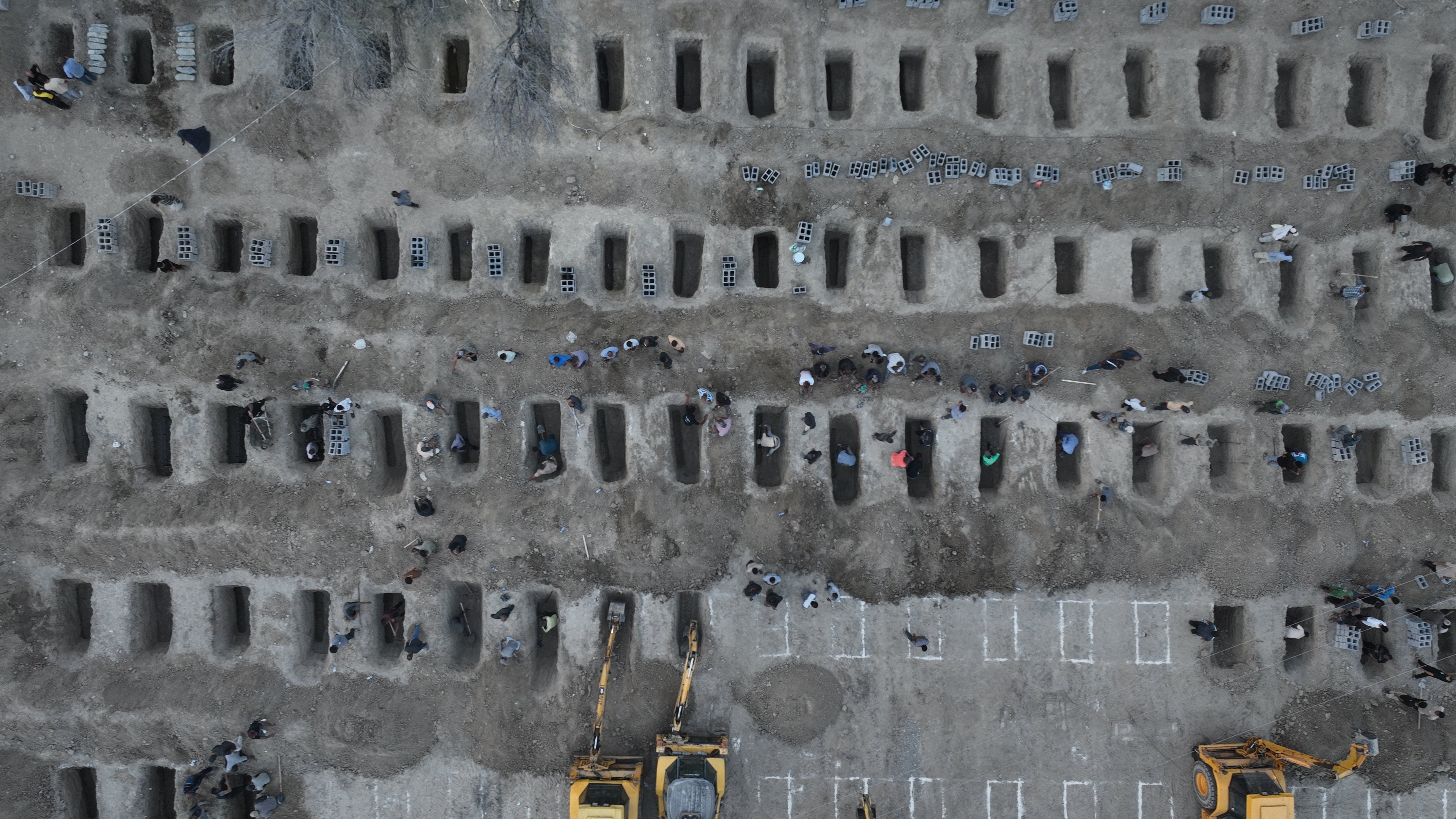
Military investigators believe American forces were likely responsible for a strike that analysts and human rights officials believe is the deadliest incident for civilian casualties since President Donald Trump’s administration and Israeli forces began attacking the country in February.

The total death toll from that strike, which has reportedly exceeded 175 people, has not been independently confirmed.
More than 1,700 civilians have been killed in Iran since U.S. strikes began, according to the Human Rights Activists News Agency.
But Cooper says the military has identified only one potential incident in which Iranian civilians were killed among more than 13,600 U.S. airstrikes.
Last month, The New York Times analyzed strikes that reportedly hit 22 schools and 17 healthcare facilities.
The Iranian Red Crescent Society, a humanitarian relief organization, says nearly 800 schools and more than 300 healthcare facilities have been damaged or destroyed.
Cooper testified that civilian protections are a “particular passion” of his and the military has “gone above and beyond” to warn civilians of attacks. He said he “personally” warned Iranians.
He said there is “no indication” that public reports of the alleged scope of civilian death and destruction can be corroborated.
“Well, indication is what’s publicly available,” Gillibrand fired back. “There is indication. Have you investigated those claims?”
“We have not,” Cooper said.
“Why have you not?” Gillibrand asked. “If this is a ‘passion’ of yours, if you believe that civilian casualties are not consistent with the law of war, not consistent with human rights obligations that our military regularly follows with great pride and great diligence, why have you not investigated those allegations, when they’re publicly being made on the cover of The New York Times?”

Defense Secretary Pete Hegseth and the White House previously confirmed that the Pentagon is investigating the strike on the elementary school in Minab on February 28.
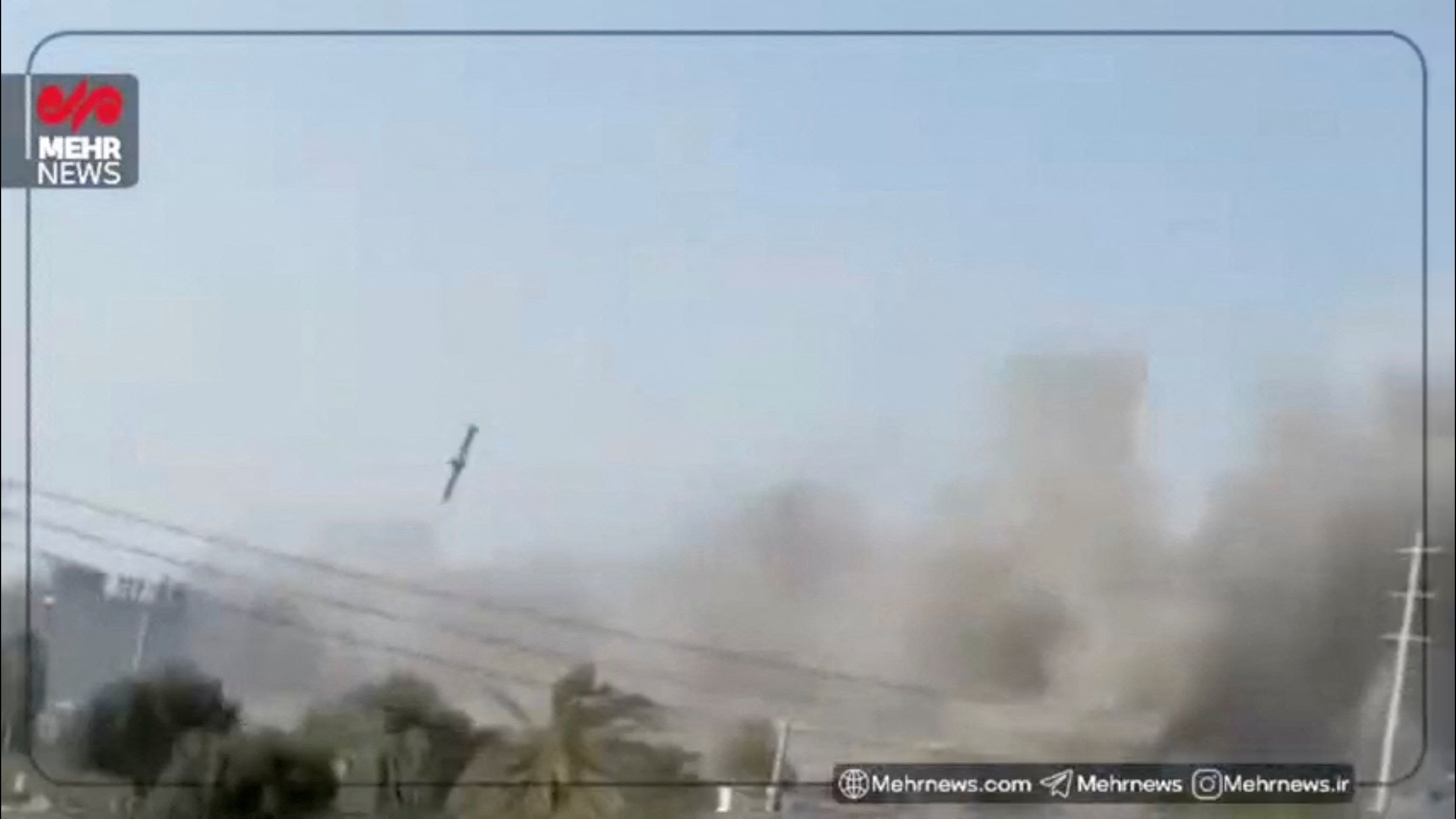
Evidence from data analysts reviewing satellite imagery, video and social media appears to show the school was hit by a precision strike and may have been hit more than once, The Independent previously reported.
Maps from the Department of Defense also appear to show two Iranian air defense targets surrounding the school’s location, which is within what the Pentagon describes as a “U.S./Israeli strikes” zone.
Outside military analysts also have suggested that the Pentagon’s AI-driven targeting — or human error that failed to check whether target maps were up to date — may have played a role in the strikes.
More than two months later, the future of that investigation remains unclear.

The Pentagon has also gutted the office tasked with mitigating civilian harm, according to Ret. Master Sgt. Wes J. Bryant, a former senior policy analyst and adviser on precision warfare at the Pentagon’s Civilian Protection Center of Excellence.
The Civilian Harm Mitigation and Response was formalized in 2022, encompassing 200 personnel, including roughly 30 at Bryant’s Civilian Protection Center of Excellence.
Only a handful of positions were restarted to backfill roles during operations in Iran.
Without that oversight explicitly designed to prevent civilian harm, Central Command essentially scrapped what could have been months of work to prevent a tragedy like the one in Minab, Bryant told ProPublica earlier this year.
During Thursday’s hearing, Senator Mark Kelly urged Cooper to restaff the Civilian Harm office.
“If you were to find out that there was an error in the targeting process, would you reinstate some of those people that were removed from that team?” Kelly asked.
Cooper called the question “hypothetical.”
“We’ll just see what the investigation says,” he said.