US Politics
Cuba warns US of ‘bloodbath’ over military action amid drone attack claims and Castro indictment fears

Your support helps us to tell the story
From reproductive rights to climate change to Big Tech, The Independent is on the ground when the story is developing. Whether it’s investigating the financials of Elon Musk’s pro-Trump PAC or producing our latest documentary, ‘The A Word’, which shines a light on the American women fighting for reproductive rights, we know how important it is to parse out the facts from the messaging.
At such a critical moment in US history, we need reporters on the ground. Your donation allows us to keep sending journalists to speak to both sides of the story.
The Independent is trusted by Americans across the entire political spectrum. And unlike many other quality news outlets, we choose not to lock Americans out of our reporting and analysis with paywalls. We believe quality journalism should be available to everyone, paid for by those who can afford it.
Your support makes all the difference.
Read more
Cuban President Miguel Diaz-Canel issued a stark warning on Monday, stating that any U.S. military action against the island nation would result in a “bloodbath” with “incalculable consequences for regional peace and stability.”
The declaration, made in a post on X, comes amid escalating tensions between Havana and Washington.
Diaz-Canel’s comments followed a Sunday report by Axios that cited classified intelligence.

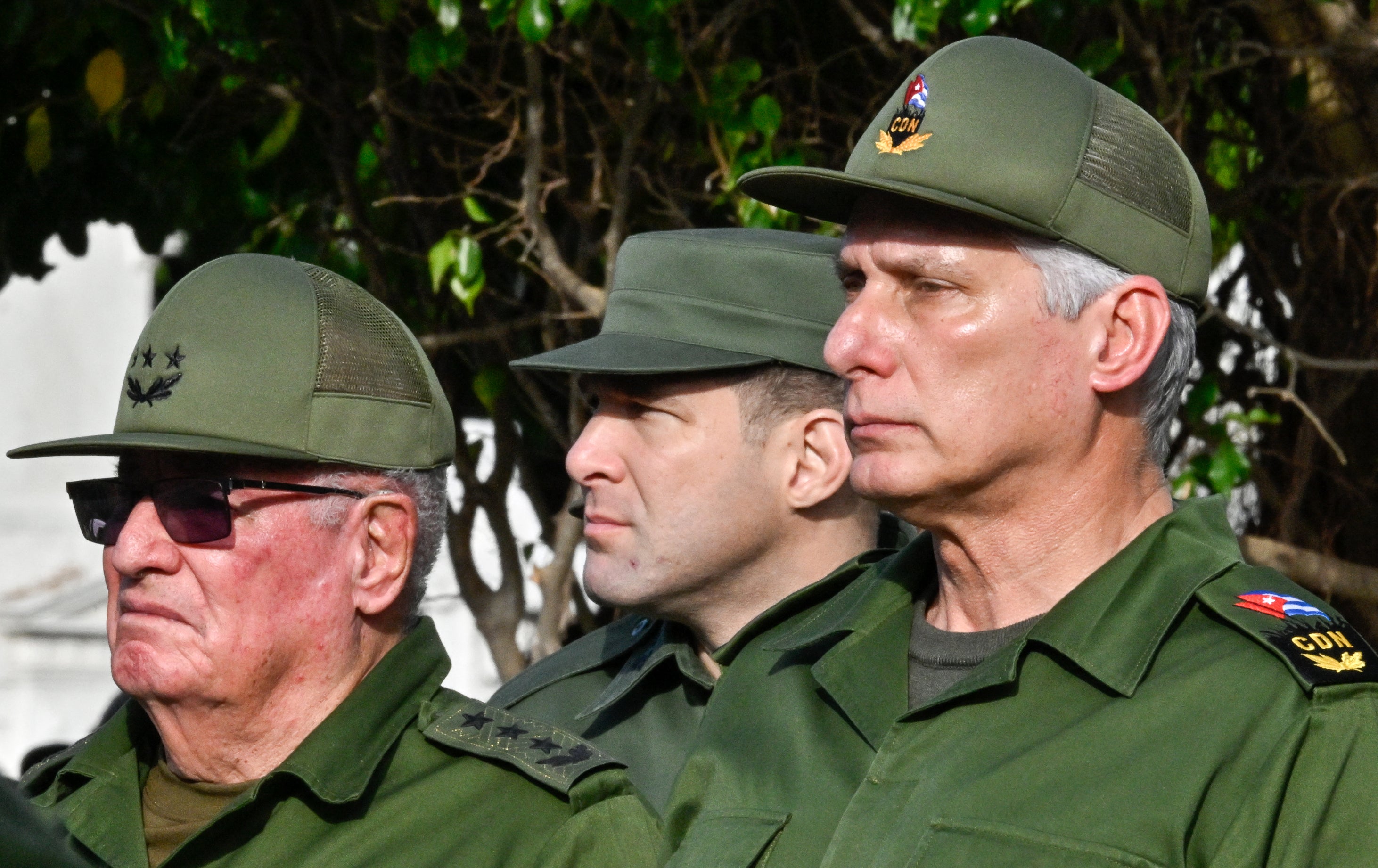
The report alleged that Cuba had acquired over 300 military drones and had discussed plans to deploy them in attacks against the U.S. naval base at Guantanamo Bay, American military vessels, and Key West, Florida.
Responding to these claims, Diaz-Canel asserted, “Cuba does not represent a threat.”
Foreign Minister Bruno Rodriguez echoed this sentiment in a separate post, affirming Cuba’s right to legitimate self-defense against external aggression under the U.N. Charter and international law, adding that those seeking to attack Cuba often use false pretexts.
The long-standing communist adversary of Washington has faced increasing pressure since the United States cut off its energy supplies following the arrest of Venezuela’s president in January.

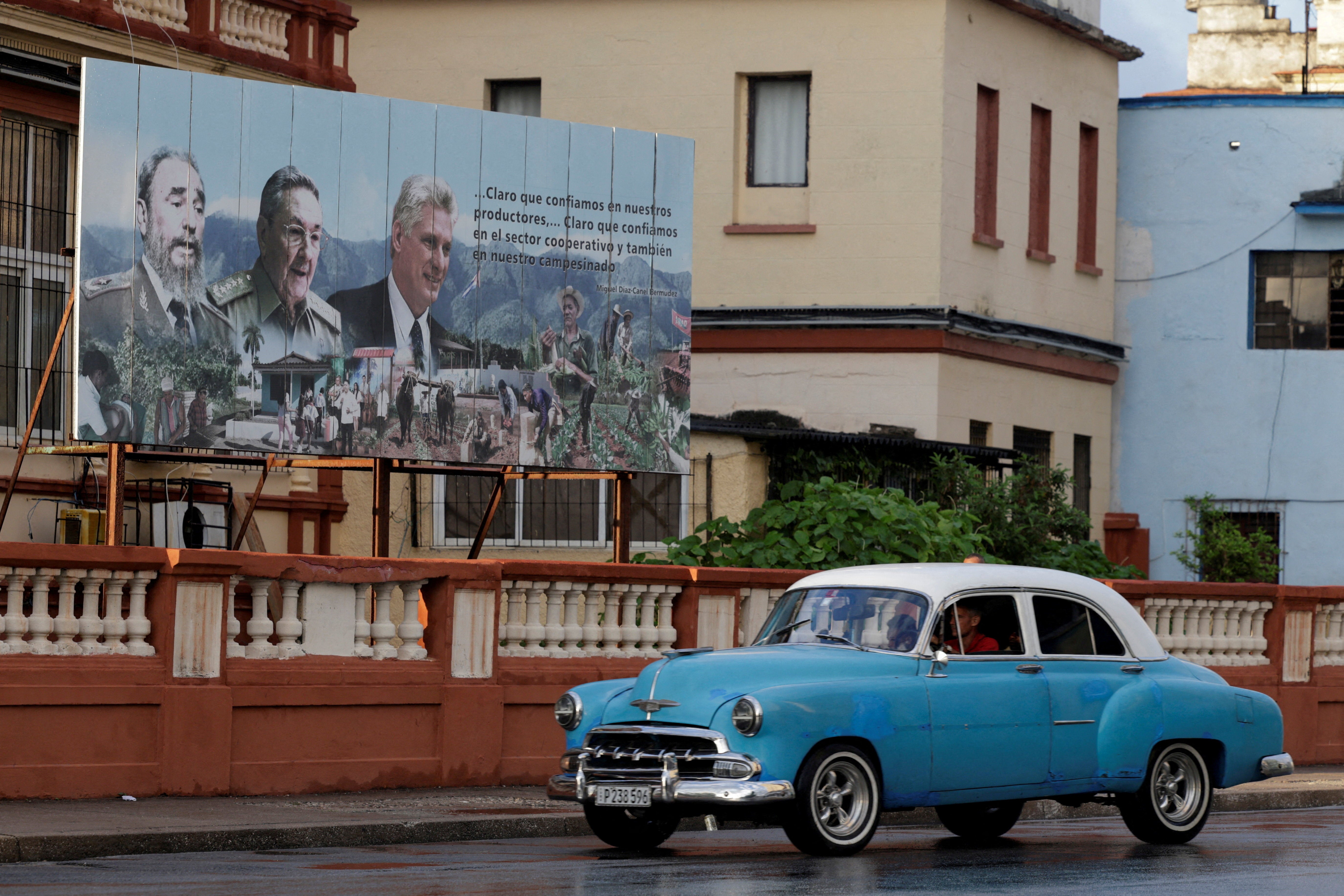
This has led to severe domestic strain, with recent weeks seeing widespread fuel shortages and electricity often limited to just one or two hours daily.
Tensions have been further exacerbated by recent developments. Reuters reported last week, citing U.S. Department of Justice sources, that prosecutors intend to indict Cuban leader Raúl Castro over the 1996 downing of two planes operated by the humanitarian group Brothers to the Rescue.
Such an indictment of the 94-year-old Castro would signify a major escalation in pressure on Cuba by the Trump administration, which has consistently described the island’s government as “corrupt and incompetent” while advocating for significant change.