
US Politics
Beef prices are nearing a record high. The DOJ has launched an antitrust probe

Your support helps us to tell the story
From reproductive rights to climate change to Big Tech, The Independent is on the ground when the story is developing. Whether it’s investigating the financials of Elon Musk’s pro-Trump PAC or producing our latest documentary, ‘The A Word’, which shines a light on the American women fighting for reproductive rights, we know how important it is to parse out the facts from the messaging.
At such a critical moment in US history, we need reporters on the ground. Your donation allows us to keep sending journalists to speak to both sides of the story.
The Independent is trusted by Americans across the entire political spectrum. And unlike many other quality news outlets, we choose not to lock Americans out of our reporting and analysis with paywalls. We believe quality journalism should be available to everyone, paid for by those who can afford it.
Your support makes all the difference.
Read more
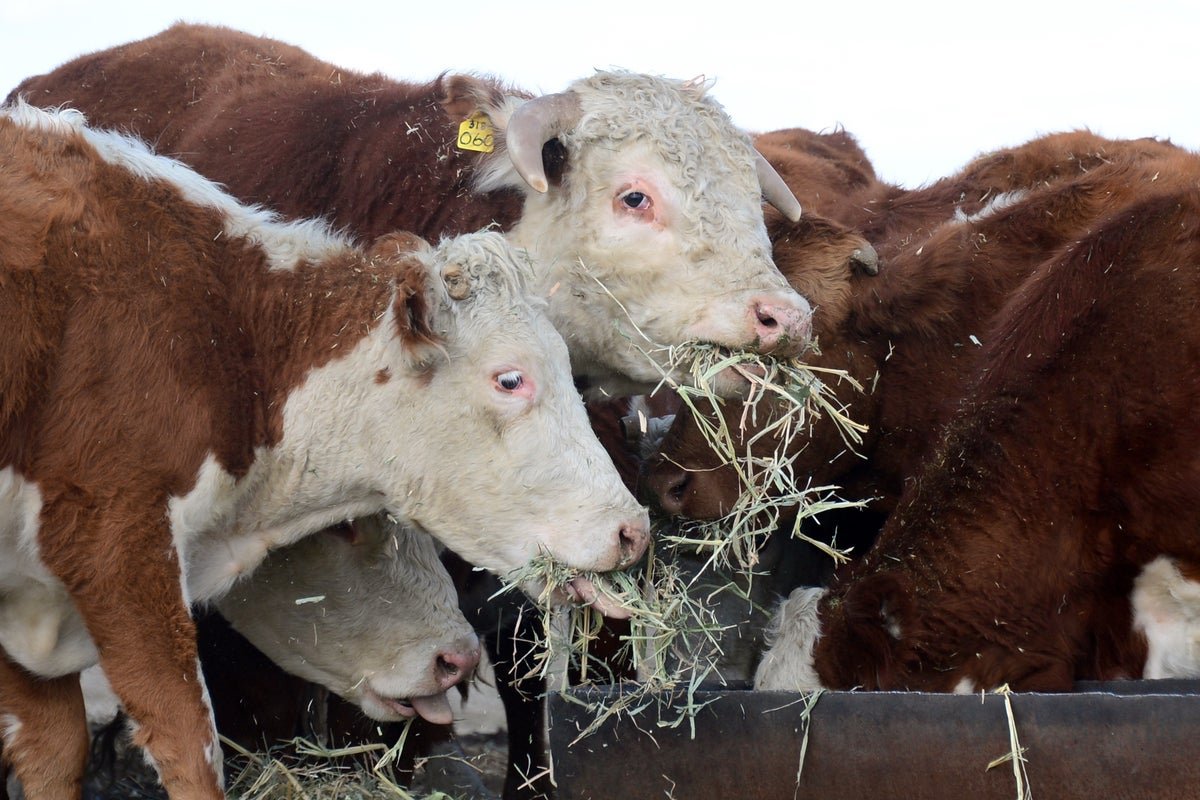
The Justice Department says that it is investigating potential antitrust violations in the beef and cattle markets after beef prices hit record highs.
The average cost of a pound of ground beef was $6.86 in March, only three cents down from February’s record, according to the Federal Reserve Bank of St. Louis. That represents a surge of nearly 48% in the last five years.
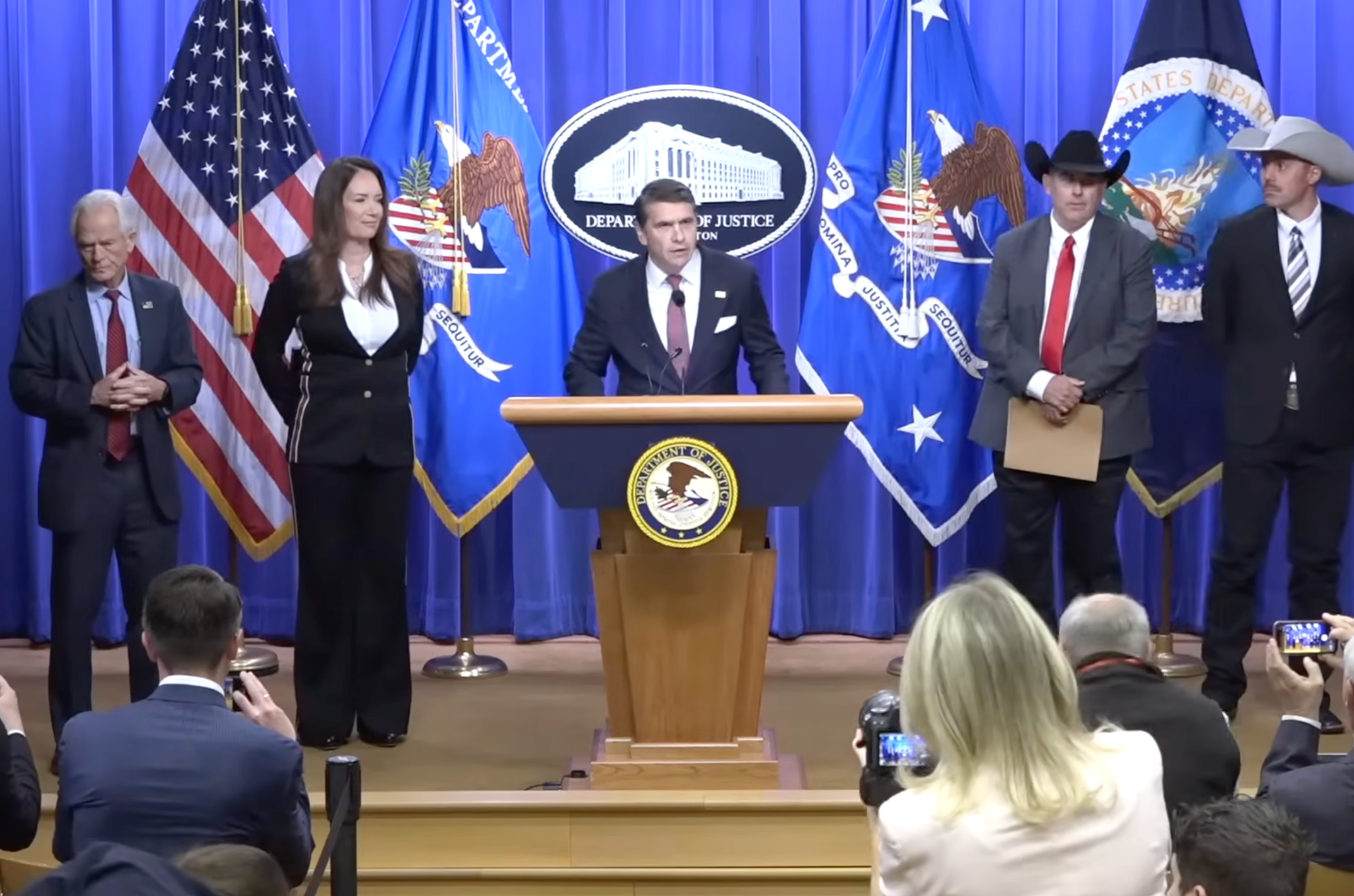
During a press conference this week, acting Attorney General Todd Blanche confirmed President Trump had ordered an investigation into the beef industry last November that is now underway.
In his speech, Blanche confirmed more than 3 million documents were being reviewed as part of the probe. He also urged whistleblowers to report possible price-fixing, bid-rigging, market allocation or procurement fraud with the prospect of receiving money in return.
“If the information you provide helps us secure a criminal penalty in excess of $1 million, you can be entitled to recover and receive 15-30% of the money that we recover,” he said.
Addressing reporters, Blanche took aim at the “big four processors,” whom he claims control 85 percent of the beef processing market.
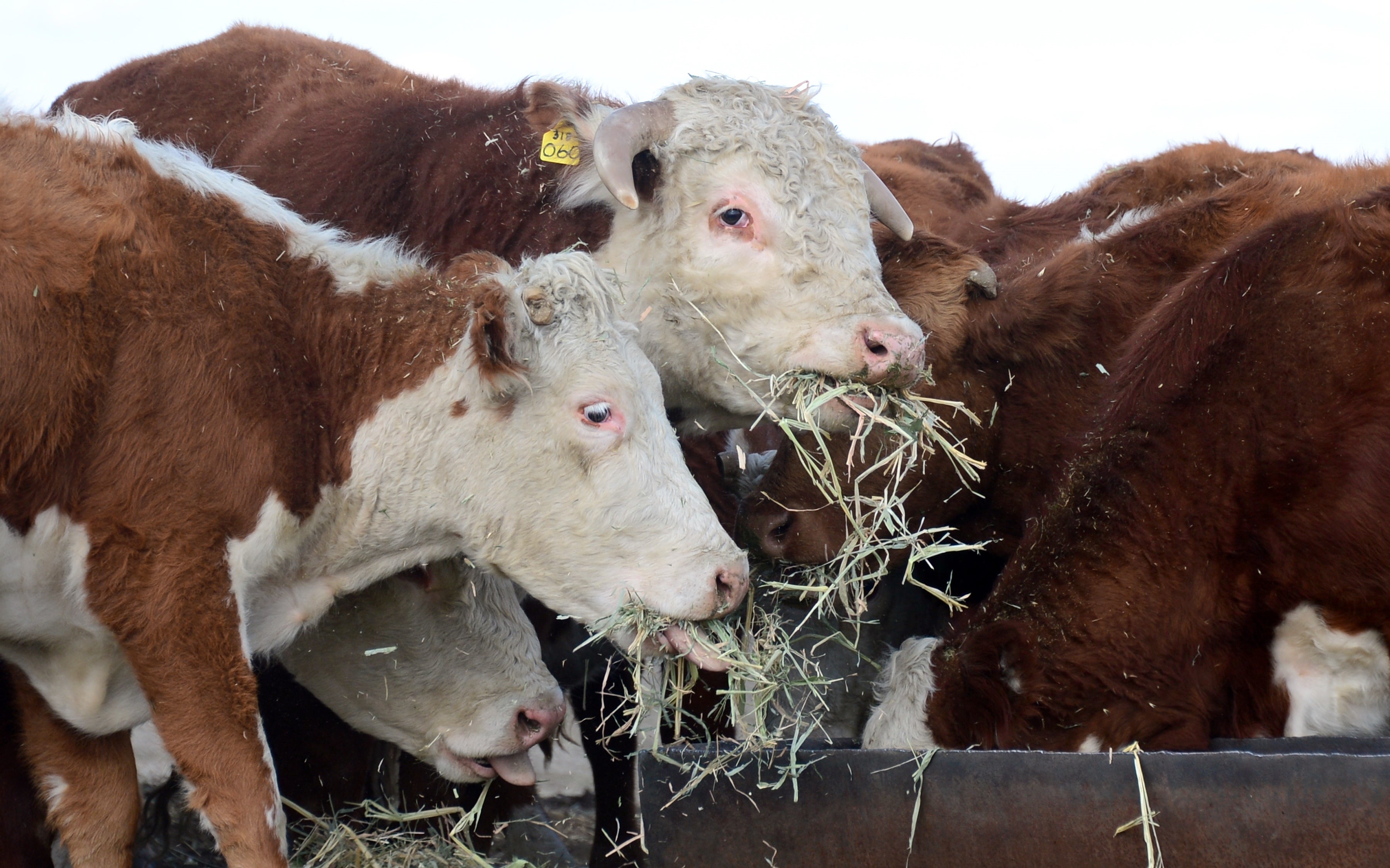
Agriculture Secretary Brooke Rollins focused on two of the processors: JBS and National Beef. The former is headquartered in São Paulo, while the latter is owned by Brazilian multinational Marfrig.
“Half of these meatpacking giants, including the largest meat packer in the world, are either foreign-owned or have significant foreign ownership and control,” she said.
Peter Navarro, the senior counselor for trade and manufacturing to President Trump, hit out at U.S.-based firms Tyson Foods and Cargill, as well as the Brazilian companies.
“I hasten to add here that the Brazilians are far more of the problem, and it’s complicated by the fact that the Brazilians, particularly JBS, hands out millions of dollars to our American political system like it’s candy,” Navarro said.
During her remarks, Rollins said that the United States had lost 17 percent of its cattle ranchers in the last decade and said that U.S. cattle numbers had plummeted to 86.2 million head of cattle and calves.
“That is the lowest since the 1950s,” she said.
Rollins said that the decline can be attributed to a number of factors. She suggested that one of the key factors was what she described as the “radical left’s ongoing assault against ranching as a way of life” and hit out at “climate alarmism”.
The agriculture secretary added that “growing the herd size is an immediate problem in need of solutions.”
The beef industry has been hit by a slew of problems in recent years, including drought and dry spells.
Around 61 percent of cattle inventory is affected by drought, as of April 28, according to statistics from the National Drought Mitigation Center.
The data also showed that 46 percent of alfalfa hay acreage and 57 percent of hay inventory, which are both used for cattle feed, were affected by drought.
Ariel Ortiz-Bobea, an economist at Cornell University, told The Washington Post that areas being affected by drought give ranchers no reason to grow their herds and may even cause them to sell off more animals. That can increase prices at the grocery store.
Sometimes herds in the U.S. are joined with shipments of cattle from Mexico. However, these shipments have largely been paused in an effort to prevent the New World screwworm from traveling to the United States, according to Bloomberg.
The insect, which was eradicated from the U.S. decades ago, can devastate herds. The parasite has been detected just 90 miles from the U.S. border in the Mexican state of Nuevo León.
Amid problems caused by drought, cow-calf producers trying to remain profitable and reduced imports from Mexico, among other problems, beef processors are then forced to compete for scarce cattle, Bloomberg reported.
The Independent has contacted JBS, National Beef, Tyson Foods and Cargill for comment.