US Politics
All the times Trump said the war in Iran was over – and how the markets reacted

Your support helps us to tell the story
From reproductive rights to climate change to Big Tech, The Independent is on the ground when the story is developing. Whether it’s investigating the financials of Elon Musk’s pro-Trump PAC or producing our latest documentary, ‘The A Word’, which shines a light on the American women fighting for reproductive rights, we know how important it is to parse out the facts from the messaging.
At such a critical moment in US history, we need reporters on the ground. Your donation allows us to keep sending journalists to speak to both sides of the story.
The Independent is trusted by Americans across the entire political spectrum. And unlike many other quality news outlets, we choose not to lock Americans out of our reporting and analysis with paywalls. We believe quality journalism should be available to everyone, paid for by those who can afford it.
Your support makes all the difference.
Read more
Donald Trump has once again announced that the Iran war is over – despite no peace deal being finalised between the two countries.
The US president has declared the end of military operations against Tehran on dozens of occasions, in what critics have said it is an attempt to calm market instability caused by the conflict.
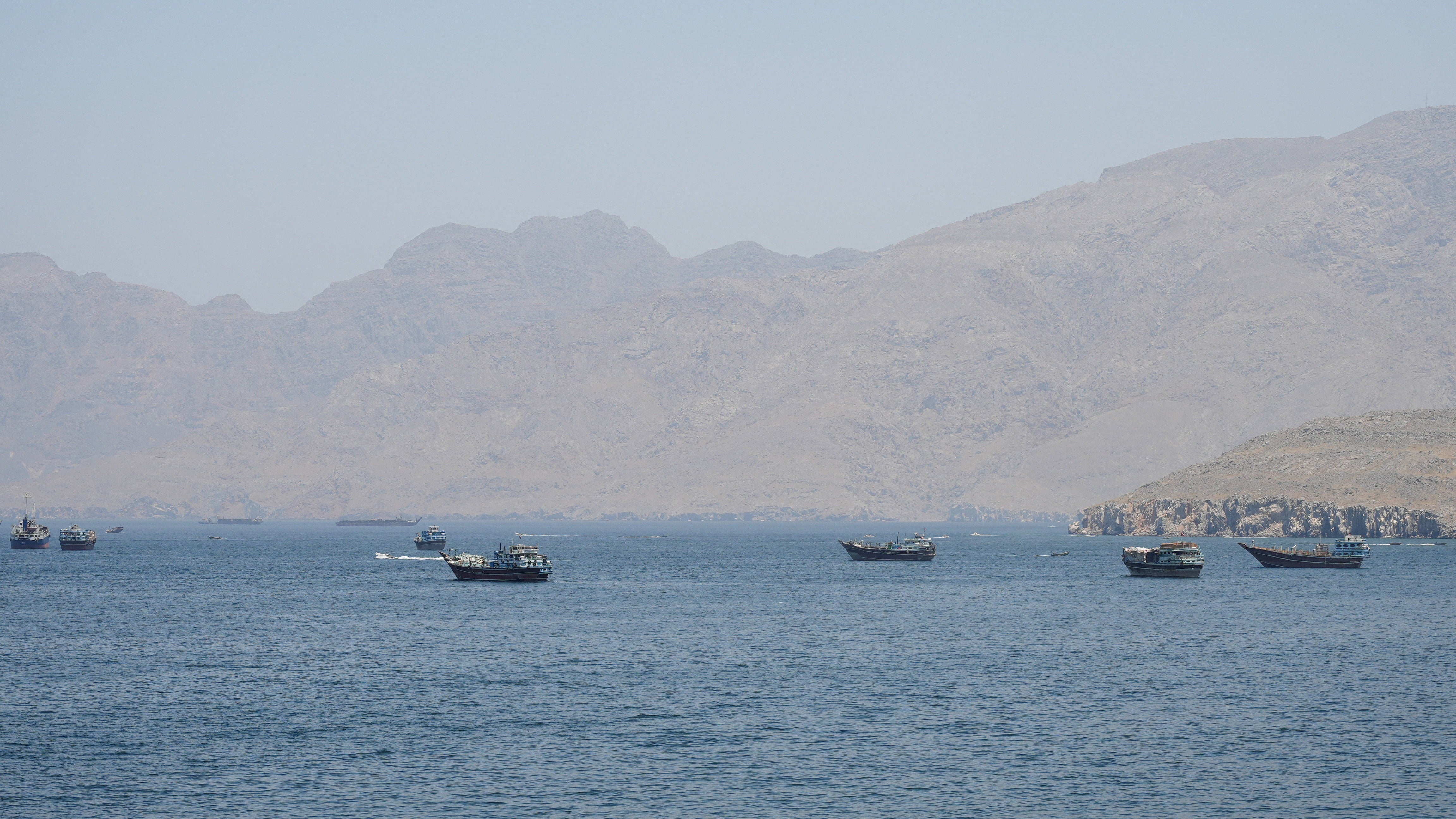
The Strait of Hormuz remains closed, choking global oil supply and throwing the world into the worst energy crisis in history.
While the markets initially settled in response to Trump’s optimism over ending the war, his repeated declarations are increasingly having a diminished effect. Despite the disruption and chaos, international stock markets are seeing record highs.

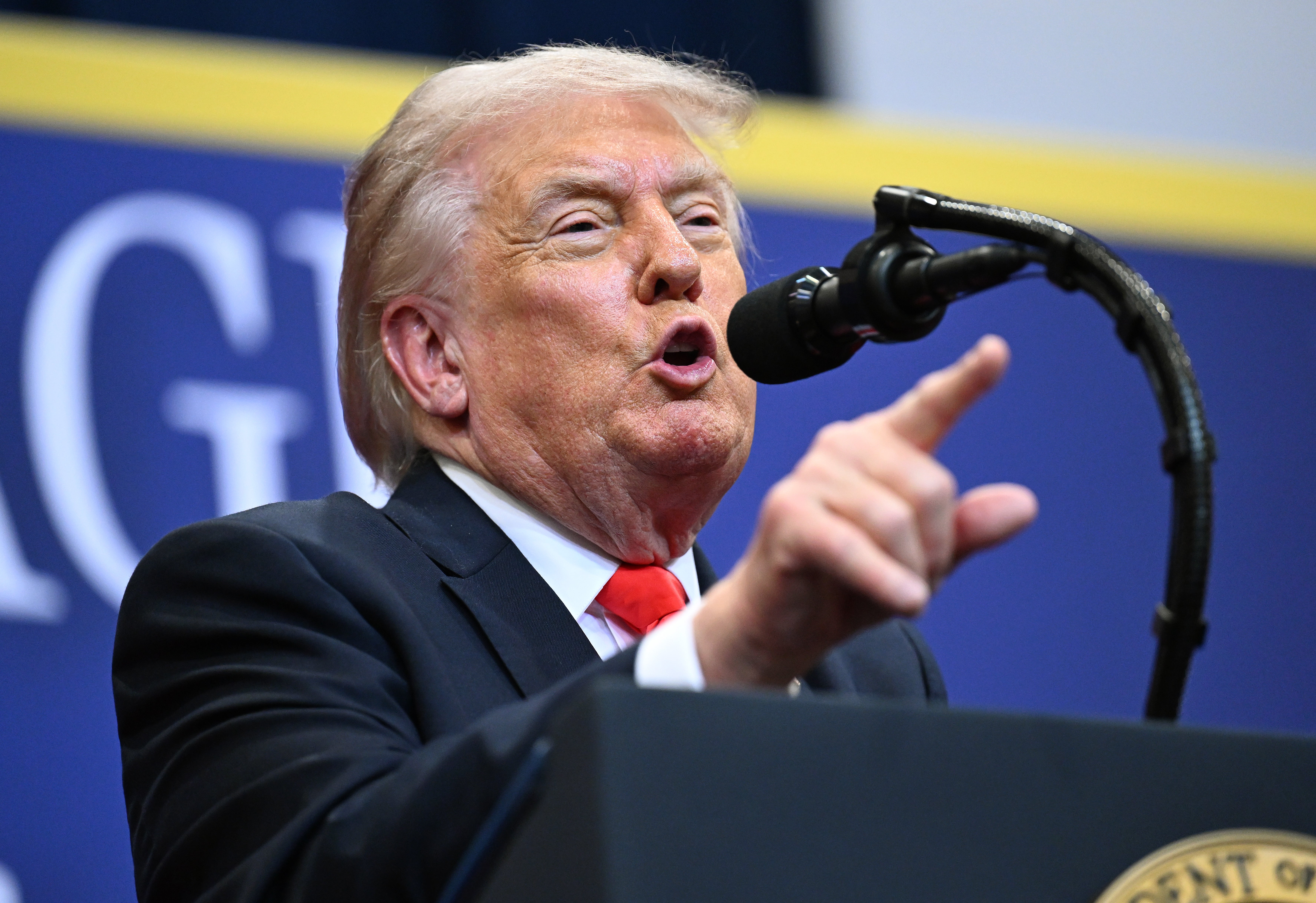
Initially framed as a short-term military operation beginning with the assassination of supreme leader Ayatollah Ali Khamenei on 28 February, hostilities between both countries continue despite a fragile ceasefire agreed last month.
Below we look at all the times that the US leader said that the war was “over”.
7 March – ‘The war is a minor excursion’
Mr Trump initially framed the war as a short-term operation, akin to the toppling of the Nicolas Maduro’s government in Venezuela earlier this year.
He told reporters on 7 March that the conflict was a “minor excursion” that would ultimately make the world a safe place and boasted that he would accept nothing but “unconditional surrender”.
In the early days he insisted that the operation would last a matter of weeks. Oil prices climbed to over $85 a barrel and financial markets endured frenzied swings during the remainder of the month as the future of the conflict appeared uncertain.
9 March – ‘We’ve already won… but we haven’t won enough’
As the war entered its second week, the US leader promised that it would be over “very soon”. He said that the country is “all gone”.
“We could call it a tremendous success right now,” he added.
Later that day, during. speech at the Republican Issues Conference he said: “We’ve already won in many ways, but we haven’t won enough. We go forward more determined than ever to achieve ultimate victory that will end this long-running danger once and for all.”

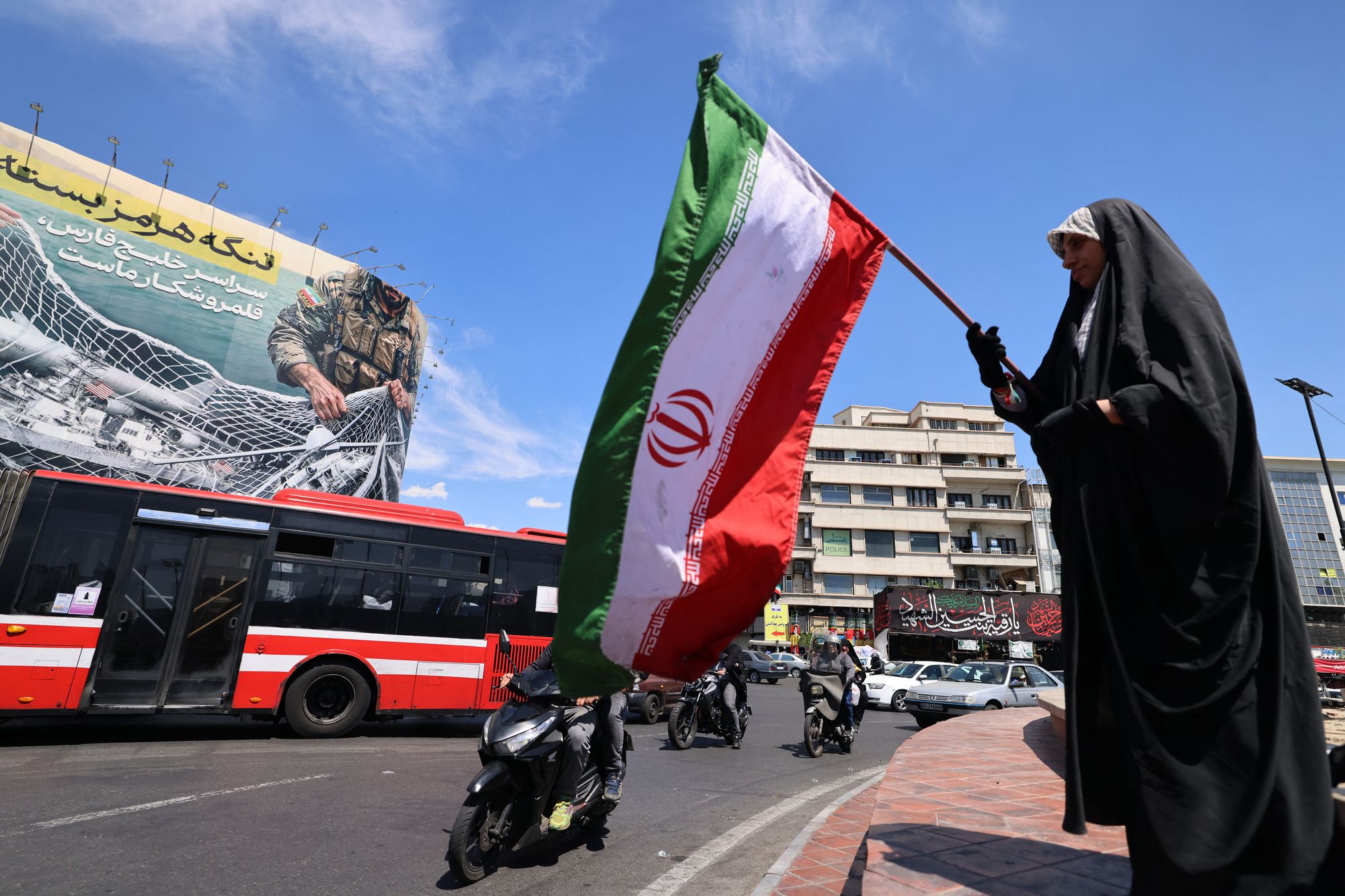
11 March – Trump says US won Iran war in ‘first hour’
Two days later, Mr Trump made the confusing comment that the US had won the Iran war in the “first hour” while at the same time suggesting that the conflict would be over “very soon”.
“You never like to say too early you won. We won. In the first hour it was over,” he said. He told Axios that the war would end “soon” and “any time I want it to end”.
12 March – ‘Nothing left to target’, says Trump
The president continued to insist that the war was almost over and said that there was “nothing left to target” after a US-Israeli bombing campaign across Iran.
“They are pretty much at the end of the line. It doesn’t mean we are going to end it immediately — it is only a question of when.”
17 March – War was over in ‘two or three days’
“Iran is just a military operation to me. Iran is something that was essentially largely over in two or three days, because the Navy was wiped out almost immediately,” he told Irish leader xof Ireland, Micheál Martin. “The Air Force came next; the anti-aircraft came next.”

20 March – ‘We’ve won’
“Oh, I think we won,” he told a reporter when asked what he meant by the statement on 20 March. “We’ve knocked out their Navy, their Air Force. We’ve knocked out their anti-aircraft.
“We’ve knocked out everything. We’re roaming free,” he said.
24 March – ‘War has been won’
After saying one again that the war would be over very soon, the same week he announced again that it had already been won.
“We’ve won this war,” he told reporters. “This war has been won.”

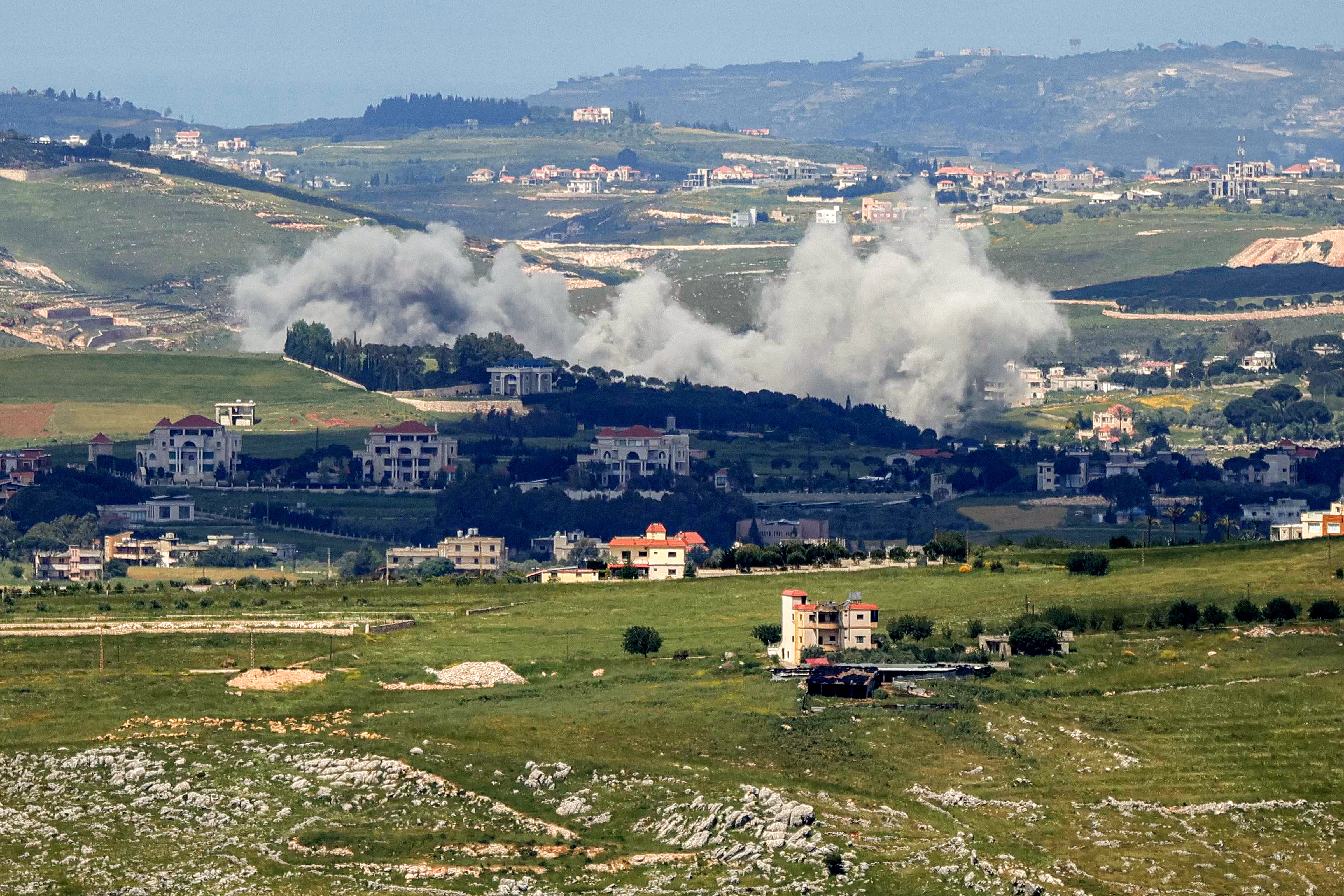
He insisted that negotiations were taking place, prompting oil prices to recover slightly. Iran accused Mr Trump of issuing unverified statements in order to “manipulate” the economy as stocks swung back and forth.
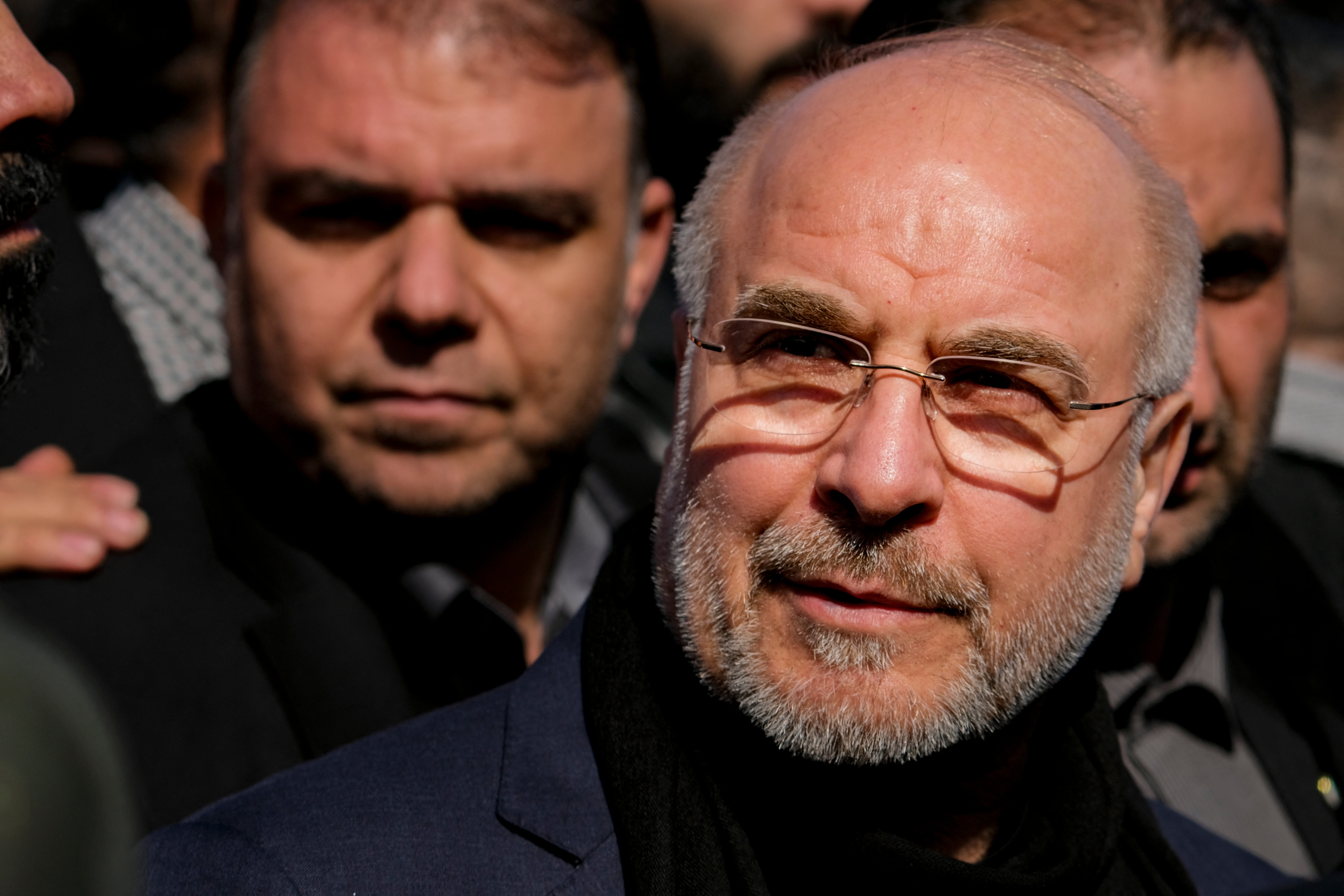
“No negotiations have been held with the US, and fake news is used to manipulate the financial and oil markets and escape the quagmire in which the US and Israel are trapped,” Iran’s Parliament Speaker Mohammad-Bagher Ghalibaf said in a post on X in response to the claims.
7 April – Ceasefire announced
A 14-day ceasefire was announced on 7 April, which Iran insisted should include Israeli attacks on Lebanon and the US insisted the agreement should also ensure the reopening of the Strait of Hormuz.
Oil prices dropped and financial markets appeared to rebound after the announcement and the prospect of diplomacy.

15 April – War will be over ‘very soon’
A week into the ceasefire, Trump insisted that the countries were close to an agreement and that the war would be over “very soon”.
During the ceasefire, the US stock market reached a record high, extending a two-week rally built on hopes surrounding a resolution to the Iran war.
The S&P 500 rose 0.8 per cent and eclipsed its prior all-time high set in January. After falling nearly 10 per cent below its record in late March, a drop steep enough that Wall Street calls it a “correction,” the index at the heart of many 401(k) accounts has since roared more than 10 per cent higher.
Much of the rally was attributed to expectations for calming tensions in the war and a resumption of the full flow of oil from the Persian Gulf to customers worldwide.
17 April – Trump declares victory over Iran
Trump initially wrote in a post on Truth Social that Iran had “JUST ANNOUNCED THAT THE STRAIT OF IRAN IS FULLY OPEN AND READY FOR FULL PASSAGE”.
Minutes later, he added another post minutes later citing the correct name of the waterway and declaring it “COMPLETELY OPEN AND READY FOR BUSINESS AND FULL PASSAGE” while claiming the U.S. blockade against Tehran would persist until what he described as “our transaction” was “100% complete.”
He called the development a “great victory” in a phone call with USA Today and declared the weeks-long dispute over the strait to be “over.”

1 May – Hostilities have ‘terminated’
After Trump told Congress that hostilities had “terminated”, oil prices fell modestly after several such statements had been made over the preceding weeks. They then dropped sharply before stabilising. Investors remained cautious with modest recovery in the stock market.
5 May – Operation Epic Fury is ‘over’ says Rubio
The increased focus on the Strait of Hormuz also led to oil prices holding steady after Trump announced on Monday that the US would help escort ships out of the vital waterway.
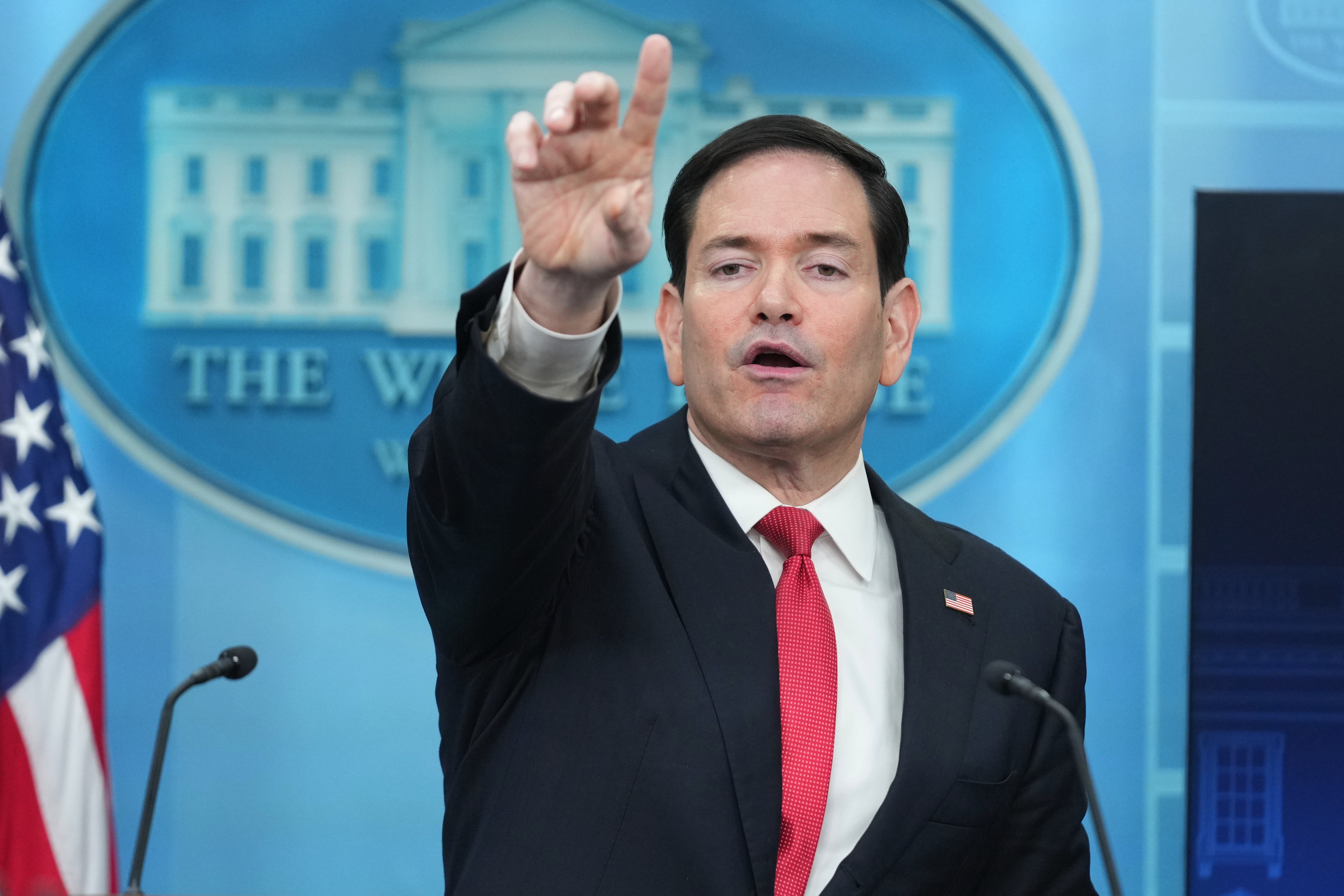
But by Tuesday, secretary of state Marco Rubio announced that Operation Epic Fury was “over”.
Most recently Mr Trump has said that if the US were to return to Iran, the operation would last two to three weeks.
“We’ve taken out much of what we’d have to do, probably another two weeks, two weeks, maybe three weeks,” he said on Tuesday
“We either make the right deal, or we win very easily from the military standpoint.”
Oil prices retreated and global stocks hit record highs after the president celebrated the “great progress” being made in negotiations.