
AI / Tech
Voi founders’ new AI startup Pit has become the latest rising star out of Stockholm

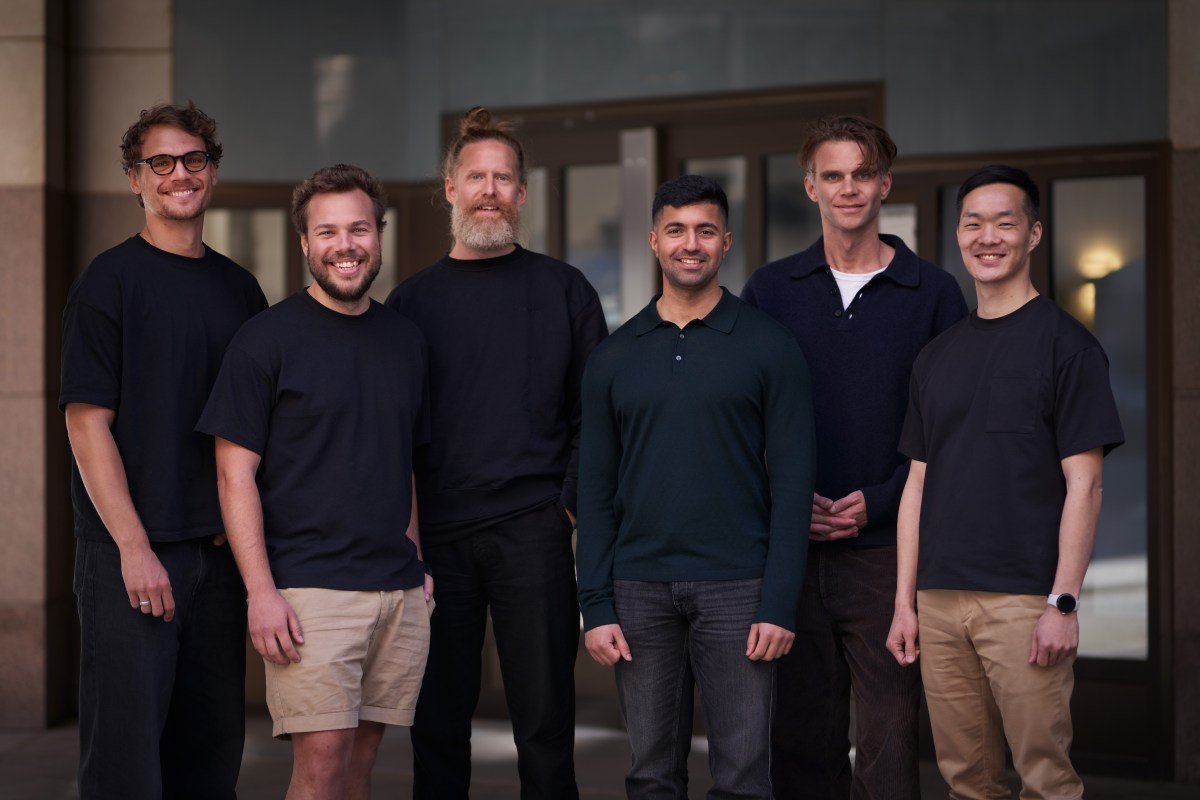
Swedish startup Pit may have gained notice for some rage-bait social media posts, but it has also become another Stockholm AI startup to watch.
Pit is led by the co-founders of European scooter giant Voi, including Voi CEO Fredrik Hjelm. He is joined by former iZettle and Klarna engineers. And it is now backed by a16z, which is leading the startup’s $16 million seed round. Stockholm, also home to Lovable, is one of the places where a16z has been actively looking for the next European unicorn.
Pit is going after enterprise AI with products intended to learn from the clients how their businesses run then create custom software to automate processes, Pit CEO Adam Jafer told TechCrunch.
Jafer left Voi last summer after a seven-year tenure during which the company scaled into a team of nearly 1,000 employees operating in 13 countries. From his engineering viewpoint, Jafer saw how AI has matured enough for enterprise use. Initially, he saw a chance to replace low-hanging SaaS tools with in-house apps, but he soon envisioned an opportunity beyond Voi.
“The aha moment for the bigger opportunity was when the models were no longer just chatbots that generate text, but became more agentic and could do things,” he told TechCrunch. Unlike competitors offering AI agent-building or vibe-coding products, Pit positions itself as an “AI product team as a service.”
Pit is entering a crowded market and hopes to differentiate itself by relying on two pillars: Pit Studio, which lets enterprise employees guide it through processes that could be handled by AI-generated software; and Pit Cloud, which, the startup promises, provides that software in a way that meets enterprise requirements on governance, certifications, and auditability.
In mid-January, the startup started testing its plan with pilot customers in telecom, healthcare, logistics, and other sectors, focusing solely on automating internal processes. “Nothing customer facing, no conversational AI, just pure back-office, service, and support functions that we turn into automations so that you can give back time to people to focus on your core business,” Jafer said.
Techcrunch event
San Francisco, CA
|
October 13-15, 2026
The startup is now preparing to scale up commercially, but it won’t be hands-off. Following the trend of AI companies hiring forward-deployed engineers (FDEs) to embed themselves to drive enterprise adoption, Pit is also hiring solution engineers. The goal, Jafer said, is to meet the expectations of the large customers it is targeting. “They’re looking to buy outcomes. They want processes to go faster. They want to see productivity unlock and time unlock,” he said.
Jafer said Pit is not pitching itself as a way to reduce human labor and cut jobs. “The theme is more around moving people upstream to do more valuable things for the business, rather than repetitive back-office work.” Success metrics also go beyond saving time and money. “Some of it is just quality of work improvement, reducing human errors and so on.”
Yet Pit’s own needs on this became a subject of controversy a few months ago when Jafer posted on LinkedIn declaring “Yes, our team currently has no junior engineers. At Pit, agents now do most of what junior engineers used to do.”
While the post is still visible, he no longer stands by that. “It may have started like that, but you need a good mix as you scale,” he said with a smile.
Hjelm anticipated the all-male team might raise eyebrows, too. In a post on X, he wrote that Pit was “founded by tech bros, from Voi and Klarna,” but immediately added, “We have tech girls on the team as well, fyi.” That clarification wasn’t immediately apparent from Pit’s LinkedIn profile, although TechCrunch has spoken with one woman working at Pit on the communications side.
What the picture does reflect, though, is a sense of getting the band back together. Voi’s four co-founders have remained friends over the years, and three of them are now part of this new journey: Hjelm, Jafer, and Filip Lindvall, now a founding engineer at Pit. One of the startup’s engineers, Andreas Hjelm, is none other than Voi CEO Fredrik Hjelm’s brother.
While Fredrik Hjelm is named as a co-founder of Pit, too, he is still Voi’s CEO, so his role will likely be less hands-on for the time being. Since going profitable in 2024, Voi has been considered a potential IPO candidate, and closed 2025 with strong results. But his involvement as a well-connected entrepreneur could still open doors — and already has, with a16z.
In a tweet, Hjelm explained how a16z partners Alex Rampell and Gabriel Vasquez ended up leading Pit’s round. He became acquainted with Ben Horowitz, Gabriel Vasquez, and Jen Kha “a few years ago when they came to Stockholm to understand what they could do for European tech. We stayed in touch. When it came to picking partners for Pit, we didn’t need the money to get going, but we wanted the strongest backers we could find. So we picked them, and they picked us.”
Jafer also corroborated that Pit didn’t spend much time with other firms to raise its round, which was also backed by Pit’s founders themselves, as well as Lakestar, executives from American tech companies, and wealthy families from the Nordics. This transatlantic cap table confirms that there is growing interest for AI out of Stockholm, which has consolidated itself as one of the most active startup hubs in Europe.
Pit could also benefit from its European DNA when it comes to sales. “We’re going after industrials, and there’s plenty of that in Europe,” Jafer said. He also reported that clients appreciate Pit’s agnostic approach. Since it can use different AI and cloud vendors depending on clients’ preferences, it could benefit from the current tailwinds for sovereign tech, especially in critical sectors.
“EU models running on EU compute is top of mind for almost every CIO we’re meeting,” Jafer said.
When you purchase through links in our articles, we may earn a small commission. This doesn’t affect our editorial independence.