
Breaking News
How the Fed’s rate decision affects your bank accounts, loans, credit cards, and investments

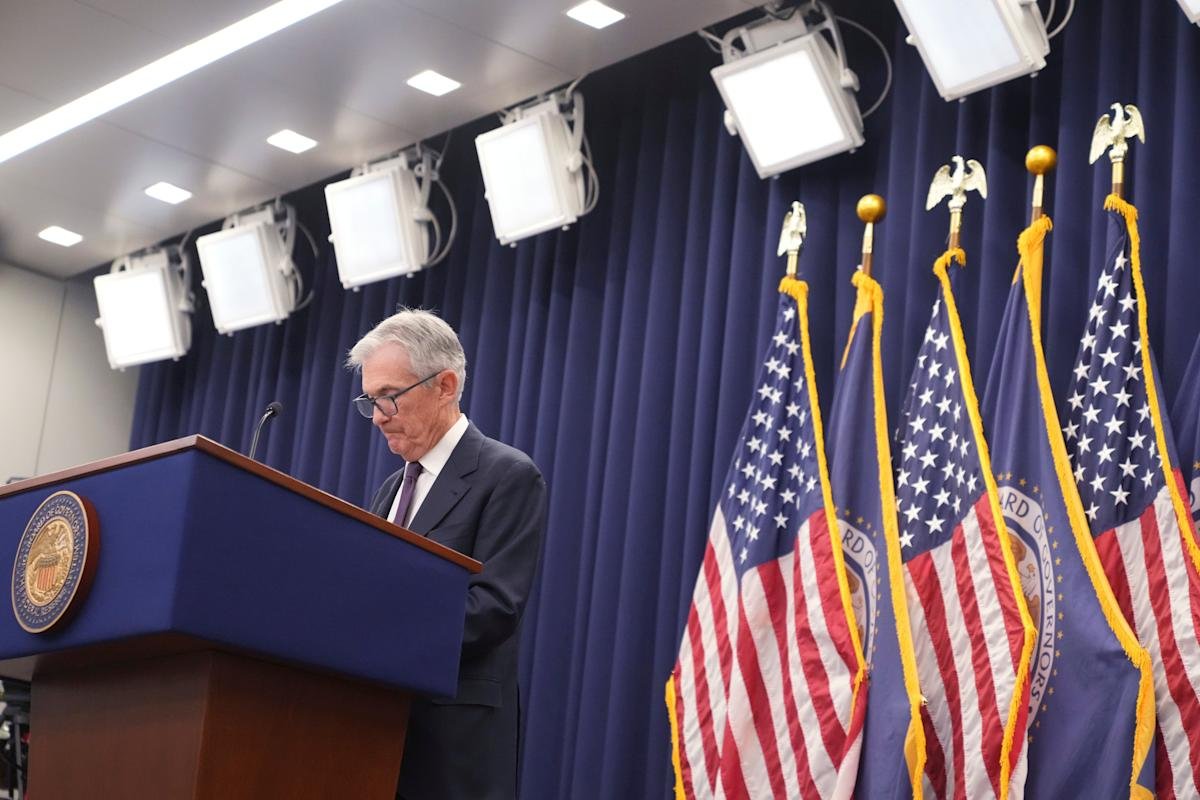
Following three interest rate cuts in 2025, the Federal Reserve is back in wait-and-see mode. At its Jan. 28 meeting, the Fed announced a pause to interest rate moves to consider the economic outlook, including the labor market, inflation, and international developments.
Current thinking, as measured by federal funds futures trading, puts the next rate cut no sooner than June.
Scott Anderson, chief U.S. economist for BMO, believes resilient consumers are driving the economy but will “need to rely on swelling personal income tax refunds to sustain that growth.” In a recent analysis, Anderson noted that recent inflation reports met forecasts, and costs of goods have seen “almost no” tariff impact in recent months.
“This could open the door for further Fed rate cuts in 2026,” Anderson wrote.
“Even when the federal funds rate remains constant, there are still plenty of opportunities for consumers to be more strategic with their savings and debt,” said Brian Walsh, head of advice and planning at SoFi. “Don’t let uncertainty deter action. Waiting because rates could stay the same or go down in the next three to six months just creates another excuse not to make progress on your goals.”
With further rate cuts in question, and the Fed on hold for months, or even longer, what will a stable rate environment mean for your money? The federal funds rate influences savings rates, interest charges, and, to a small degree, mortgage rates. Here’s how the rate pause may impact deposits, credit, and debt.
Follow live coverage: Fed holds steady in first policy meeting of 2026
2026 continues the long stretch of modest earnings on deposit accounts.
Your checking account churns cash flow to pay bills. The convenience of liquidity limits your earning power.
The national average of interest paid on checking accounts has barely budged much this year and remains at 0.07%.
Interest rates on savings accounts are only marginally better, remaining at 0.39%. But savings accounts are for near-term money.
“Consumers should maximize their yield while minimizing risk with their emergency and short-term savings,” SoFi’s Walsh, a certified financial planner®, noted. He recommended exploring high-yield savings accounts and money market funds.
High-yield savings accounts have been more effective interest payers. Rates are mostly in the upper-3% range, with an occasional 4% yield available.
This is one category where rate shopping really pays off. Especially as interest rates move lower.
If you have $10,000 or more that you want to keep on the sidelines but ready to put in play, money market accounts have been convenient — but low-paying. National average payouts remain at 0.56%.
A better option might be a high-yield money market account, where you may still find something close to 4%.
Read more: 10 best high-yield money market accounts
CD rates have crept slightly lower in the last month or so. A 12-month CD has slipped down to 1.61%, but you can find better deals if you’re willing to take the time to hunt them down — and move your money around online.
Your minimum deposit and term will affect your rate.
Learn more: The best CD rates on the market
And then there are mortgage rates. Let’s get this question out of the way: “When will mortgage rates go back down to 3%?” The quick answer: It’s not likely anytime soon.
However, mortgage rates have dipped mostly lower since the end of May and are now more than three-quarters of a point lower than one year ago.
Mortgage rates are mostly influenced by the bond market, particularly the 10-year Treasury note. Its yield has been above 4% since the beginning of December.
Housing industry analysts at the Mortgage Bankers Association and Fannie Mae predict that mortgage rates will remain near 6% through 2027.
Dig deeper: When will mortgage rates go down?
Personal loan interest rates have finally dipped to near 11.5% after hanging near 12% for nearly two years. Advertised personal loan rates now are near 7% or lower.
Credit card interest impacts everyone — except those who pay off their balance each month.
Credit card rates have spiraled from around 15% in 2021 to over 21% in 2025. For some reason, credit card rates haven’t responded to last year’s Fed rate cuts and a falling prime rate.
“Consumers with credit card debt should develop a plan to minimize interest,” Walsh recommended. “Ideally, they can consolidate their debt to a lower interest by leveraging a personal loan, HELOC, 401(k) loan, or even margin loan. If none of those are available, having a structured plan to make extra payments every month can still end up saving them significant amounts of money.”
Yahoo Finance tip: The best way to earn a lower credit card interest rate right away is to ask. If you make regular payments and have seen your credit score improving, it’s a good time to call your credit card provider and ask for a lower interest rate.
Stock prices often react to the Fed’s rate actions, but they are only one factor among many affecting the investing climate and stock prices.
If you intend to manage your investments to suit the current environment, keep watch on broader economic and corporate profit trends alongside interest rates. If you prefer to stay conservative, fill your portfolio with high-quality stocks that have proven themselves in all economic cycles.
Then, wait patiently for long-term growth.